Add: No.8 Xinxing Street, North Zone, Zhengding High-tech Industrial Development Zone, Hebei, China
CONTACT US
+8615030171059


CONTACT US
+8615030171059
Veneer for particle board represents a crucial component in modern woodworking and furniture manufacturing. Its versatility and cost-effectiveness have driven its global demand, particularly as manufacturers seek to enhance the aesthetic appeal and structural integrity of particleboard products. Understanding the nuances of veneer application – from species selection to bonding techniques – is paramount for achieving optimal results and meeting evolving consumer preferences. This comprehensive guide delves into the world of veneer for particle board, examining its applications, advantages, and future trends, offering valuable insights for professionals and enthusiasts alike.
The global market for particleboard is experiencing robust growth, directly influencing the demand for high-quality veneer. According to data from the UN Comtrade database, trade in wood veneers has steadily increased over the past decade, fueled by construction booms in emerging economies and a renewed focus on sustainable building materials. However, challenges remain, including sourcing sustainable wood resources and optimizing veneer application processes to minimize waste and ensure consistent quality. This guide will explore these challenges and present innovative solutions for achieving long-term success.
Utilizing veneer for particle board allows for the creation of aesthetically pleasing and durable surfaces that mimic the look of solid wood at a significantly reduced cost. This makes it an ideal choice for a wide range of applications, from furniture and cabinetry to interior design and construction. By understanding the properties of different veneer species and the optimal bonding techniques, manufacturers can create products that meet the highest standards of quality and performance.
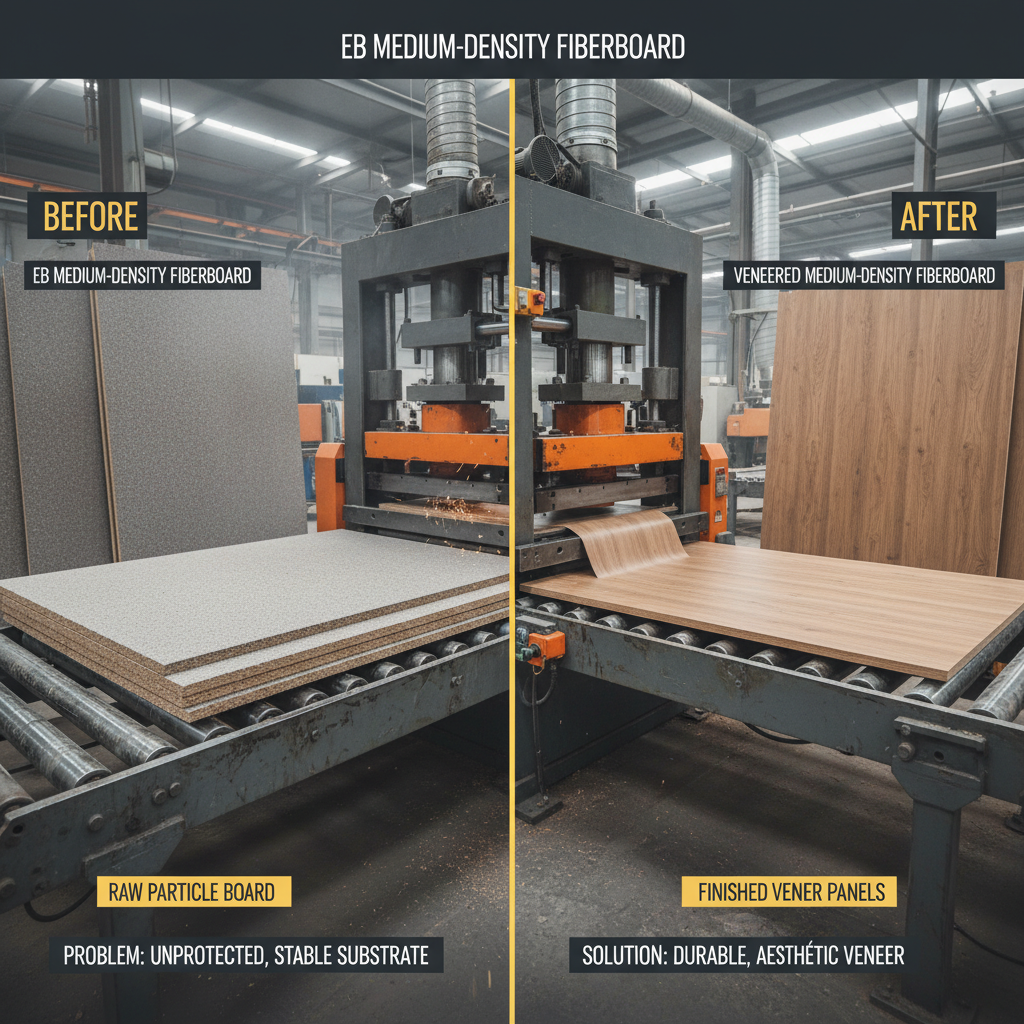
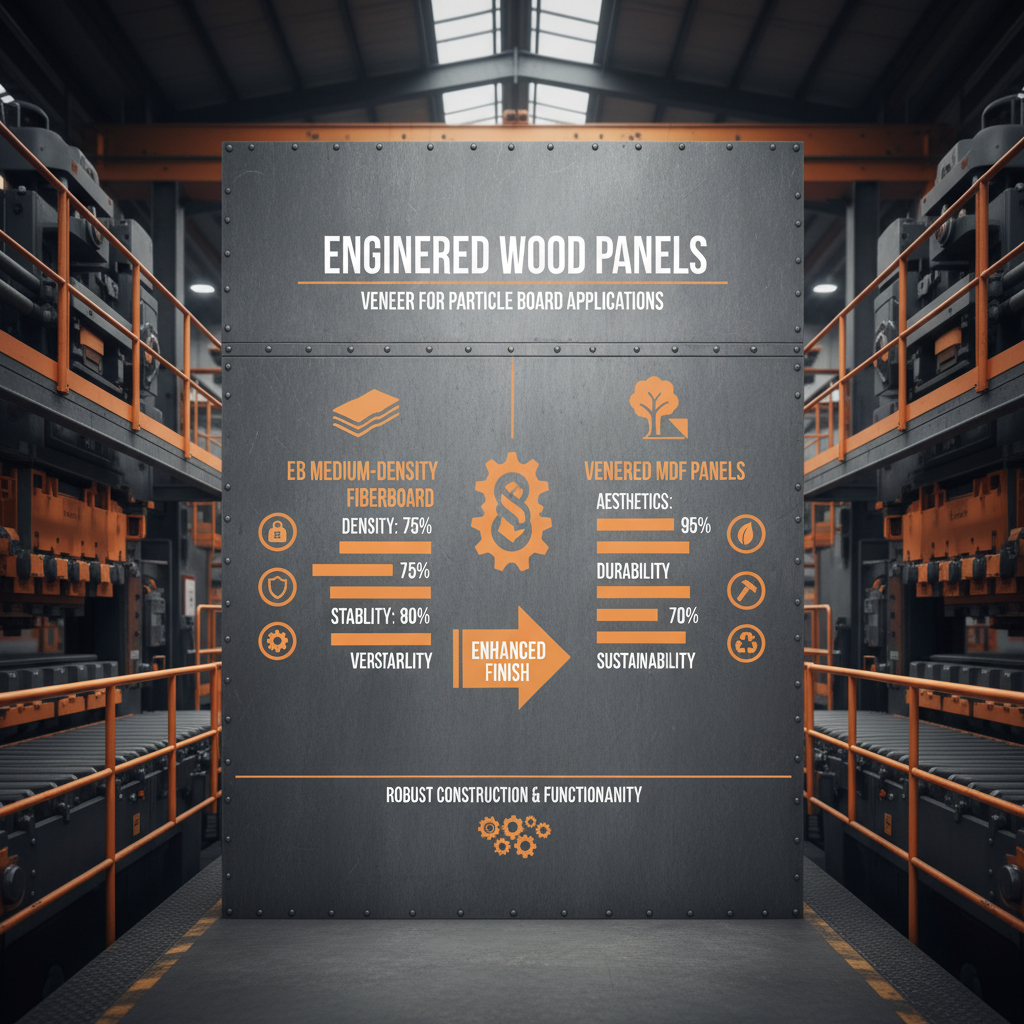
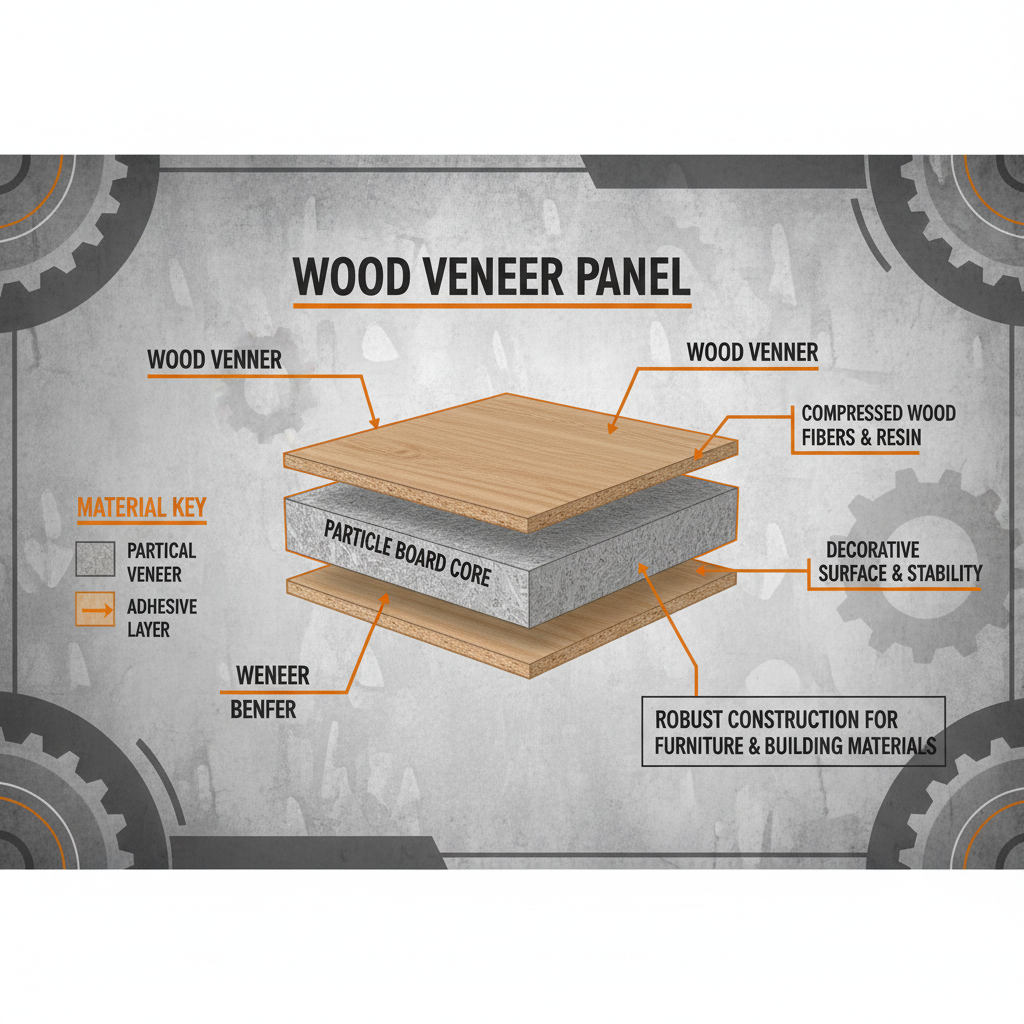
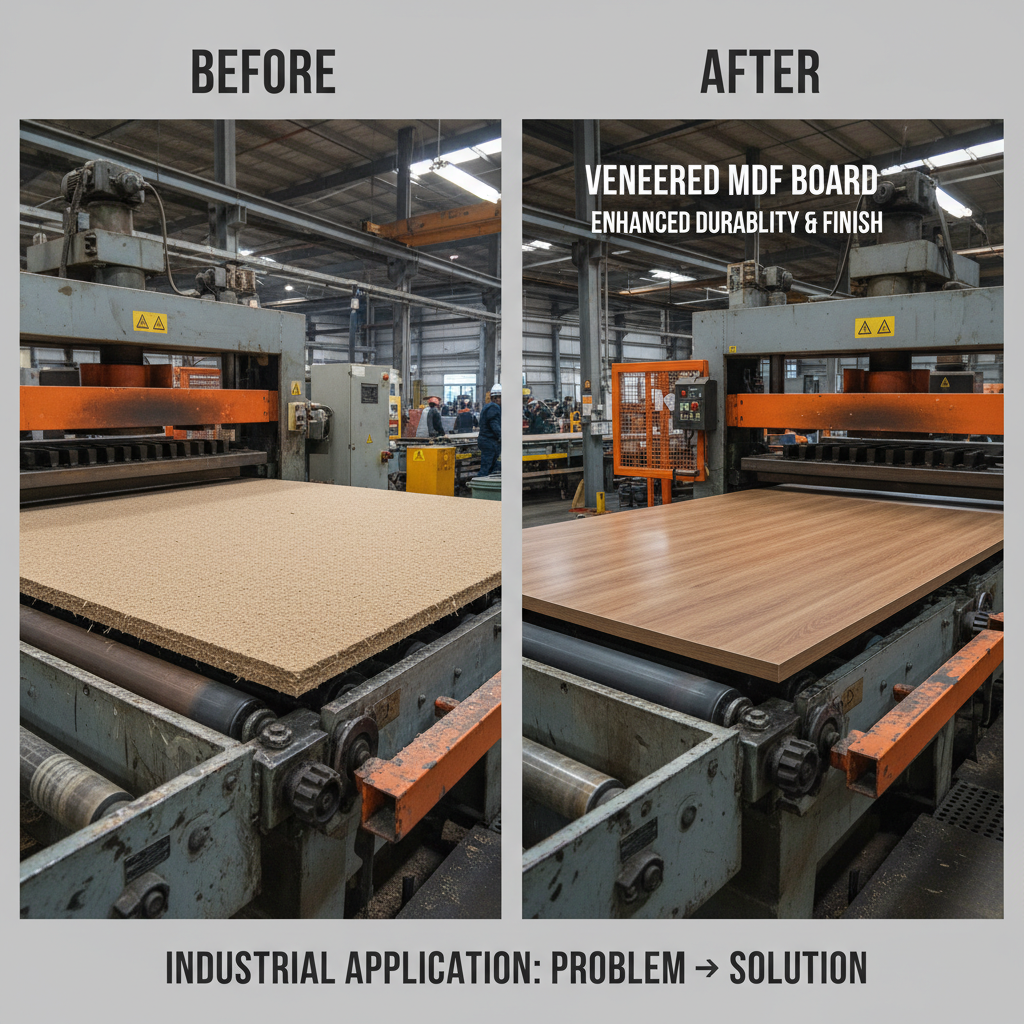
The application of veneer for particle board has revolutionized the furniture and construction industries, allowing manufacturers to create products that combine affordability with aesthetic appeal. Particle board, while cost-effective, often lacks the visual warmth and natural texture of solid wood. Veneer effectively bridges this gap, providing a thin layer of real wood that transforms the appearance of the substrate. This process opens up a world of design possibilities, enabling the creation of customized surfaces with diverse grain patterns and finishes.
Beyond aesthetics, veneer contributes to the structural integrity of particle board. By applying a layer of veneer, manufacturers can enhance the board's resistance to impact, scratching, and moisture. This makes veneered particle board a suitable choice for a wide range of applications, including furniture, cabinetry, wall panels, and flooring. Choosing the correct veneer species and adhesive is critical for ensuring long-lasting performance and preventing delamination.
The lifespan of furniture made with veneer for particle board typically ranges from 5 to 20 years, depending on the quality of the veneer, the particleboard core, the adhesive used, and the level of care and maintenance. Proper care, such as avoiding exposure to excessive moisture and regularly cleaning the surface, can significantly extend the life of the furniture. Higher-quality veneers and well-constructed pieces will naturally last longer.
While veneer provides some protection against moisture, particleboard itself is susceptible to water damage. Prolonged exposure to moisture can cause the particleboard to swell, warp, and lose its structural integrity. It’s important to avoid placing veneered particleboard furniture in damp environments and to clean up spills immediately. Applying a waterproof sealant can provide additional protection.
Yes, veneer for particle board can often be refinished, but it depends on the thickness of the veneer. Thicker veneers (0.6mm or more) allow for sanding and re-staining, similar to solid wood. However, thinner veneers may be too delicate to withstand sanding without damaging the veneer layer. Professional refinishing is recommended to achieve optimal results.
Common wood species used for veneer on particle board include oak, maple, birch, walnut, and cherry. Oak and maple are popular choices for their durability and attractive grain patterns. Birch is often used as a cost-effective alternative. Walnut and cherry offer a more luxurious look and are typically used for higher-end furniture. The choice of species depends on the desired aesthetic and budget.
Veneered particle board is significantly more affordable than solid wood furniture. The cost difference can range from 30% to 70%, depending on the wood species, veneer thickness, and construction quality. Particleboard is less expensive to produce than solid wood, and veneer utilizes a thinner layer of real wood, reducing material costs. This makes veneered particle board a cost-effective alternative for those seeking the look of wood without the high price tag.
Polyvinyl acetate (PVA) adhesives are commonly used for bonding veneer to particle board due to their strong bonding properties, affordability, and ease of use. However, for applications requiring higher moisture resistance, polyurethane adhesives are often preferred. It's crucial to choose an adhesive specifically designed for wood-to-wood bonding and to follow the manufacturer's instructions for proper application and curing.
In conclusion, veneer for particle board represents a versatile and cost-effective solution for creating aesthetically pleasing and durable furniture and building materials. By understanding the key characteristics of high-quality veneer, the factors influencing selection, and the latest innovations in the industry, manufacturers and consumers alike can make informed decisions that optimize performance and sustainability. From its global applications to its long-term benefits, veneer continues to play a vital role in the modern woodworking landscape.
Looking towards the future, continued advancements in sustainable sourcing, bio-based adhesives, and digital manufacturing will further enhance the value and appeal of veneered particle board. By embracing these innovations, we can create a more responsible and environmentally friendly industry that meets the evolving needs of a global market. Visit our website at www.tengfeiebmdf.com to learn more about our high-quality veneer products and solutions.