Add: No.8 Xinxing Street, North Zone, Zhengding High-tech Industrial Development Zone, Hebei, China
CONTACT US
+8615030171059


CONTACT US
+8615030171059
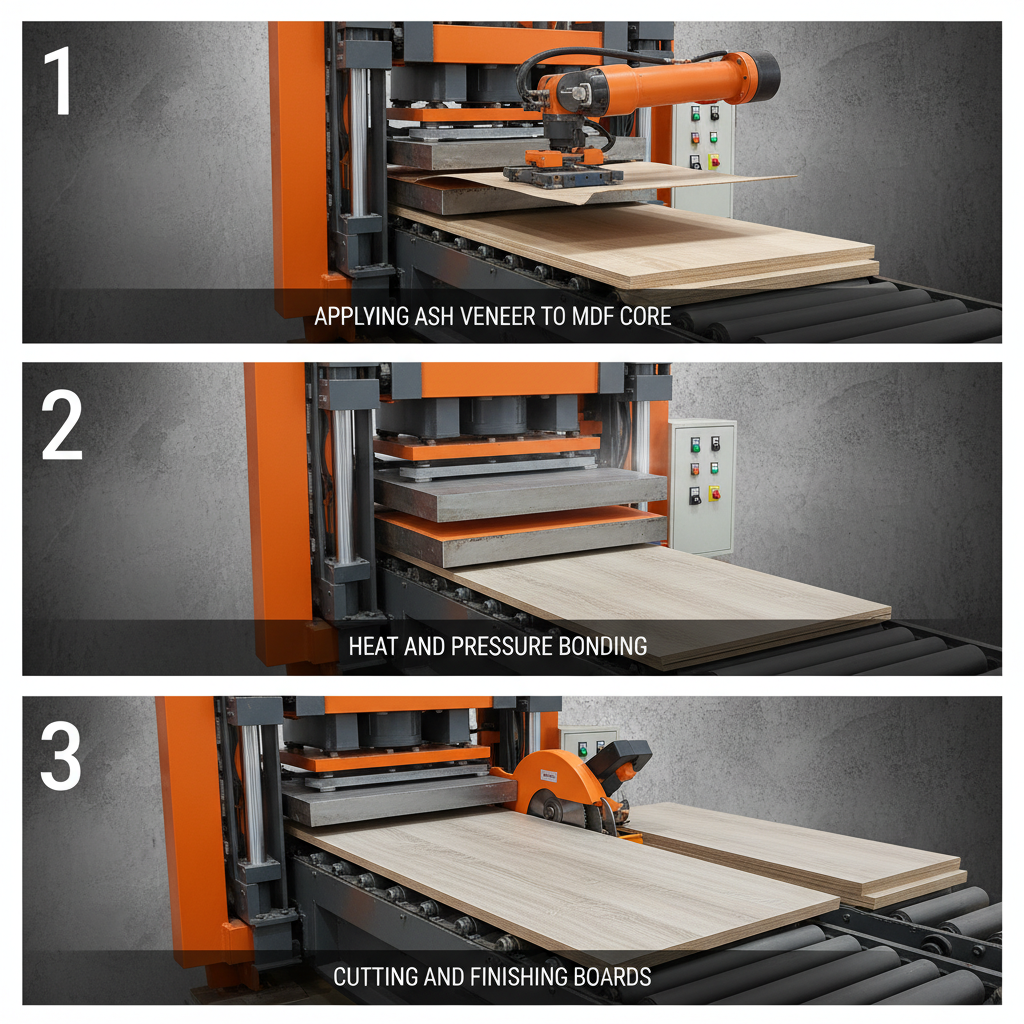
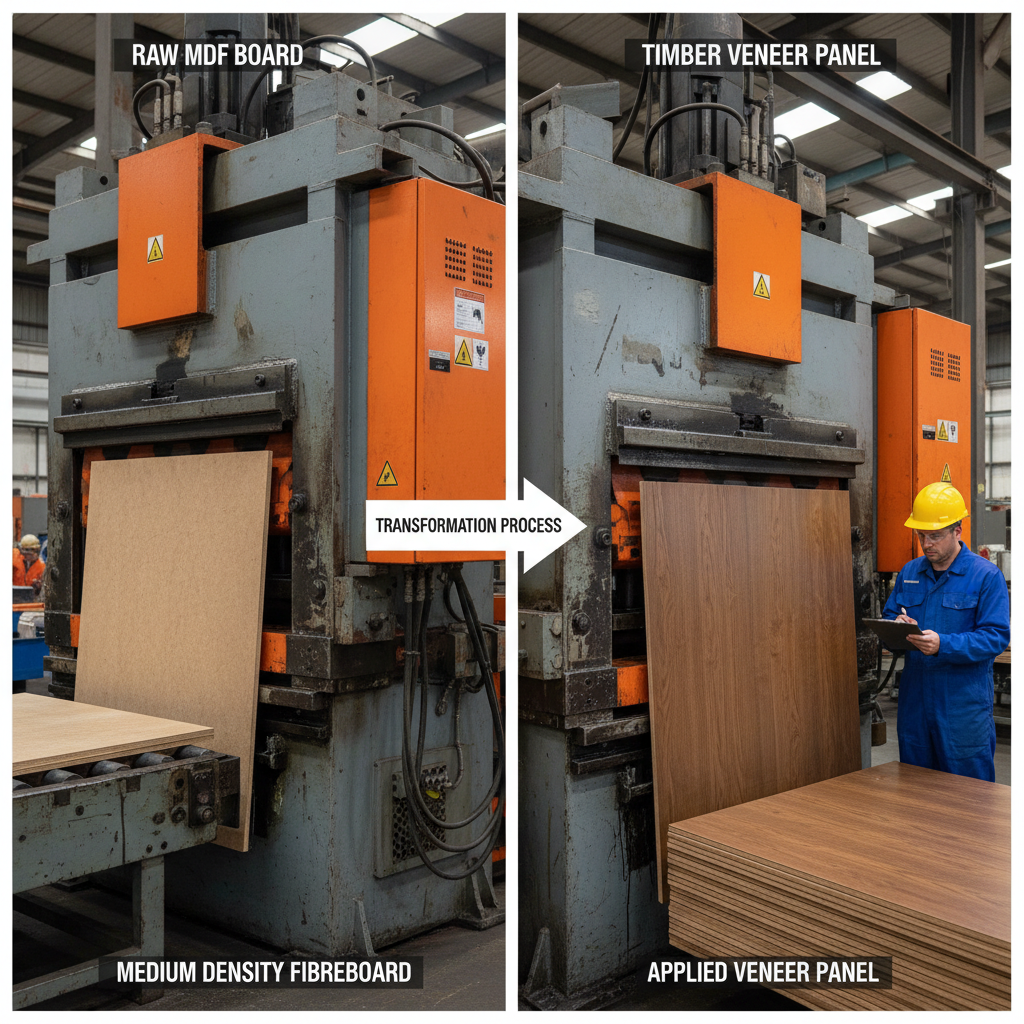
Veneer furniture board represents a significant advancement in wood processing, offering a cost-effective and aesthetically versatile alternative to solid wood. Its global demand is driven by the furniture industry, construction sector, and interior design trends, particularly in regions experiencing rapid urbanization and economic growth. Understanding the nuances of veneer furniture board – from its manufacturing processes to its applications – is crucial for businesses and consumers alike, as it impacts sustainability, affordability, and design possibilities.
The increasing popularity of veneer furniture board stems from its ability to mimic the appearance of expensive hardwoods at a fraction of the cost. This has democratized access to high-end aesthetics for a wider consumer base. However, quality variations and sourcing concerns necessitate a thorough understanding of the material, driving demand for standardized testing and certification. As global sustainability initiatives gain traction, the responsible sourcing and production of veneer furniture board become paramount.
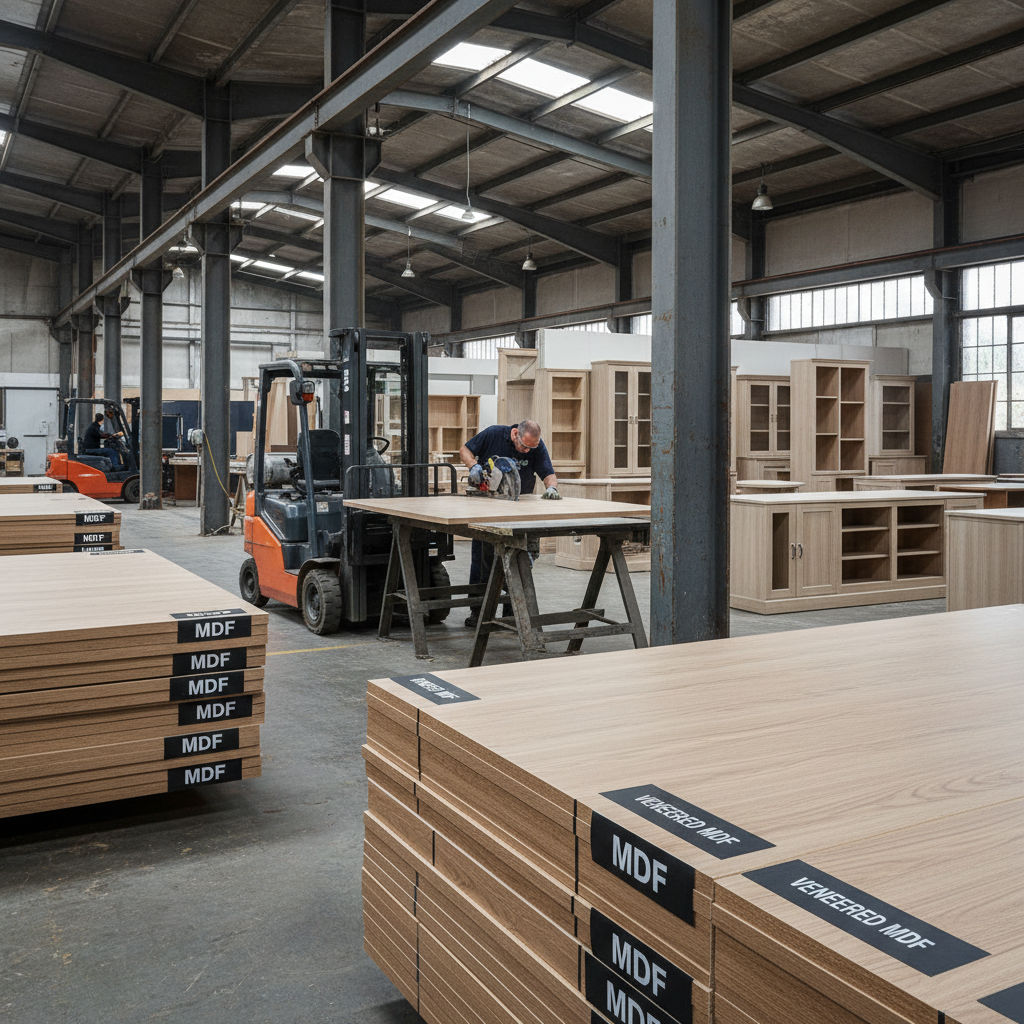
The versatility of veneer furniture board allows for diverse applications, from cabinetry and paneling to decorative surfaces and even structural components in certain contexts. It’s no longer simply a ‘budget’ alternative; advancements in bonding technologies and veneer selection are creating products that rival solid wood in durability and finish. This evolving landscape necessitates a focus on innovation and a deeper exploration of the material’s potential.
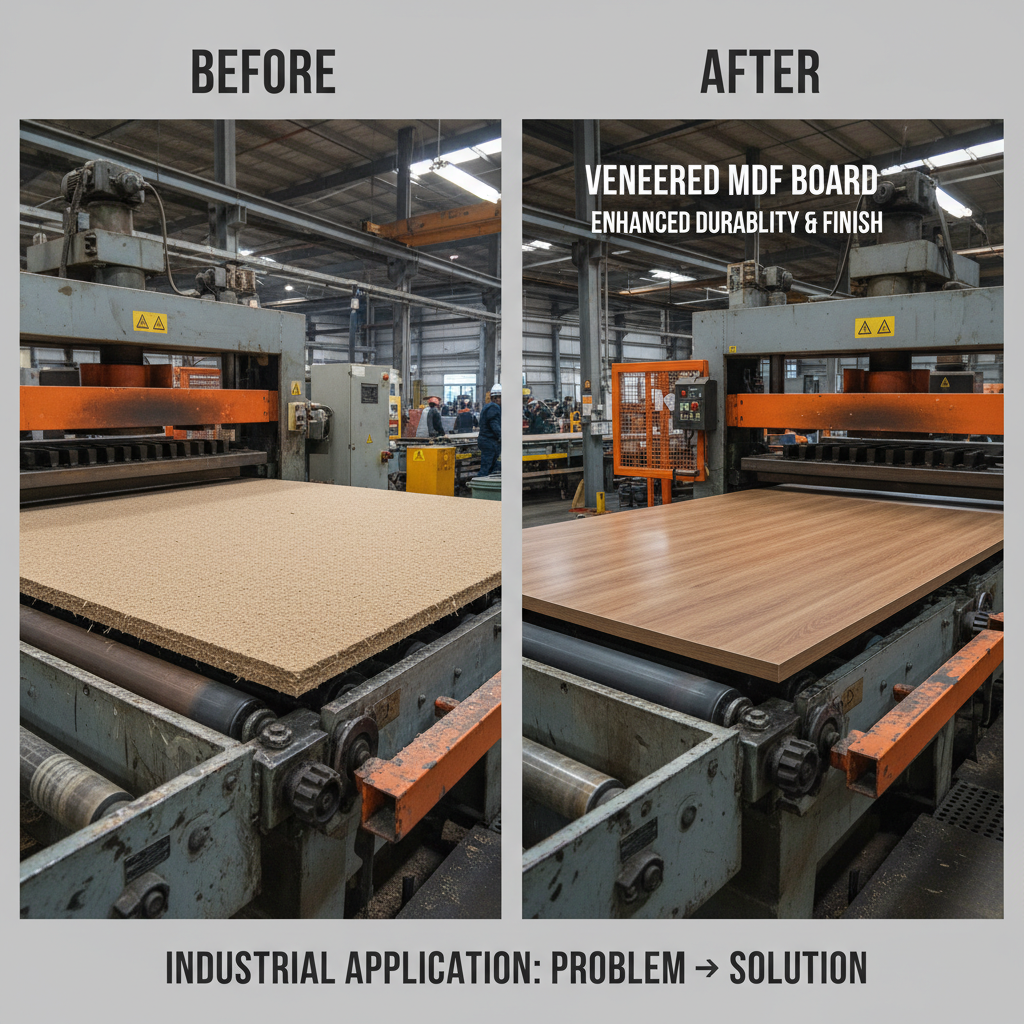
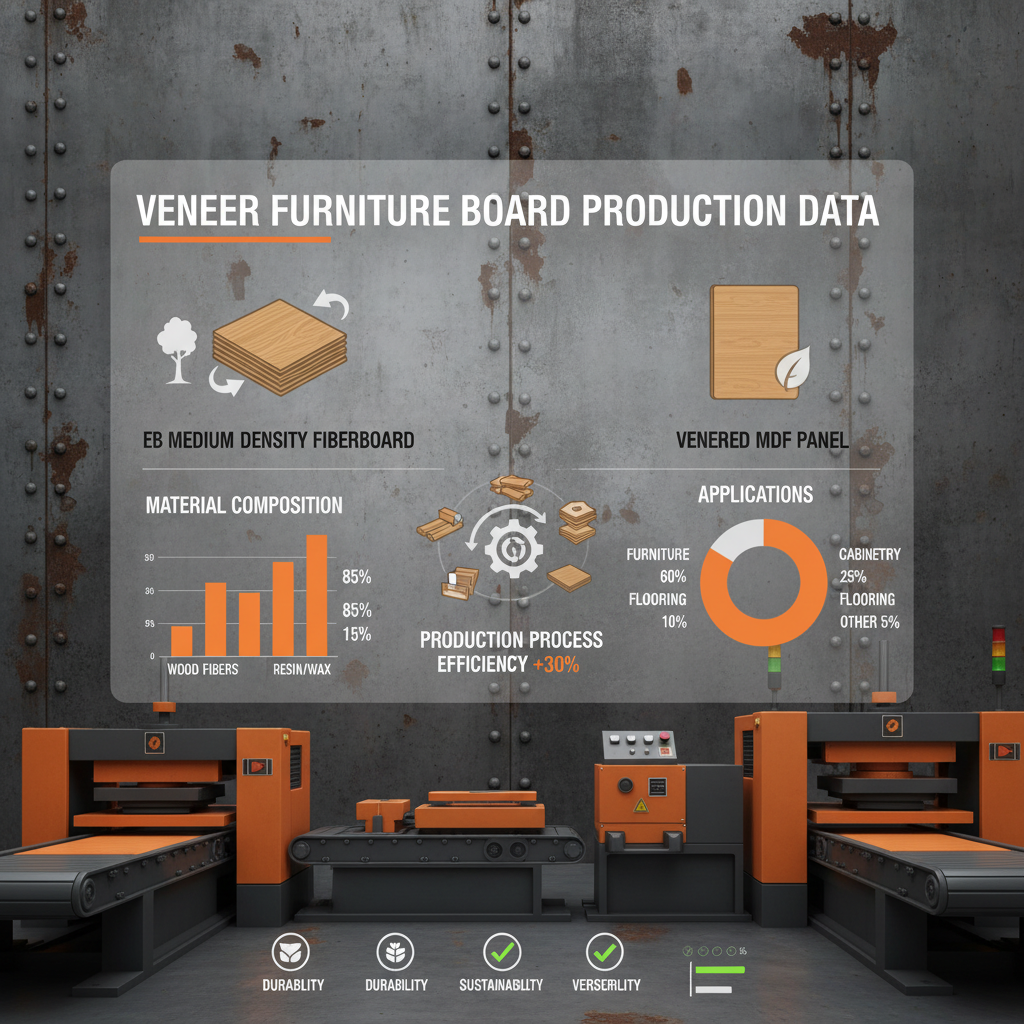
The global market for wood-based panels, including veneer furniture board, is substantial and continuously growing. According to data from the United Nations, demand for furniture and construction materials is directly correlated with population growth and urbanization, particularly in developing economies. The Food and Agriculture Organization (FAO) reports increasing pressures on global forest resources, driving a demand for sustainable alternatives like engineered wood products. Veneer furniture board plays a critical role in mitigating these pressures by utilizing wood more efficiently.
The demand for veneer furniture board isn’t merely about cost. Increasingly, consumers prioritize aesthetic versatility and design flexibility. This material allows for a wider range of finishes and designs, catering to evolving tastes. Furthermore, innovations in production technology, such as improved adhesive formulations and slicing techniques, are enhancing the performance and durability of veneer boards, making them a viable option for high-end applications.
Veneer furniture board offers significant cost savings, reduced environmental impact through efficient wood utilization, and greater design flexibility. It's less prone to warping or cracking compared to solid wood, and can be produced in larger, more consistent panels. While solid wood boasts a certain prestige, veneer offers a comparable aesthetic at a fraction of the price and with a more sustainable footprint.
The substrate material significantly impacts the board’s strength, stability, and moisture resistance. MDF (Medium-Density Fiberboard) generally provides a smoother surface, better screw-holding ability, and superior resistance to warping compared to particleboard. However, particleboard is typically more affordable. The choice depends on the specific application and budget constraints.
Proper sealing is crucial to protect the veneer from moisture and wear. Apply a high-quality wood sealer to all edges and surfaces. Follow with several coats of varnish, lacquer, or polyurethane for a durable and aesthetically pleasing finish. Sanding lightly between coats ensures a smooth and even application. The specific finish will depend on the desired look and level of protection.
While veneer furniture board is more resistant to moisture than solid wood, it’s still susceptible to damage from prolonged exposure to water or high humidity. Proper sealing and finishing are essential to minimize moisture absorption. Avoid placing veneer furniture in areas with consistently high humidity, such as bathrooms, without adequate ventilation. Promptly wipe up any spills to prevent water damage.
Thicker veneer layers generally offer better durability and a more natural wood appearance. They allow for sanding and refinishing, extending the lifespan of the product. Thinner veneers are more economical but are less resistant to wear and tear and offer limited refinishing options. A veneer thickness of at least 0.6mm is generally recommended for high-quality applications.
Look for certifications like the Forest Stewardship Council (FSC) to ensure the veneer comes from responsibly managed forests. Also, check for certifications related to low formaldehyde emissions, such as CARB Phase 2 or TSCA Title VI, to ensure a healthy indoor environment. These certifications demonstrate a commitment to sustainability and product safety.
In conclusion, veneer furniture board stands as a versatile and increasingly sustainable material that addresses critical needs in the furniture, construction, and interior design industries. Its cost-effectiveness, aesthetic appeal, and adaptability to diverse applications make it a compelling alternative to solid wood, while responsible sourcing and innovative production techniques mitigate environmental concerns. Understanding the nuances of veneer furniture board – from substrate selection to finishing methods – is crucial for maximizing its performance and longevity.
Looking ahead, continued innovation in adhesive technology, surface coatings, and sustainable forestry practices will further enhance the value and appeal of veneer furniture board. Embracing circular economy principles and prioritizing transparency in the supply chain are essential for ensuring the long-term viability of the industry. For further information and to explore our range of high-quality veneer furniture board products, visit our website: www.tengfeiebmdf.com.