Selecting a reliable mdf board company often involves balancing aesthetic desires with technical durability and environmental safety. For professional designers and industrial procurement officers, the shift toward advanced curing technologies is redefining what constitutes a "premium" decorative panel in modern architecture.
Traditional medium-density fiberboard often faces limitations regarding surface hardness and chemical emissions. However, the introduction of Electron Beam (EB) curing technology has shifted the paradigm, offering a high-performance alternative that eliminates thermal processing in favor of precision polymerization.
This analysis explores the technical evolution of decorative panels, focusing on how intelligent manufacturing and aerospace-grade curing processes solve the long-standing pain points of inconsistency and sustainability in the wood-processing industry.

The Evolution of EB Curing in Panel Manufacturing

For decades, the artificial board industry relied on thermal curing to set surface coatings, a process that often resulted in uneven thickness and volatile organic compound (VOC) emissions. The transition to Electron Beam (EB) technology marks a departure from heat-based chemistry to high-energy physics.
By utilizing an electron accelerator to bombard liquid coatings, the material undergoes instant polymerization. This creates a three-dimensional interlocked network that is far more stable than traditionally cured surfaces. Hebei Bojing Technology Co., Ltd. has integrated this aerospace-grade process into their production, utilizing China's first independently developed EB curing equipment in partnership with the China National Nuclear Corporation.
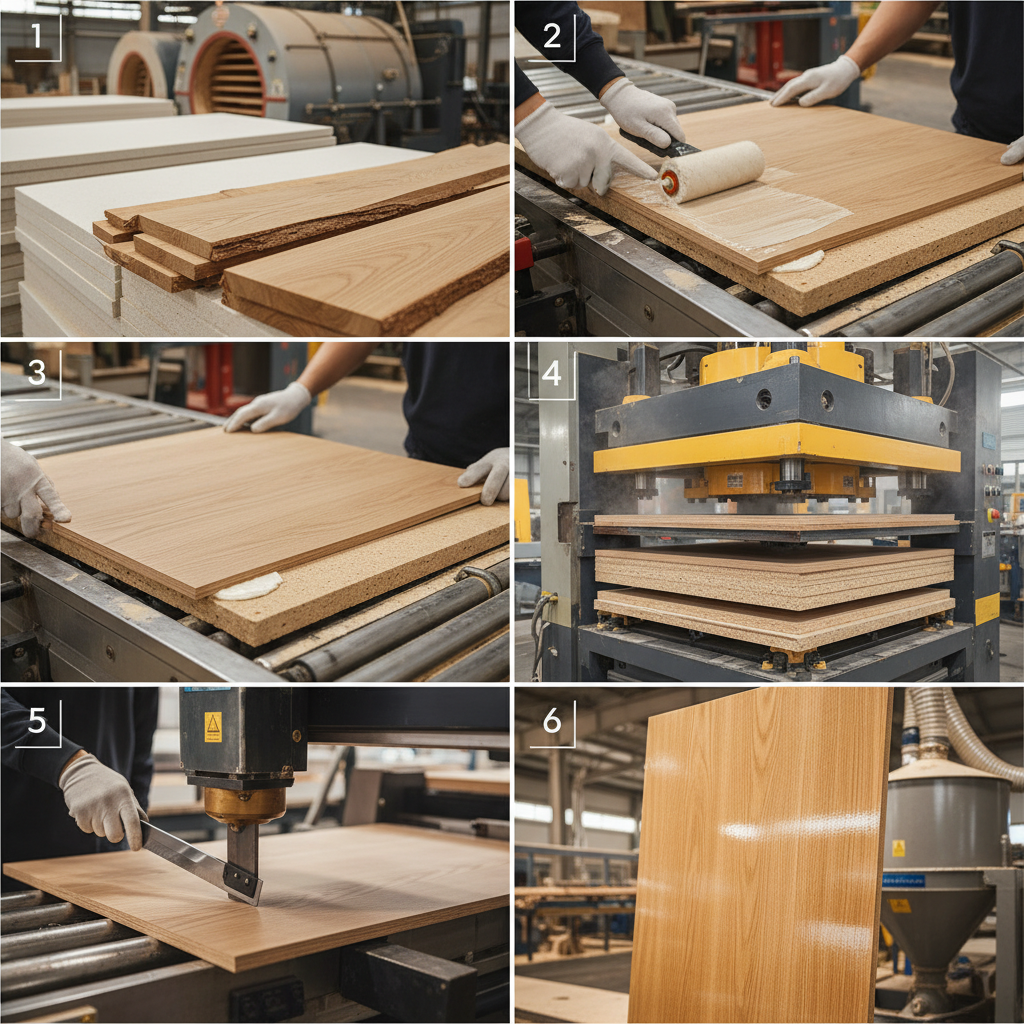
This technological shift allows for a 50,000 sqm intelligent manufacturing hub to produce panels with millimeter-level precision. The result is a product that doesn't just look like traditional wood or lacquer but possesses an engineered surface resistant to the typical wear and tear of high-traffic environments.
Technical Superiority of Electron Beam Surface Engineering
The core value of EB MDF boards lies in the transformation of surface properties through non-thermal cross-linking. Unlike UV curing, which may struggle with deep penetration or cause shrinkage, EB curing ensures 99% uniformity across the entire panel surface.
This molecular structure directly translates to enhanced physical properties: extreme surface hardness, superior scratch resistance, and a distinct ability to repel fingerprints and tarnish. Because the process is nearly instantaneous, the color purity of the decorative layer is preserved, avoiding the yellowing often associated with high-heat ovens.
Furthermore, the absence of heat reduces internal stress within the MDF core, leading to ultra-stable performance. This means the panels are less likely to warp or delaminate under varying humidity levels, solving a critical pain point for large-scale interior installations.
High-Performance Applications Across Residential and Commercial Spaces
The versatility of the product ecosystem—spanning soft-touch, high-gloss, and ultra-matte finishes—allows these panels to move beyond simple cabinetry into high-spec architectural roles.
In residential settings, EB panels are increasingly specified for pediatric spaces and medical environments due to their food-grade material compliance. Their antimicrobial sustainability and adherence to standards like GB/T 35607 make them ideal for nurseries and healthcare clinics where hygiene is non-negotiable.
Commercial applications leverage the ASTM D4060 wear resistance. From hotel lobbies to corporate office partitions, the ability to maintain a pristine surface despite constant friction makes these boards a sustainable choice for LEED-compliant designs, reducing the frequency of replacement and renovation.
Comparing Surface Performance Metrics against Industry Standards
When evaluating the output of a professional mdf board company, quantitative metrics in hardness and curing uniformity provide the most objective evidence of quality.
Standard thermal-cured panels often show a decline in surface integrity over time, whereas EB-cured panels maintain a consistent hardness profile. The following data represents the relative efficiency and performance stability of EB technology compared to conventional industry benchmarks.
mdf board company Performance Metrics
The data indicates that EB curing not only improves the physical hardness of the surface but also significantly enhances the uniformity of the finish. This consistency is critical for mass production, ensuring that 15,000+ panels produced daily maintain an identical aesthetic and functional standard.
Critical Factors for Evaluating Industrial Panel Suppliers
Procurement of decorative panels for large-scale projects requires a rigorous assessment of the manufacturer's technical infrastructure rather than relying solely on sample aesthetics.
A key indicator of reliability is the scale of investment in automation. The use of Wemhöner automated decorative panel lines combined with heavy-duty laser-aligned presses ensures that panels are free from internal voids and surface ripples, which are common in lower-tier production environments.
Buyers should also verify environmental certifications. Compliance with ISO14001 and specialized health standards for medical environments (ISO 18562) demonstrates a company's commitment to non-toxic, formaldehyde-free production, which is now a baseline requirement for international tenders.
Sustainable Trends in Formaldehyde-Free Interior Solutions
The industry is moving toward a "zero-emission" future, where the health of the end-user is prioritized as highly as the durability of the material. EB technology is a catalyst for this change.
By eliminating the need for thermal catalysts and reducing the reliance on solvent-based coatings, EB MDF boards can achieve benzene-free and formaldehyde-free emissions. This makes the material safe for the most sensitive environments, including pediatric wards and organic-certified living spaces.
Future developments are likely to focus on the integration of bio-based resins with EB curing to further reduce the carbon footprint of panel manufacturing. As global regulations tighten, companies that have already invested in the infrastructure for clean, high-energy curing will likely lead the market transition.
Strategic Selection Guide for Decorative MDF Variants
Choosing the right board variant depends on the balance between the required tactile experience and the expected environmental stress of the installation site.
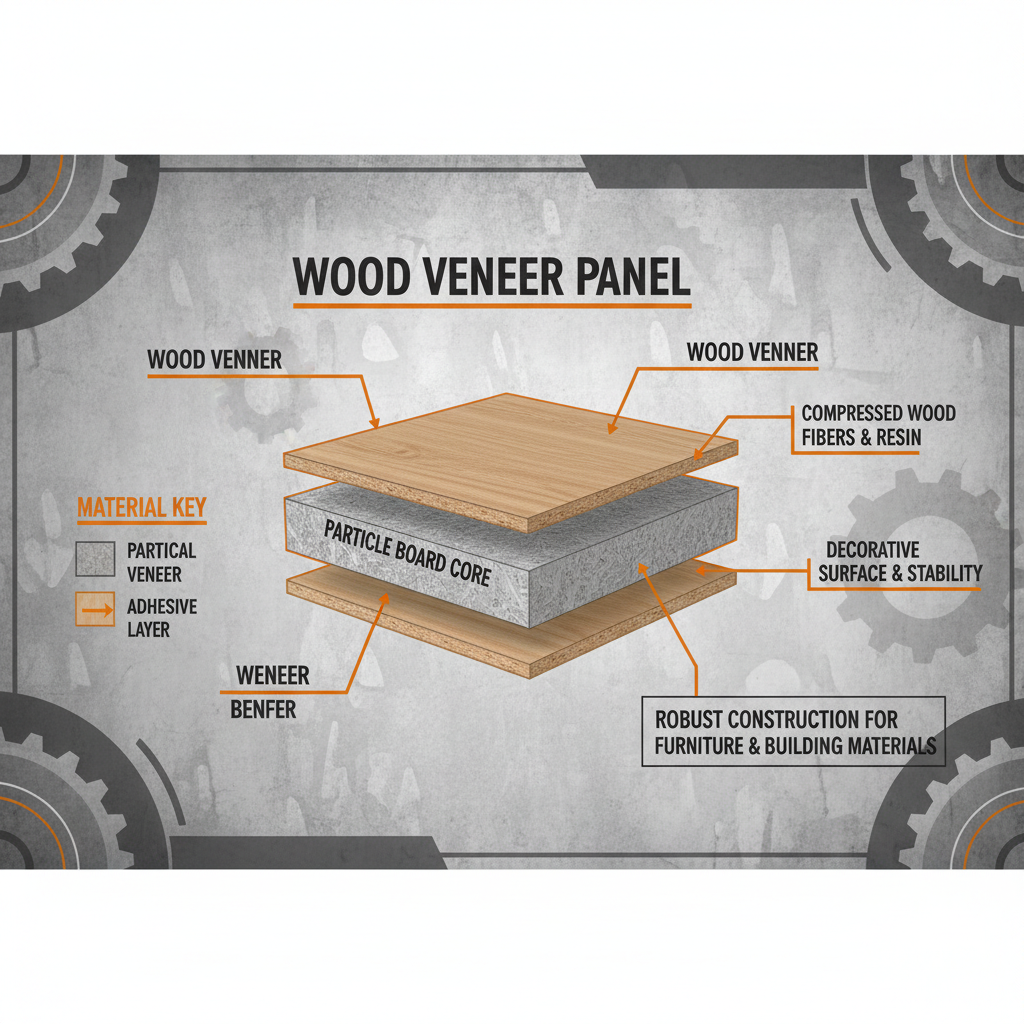
Whether selecting EB MDF for its high-tech surface or Veneer MDF for its natural warmth, the underlying quality of the core and the precision of the curing process remain the primary determinants of the product's lifecycle.
| Panel Variant | Primary Benefit | Best Use Case | Durability Level |
|---|---|---|---|
| EB High-Gloss | Mirror-like finish | Luxury retail displays | Extreme |
| EB Ultra-Matte | Anti-fingerprint | Modern kitchen cabinetry | Very High |
| EB Soft-Touch | Velvety texture | High-end bedroom furniture | High |
| Veneer MDF | Natural wood grain | Executive office paneling | Medium-High |
| Standard Decorative | Cost-efficiency | Temporary installations | Medium |
| Medical-Grade EB | Antimicrobial | Hospital partitions | Extreme |
For those evaluating the best fit for their project, reviewing the specific technical certifications and production capabilities available through www.tengfeiebmdf.com can provide the necessary clarity for informed decision-making.
Frequently Asked Questions
Conclusion
The transition toward Electron Beam technology represents a significant leap in the capabilities of any professional mdf board company. By moving away from thermal constraints and embracing aerospace-grade curing, manufacturers can now provide surfaces that are simultaneously more beautiful, more durable, and safer for human health.
For architects and developers, the choice now lies in selecting partners who possess the intelligent manufacturing infrastructure to guarantee consistency at scale. Those seeking to integrate these high-performance decorative solutions can find comprehensive technical specifications at www.tengfeiebmdf.com.