Add: No.8 Xinxing Street, North Zone, Zhengding High-tech Industrial Development Zone, Hebei, China
CONTACT US
+8615030171059


CONTACT US
+8615030171059
Here’s the short version: PU201 is a workhorse polyurethane adhesive formulated for modern furniture and panel shops that need consistent bond strength without babysitting the process. It comes out of No.8 Xinxing Street, North Zone, Zhengding High‑tech Industrial Development Zone, Hebei, China—a region that’s quietly become a serious manufacturing base. In daily production, it behaves predictably (which is rarer than it should be), and—surprisingly—holds up well when humidity or line speed isn’t perfect.
Panel fabrication is drifting toward lower VOCs, higher heat resistance, and faster cure—all while bonding trickier substrates like PVC edge banding, HPL, coated MDF, and aluminum trim. To be honest, many shops also want fewer SKUs. PU201 leans into that “one adhesive for many tasks” trend, with moisture‑cure chemistry and a forgiving open time that suits batch and inline work.
Materials: MDI‑based prepolymer + polyol blend with flow modifiers and adhesion promoters. One‑component, moisture‑cure.
Methods: Bead or roller application (≈80–180 g/m² for lamination; ≈120–220 g/m² for edge banding). Pressing via hot/cold press or edgebander pressure rollers.
Surface prep: Clean, dust‑free, 8–12% wood moisture; light abrasion on non‑porous surfaces improves wetting.
Testing standards: ISO 4587 (lap shear), ASTM D1876 (T‑peel), EN 204 (D3/D4 water resistance), EN 14257/WATT 91 (heat resistance).
Service life: Indoor furniture ≈10–15 years; covered outdoor uses ≈5–8 years (real‑world conditions vary).
Industries: Furniture/cabinetry, prefab housing, RV, retail fixtures, cleanroom panels (when substrates allow).
| Chemistry | 1K moisture‑cure polyurethane (MDI‑based) |
| Viscosity (25°C) | ≈6,000–9,000 mPa·s |
| Open time | 10–15 min (at 23°C, 50% RH) |
| Press time | 20–30 min at 60–70°C; longer if cold press |
| Lap shear (ISO 4587) | ≥10 MPa after 24 h cure |
| Heat resistance (EN 14257) | ≥7 N/mm² (WATT 91) |
| Water resistance | Meets EN 204 D4 class |
| Temperature range | -30°C to +100°C (short peaks to 120°C) |
| Color | Natural/neutral; custom tints available |
| Packaging | 310 ml cartridges; 20 kg pails; 200 kg drums |
Note: Values are typical; real‑world use may vary by substrate, climate, and line setup.
| Vendor | Lead time | Certifications | MOQ | Typical price | Tech support |
|---|---|---|---|---|---|
| PU201 (Hebei) | 7–15 days | EN 204, REACH, RoHS; MSDS provided | ≈200 kg | Value‑focused | Process tuning + trials |
| Vendor A (EU) | 2–4 weeks | EN 204, WATT 91, low‑VOC labels | ≈100 kg | Premium | Extensive lab support |
| Vendor B (Generic) | 10–20 days | Basic MSDS | ≈500 kg | Low | Limited |
Indicative only; confirm with each supplier.
Custom viscosity for roll coaters, faster cure for high‑speed edgebanders, color‑matched tint, and low‑monomer options are available. Factory QA typically runs ISO 4587 lap shear, EN 204 D4 water soak, and accelerated heat cycles. Many customers say they see fewer telegraphing issues on thin PVC when spread rates are dialed in—honestly, that’s usually about operator training plus adhesive rheology working together.
Supports EN 204 D3/D4 classification and WATT 91 heat resistance testing, with documentation on request. REACH SVHC and RoHS statements available; VOC reporting per ISO 16000 methods can be supplied. For transport or cleanroom uses, ask for the latest SDS and third‑party test summaries.
If you need one adhesive that behaves well across MDF, laminates, and plastics—without overcomplicating your line—PU201 is, I’d say, a sensible baseline to trial.
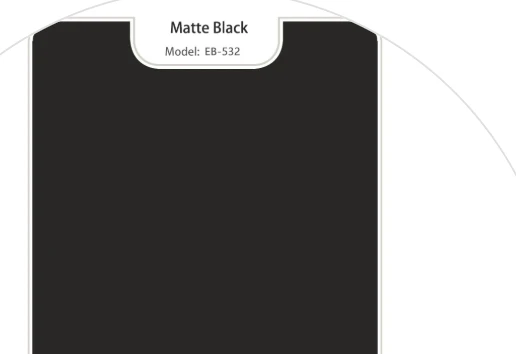
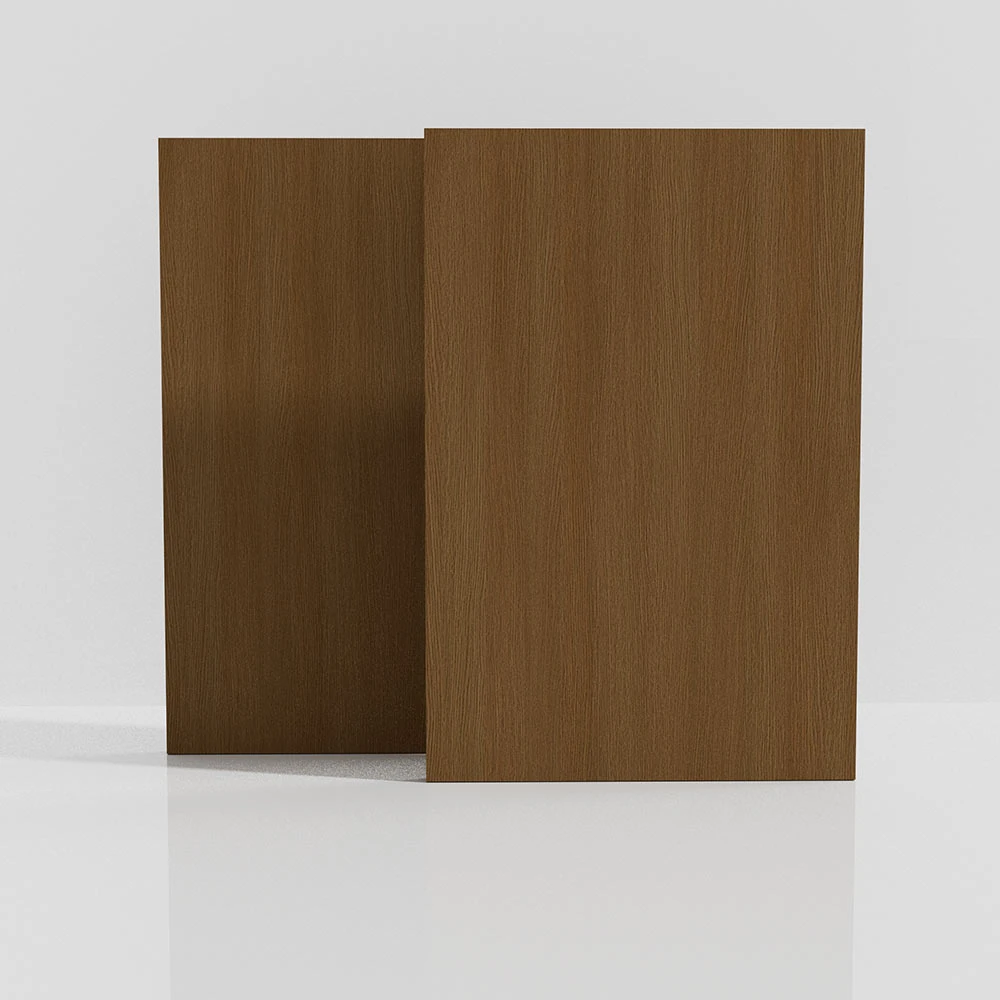
Tengfei Platinum EB Particle Panels - Matte Black
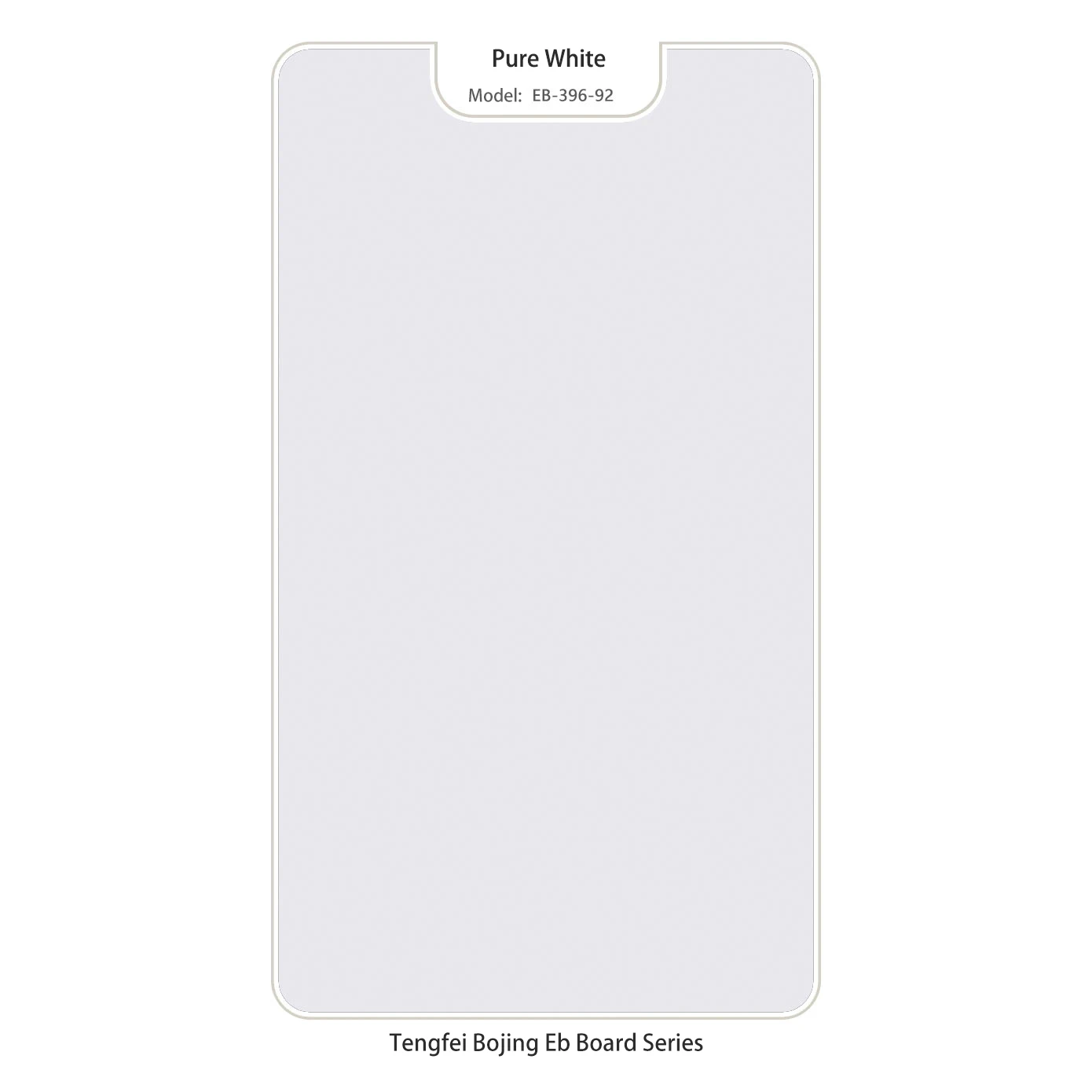
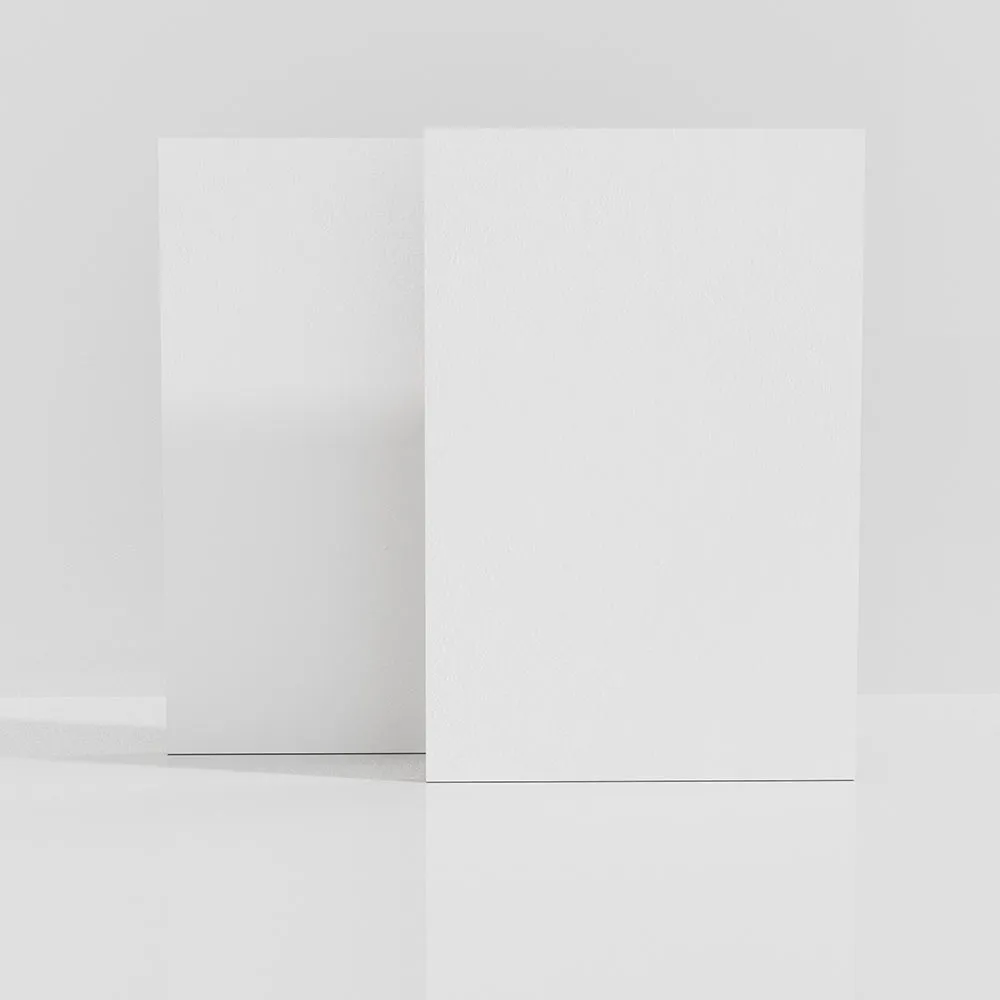
Tengfei Platinum EB Particle High-Gloss Panels - Pure white
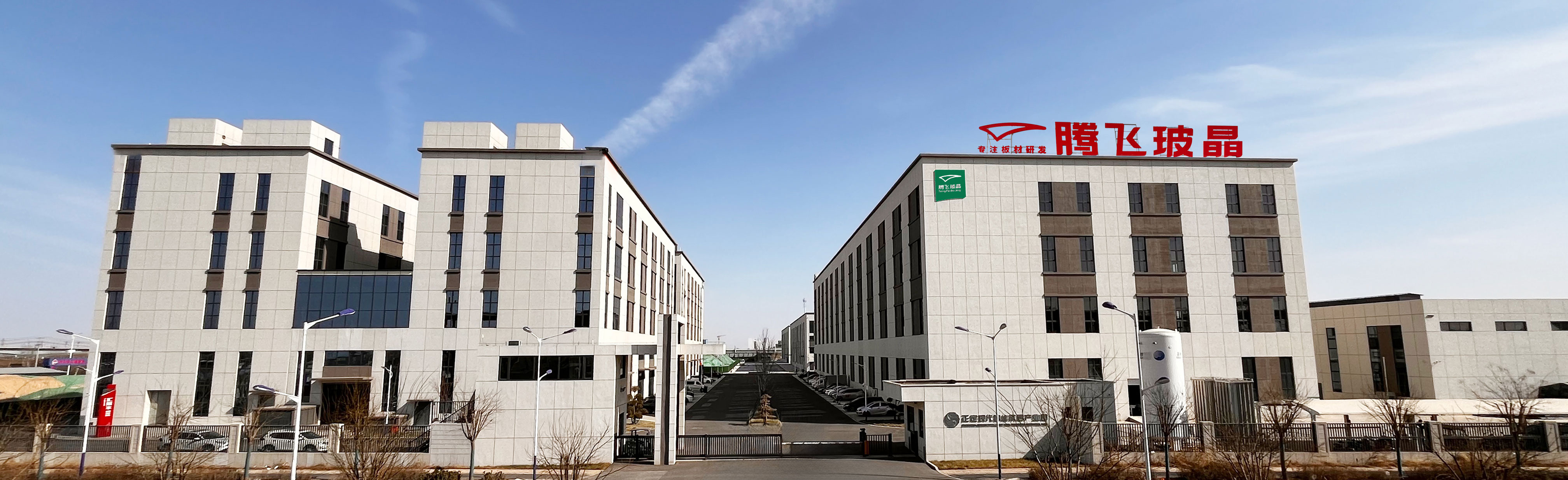
To provide reliable solutions through quality products!