18mm Marine Plywood 8x4 Price: What to Expect in Today’s Market
Having spent more than a decade around marine plywood — in warehouses, on docks, and on job sites — I can tell you the 18mm marine plywood 8x4 price has been through some ups and downs. Honestly, it’s never just about cost; there’s always weightier stuff beneath the numbers — like quality, sourcing, and trustworthiness of vendors.
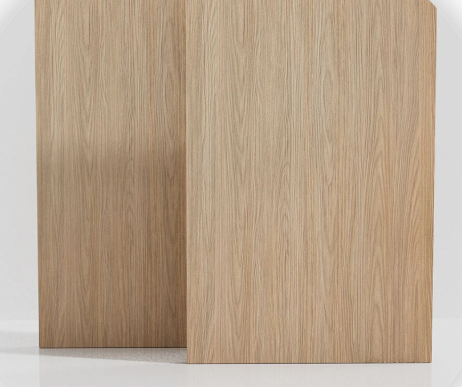
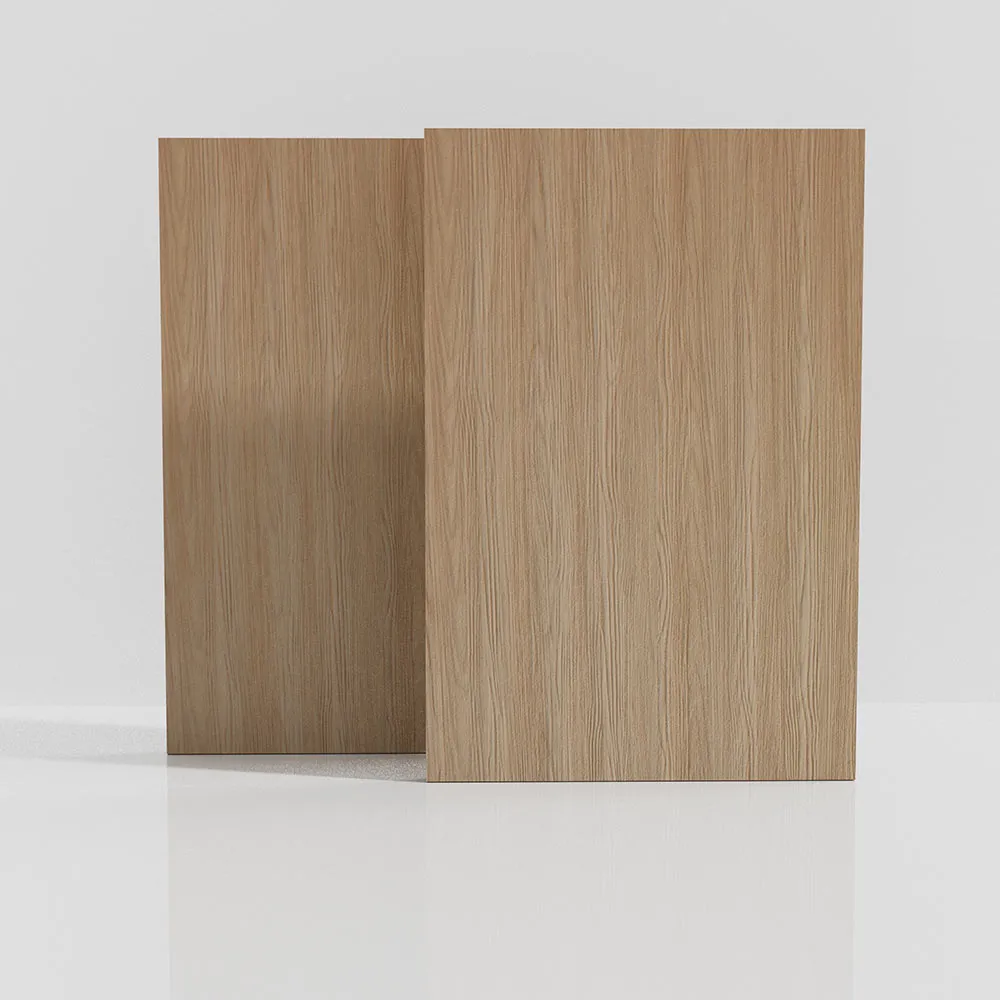
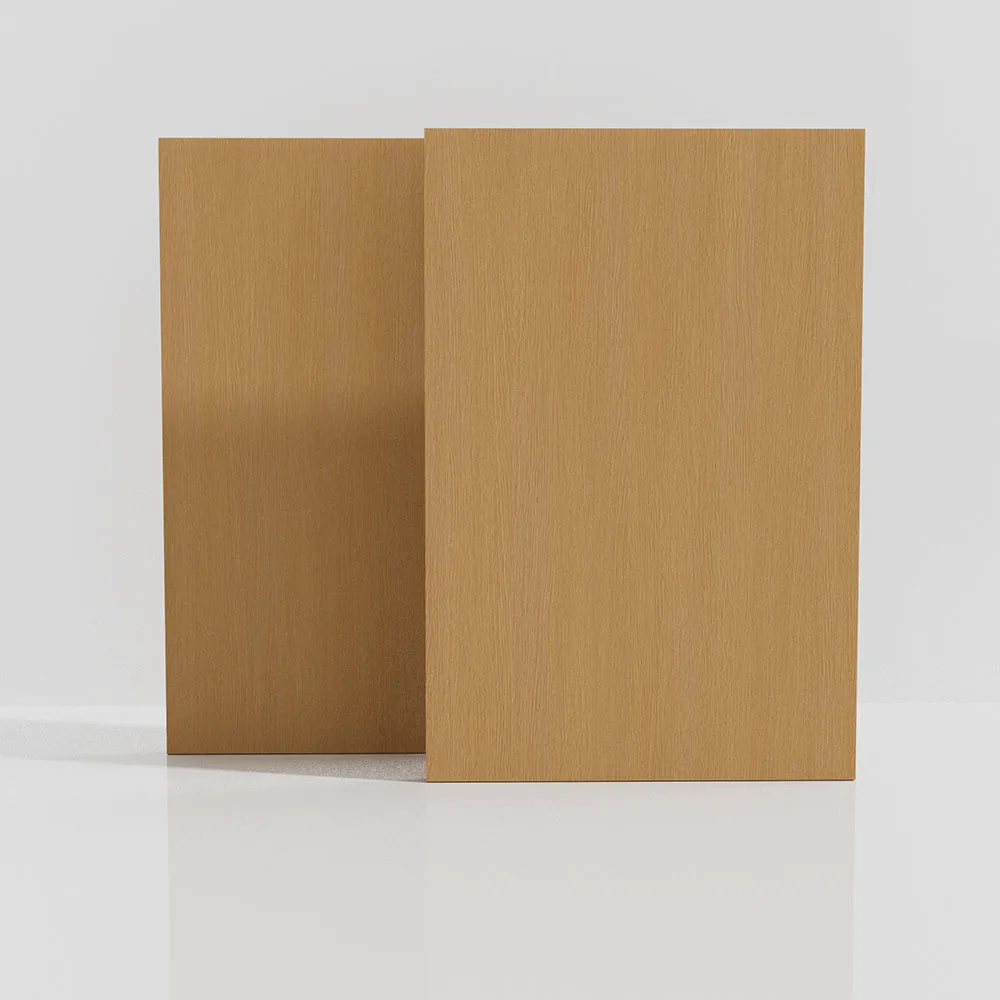
If you’re new to this world, here’s the gist: “marine plywood” isn’t just plywood that’s wet-resistant. It’s engineered carefully to survive tough environments — salty air, moisture, and harsh conditions where regular plywood would swell or delaminate. Thickness at 18mm and a sizing of 8x4 feet are industry staples, often the “go-to” for boat builders, outdoor furniture crafters, and even some architectural panels.
Price-wise, you’ll find it varies quite a bit. I remember last summer chatting with a carpenter who swore by a certain supplier in Southeast Asia; they offered excellent durability but at a premium. Meanwhile, local suppliers sometimes offer competitive pricing but, well, you get what you pay for in terms of potential flaws like inconsistent glue quality or uneven layers.
To be frank, my general advice is to balance price with the plywood’s certification and grading. Look for BS 1088 standards if you want a plywood that’s been lab-tested and quality ensured. It feels like a small detail until you’re fixing a warped deck or replacing banged-up panels mid-project.
Quick Specs of Typical 18mm Marine Plywood (8x4)
| Feature |
Details |
| Dimensions |
2440mm x 1220mm (8’ x 4’) |
| Thickness |
18mm |
| Core |
Hardwood veneers, void-free |
| Face veneers |
High-quality hardwood, smooth finish |
| Glue type |
Waterproof phenolic adhesive |
| Grade |
Typically BS 1088 or equivalent |
| Typical uses |
Boat hulls, flooring, exterior joinery |
Now, I spoke to a few vendors recently and decided to jot down a quick comparison. Oddly enough, it seems smaller suppliers emphasize local timber sourcing, while the bigger players focus on consistent international certifications. The price gaps, frankly, reflect those priorities.
Vendor Comparison Snapshot
| Vendor |
Price per Sheet (USD) |
Certification |
Lead Time |
Notes |
| Vendor A |
$45 - $50 |
BS 1088 Certified |
2-3 weeks |
Premium quality, widely trusted |
| Vendor B |
$40 - $44 |
Local Certification |
1-2 weeks |
Good for budget projects |
| Vendor C |
$50 - $55 |
FSC & BS 1088 |
3-4 weeks |
Sustainability focus, premium pricing |
Once, I recall a marine engineer telling me how an expensive plywood sheet saved his hull from early damage during a rough trip—his words: “That stuff’s worth every penny.” On the other hand, some smaller firms rely on price to get jobs done quickly and don’t mind swapping out sooner. It all depends on your project, frankly.
Customization is another angle, too. Some suppliers offer bespoke veneer blends or treatments—like anti-fungal coatings or UV resistance—which push prices higher but can be game-changers in tropical or highly humid settings. I haven’t seen a one-size-fits-all price or product here; it’s more of a bespoke trade when you dig deeper.
In real terms, if you’re hunting for an 18mm marine plywood 8x4 price, take your time, ask questions about glue types, grading, and, honestly, vendor track record. Sometimes, the cheapest sheet isn’t cheapest in the long run. You want that assurance — a quiet peace of mind — when you start cutting into these panels.
To sum it all up: pricing fluctuates, but quality and certification are what really steer longevity and performance. And from what I’ve seen, investing in trusted sources tends to pay off more often than not.
References:
- British Standard BS 1088 – Marine plywood specification
- FSC Certification and sustainable timber sourcing
- Industry discussions and anecdotal feedback from marine carpentry professionals