Add: No.8 Xinxing Street, North Zone, Zhengding High-tech Industrial Development Zone, Hebei, China
CONTACT US
+8615030171059


CONTACT US
+8615030171059
When planning a construction or DIY project, understanding the cost of materials is crucial. 1 2 inch plywood price can vary significantly based on several factors. This article will delve into those factors, provide a current price overview, and offer insights to help you get the best value. We’ll cover wood species, grades, market conditions, and regional differences to provide a comprehensive understanding of plywood pricing. Making informed decisions about your plywood purchase can save you money and ensure the quality of your project.
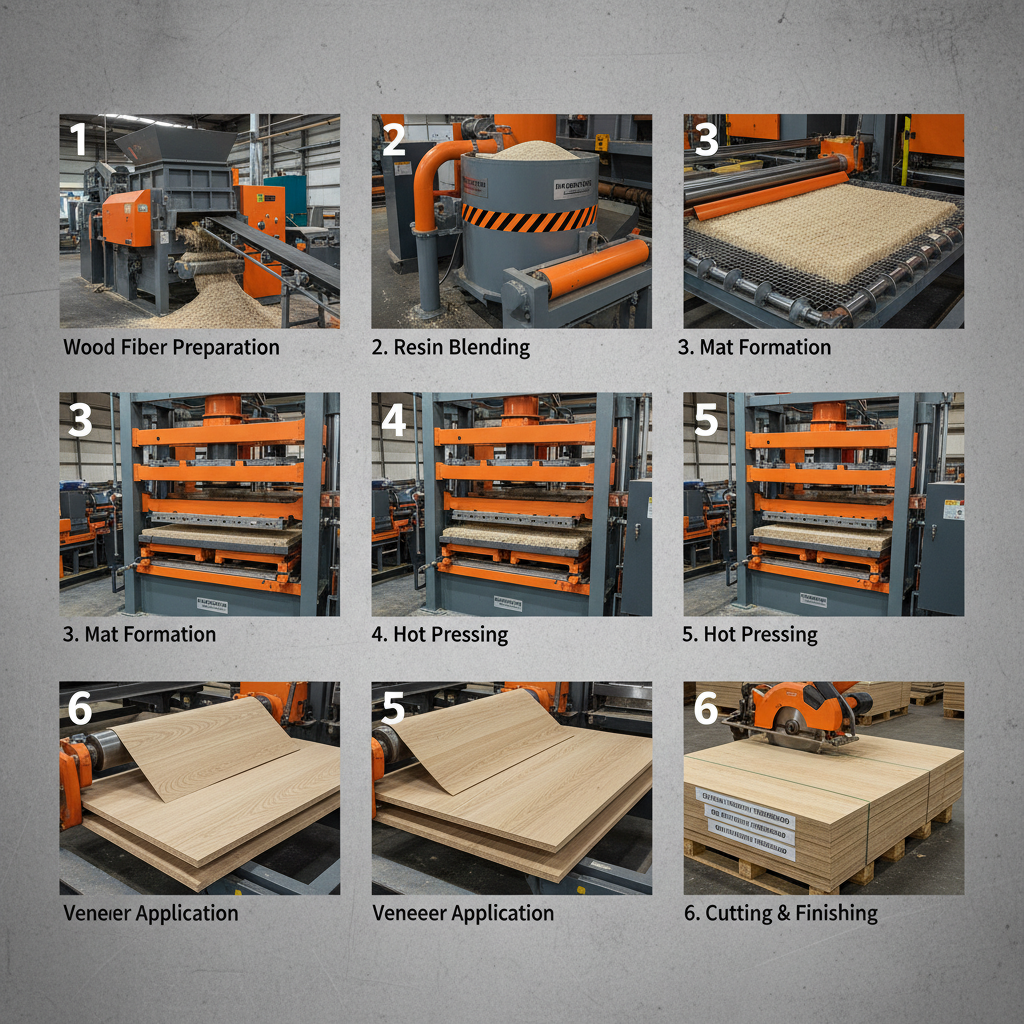
Several key factors influence the price of 1 2 inch plywood. The type of wood used is a primary driver. Hardwood plywood, like birch or maple, is generally more expensive than softwood plywood, such as pine or fir. The grade of the plywood – A, B, C, or D – also impacts the cost, with A being the highest quality and most expensive. Furthermore, market demand, transportation costs, and the overall economic climate all play a role in determining the final price. The complexity of the plywood manufacturing process, including the number of plies and the type of adhesive used, also contributes to the overall cost. Finally, regional variations in supply and demand can lead to price differences across locations.
Key Highlights: Understanding the impact of wood type, grade, market conditions, and regional factors will empower you to make informed purchasing decisions.
Different plywood types cater to varying needs and budgets. Softwood plywood, commonly used for sheathing and subflooring, is generally the most affordable option. Hardwood plywood, favored for furniture making and cabinetry, comes at a premium. Marine-grade plywood, designed to withstand harsh marine environments, is the most expensive due to its specialized construction and waterproof adhesives. The thickness also affects the price; while we're focusing on 1/2 inch, thicker sheets naturally cost more. Choosing the right type of plywood depends on the specific application and the level of durability required. Tengfei EBMDF offers a diverse range of plywood options to suit various project needs.
Plywood Type Comparison:
• Softwood Plywood (Pine/Fir): Affordable, good for general construction.
• Hardwood Plywood (Birch/Maple): Durable, ideal for furniture and cabinetry.
• Marine-Grade Plywood: Waterproof, best for marine applications.
As of late 2024, the price of 1/2 inch plywood varies depending on the type and grade. Here’s a general price range (USD):
Plywood prices can differ considerably based on location. Areas closer to lumber mills typically have lower prices due to reduced transportation costs. Demand also plays a role; regions undergoing significant construction booms tend to experience higher plywood prices. For example, prices on the West Coast of the United States might differ from those in the Midwest. Checking with local lumberyards and suppliers is essential for getting accurate pricing in your specific area. Tengfei EBMDF serves a broad customer base and can provide quotes tailored to your region.
To secure the best possible price, consider these tips: Shop around and compare quotes from multiple suppliers. Look for sales and promotions, especially during slower construction seasons. Buying in bulk can often lead to discounts. Be flexible with wood species and grades if your project allows. Consider purchasing from local lumberyards to reduce transportation costs. Don’t hesitate to negotiate—suppliers are often willing to offer a better price, especially for larger orders. Planning ahead and avoiding last-minute purchases can also help you avoid price spikes.
Understanding the factors that influence 1 2 inch plywood price is key to staying within budget and achieving successful project outcomes. By considering wood type, grade, regional variations, and current market trends, you can make informed decisions and secure the best value. Don't hesitate to reach out to reputable suppliers like Tengfei EBMDF for personalized quotes and expert advice.
For furniture construction, hardwood plywood with a B or A grade is recommended. B grade offers a good balance of quality and affordability, while A grade provides the highest quality finish and minimal defects. Avoid C or D grade plywood for furniture as it may have visible knots and imperfections that can affect the appearance and structural integrity of your project. The smoother surface of higher grades also makes it easier to apply finishes such as paint or varnish. Prioritize plywood with a smooth, consistent surface for optimal results.
Moisture content significantly impacts plywood prices. Plywood that is properly dried and has a low moisture content is more stable and less prone to warping or cracking, making it more valuable. Demand for kiln-dried plywood typically increases during wetter seasons, driving up prices. Marine-grade plywood, specifically designed for high-moisture environments, commands a premium price due to its specialized construction and waterproof adhesives. It's crucial to check the moisture content specifications before purchasing plywood, especially for outdoor or moisture-prone applications.
The main difference lies in the type of wood used. Softwood plywood is made from coniferous trees like pine and fir, making it generally lighter, more affordable, and easier to work with. It's commonly used for structural applications like sheathing and subflooring. Hardwood plywood, on the other hand, is made from deciduous trees like birch, maple, and oak, making it denser, stronger, and more durable. It's preferred for furniture, cabinetry, and other applications where aesthetics and longevity are important. The cost of hardwood plywood is typically higher than softwood plywood.
Yes, alternatives like OSB (Oriented Strand Board) and MDF (Medium-Density Fiberboard) can sometimes be used as substitutes for plywood, especially in applications where strength isn't a primary concern. OSB is generally less expensive than plywood but is more susceptible to moisture damage. MDF is smooth and stable but lacks the structural strength of plywood. Particleboard is another option, but it's even weaker and less durable than OSB and MDF. The best alternative depends on the specific requirements of your project and your budget.
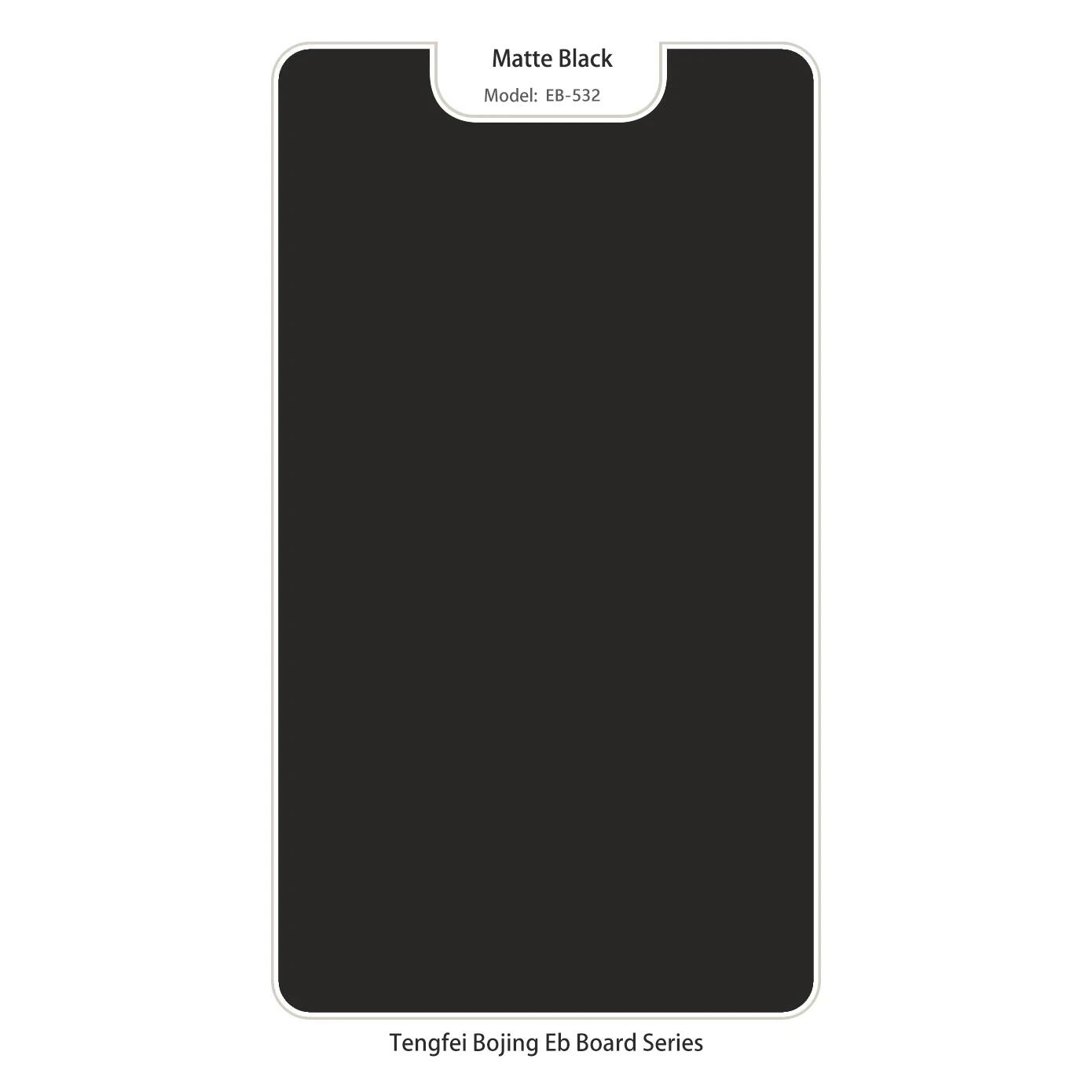
Tengfei Platinum EB Particle Panels - Matte Black
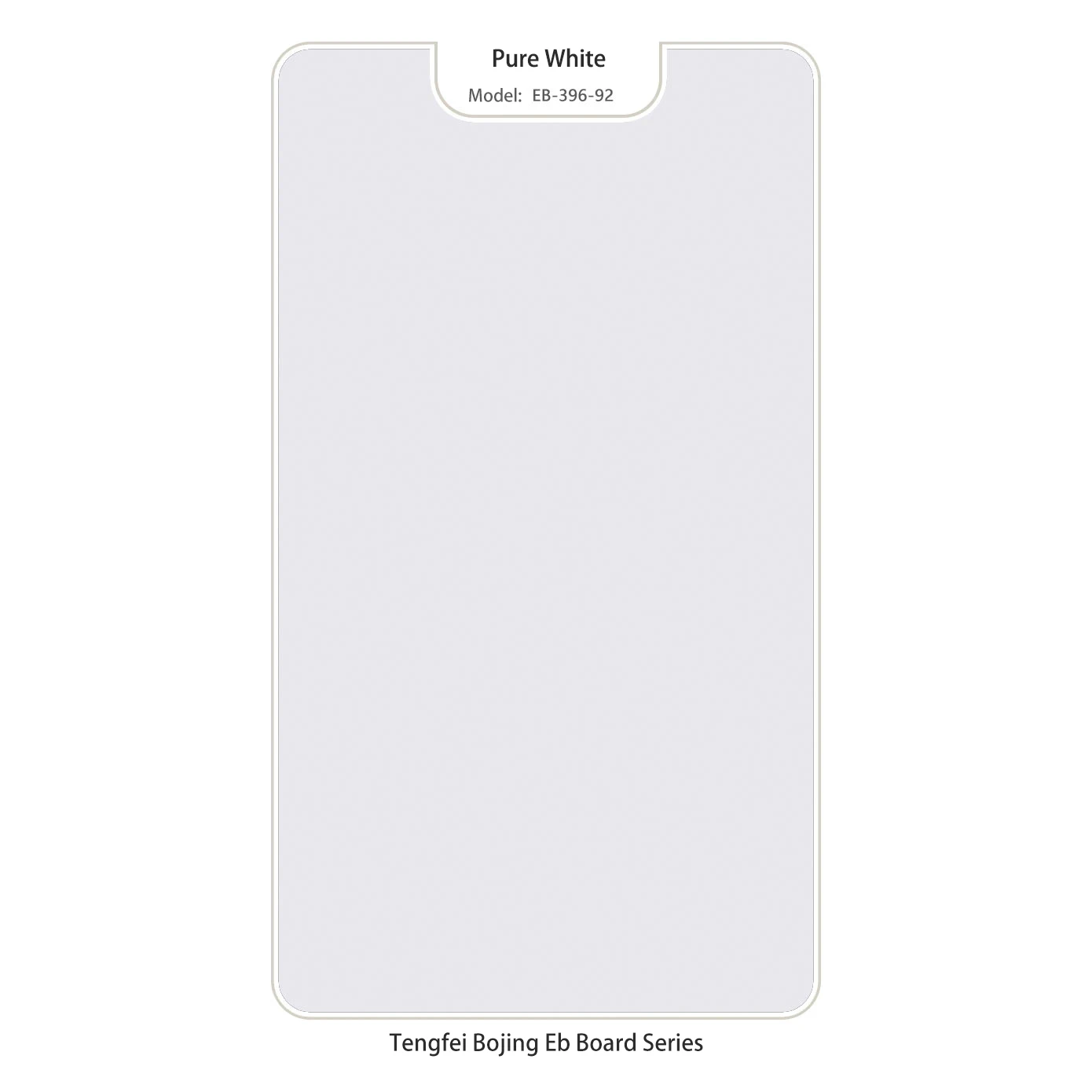
Tengfei Platinum EB Particle High-Gloss Panels - Pure white
To provide reliable solutions through quality products!