Dirección: Calle Xinxing n.° 8, Zona Norte, Zona de Desarrollo Industrial de Alta Tecnología de Zhengding, Hebei, China

CONTÁCTENOS

+8615030171059
221231instagram-fill1251 search
Ago 29 2025
share:

The choice of wood-based panels plays a critical role in the quality, durability, and appearance of furniture, cabinetry, and interior finishes. Among the most popular options are high density fiberboard (HDF) and medium density fiberboard (MDF), both engineered wood products that offer unique advantages for various applications. Understanding the key differences and design possibilities can help builders, designers, and homeowners select the ideal material for their needs. Whether you are interested in sleek furniture surfaces or textured decorative panels, exploring hdf versus mdf provides valuable insight into performance, cost, and aesthetic flexibility.


Understanding Durability and Performance in the Debate of High Density Fiberboard vs MDF


When comparing high density fiberboard vs mdf, the primary consideration is often strength and density. HDF typically boasts a denser and harder surface than MDF, which results in greater resistance to impact and moisture. This makes HDF well suited for high-traffic areas or applications requiring a tougher finish. On the other hand, MDF offers excellent machinability and a smoother surface, which lends itself well to detailed cuts and paint finishes. Both materials share engineered fiber composition but differ in pressing techniques and density ranges, which directly affect their use cases in cabinetry, flooring, and paneling projects.


Artistic Appeal and Functionality in Wood Graining Design Techniques


Modern wood interiors rely heavily on texture and finish quality, where wood graining design plays a pivotal role. This decorative approach enhances plain fiberboard surfaces by applying natural or synthetic grain patterns that mimic hardwood. These designs can be embossed or printed, adding tactile depth and a premium look without the high cost of solid wood. Whether applied on HDF or MDF substrates, wood graining allows manufacturers to create durable panels that combine visual appeal with scratch resistance. Designers frequently choose this technique to achieve a warm, natural aesthetic in commercial or residential spaces while benefiting from engineered board stability.


Practical Considerations and Cost Efficiency in Choosing Between HDF vs MDF


Cost is a decisive factor for many when selecting materials, and understanding the nuances of hdf vs mdf can influence project budgets and outcomes. MDF pricing typically tends to be more affordable due to its lower density and simpler manufacturing process. However, this cost saving may come with trade-offs in durability, especially in moisture-prone environments. HDF, while more expensive, justifies its premium price by delivering increased hardness and longevity. Moreover, maintenance and lifespan considerations often make HDF a more economical choice over time, particularly for surfaces subjected to daily wear.


Customization and Versatility with MDF Pricing in Large-Scale Projects


Large projects benefit greatly from material consistency and ease of customization, where mdf pricing becomes a key factor. MDF’s uniform composition ensures predictable machining, sanding, and finishing results, enabling precise fabrication of intricate shapes and moldings. Due to its relative affordability, MDF is often favored in volume orders, especially for painted furniture, wall panels, or decorative elements. Advances in finishing techniques also allow MDF products to closely mimic natural wood, and combining them with innovative wood graining design further elevates their market appeal. As a result, MDF remains a staple in interior design budgets where aesthetics and cost control are paramount.


What Makes High Density Fiberboard Better for Certain Applications?


HDF’s higher density and durability make it preferable for flooring substrates, door skins, and furniture surfaces that face frequent impact or moisture. Its superior hardness extends product life, reduces damage risks, and supports heavier load capacities compared to MDF.


How Does Wood Graining Design Enhance Engineered Wood Panels?


By incorporating natural-looking grain patterns and textures, wood graining design elevates plain fiberboard panels to visually striking finishes. This allows manufacturers to offer aesthetically rich yet affordable alternatives to real wood, suitable for modern design trends.


Fiberboard Choices FAQs


Q: How do hdf versus mdf compare in terms of moisture resistance?


A: HDF generally performs better in moisture resistance due to its denser composition, making it more suitable for humid or spill-prone environments compared to MDF.


Q: Is the higher cost of high density fiberboard worth it over MDF?


A: For applications requiring enhanced durability and surface hardness, HDF’s higher cost is justified by its longer lifespan and superior performance.


Q: Can wood graining design be applied effectively on both HDF and MDF?


A: Yes, wood graining design can be embossed or printed on either substrate, providing realistic wood-like finishes without compromising structural integrity.


Q: Why is MDF pricing generally lower than HDF?


A: MDF’s lower density and simpler manufacturing process reduce costs, making it an economical option for less demanding interior applications.


Q: Are there specific applications where MDF is clearly preferred over HDF?


A: MDF’s smooth surface and ease of machining make it ideal for painted furniture, decorative moldings, and detailed cabinetry where precision and finish quality are critical.

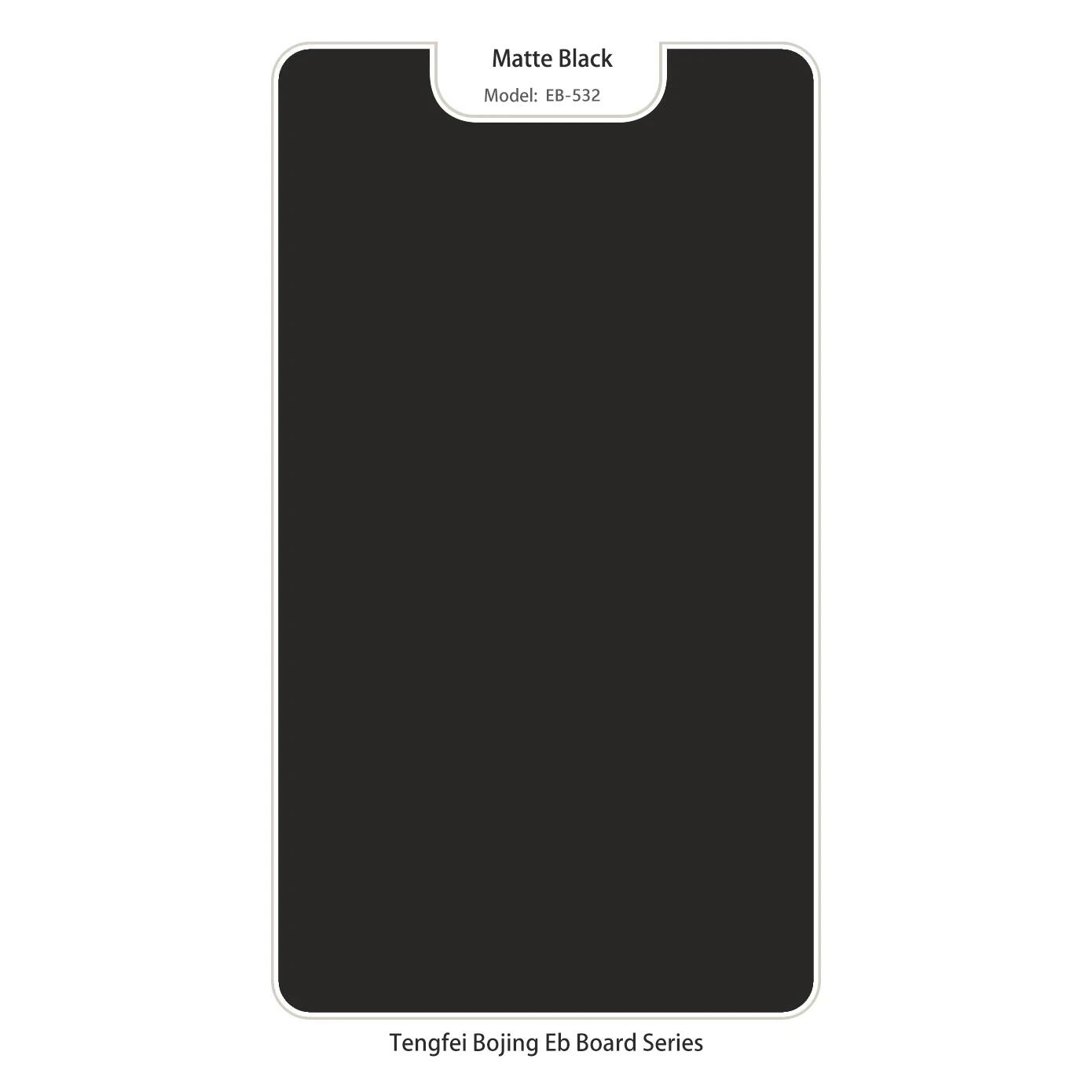
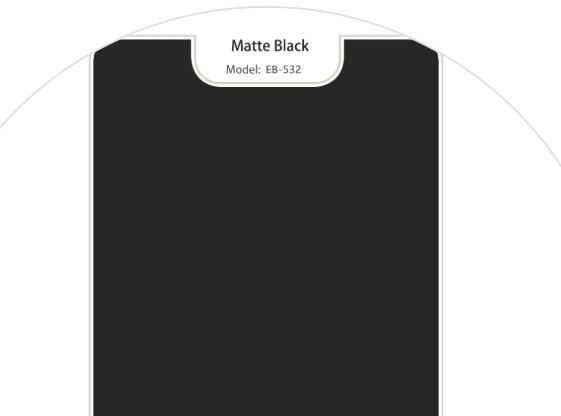
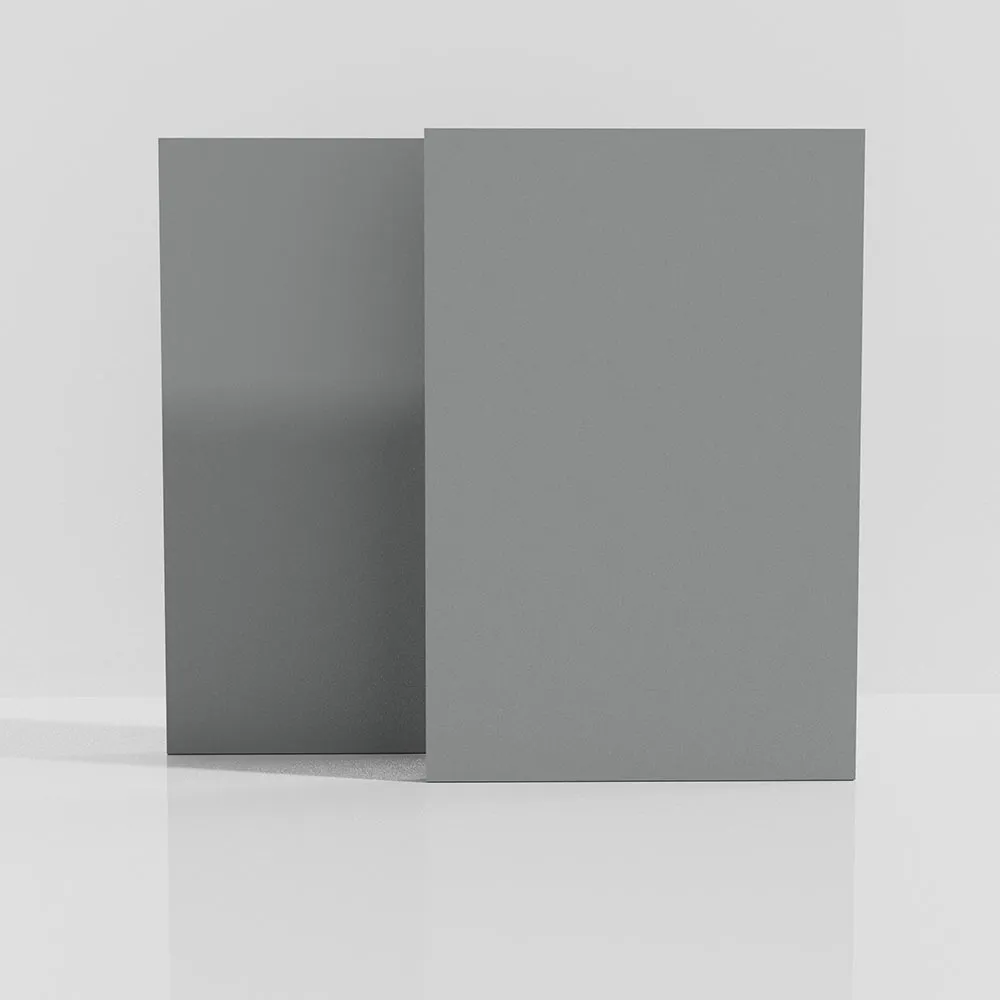
  •  Tengfei Platinum EB Particle Panels - Matte Black

     Paneles de partículas Tengfei Platinum EB - Negro mate

    Los paneles de partículas Tengfei Platinum EB emplean tecnología de curado por haz de electrones (EB) para la fabricación de muebles, mesas y sillas, paredes decorativas, suelos y puertas de paneles, ideales para espacios residenciales y de oficina. Sus características incluyen: antienvejecimiento, resistencia al amarilleo, resistencia a la corrosión, no deja marcas, fácil limpieza, resistencia a las huellas dactilares, autodisipación, antibacteriano, inodoro, color auténtico y tono preciso. El acabado negro mate complementa con elegancia la estética del diseño contemporáneo, como el minimalismo moderno, el industrial de lujo, el racionalismo italiano, el zen oriental y los estilos glamurosos y discretos, y constituye una solución cromática universal para interiores sofisticados.
    VER TODO
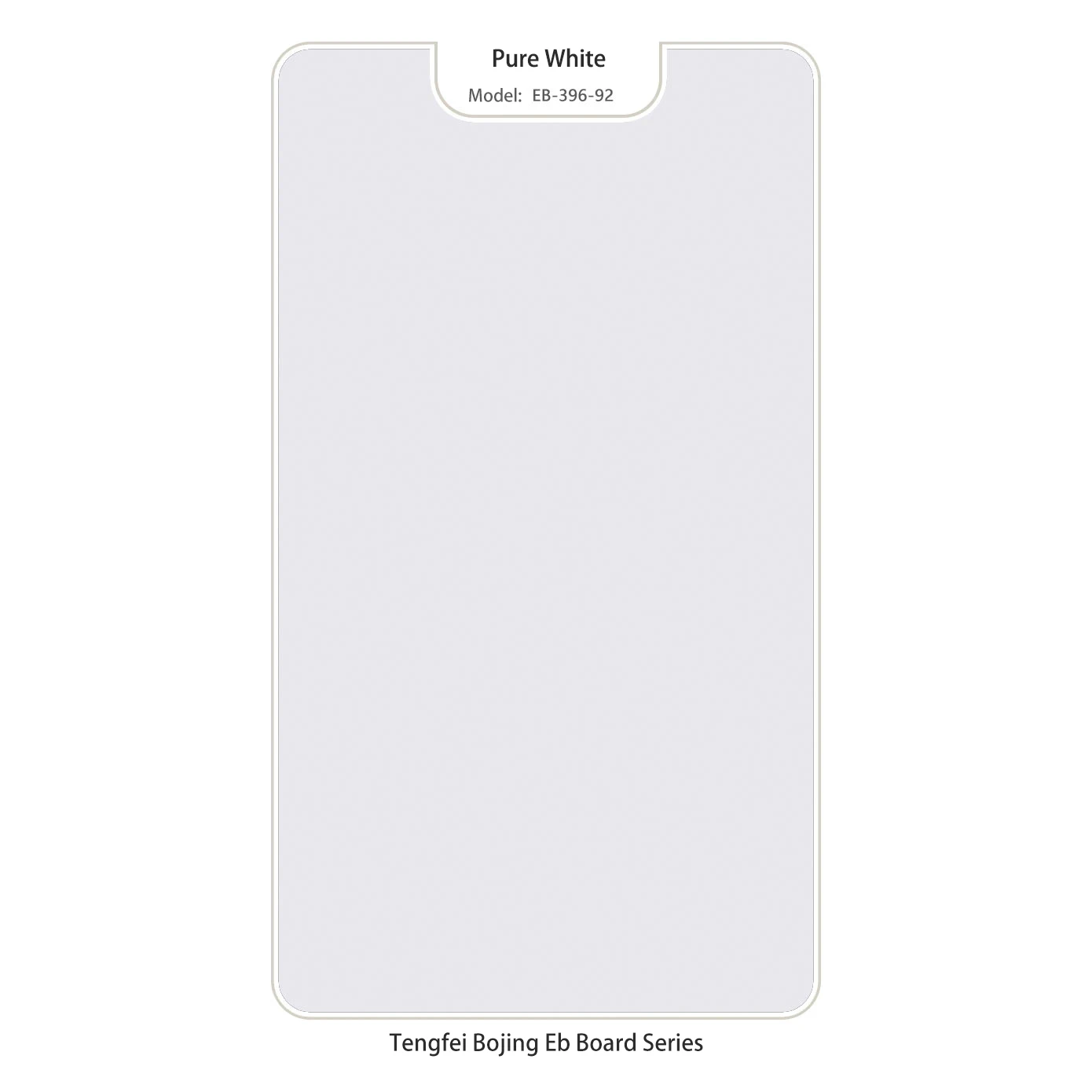
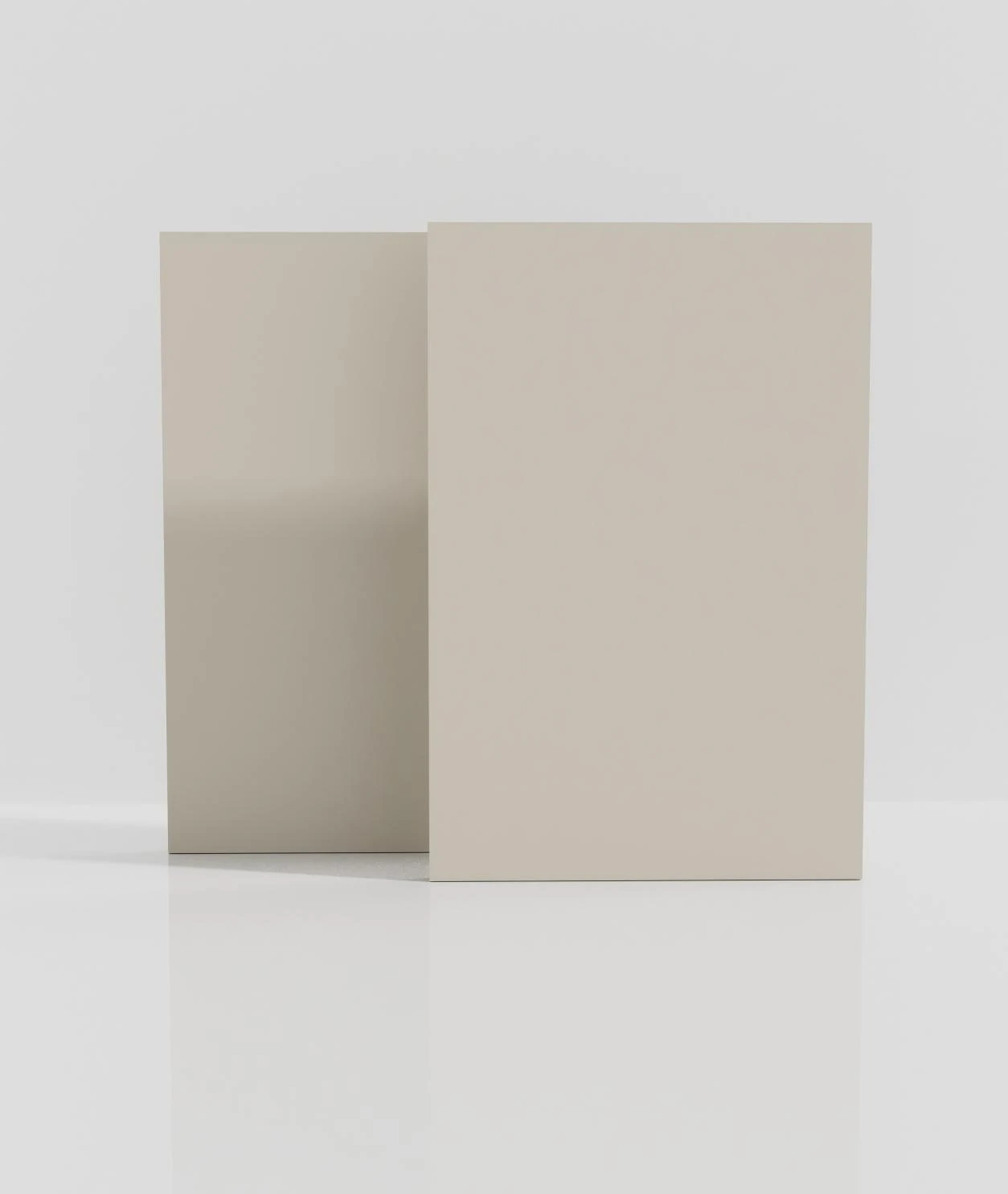
  • Tengfei Platinum EB Particle High-Gloss Panels - Pure white

    Paneles de partículas EB de alto brillo Tengfei Platinum - Blanco puro

    Los paneles de alto brillo Tengfei Bojing EB aprovechan la avanzada tecnología de curado por haz de electrones para ofrecer una reproducción de colores vibrantes y una luminosidad superficial superior. Ideales para la elaboración de gabinetes, tocadores, armarios, sistemas de almacenamiento, unidades de entretenimiento, vitrinas, encimeras e instalaciones de bar en entornos domésticos y de oficina, estos paneles redefinen la estética funcional. Diseñados con resistencia al envejecimiento, durabilidad a prueba de amarilleamiento e inmunidad a la corrosión, mantienen superficies impecables gracias a sus propiedades antimanchas y autodisipación, y su fácil mantenimiento. La superficie antibacteriana garantiza entornos higiénicos y libres de olores, mientras que la fidelidad de color real con una precisa consistencia de tono garantiza la integridad del diseño. La variante de alto brillo en blanco puro se integra a la perfección con los paradigmas de diseño del minimalismo moderno, el lujo contemporáneo y el escandinavo, ofreciendo versatilidad cromática para aplicaciones que transforman espacios.
    VER TODO
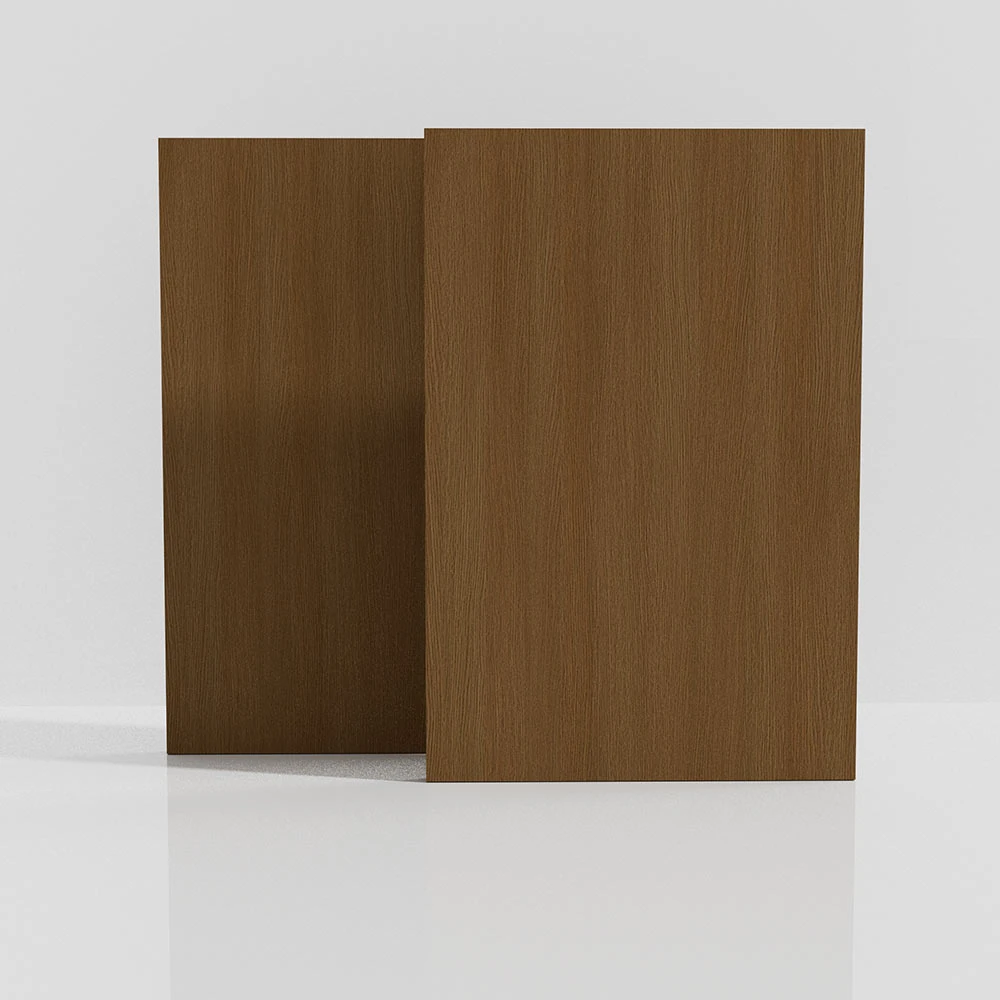
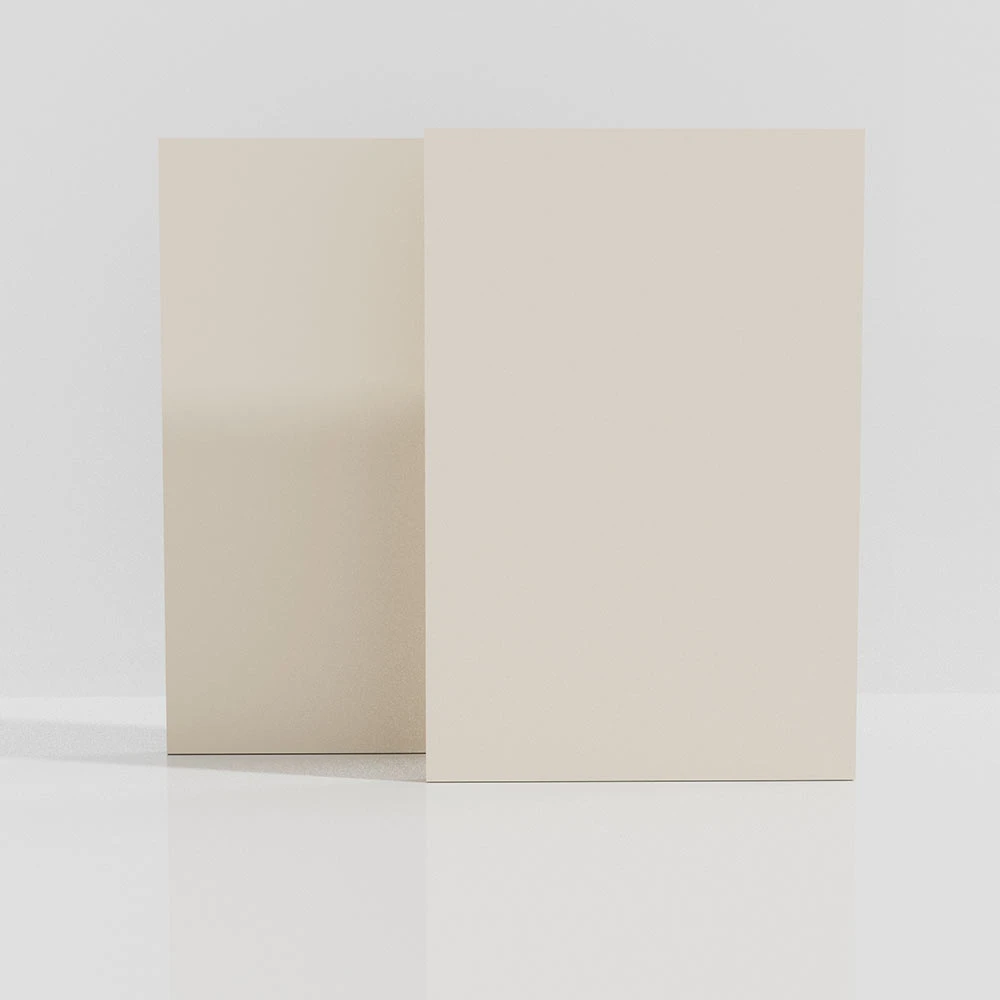
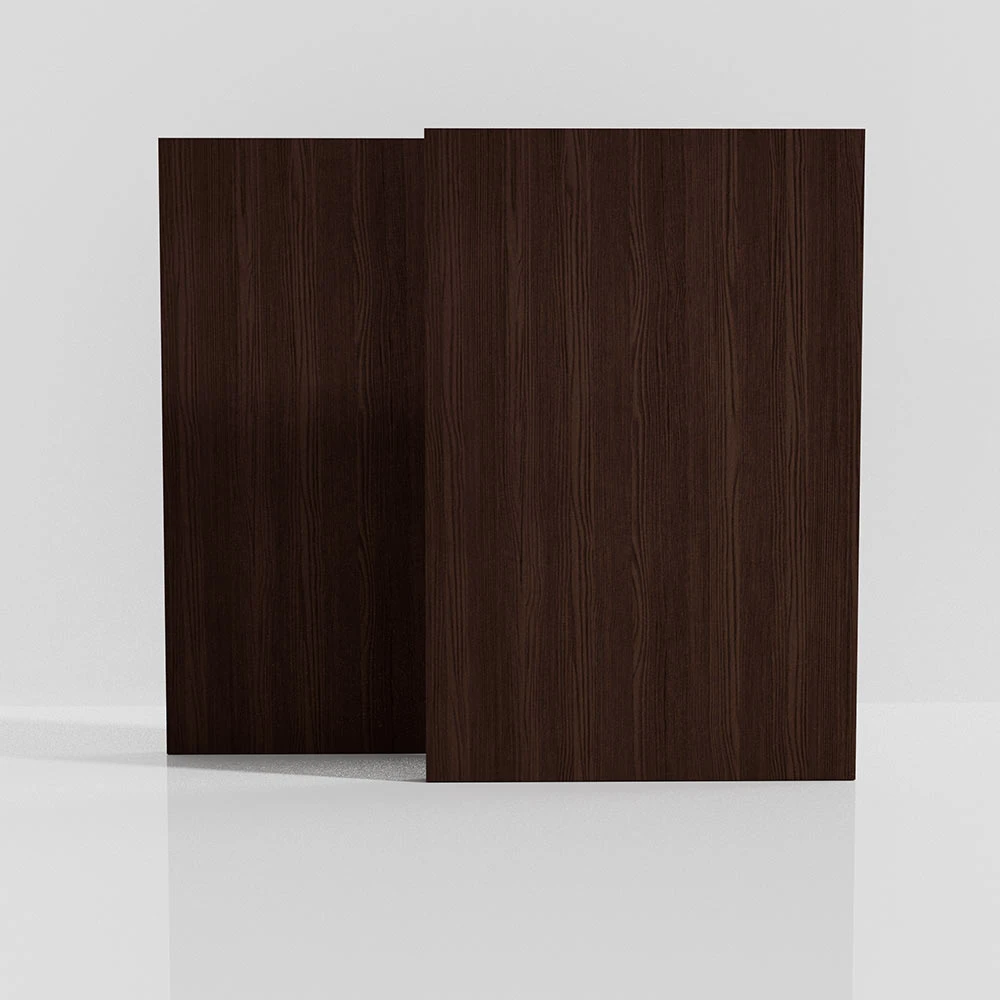
  • Primary Color Oak 102

    Color primario Roble 102

    Primary Color Oak 102 presenta un tono de roble cálido y natural que agrega elegancia atemporal y un toque de encanto orgánico a cualquier espacio.
    VER TODO
veneer factory

¡Ofrecer soluciones confiables a través de productos de calidad!

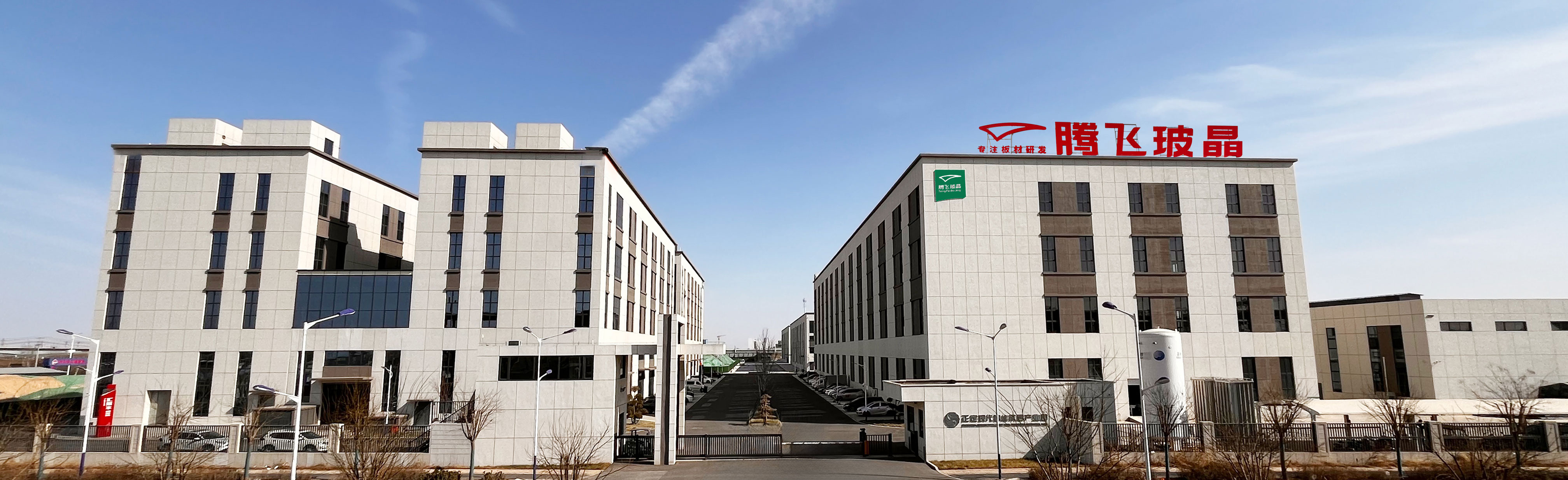
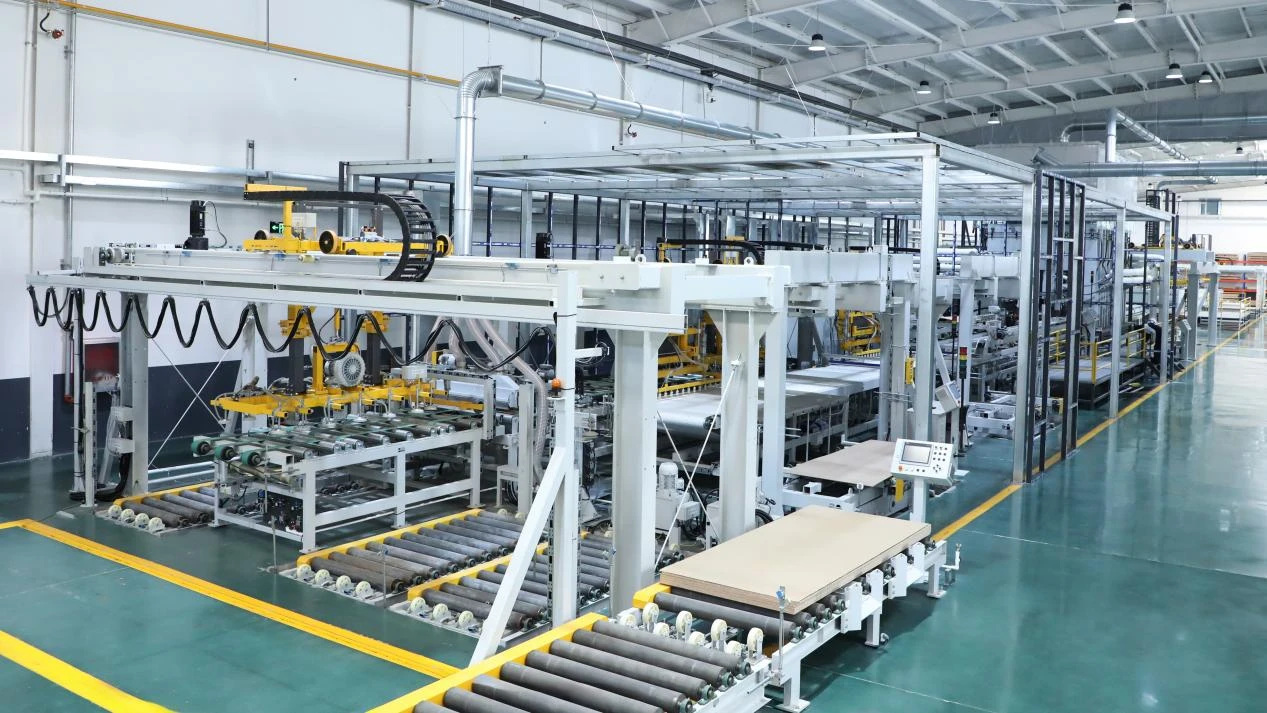
Hebei Bojing Technology Co., Ltd. se especializa en la producción de tableros MDF EB y tableros MDF enchapados, ofreciendo a sus clientes materiales de alto rendimiento para la decoración de interiores, la fabricación de muebles y aplicaciones arquitectónicas. Comprometidos con la innovación, la precisión y la satisfacción del cliente, ofrecemos productos que combinan durabilidad, estética y rentabilidad para satisfacer las diversas necesidades de los mercados globales.
Bienvenido a nuestra página de noticias para obtener la última información y tendencias sobre MDF EB y MDF enchapado.
Sat 12
2025
PU705 Polyurethane Adhesive - High Strength, Fast Cure
PU705 is a key solution in the chemical industry, specifically within polymer materials and polyuret
Sat 12
2025
MDF Finished Boards: Durable, Affordable, and Sustainable Solutions for Modern Interiors
Understanding MDF Finished Boards: Why It Matters in Today's World Let’s start with the basics
Tue 07
2025
Why Choose Wood Veneer for Your Next Project? Discover the Advantages
Wood veneer has surged in popularity for both interior design and cabinetry projects due to its unique ability to combine natural beauty with cost-efficiency and sustainability.
Sun 08
2025
Black MDF shelf board load capacity
Black MDF shelf board load capacity is a critical factor for ensuring the safety, durability, and fu
Fri 12
2025
Atalanta Walnut B – Premium Walnut Finish, Durable Style
Atalanta Walnut B is a key solution in the manufacturing industry, specifically within Wood processi
Wed 03
2026
Comprehensive Guide to 1 16 Plywood Applications and Selection
1/16 plywood, also known as 1.5mm plywood, is a versatile and lightweight wood panel widely used in various applications. From crafts and modeling to furniture components and packaging, its thin profile and affordability make it a popular choice. This article provides an in-depth look at 1/16 plywood, covering its properties, applications, benefits, and where to source high-quality sheets. We'll also delve into comparisons with other plywood thicknesses and explore how to select the right grade for your project. 1/16 plywood is a thin sheet of plywood measuring approximately 1.5 millimeters (or 1/16 of an inch) in thickness. It's typically constructed from layers of wood veneer bonded together with adhesives. The number of plies (layers) can vary, influencing its strength and flexibility. Common wood species used in 1/16 plywood include birch, poplar, and maple. The thinness of this plywood makes it incredibly easy to cut, shape, and work with, making it ideal for intricate designs and projects.
Sat 12
2025
Trusted Plywood Wholesale Suppliers - Quality & Value Guide
Discover what to expect from plywood wholesale suppliers and tips for sourcing quality bulk plywood products.
Sun 11
2025
Arctic Ash LVP Flooring | Waterproof, Scratch Resistant
Arctic Ash is a key solution in the consumer goods industry, specifically within Personal Care and H
Thu 01
2026
Comprehensive Guide to 18mm Marine Plywood Price for B2B Buyers
Explore the benefits, specifications, cost factors, and sustainable trends of 18mm marine plywood. Learn why Teng Fei is a trusted supplier for industrial-grade marine plywood.
Tue 07
2025
Revolutionize Interiors with Cutting-Edge UV Board Solutions
Modern interior design demands materials that combine aesthetics, durability, and environmental friendliness.
Mon 11
2025
PU727 PU Sealant-Adhesive – High Strength, Fast Cure
PU727 is a key solution in the chemical industry industry, specifically within polymer materials and
Wed 12
2025
Affordable and High-Quality 18 Mm Plywood Price Solutions for B2B Buyers | TengfeieB MDF
Discover the advantages of 18 mm plywood from TengfeieB MDF. Learn about pricing, technical specs, benefits, sustainability, and why it’s the smart choice for industrial buyers.
tel +8615030171059 tel icon15

Si está interesado en nuestros productos, puede optar por dejar su información aquí y nos pondremos en contacto con usted en breve.