Add: No.8 Xinxing Street, North Zone, Zhengding High-tech Industrial Development Zone, Hebei, China
CONTACT US
+8615030171059


CONTACT US
+8615030171059
Plywood 4x8, a staple in construction, DIY projects, and countless other applications, is known for its versatility and strength. This article will dive deep into the world of plywood 4x8, covering its types, applications, benefits, and important considerations when making a purchase. We'll explore how this engineered wood product offers superior performance compared to solid wood in many scenarios. Selecting the right plywood is critical for project success, and we'll help you navigate the options available.
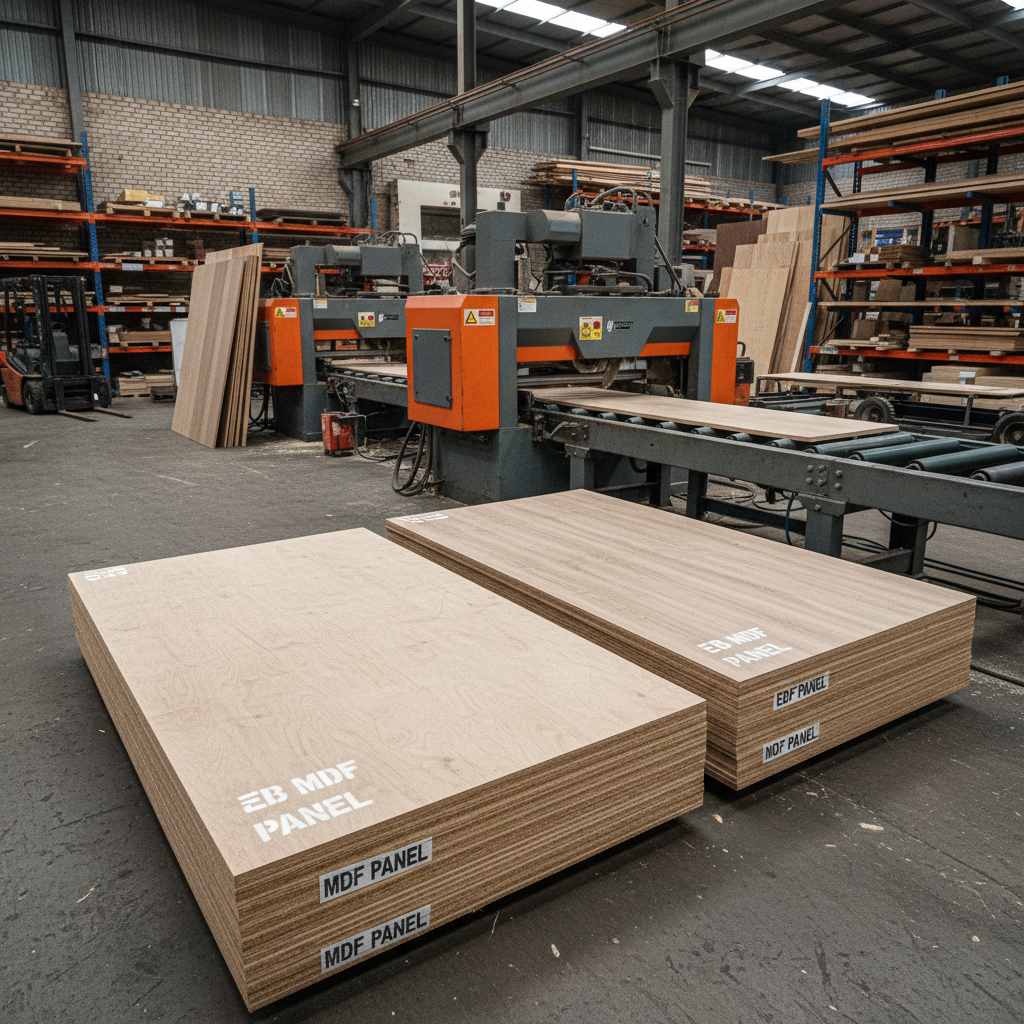
Plywood 4x8 refers to a wood panel manufactured by bonding thin layers of wood veneer together with adhesive. The '4x8' denotes the standard sheet size – 4 feet wide by 8 feet long. This construction creates a material with high strength-to-weight ratio and resistance to warping and cracking. The grain of each veneer layer is rotated 90 degrees relative to the adjacent layers, providing stability in both directions. This makes plywood ideal for structural applications where consistent performance is essential.
Key Highlights: Plywood’s cross-grained structure makes it remarkably stable and strong, resisting splitting and warping better than solid wood. Its affordability and workability make it a favorite among builders and DIY enthusiasts.
Not all plywood is created equal. Different types are suited for different applications. Here are some common varieties:
Plywood Grade Classifications:
• A-grade: Highest quality, with a smooth, clear surface.
• B-grade: May have some minor imperfections, but still good quality.
• C-grade: Has more imperfections, suitable for structural applications where appearance isn’t critical.
• D-grade: Lowest quality, with significant imperfections.
The uses for plywood 4x8 are remarkably diverse. In construction, it's used for sheathing walls and roofs, subflooring, and concrete formwork. Furniture makers rely on plywood for creating strong and stable frames. DIY enthusiasts employ it in countless projects, from shelving and cabinets to toys and art installations. Its ability to be easily cut, drilled, and finished makes it a truly versatile material. The strength and affordability of this plywood type is why it remains a popular choice across industries.
While solid wood offers a classic aesthetic, plywood often provides superior performance in many situations. Plywood is less prone to warping, cracking, and splitting due to its cross-grained construction. It's also more dimensionally stable, meaning it's less likely to move with changes in humidity. Furthermore, plywood is typically more affordable than solid wood, especially for larger projects. However, solid wood may be preferred for applications where a specific grain pattern is desired or where exceptional durability is required.
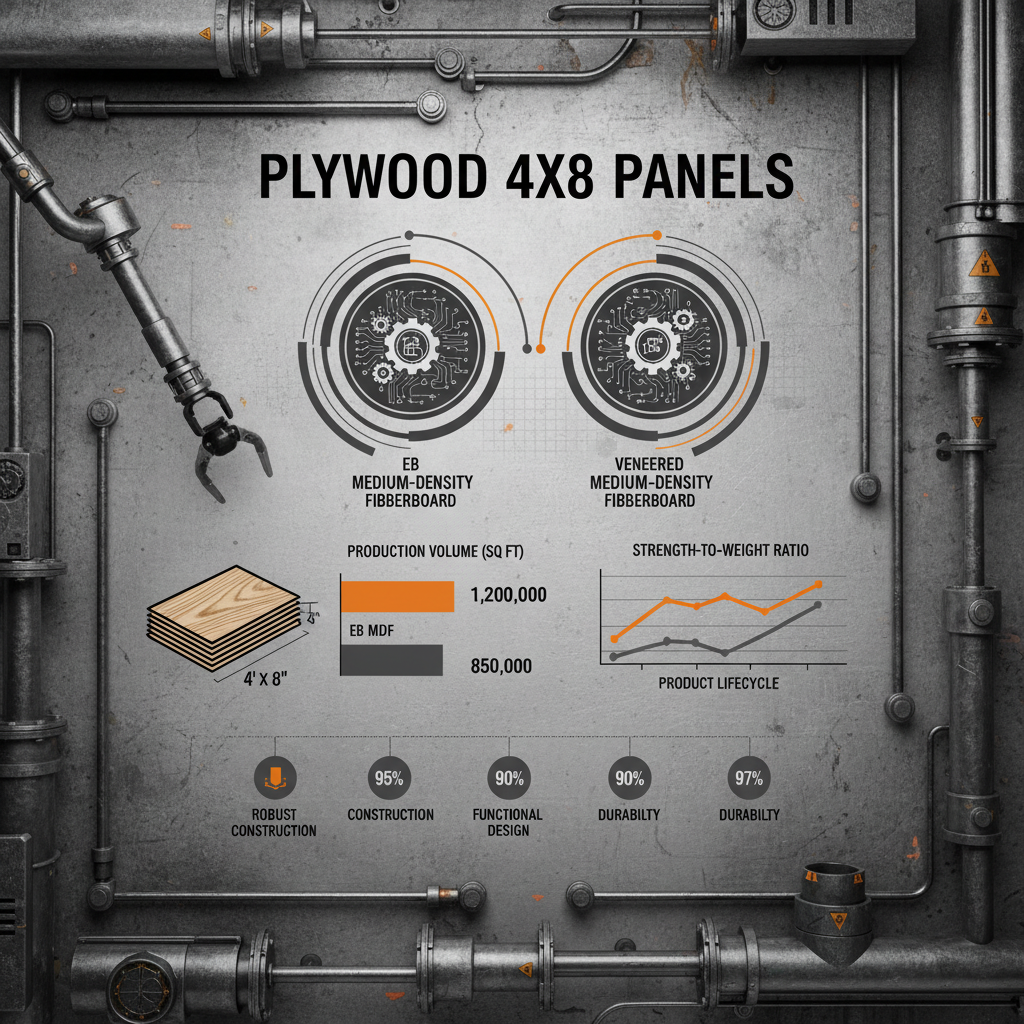
Selecting the right plywood requires careful consideration of your project's specific needs. Determine whether you need interior or exterior grade, and choose the appropriate wood species and grade. Consider the thickness of the plywood – thicker sheets provide greater strength and stability. Always source your plywood from a reputable supplier like Tengfei EBMDF to ensure you receive high-quality materials.
Plywood 4x8 is an indispensable material for a wide range of applications, offering a compelling combination of strength, versatility, and affordability. By understanding the different types, grades, and applications, you can make informed decisions and ensure the success of your projects. Consider Tengfei EBMDF for your plywood needs, and benefit from quality products and expert guidance.
For subflooring applications, a common thickness is ¾ inch (19mm). However, local building codes may specify different requirements, so it's crucial to check with your local authorities. The thickness should be sufficient to support the expected load and provide a stable base for the finished flooring. Using a thicker plywood can provide increased rigidity and reduce the likelihood of deflection or squeaking.
Proper storage is vital to prevent warping. Store plywood in a dry, well-ventilated area, protected from direct sunlight and rain. Stack sheets flat on a level surface, with stickers (small pieces of wood) placed between each sheet to allow for air circulation. Avoid stacking plywood directly on the ground, as this can expose it to moisture. The stickers should be positioned every 2-3 feet to maintain proper airflow.
Yes, plywood can be painted or stained, but proper preparation is crucial. Sand the surface to create a smooth finish and remove any imperfections. Use a primer to seal the wood and prevent the paint or stain from being absorbed unevenly. Depending on the type of plywood, you may need to use a wood filler to fill any voids or knots. Choose a paint or stain that is compatible with the type of plywood you are using.
Look for plywood certified by the Forest Stewardship Council (FSC), which indicates that the wood comes from responsibly managed forests. Also, consider plywood that uses low-VOC (volatile organic compounds) adhesives to minimize indoor air pollution. Choosing sustainable plywood options helps reduce your environmental impact and support responsible forestry practices.
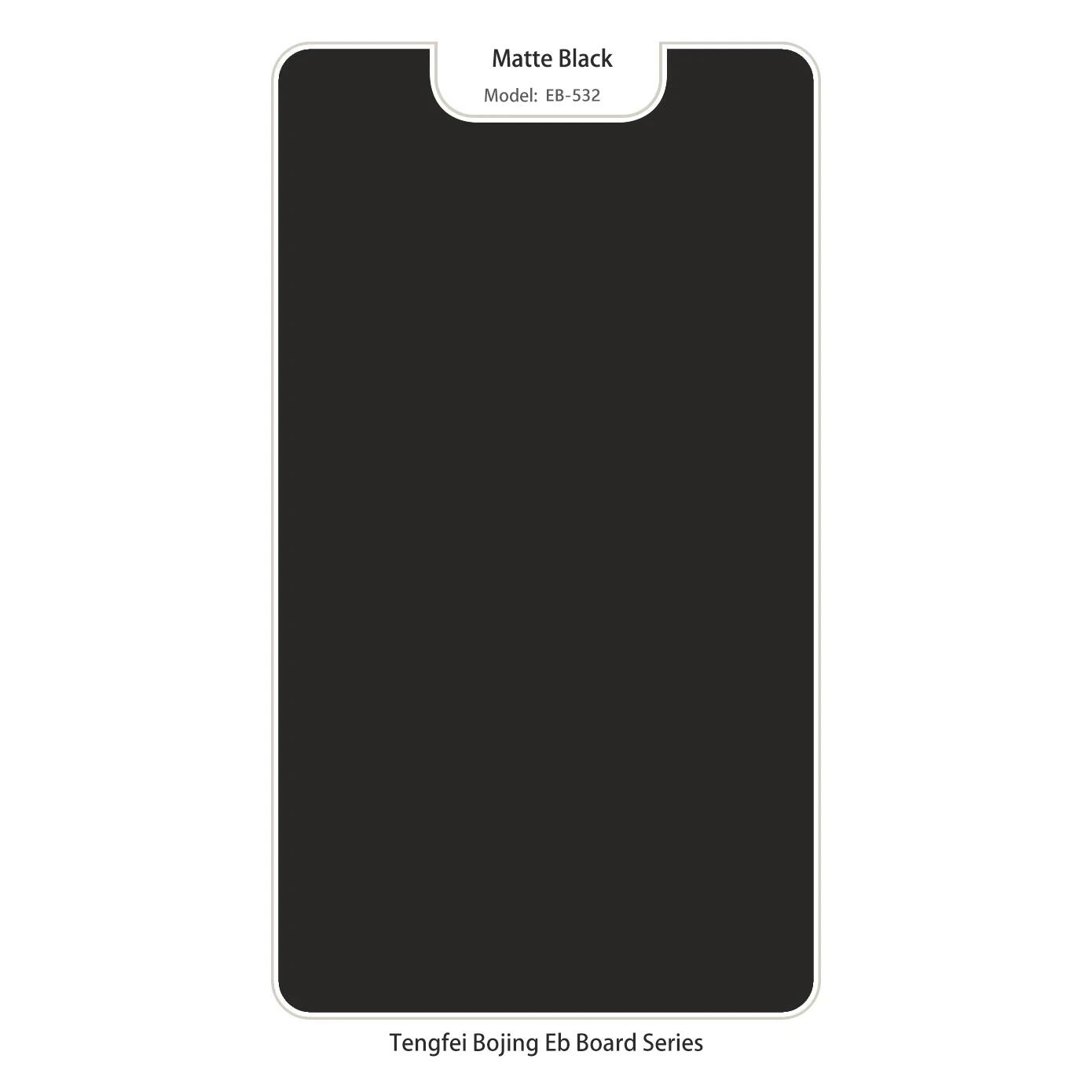
Tengfei Platinum EB Particle Panels - Matte Black
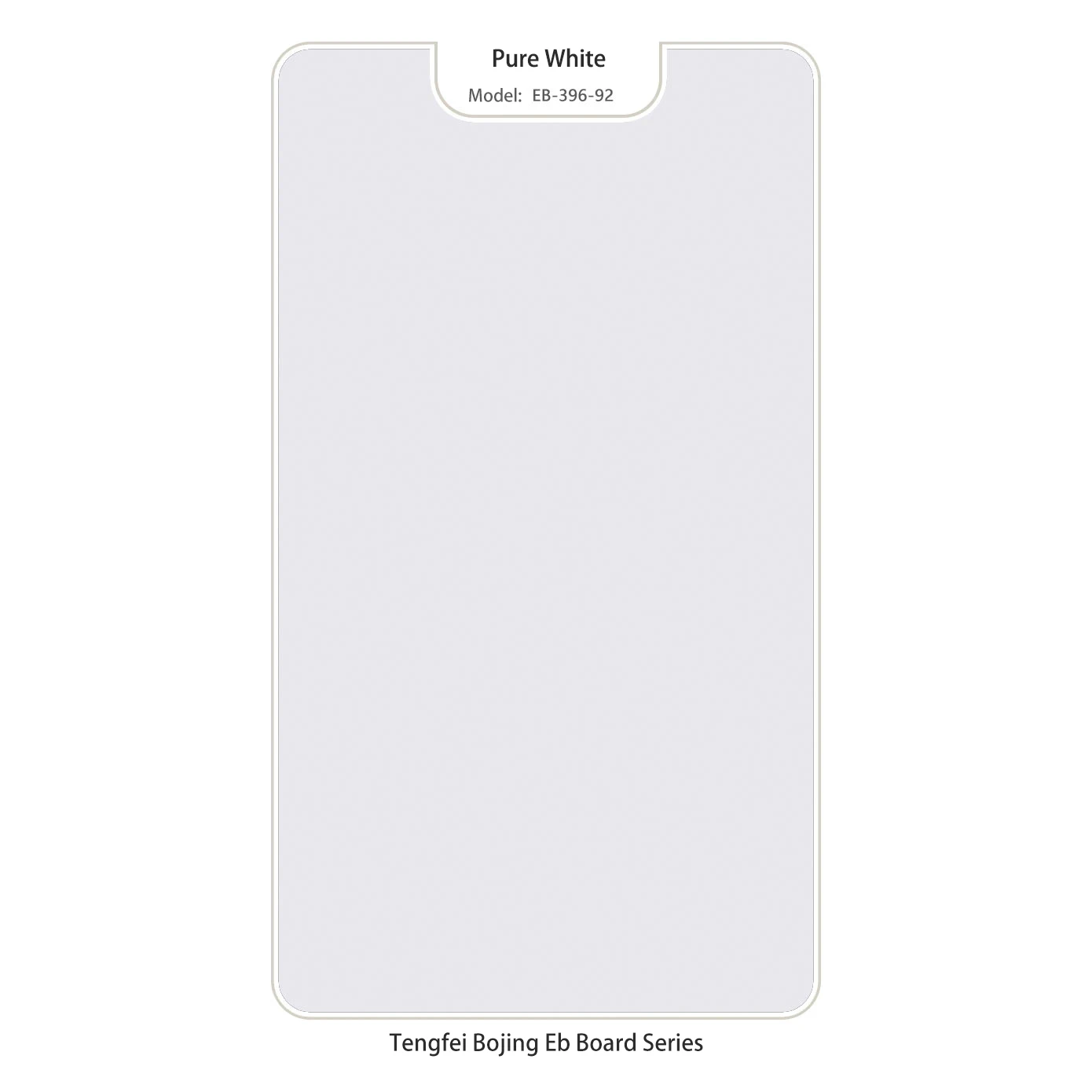
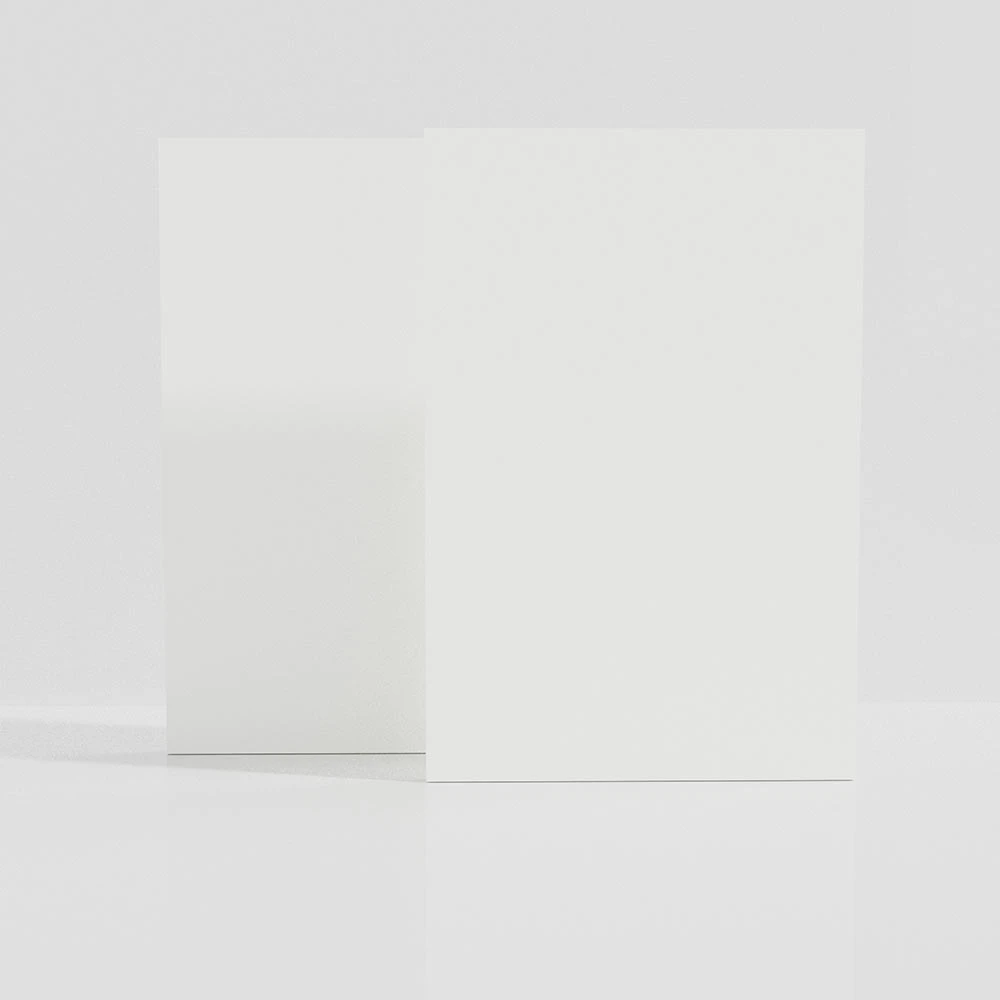
Tengfei Platinum EB Particle High-Gloss Panels - Pure white
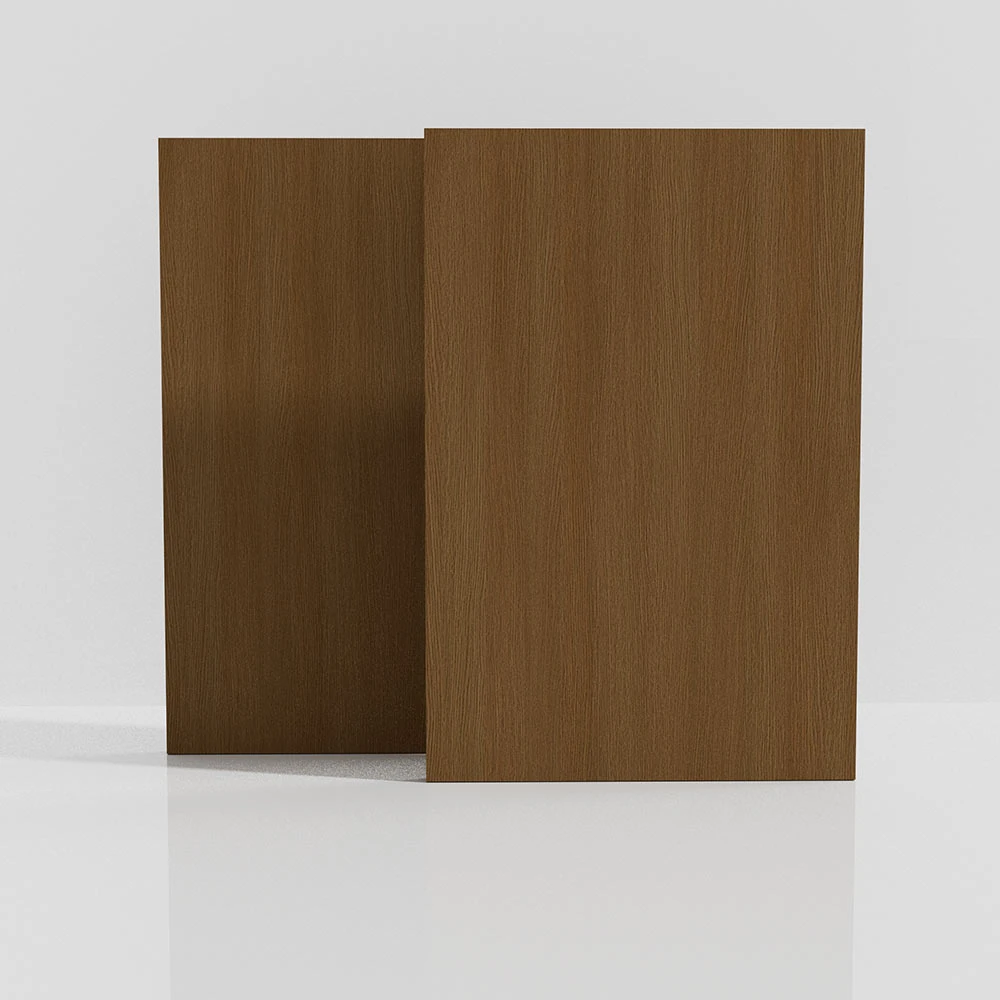

To provide reliable solutions through quality products!