How to Choose the Right Thickness for Oak Veneer MDF Sheets
Choosing the right thickness for oak veneer MDF sheets starts with the design of the finished component. A panel used for a cabinet door may have different structural requirements from a shelf, drawer front or decorative wall element. Buyers should therefore select thickness according to the application, support arrangement and assembly method rather than choosing a size based on appearance alone.
For cabinet doors and furniture fronts, thickness must work with the frame or carcass design, hinge system and desired finished dimensions. Shelving requires additional consideration of the unsupported span, expected load and support spacing. A panel that is suitable for a short shelf may not perform the same way over a longer span. The appropriate construction and thickness should be confirmed for the intended load and service conditions.
Decorative panels may be selected according to their fixing method, surrounding structure and visual requirements. If the panel will fit into a groove or frame, the actual measured thickness and allowable tolerance are important. Buyers should also account for any additional finishing layers that could affect the final dimensions.
When requesting oak veneer MDF sheets, specify the required length, width, thickness and thickness tolerance. Confirm whether the supplier offers the requested dimensions as standard stock or whether they require a special order. Actual availability varies by product range and should be checked before planning production.
It is also useful to consider how sheet dimensions relate to the sizes of the finished parts. A suitable combination can simplify workshop planning and reduce unnecessary offcuts.
Tengfei can help buyers clarify available sheet specifications for woodworking and furniture applications. Providing a drawing or a list of component dimensions makes it easier to assess the required material before placing a bulk order.
How to Plan Cutting Layouts for Oak Veneer MDF Sheets
An effective cutting layout helps furniture manufacturers use oak veneer MDF sheets more efficiently while maintaining the intended appearance of the finished components. Before cutting begins, the workshop should consider part dimensions, veneer grain direction, saw kerf, edge allowances and the number of pieces required for each production batch.
Start by preparing a complete cutting list. Record the finished length and width of every component, along with the required quantity and any additional allowance needed for trimming or edge finishing. The dimensions of the original sheet must be checked against the actual supplier specification rather than a nominal size alone.
Grain direction can influence the layout. Cabinet fronts, desk panels and other prominent components may need the oak grain to run in a consistent direction. If adjacent parts are expected to create a coordinated visual pattern, their placement should be planned before cutting. This may limit the number of parts that can be obtained from a sheet, but it can help maintain the design intent.
Saw kerf and trimming allowances also affect material yield. The cutting plan should leave sufficient space between parts and account for any edge defects or areas that cannot be used. For natural veneer, the buyer should avoid assuming that every section of a sheet will be equally suitable for a highly visible component.
For larger orders, nesting software or a carefully prepared cutting diagram can help compare alternative layouts. A trial layout is especially useful when a product contains many different component sizes.
Tengfei oak veneer MDF sheets can be evaluated against the dimensions and appearance requirements of a specific production run. Providing a cutting list before ordering helps buyers estimate material needs and plan manufacturing more accurately.
How to Finish Oak Veneer MDF Sheets Before Installation
The finishing process for oak veneer MDF sheets depends on whether the panels arrive unfinished, pre-sanded or supplied with an existing coating. Confirming the surface condition before processing helps manufacturers select a suitable finishing system and avoid unnecessary workshop operations.
For unfinished veneer, begin by inspecting the surface for dust, handling marks and any defects that could affect the final appearance. Light sanding may be appropriate when permitted by the veneer thickness and supplier instructions, but aggressive sanding can damage a thin veneer layer. Use suitable tools and techniques for the actual panel construction.
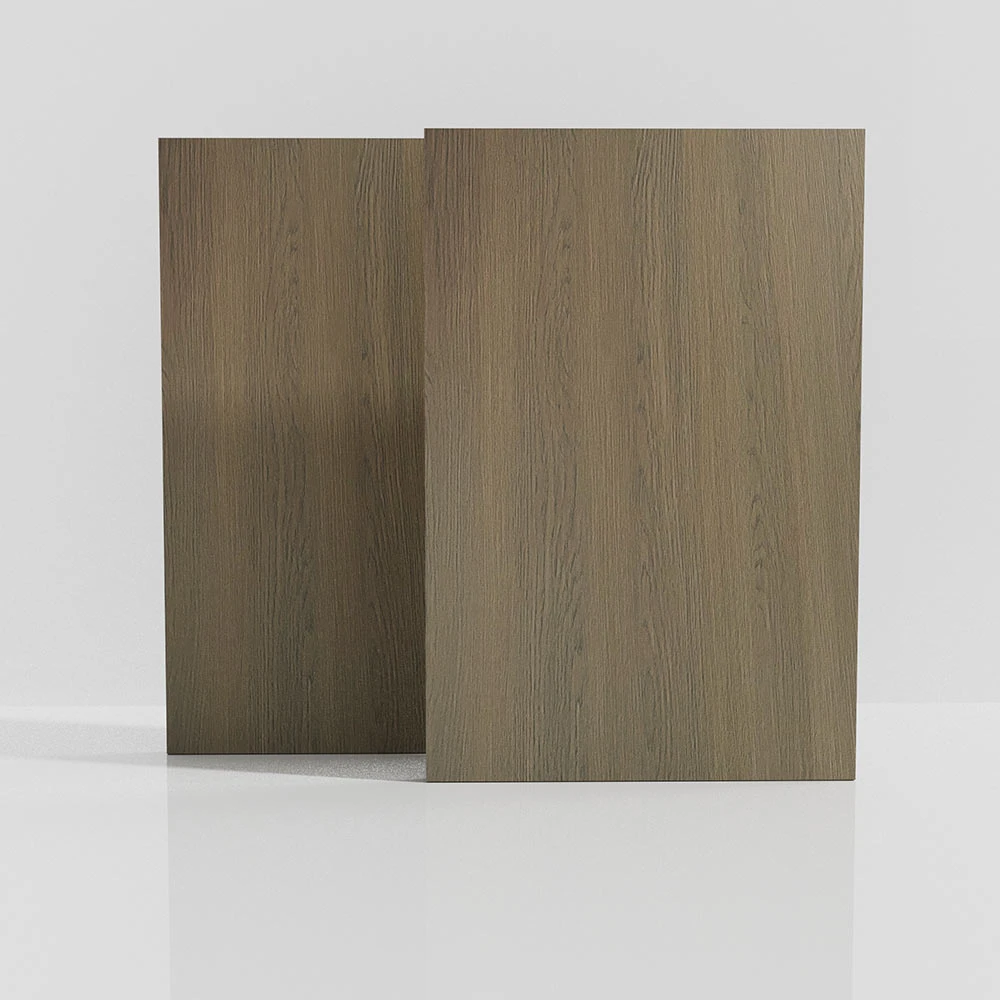
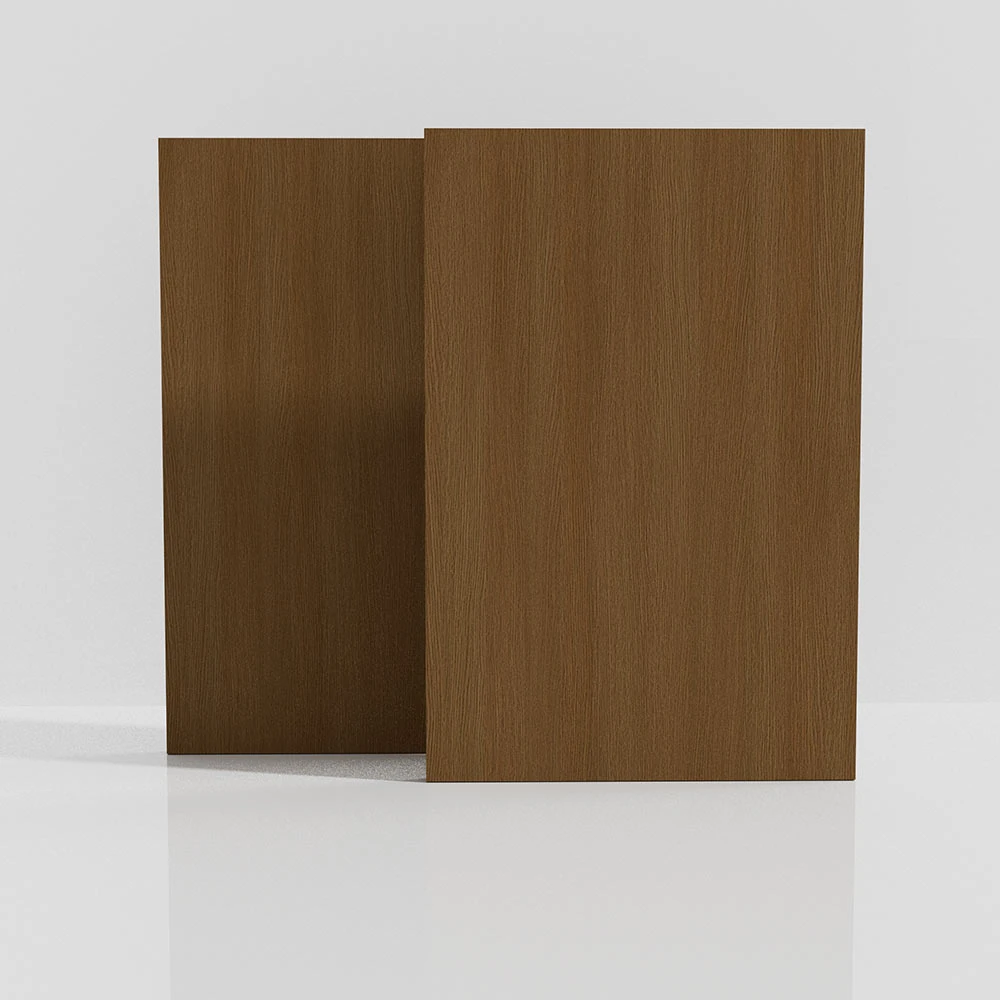
The choice of coating affects the appearance of the oak. Clear finishes may help retain a natural wood look, while tinted coatings can alter the color and emphasize or reduce the contrast in the grain. Different varnishes, lacquers and wood oils can produce different levels of sheen and surface protection. Compatibility with the veneer, adhesive system and intended service environment should be checked before selecting a product.
Always conduct a small finishing trial before treating a full production batch. Apply the proposed system to a representative sample and allow it to dry or cure according to the manufacturer's instructions. Evaluate the resulting color, grain appearance, sheen and surface quality under suitable lighting.
Edge treatment should also be included in the finishing plan. Cut edges may require separate preparation, edge banding or sealing, depending on the final design and the product's construction. If both faces will be visible, confirm whether they require the same treatment.
Tengfei buyers should confirm whether their oak veneer MDF sheets are supplied raw or prefinished before planning the finishing process. A clear understanding of the delivered surface condition helps prevent duplicated work and supports more consistent production results.
How to Store and Handle Oak Veneer MDF Sheets Before Processing
Proper storage and handling help protect oak veneer MDF sheets between delivery and production. Although the MDF substrate provides an engineered panel structure, the veneer surface and panel edges can still be damaged by impact, abrasion, moisture or unsuitable storage conditions.
Upon delivery, inspect the packaging and visible panel surfaces for signs of transport damage. Check the quantity and product identification against the purchase documents, and report any discrepancies promptly. If the shipment contains several panel specifications, keep the different materials clearly identified to avoid mix-ups during production.
Store sheets on a flat, adequately supported surface to help prevent uneven support and unwanted bending. Follow the supplier's stacking and storage instructions, and avoid placing panels where they may be exposed to standing water, leaks or excessive humidity. Sudden environmental changes can affect wood-based panels, so storage conditions should be appropriate for the product and the intended processing environment.
Protect the veneer faces from dust, scratches and contact with hard objects. During movement, use handling equipment suitable for the panel size and weight. Avoid dragging panels across one another, as this can damage the surface or edges. Protective separators may be useful when stacking finished faces together, provided they are clean and appropriate for the material.
Before machining, allow the panels to acclimatize according to the supplier's recommendations and the conditions of the workshop. Inspect the sheets again before cutting, especially if they have been stored for an extended period or exposed to changing environmental conditions.
For furniture factories and material distributors, consistent storage procedures can reduce avoidable damage and improve material control. Tengfei buyers should request product-specific handling guidance when confirming an order, particularly for large shipments or projects with strict appearance requirements.
What Information Should You Provide When Ordering Oak Veneer MDF Sheets?
Providing complete specifications when ordering oak veneer MDF sheets helps suppliers understand the intended application and prepare a more accurate quotation. For furniture manufacturers, woodworking factories and material distributors, clear purchasing information also reduces the risk of receiving panels that do not match the planned production process.
Begin with the basic dimensions. State the required sheet length, width, thickness and any applicable tolerances. If the panels must be cut to size, provide a drawing or cutting list and identify any parts with special dimensional requirements. Confirm whether the requested dimensions are available from the supplier's existing range.
Next, define the veneer requirements. Specify the preferred oak appearance, visible-face quality, grain direction and any requirements for matching adjacent panels. If natural variation needs to be controlled, describe the acceptable appearance using an approved reference sample and written criteria. Also clarify whether one or both faces will be visible and what backing construction is required.
The surface condition should be stated clearly. Indicate whether you need unfinished veneer, sanded panels or a specified prefinished surface. If the finished parts require edge banding or other treatments, explain those requirements so they can be considered during material selection.
Order quantity, delivery destination, packaging requirements and target delivery date are also important. For repeat purchases, ask how the approved specifications can be referenced in subsequent orders. If the project requires particular test reports or compliance documents, identify them before quotation and confirm their availability for the exact product.
Tengfei encourages buyers to share their technical requirements as early as possible. A concise specification sheet containing dimensions, veneer appearance, backing, finish, quantity and destination gives both parties a clearer basis for confirming product suitability, pricing and delivery arrangements.