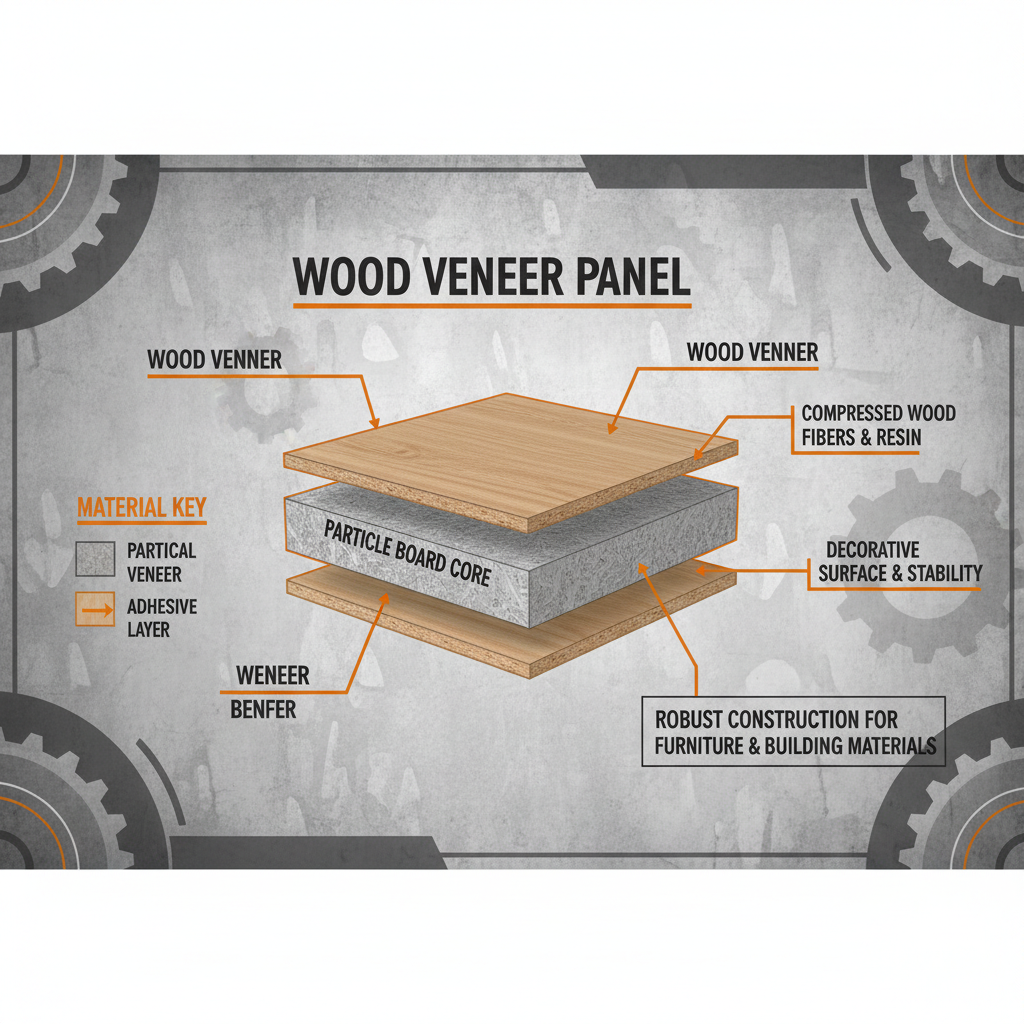

When sourcing high-density materials for commercial furniture, understanding the 20 mm mdf board price requires looking beyond the raw material cost. For B2B buyers, the value of a panel is determined by the intersection of substrate stability, surface treatment, and environmental certifications. Whether designing office workstations or high-end cabinetry, the choice of board thickness and material affects both the structural integrity and the final project budget.
In the current industrial landscape, the shift toward sustainable, low-emission panels has introduced new variables into pricing. Traditional thermal curing is being replaced by advanced methods like Electron Beam (EB) curing, which eliminates volatile organic compounds (VOCs) and enhances surface hardness. This transition means that a simple comparison of quotations can be misleading if the technical specifications—such as the difference between MDF and high-grade particle board—are not clearly aligned.
This guide provides a comprehensive framework for procurement professionals to analyze cost drivers and quality metrics. By examining the relationship between material density, surface resilience, and manufacturing precision, readers will learn how to specify boards that balance aesthetic requirements with long-term operational durability. We will explore the specific advantages of EB technology and how to evaluate suppliers based on their actual production capabilities.
Evaluating Value in Thick Decorative Panels
For professional contractors and furniture manufacturers, the "price" of a decorative board is actually a reflection of its total lifecycle value. A 20mm thick panel is typically chosen for its load-bearing capacity and suitability for heavy-duty routing. However, the core material—whether it is 20 mm mdf board price oriented or based on a particle core—dictates the machining tolerances and the strength of the fasteners used during assembly. In high-traffic commercial environments, a board that is marginally cheaper but lacks surface hardness will lead to higher replacement costs due to scratches and wear.
The industrial shift toward "intelligent manufacturing" has also standardized the precision of these panels. Companies investing in automated lines, such as Wemhöner systems, can guarantee millimeter-level consistency across thousands of sheets. This reduces waste during the cutting process (nesting efficiency), which effectively lowers the real cost per unit for the manufacturer. When evaluating a quote, it is essential to ask whether the supplier uses laser-aligned heavy presses and automated curing to ensure that the board's thickness and surface quality are uniform across the entire batch.
B2B Procurement Guide for Premium Boards
Procuring decorative panels at scale requires a rigorous technical audit. The following analysis breaks down the primary factors that influence the cost and performance of high-end boards, specifically focusing on those intended for modern interior design where a matte or soft-touch finish is required.
Substrate Influence on Cost
The core material is the primary driver of structural performance. While MDF provides a smooth, homogenous surface ideal for intricate routing, high-grade particle boards often offer better stability for larger shelving units. The cost variation depends on the resin quality and the pressing density. Hebei Bojing Technology utilizes high-precision heavy presses to ensure that their particle board substrates maintain consistent density, preventing warping in humid environments.
| Substrate Type | Structural Priority | Typical Application | Evaluation Metric |
|---|---|---|---|
| Standard MDF | Edge Detail | Routed Panels | Density Uniformity |
| Premium Particle Board | Stability | Large Cabinetry | Internal Bonding |
| EB-Cured Particle Board | Surface Hardness | Commercial Desks | Curing Uniformity |
| High-Density Fiberboard | Load Bearing | Heavy Shelving | Moisture Resistance |
| Eco-Grade Core | Air Quality | Medical Spaces | Formaldehyde Level |
| Custom Thickness | Specialized Fit | Architectural Accents | Tolerance Deviation |
Surface Technology and Durability
Surface treatment is where the most significant price disparities occur. Traditional coatings rely on heat, which can cause substrate shrinkage. In contrast, Electron Beam (EB) curing uses high-energy electron accelerators to trigger instant polymerization. This creates a three-dimensional interlocked network that is significantly more resistant to scratches, fingerprints, and corrosion. For B2B buyers, specifying EB-cured surfaces ensures that the final product maintains its aesthetic integrity in high-use areas like reception counters or retail displays.
Dimensional Precision Standards
In large-scale furniture production, a deviation of even 0.5mm in thickness can lead to gaps in edge banding or misalignment of hardware. Procurement teams should verify the supplier's equipment. The use of quad-platen laser-aligned presses ensures that the 18mm or 20mm nominal thickness is maintained with extreme precision. This reduces the labor costs associated with sanding and adjusting components during the assembly phase.
Environmental Compliance Costs
Compliance with standards like ENF or F4-Star is no longer optional for projects in pediatric or medical environments. Achieving "food-grade" safety by eliminating photoinitiators and VOCs requires specialized production environments. While these certified boards may carry a premium, they mitigate the risk of project rejection during air quality audits and ensure the health safety of the end-user, which is a critical requirement for LEED-compliant designs.
Application-Specific Selection
The choice between a matte black finish and a woodgrain texture should be based on the intended lighting and usage. Matte surfaces absorb light and hide imperfections but can be prone to oils if not properly treated. The EB Soft-Touch series specifically addresses this by combining a velvety tactile feel with anti-fingerprint properties, making it the ideal choice for wardrobe doors and entertainment units where tactile interaction is frequent.
Edge Banding and Finishing
A high-quality board is only as good as its edges. Laser-fused edge banding technology is the current gold standard, providing a seamless transition between the surface and the core. This not only improves the visual coherence of the panel but also provides critical waterproofing, preventing the core from swelling due to moisture ingress—a common failure point in lower-cost particle board installations.
Supply Chain and Lead Times
For large commercial projects, delivery reliability is as important as the unit price. A manufacturer with a 50,000 sqm intelligent hub and a capacity of 15,000+ panels daily can offer more stable lead times. Buyers should assess the supplier's integration of R&D and production to ensure that custom colors or specific dimensions can be produced without significant delays in the shipping schedule.
FAQ
How does the substrate affect the overall cost of a 20mm decorative board?
The substrate—whether it is MDF or particle board—determines the raw material cost and the board's structural properties. MDF is generally more expensive due to its refined fiber structure, which allows for better routing. However, high-density particle boards are often more cost-effective for large-scale cabinetry while offering similar stability when paired with advanced surface coatings like EB curing.
What is the benefit of EB curing over traditional thermal curing for panels?
EB (Electron Beam) curing uses high-energy electrons to trigger polymerization instantly, avoiding the need for high heat. This results in superior surface hardness, higher color purity, and a complete absence of residual chemicals. For the end-user, this means a board that is more resistant to scratches and fingerprints and is safer for indoor air quality (VOC-free).
Can I use particle board for a project requiring a matte black finish?
Yes. As long as the surface is treated with a high-quality decorative coating, the substrate does not affect the final color. Tengfei Platinum EB Particle Panels in Matte Black use a particle board core with an EB-cured surface, providing a sophisticated, low-gloss appearance that is suitable for modern furniture and commercial interiors.
What environmental certifications should I look for in B2B board procurement?
You should verify compliance with ENF or F4-Star standards for formaldehyde emissions. Additionally, for medical or pediatric environments, check for certifications like ISO 18562 or GB/T 35607. These ensure that the boards are non-toxic, odor-free, and safe for direct human contact.
How do I prevent fingerprints on dark-colored decorative panels?
The best way to prevent fingerprints is to select a panel with an anti-fingerprint surface treatment, such as an EB-cured soft-touch finish. These coatings create a specific surface tension that resists the adhesion of oils and smudges, making them much easier to maintain than standard high-gloss or basic matte finishes.
What is the difference between laser-fused and traditional edge banding?
Traditional edge banding uses glues that can leave a visible seam and may peel over time. Laser-fused banding melts the edge material and the substrate together, creating a nearly invisible joint. This provides superior waterproofing and a more seamless, high-end aesthetic for the finished furniture.
References and further reading
- ASTM D4060 - Standard Test Method for Abrasion Resistance of Organic Coatings.
- ISO 14001: Environmental Management Systems Standards for Panel Manufacturing.
- ENF Standard for Formaldehyde Emission limits in wood-based panels.
Related Articles