Add: No.8 Xinxing Street, North Zone, Zhengding High-tech Industrial Development Zone, Hebei, China

CONTACT US

+8615030171059
221231instagram-fill1251 search
Dec 12 2025
share:

Plywood Manufacturers: A Veteran’s Perspective on Quality and Choice

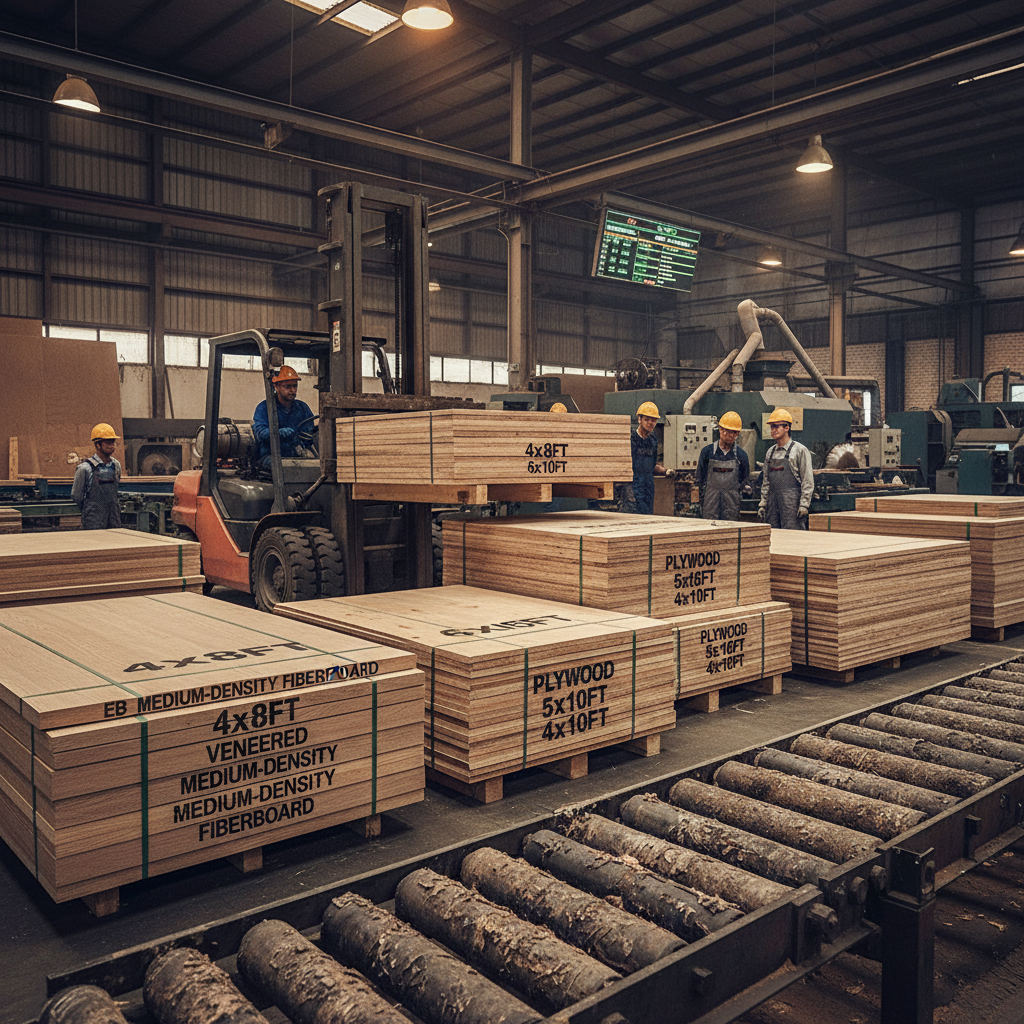
Having spent more than a decade in the industrial equipment sector, I’ve crossed paths with countless suppliers and manufacturers — but plywood makers hold a distinct place in my notes. It’s funny, because plywood might seem like a straightforward product, but I’ve learned it’s anything but simple behind the scenes. Frankly, the subtle variations in materials, adhesives, and engineering can make a world of difference, especially when you’re dealing with heavy-duty industrial applications or custom woodworking projects.

One thing I always tell new buyers is to think beyond just “thickness” or “grade.” For instance, a plywood manufacturer that invests in rigorous testing protocols — moisture resistance, glue bonding strength, formaldehyde emissions — really stands out. You can’t afford to gamble here when machinery or structural stability depends on it.

Oddly enough, many engineers and fabricators I worked with share a kind of sixth sense about plywood quality. It’s partly based on specs, yes, but also feel, smell, and sometimes even appearance under light. That’s not alchemy; it’s experience meeting good manufacturing standards. You often see the difference in how cleanly the ply veneers are cut and how tightly they’re pressed.

Why Material and Adhesive Matter

The type of wood used for the veneers affects not only strength but also how the plywood will behave in varying humidity and temperature conditions. Softwoods like pine can be lighter but less dense, while hardwood veneers provide durability but at a price premium. The adhesive, often overlooked, is what holds these layers together. I’ve seen some manufacturers use phenol-formaldehyde glues for exterior-grade plywood, which means better water resistance, while others stick to urea-formaldehyde for interior uses.

Here’s something that surprises newcomers: plywood’s performance isn’t just about the raw materials. The manufacturing process itself — the hot pressing time, temperature, veneer preparation — profoundly affects the final product. So when evaluating plywood manufacturers, it pays off to ask about their process control systems as well.

Plywood Specifications — What to Look For

Specification Typical Value Why It Matters
Thickness 6mm – 25mm Determines load capacity and flexibility
Veneer Type Hardwood / Softwood Affects strength and finish quality
Glue Type Phenol-Formaldehyde (exterior), Urea-Formaldehyde (interior) Resistance to moisture and durability
Density Approx. 600 – 700 kg/m³ Influences weight and handling properties
Formaldehyde Emission Standards E0 / E1 Certification Health compliance, especially for indoor use

Choosing a Manufacturer: A Quick Comparison

From my experience, not all plywood manufacturers are created equal. I’ve seen vendors who excel in mass production but struggle with consistent quality, and others who prioritize customization but charge premiums. Here’s a simple comparison that might help if you're weighing options:

Vendor Strengths Weaknesses Typical Applications
Tengfei Strong quality control, customizable specs Lead time can be longer for custom runs Industrial tooling, furniture, cabinetry
Vendor B Competitive prices, fast delivery Quality sometimes inconsistent Construction, packaging
Vendor C Eco-friendly options, low emissions Smaller production runs, higher cost Interior design, flooring underlayments

A little anecdote: I once worked on a project where a mismatched plywood grade led to premature warping weeks after installation. You might think plywood is “just plywood,” but it’s more nuanced. Since then, I always recommend verifying specs—and testing samples if possible—especially with suppliers offering customized sheets like plywood manufacturers who are willing to tailor solutions.

In real terms, the best ply is one that fits your project’s environment and stress loads, not just the cheapest one on the shelf. Take humidity, exposure, load-bearing needs, and finish requirements seriously. It’s a small detail that can save you headaches (and money) down the line.

So, whether you’re a seasoned engineer or a first-time buyer, do your homework. Ask questions, review samples, learn about drying and pressing processes, and choose wisely. Because plywood might be old-school as materials go, but good craftsmanship is timeless.

Here’s to solid foundations — even if they come in thin layers.

References and Further Reading

  1. Manufacturing Processes of Plywood, Wood Technology Journal, 2020.
  2. Formaldehyde Emissions and Health Risks, Environmental Health Perspectives, 2019.
  3. Quality Control in Wood Composite Manufacturing, Industrial Engineering Review, 2021.
Product Category
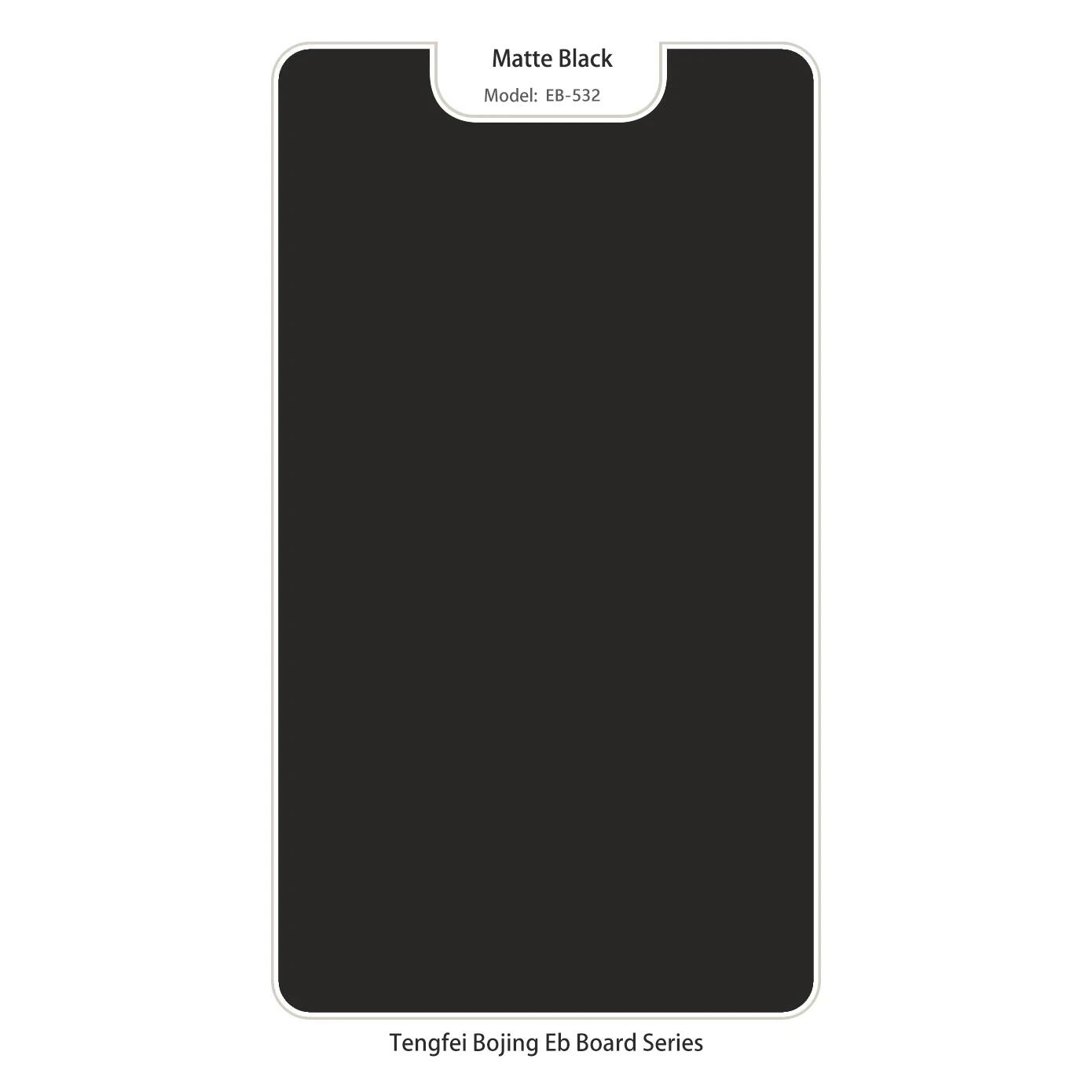
  •  Tengfei Platinum EB Particle Panels - Matte Black

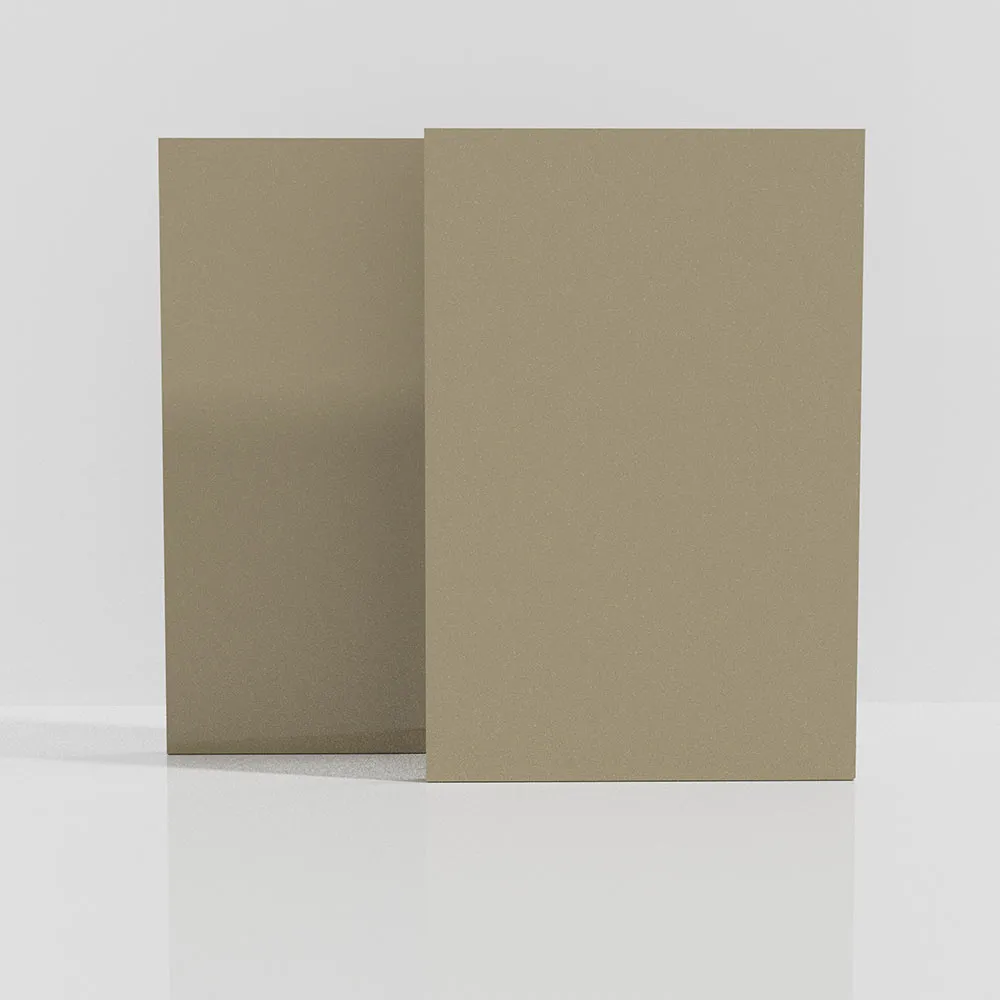
     Tengfei Platinum EB Particle Panels - Matte Black

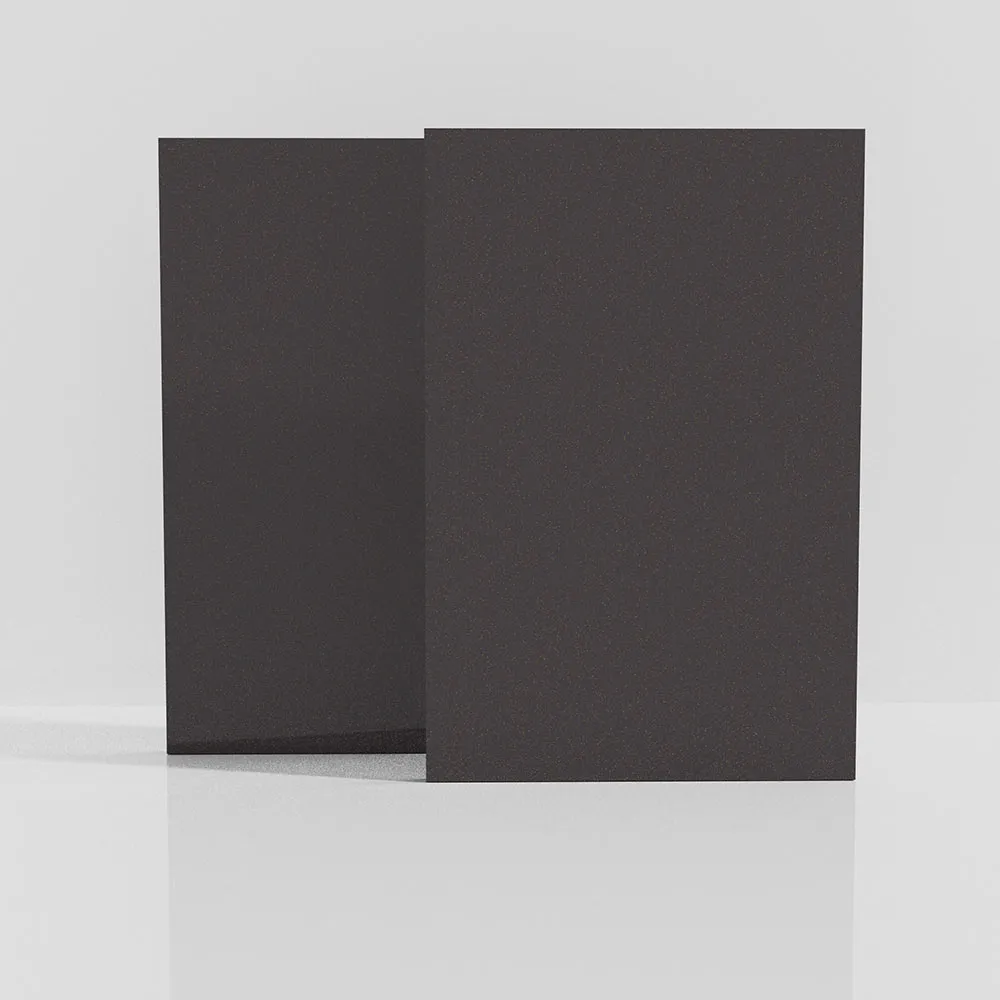
    Tengfei Platinum EB Particle Panels employs EB (Electron Beam) curing technology for manufacturing panel furniture, tables/chairs, feature walls, flooring, and slab-style doors, ideal for residential/office spaces. Features include: Anti-aging/Yellowing-resistant/Corrosion-resistant/Non-marking/Easy-clean/Fingerprint-resistant/Self-dissipating/Antibacterial/Odorless/True-color/Accurate Hue The Matte Black finish elegantly complements contemporary design aesthetics including Modern Minimalism, Luxe Industrial, Italian Rationalism, Oriental Zen, and understated Glamour styles, serving as a universal chromatic solution for sophisticated interiors.
    VIEW ALL
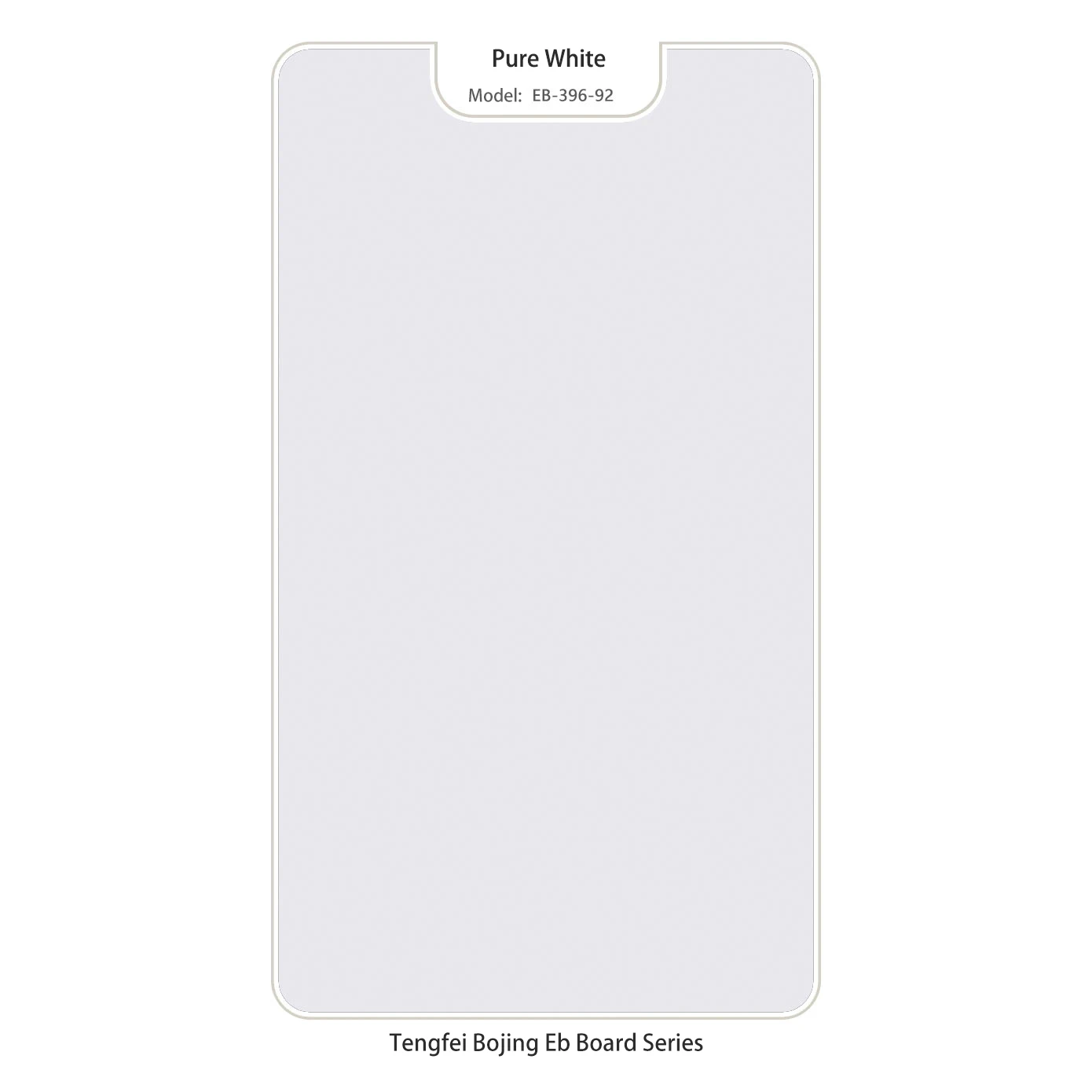
  • Tengfei Platinum EB Particle High-Gloss Panels - Pure white

    Tengfei Platinum EB Particle High-Gloss Panels - Pure white

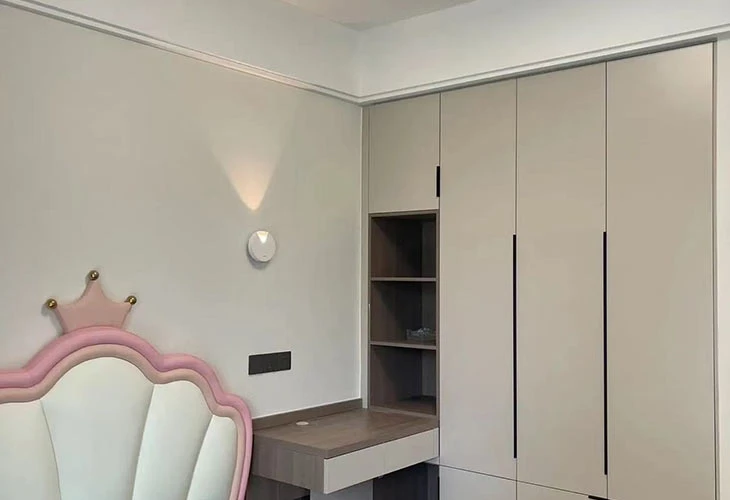
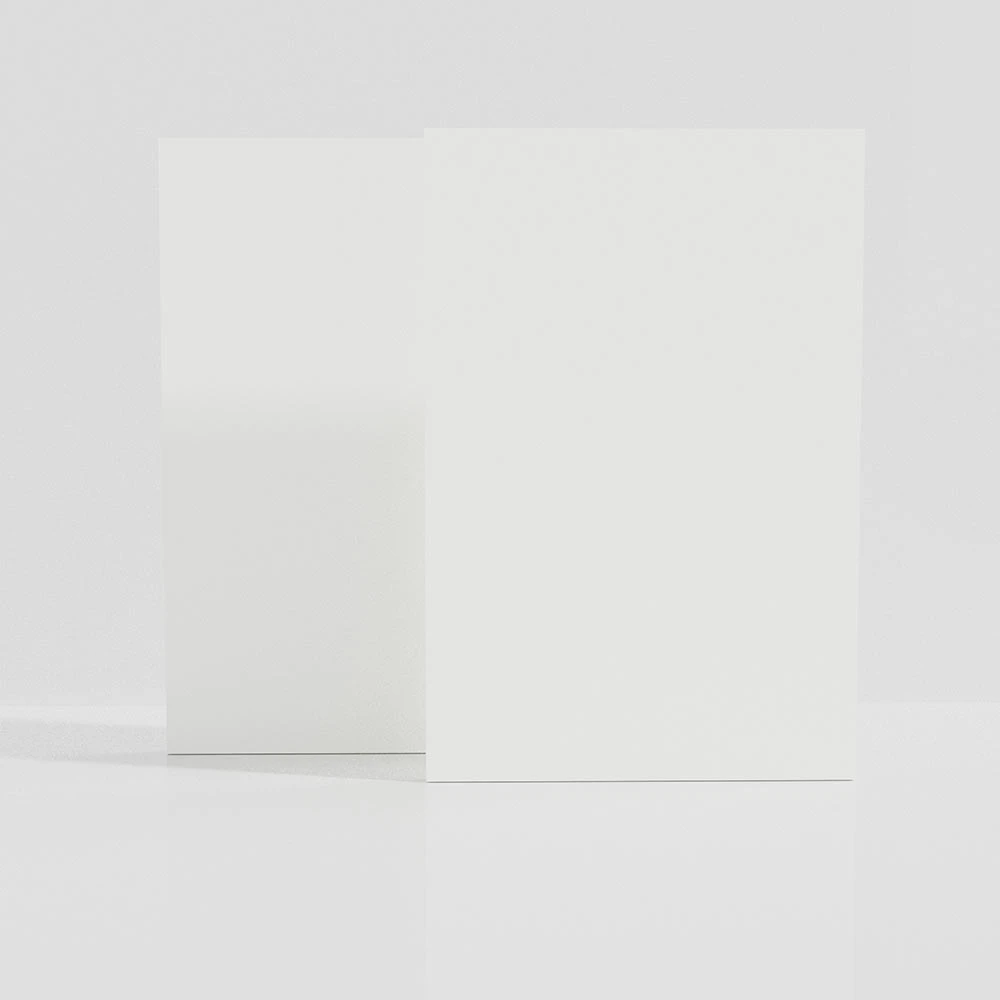
    Tengfei Bojing EB High-Gloss Panels leverage advanced electron beam curing technology to deliver vibrant color reproduction and superior surface luminosity. Ideal for crafting cabinetries, vanities, wardrobes, storage systems, entertainment units, display cases, countertops, and bar installations across domestic and office environments, these panels redefine functional aesthetics. Engineered with ​anti-aging resistance, ​yellowing-proof durability, and ​corrosion immunity, they maintain pristine surfaces through ​smudge-proof with self-dissipating properties and ​effortless maintenance. The ​antibacterial surface ensures hygienic environments free from odors, while ​true-color fidelity with precise hue consistency guarantees design integrity. The ​Pure White High-Gloss variant seamlessly integrates with Modern Minimalism, Contemporary Luxe, and Scandinavian design paradigms, offering chromatic versatility for spatially transformative applications.
    VIEW ALL
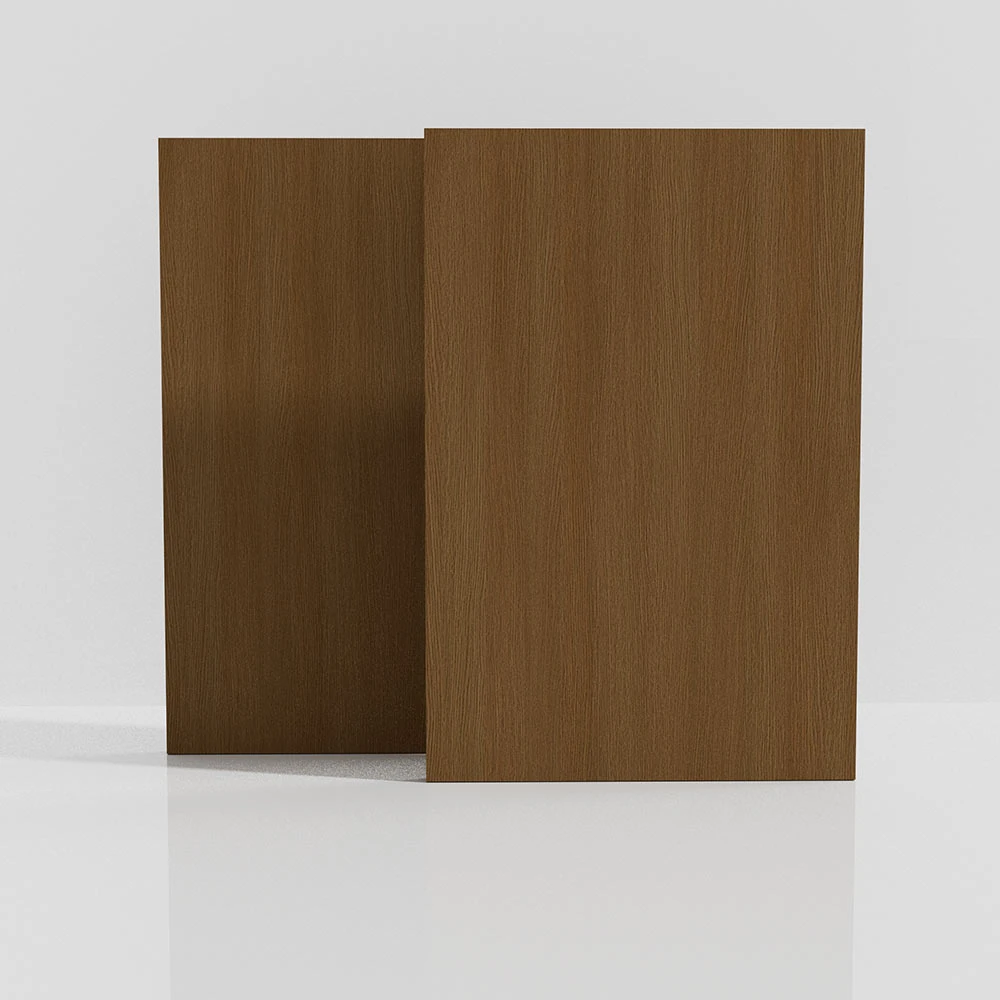
  • Primary Color Oak 102

    Primary Color Oak 102

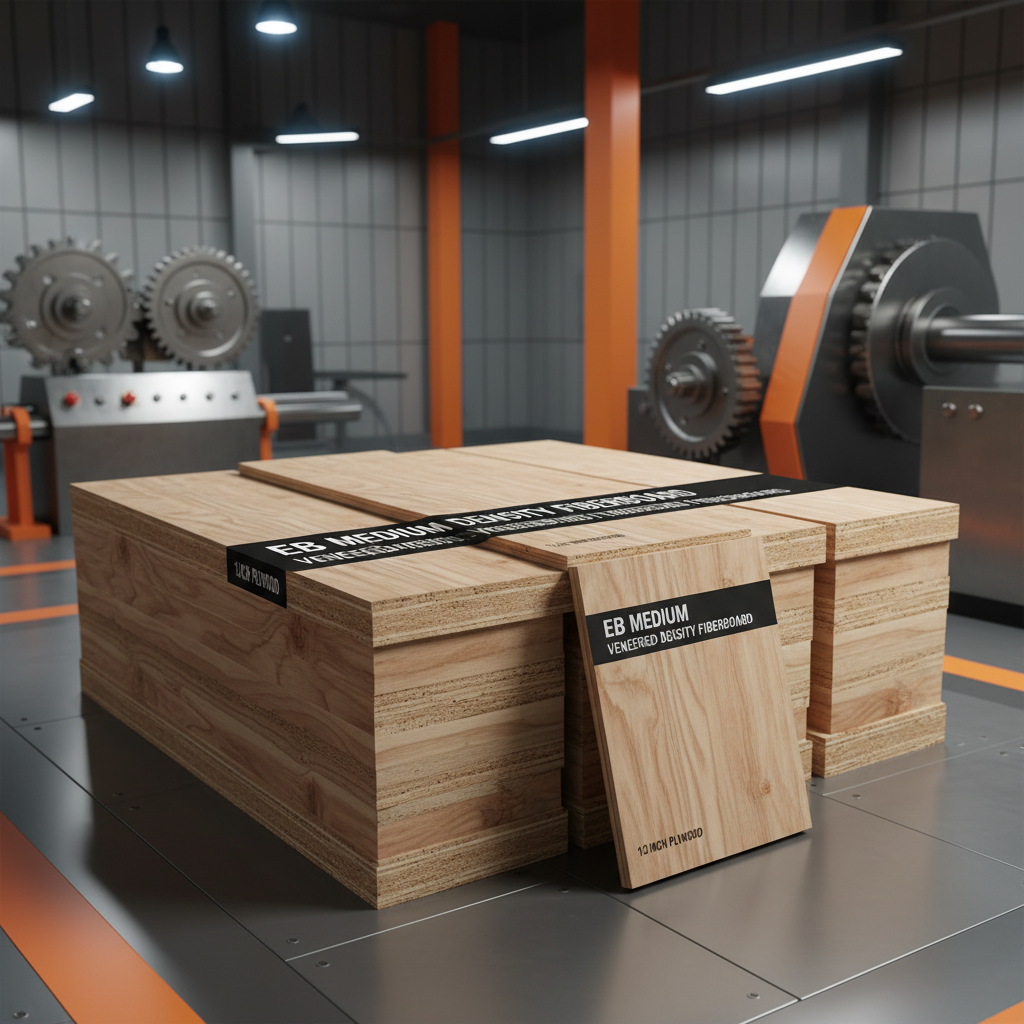
    Primary Color Oak 102 features a warm, natural oak tone that adds timeless elegance and a touch of organic charm to any space.
    VIEW ALL
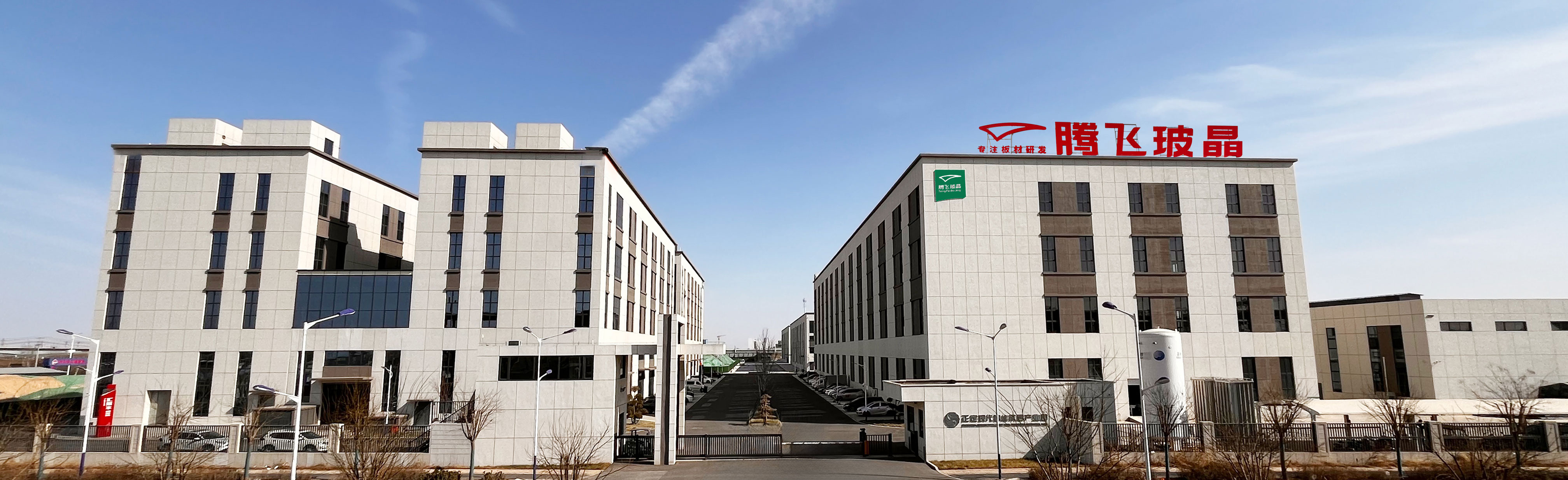
veneer factory

To provide reliable solutions through quality products!

Hebei bojing technology co., ltd. specializes in the production of EB MDF boards and Veneer MDF boards, offering customers high-performance materials for interior decoration, furniture manufacturing, and architectural applications. With a commitment to innovation, precision, and customer satisfaction, we deliver products that combine durability, aesthetics, and cost-effectiveness to meet the diverse needs of global markets.
Welcome to our news page for the latest information and trends about EB MDF and Veneer MDF.
Wed 12
2025
Comprehensive Guide to 18 Mm Plywood 8x4 Price for B2B Buyers | Tengfei EBMDF
Discover the benefits, specifications, and market trends of 18 Mm Plywood 8x4 Price. Learn why Tengfei EBMDF is a trusted supplier for industrial plywood solutions. Explore cost, maintenance, and sustainability insights.
Thu 03
2026
Comprehensive Guide to Understanding Common Plywood Sizes and Applications
Choosing the right plywood size is crucial for any building or woodworking project. From small DIY crafts to large-scale construction, selecting the appropriate dimensions impacts material efficiency, project costs, and overall structural integrity. This article provides a detailed overview of common plywood sizes, their applications, and factors to consider when making your selection. We'll explore standard sheet dimensions, thickness options, and how to determine the best size for your specific needs, ensuring you get the most out of your materials. Plywood is typically sold in sheet sizes, with the most common being 4' x 8' (1220mm x 2440mm). However, other sizes are available, including 3' x 6', 1/2' x 8', and custom cuts. The 4' x 8' sheet is the industry standard due to its efficient use of wood and ease of handling during manufacturing and transportation. Choosing the right size minimizes waste and streamlines your project. Plywood comes in a variety of thicknesses, ranging from 1/4" to 3/4" or even thicker for specialized applications. The appropriate thickness depends on the structural requirements of your project. Thinner plywood (1/4" - 3/8") is suitable for non-load-bearing applications like cabinet backs, drawer bottoms, and decorative panels.
Sat 12
2025
Trusted Plywood Exporter – Quality Industrial Wood Panels | Tengfei
Discover why choosing a reliable plywood exporter like Tengfei is key for quality, customization, and punctual delivery in industrial projects.
Mon 09
2025
Unlock Creativity with Premium Wood Veneer Solutions
Wood veneer has long been prized for its ability to combine the natural beauty of wood with versatile applications that elevate interiors, furniture, and cabinetry.
Mon 11
2025
PF1017F | In Stock, Competitive Price, Fast Shipping
PF1017F is a key solution in the Electronic Information industry, specifically within Electronic com
Wed 09
2025
How to Choose the Right MDF for Your Project
Choosing the right MDF for a project is a decision that impacts both functionality and aesthetics, requiring careful consideration of the material’s properties, intended use, and environmental conditions. MDF, or medium-density fiberboard, offers a versatile solution for everything from furniture making to interior decoration, but not all boards are created equal.
Mon 10
2025
Porcelain White - Durable, Easy-Clean Tiles & Countertops
Porcelain White is a key solution in the chemical industry, specifically within paint and architectu
Tue 03
2026
Comprehensive Guide to 1 2 Inch Plywood for Construction and DIY Projects
When planning construction or DIY projects, selecting the right plywood is crucial. 1 2 inch plywood (referring to 12mm thickness) is a popular choice, offering a balance of strength, affordability, and workability. This article dives deep into the characteristics, applications, benefits, and considerations when choosing this versatile material. We'll explore the different types, common uses, and factors that affect its overall performance. Choosing the right plywood can make the difference between a successful project and a frustrating setback. Plywood is engineered from thin sheets of wood veneer glued together with adjacent layers having their wood grain running at right angles to each other. This cross-graining provides excellent strength and stability, preventing warping and splitting. The number of plies (layers) affects the overall strength and cost – more plies generally equate to a stronger, more expensive sheet. The quality of the wood veneer and the adhesive used also significantly impact the plywood’s performance. Not all 1 2 inch plywood is created equal. Different types are manufactured for specific purposes. Here are some common varieties: Hardwood Plywood: Made with hardwood veneers (like birch, maple, or oak), offering excellent strength and a beautiful finish. Ideal for furniture, cabinetry, and decorative applications. Softwood Plywood: Constructed with softwood veneers (like pine, fir, or spruce), typically more affordable. Commonly used for construction, sheathing, and subflooring. Marine Plywood: Made with waterproof glue and high-quality veneers, designed to withstand prolonged exposure to moisture. Suitable for boat building and outdoor applications. Exterior Plywood: Bonded with waterproof adhesives for use in outdoor projects, though less durable than true marine plywood.
Wed 01
2026
Understanding 3 4 Cdx Plywood Price – Durable & Cost-Effective Plywood for B2B
Explore the benefits, costs, and sustainability of 3 4 CDX plywood. Learn why www.tengfeiebmdf.com is a trusted supplier for high-quality plywood in construction and industry.
Mon 09
2025
PF1018F EB MDF Board-Hebei Bojing Technology Co., Ltd.|High-Density Eco-Friendly Material&Versatile Interior Applications
Hebei Bojing Technology Co., Ltd., a leader in the production of premium decorative panels, introduc
Fri 04
2025
From
After the workers finished preparing materials, all the remaining processes were handed over to the machine, and soon, the cutting, edge sealing and drilling were completed, and the sorting and packaging links were entered
Tue 02
2026
Comprehensive Guide to Plywood Sheet Price 8x4 for Construction and DIY Projects
When embarking on construction, DIY projects, or industrial applications, selecting the right plywood is crucial. A key factor in this decision is understanding the plywood sheet price 8x4. This guide will delve into the factors influencing plywood costs, explore different grades and types, and provide a comprehensive overview to help you make informed purchasing decisions. Knowing these details will ensure you get the best value for your investment. Several factors contribute to the price of an 8x4 plywood sheet. The wood species used is a major determinant, with hardwoods like birch and maple generally costing more than softwoods such as pine or fir. Plywood grade also plays a significant role; higher grades with fewer defects command higher prices. Furthermore, thickness, the number of plies, and the type of adhesive used all impact the overall cost.
tel +8615030171059 tel icon15

If you are interested in our products, you can choose to leave your information here, and we will be in touch with you shortly.