Add: No.8 Xinxing Street, North Zone, Zhengding High-tech Industrial Development Zone, Hebei, China
CONTACT US
+8615030171059


CONTACT US
+8615030171059
When planning construction or DIY projects, selecting the right plywood is crucial. 1 2 inch plywood (referring to 12mm thickness) is a popular choice, offering a balance of strength, affordability, and workability. This article dives deep into the characteristics, applications, benefits, and considerations when choosing this versatile material. We'll explore the different types, common uses, and factors that affect its overall performance. Choosing the right plywood can make the difference between a successful project and a frustrating setback.
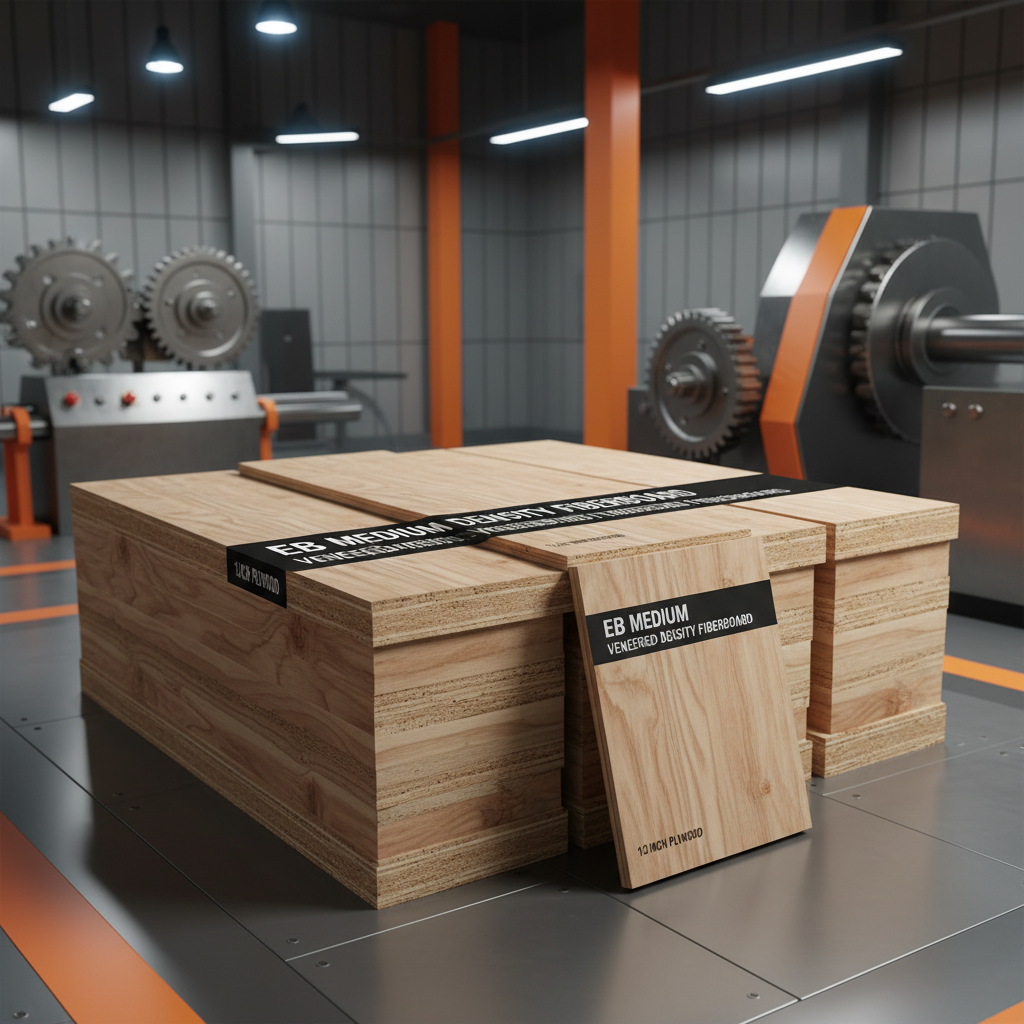
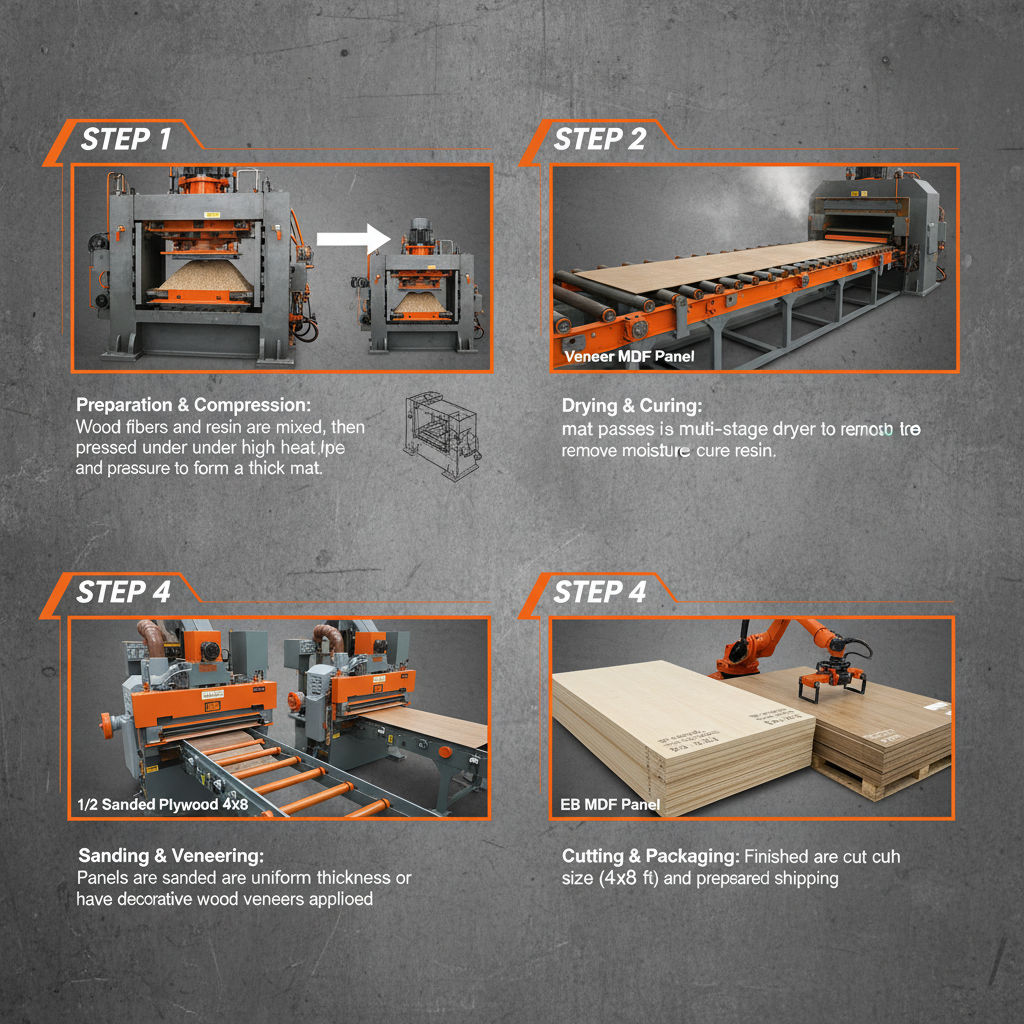
“1 2 inch plywood” commonly refers to plywood with a thickness of 12 millimeters (approximately 1/2 inch). Plywood is engineered from thin sheets of wood veneer glued together with adjacent layers having their wood grain running at right angles to each other. This cross-graining provides excellent strength and stability, preventing warping and splitting. The number of plies (layers) affects the overall strength and cost – more plies generally equate to a stronger, more expensive sheet. The quality of the wood veneer and the adhesive used also significantly impact the plywood’s performance.
Key Takeaway: 12mm plywood provides a good balance of strength and weight, making it ideal for a wide range of interior and some exterior applications.
Not all 1 2 inch plywood is created equal. Different types are manufactured for specific purposes. Here are some common varieties:
Understanding the type of plywood is crucial for ensuring it meets the demands of your project. Tengfei EBMDF offers a wide variety of plywood options to suit diverse needs.
The versatility of 1 2 inch plywood makes it a popular choice for countless projects. Some common applications include:
The specific application will dictate the required plywood grade and type.
Plywood is graded based on its appearance and the number of defects. Here’s a comparison of common grades:
Choosing the right 1 2 inch plywood requires careful consideration. Here are some key factors:
Selecting the appropriate 1 2 inch plywood is essential for a successful project. Understanding the different types, grades, and applications will empower you to make an informed decision. By considering your specific needs and choosing a reliable supplier, you can ensure a durable and aesthetically pleasing result.
The cost of 1 2 inch plywood varies significantly depending on the type, grade, and supplier. Generally, you can expect to pay anywhere from $20 to $60 per sheet (4ft x 8ft). Hardwood plywood, such as birch, will be on the higher end of the price range, while softwood plywood, like pine, will be more affordable. Marine plywood is typically the most expensive due to its specialized construction and waterproof adhesives. It’s always best to get quotes from multiple suppliers to compare pricing.
While 1 2 inch plywood can be used outdoors, it's crucial to select the correct type. Exterior plywood is specifically designed for outdoor use, as it's bonded with waterproof adhesives. However, even exterior plywood will eventually degrade if exposed to prolonged moisture. Marine plywood offers the best protection against moisture, but it’s also the most expensive option. Regular sealing and painting can help extend the lifespan of exterior plywood used outdoors.
Cutting plywood cleanly requires the right tools and techniques. A fine-tooth blade on a circular saw or table saw is recommended to minimize splintering. Use masking tape along the cut line to further reduce chipping. Scoring the cut line with a utility knife before sawing can also help achieve a cleaner edge. Always support the plywood properly to prevent it from vibrating during cutting. For intricate cuts, a jigsaw can be used.
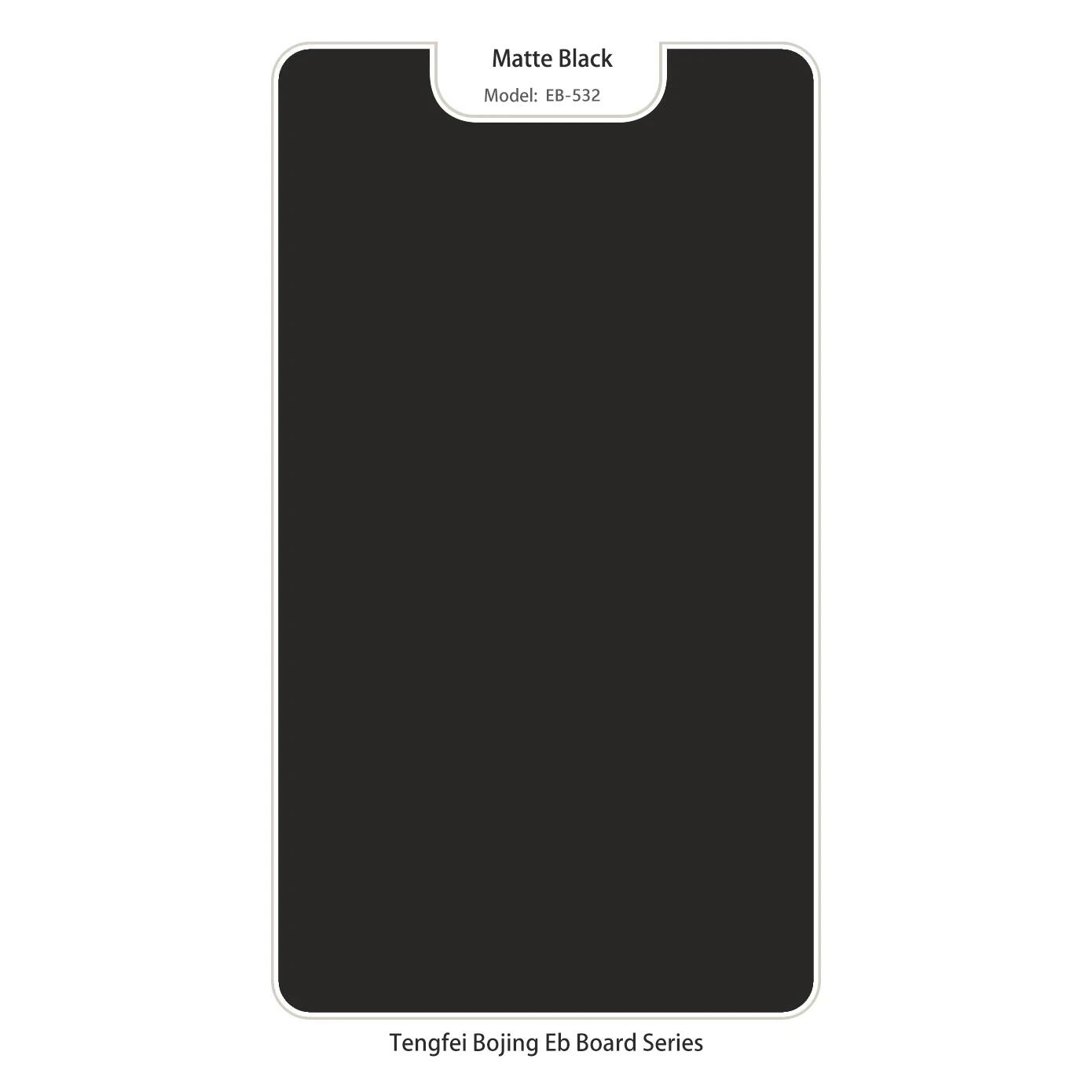
Tengfei Platinum EB Particle Panels - Matte Black
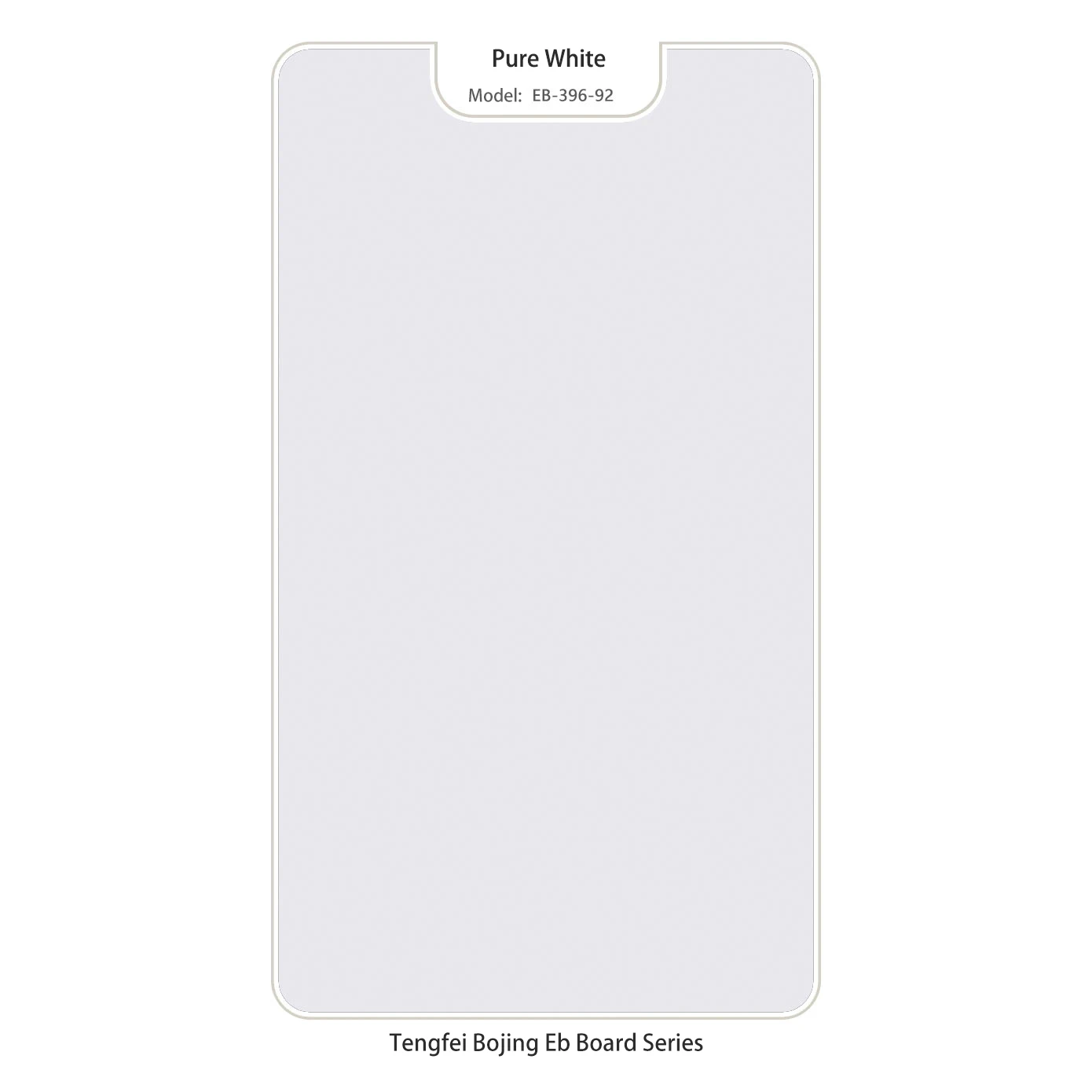
Tengfei Platinum EB Particle High-Gloss Panels - Pure white

To provide reliable solutions through quality products!