Add: No.8 Xinxing Street, North Zone, Zhengding High-tech Industrial Development Zone, Hebei, China

CONTACT US

+8615030171059
221231instagram-fill1251 search
Sep 10 2025
share:

Industry standards for veneer thickness tolerances play a crucial role in ensuring the quality, consistency, and performance of veneer products across various applications. These standards establish acceptable ranges for thickness variations, guiding veneer manufacturers, veneer suppliers, and veneer factory operations to meet the needs of industries such as furniture making, interior design, and construction. Hebei Bojing Technology Co., Ltd., as a prominent player in the field, adheres strictly to these standards, leveraging advanced manufacturing techniques to maintain precise thickness tolerances in their veneer products, thus ensuring reliability and customer satisfaction.
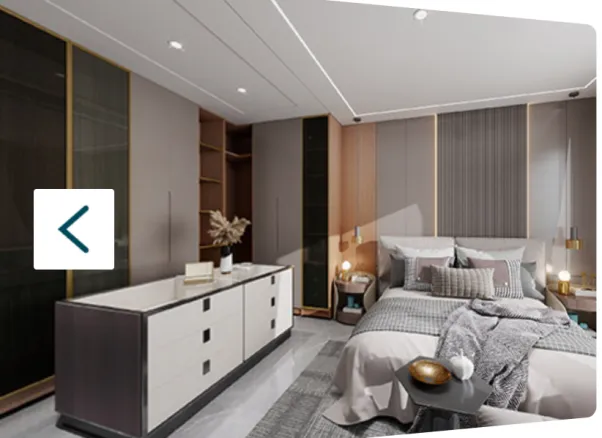
 

Industry standards for veneer thickness tolerances


Global Standards Followed by Veneer Manufacturers 

  • International Guidelines: Leading veneer manufacturers adhere to global standards set by organizations such as the International Organization for Standardization (ISO), which outline specific thickness tolerance ranges based on veneer type and intended use. These guidelines ensure that veneers from different veneer manufacturers are compatible for use in the same projects. Hebei Bojing Technology Co., Ltd., as one of the reputable veneer manufacturers, aligns its production processes with these international standards to guarantee consistency.
  •  
  • Material-Specific Tolerances: Different veneer materials, such as wood, laminate, and composite, have distinct thickness tolerance standards. Veneer manufacturersmust adjust their production methods accordingly to meet these material-specific requirements. Hebei Bojing Technology Co., Ltd. specializes in producing veneers with precise tolerances for each material type, ensuring that their products perform optimally in their designated applications.
  •  
  • Quality Control Measures: To comply with industry standards, veneer manufacturersimplement rigorous quality control checks throughout the production process. This includes regular thickness measurements using advanced tools to identify and correct any deviations. Hebei Bojing Technology Co., Ltd. integrates these quality control measures into its operations, ensuring that every batch of veneers meets the specified thickness tolerance standards.
  •  

Role of Veneer Suppliers in Maintaining Tolerance Standards 

  • Supplier Certification: Reputable veneer suppliersobtain certifications that validate their adherence to industry standards for thickness tolerances. This certification gives customers confidence that the veneers they purchase meet the required quality benchmarks. Hebei Bojing Technology Co., Ltd., as a trusted veneer supplier, holds relevant certifications, demonstrating its commitment to providing veneers with precise thickness tolerances.
  •  
  • Inventory Management: Veneer suppliersmust manage their inventory to ensure that veneers remain within the specified thickness tolerances during storage and transportation. Factors such as temperature and humidity can affect veneer thickness, so proper storage conditions are essential. Hebei Bojing Technology Co., Ltd. maintains optimal storage facilities to preserve the thickness integrity of its veneers, ensuring that customers receive products that meet the required standards.
  •  
  • Customer Communication: Veneer suppliersplay a key role in communicating thickness tolerance information to customers, helping them select the right veneers for their specific projects. This includes providing details on tolerance ranges and how they may impact the application. Hebei Bojing Technology Co., Ltd. prioritizes clear communication with customers, offering expert advice on selecting veneers with appropriate thickness tolerances.
  •  

Production Processes in Veneer Factory for Tolerance Control 

  • Precision Cutting Techniques: A veneer factoryemploys advanced cutting technologies to achieve precise thicknesses. Computer-controlled cutting machines ensure that each veneer sheet is cut within the specified tolerance range, minimizing variations. Hebei Bojing Technology Co., Ltd.’s veneer factory is equipped with state-of-the-art cutting equipment, enabling it to produce veneers with exceptional thickness accuracy.
  •  
  • Calibration and Maintenance: Regular calibration and maintenance of production equipment in a veneer factoryare essential to maintain consistent thickness tolerances. This prevents equipment drift that could lead to thickness variations over time. Hebei Bojing Technology Co., Ltd. schedules routine calibration and maintenance for its factory equipment, ensuring that it operates at peak performance to meet tolerance standards.
  •  
  • Process Optimization: Veneer factoryoperations are continuously optimized to improve thickness tolerance control. This may involve refining production workflows, training staff on best practices, and adopting new technologies. Hebei Bojing Technology Co., Ltd. invests in process optimization initiatives in its veneer factory, striving to achieve even tighter thickness tolerances and enhance overall product quality.
  •  

Impact of Tolerance Standards on Veneer Factory Operations 

  • Cost Efficiency: Adhering to thickness tolerance standards in a veneer factorycan improve cost efficiency by reducing waste. When veneers are produced within the specified tolerance range, there is less need for rework or scrap, lowering production costs. Hebei Bojing Technology Co., Ltd.’s veneer factory benefits from this cost efficiency, passing on the savings to customers while maintaining high-quality standards.
  •  
  • Customer Satisfaction: Meeting thickness tolerance standards ensures that veneers perform as expected in customer applications, leading to higher customer satisfaction. Customers rely on consistent veneer thickness for seamless installation and optimal performance. Hebei Bojing Technology Co., Ltd.’s commitment to tolerance standards in its veneer factoryoperations results in high levels of customer satisfaction and repeat business.
  •  
  • Market Competitiveness: Veneer factorythat consistently meet or exceed thickness tolerance standards gain a competitive edge in the market. Their products are trusted by customers, making them the preferred choice for various projects. Hebei Bojing Technology Co., Ltd.’s focus on maintaining precise tolerances in its factory operations has positioned it as a leading provider in the veneer industry.
  •  

  Veneer Factory FAQS 

What are the typical thickness tolerance ranges for veneers set by veneer manufacturers? 

Typical thickness tolerance ranges set by veneer manufacturers vary by material but generally fall within ±0.05mm to ±0.1mm for most applications. Hebei Bojing Technology Co., Ltd., as one of the leading veneer manufacturers, adheres to these ranges to ensure product consistency.


How do veneer suppliers ensure that veneers meet thickness tolerance standards during delivery? 

Veneer suppliers use specialized packaging and transportation methods to protect veneers from factors that could affect thickness, such as moisture and pressure. Hebei Bojing Technology Co., Ltd., as a reliable veneer supplier, ensures that its delivery processes maintain the integrity of the veneers' thickness tolerances.


What happens if a veneer factory fails to meet thickness tolerance standards? 

If a veneer factory fails to meet these standards, the veneers may be rejected by customers or fail to perform as intended in applications. This can damage the factory's reputation and lead to financial losses. Hebei Bojing Technology Co., Ltd. avoids this by strictly enforcing tolerance standards in its veneer factory.


Are there different thickness tolerance standards for different veneer applications? 

Yes, different applications have varying thickness tolerance standards. For example, high-precision furniture making may require tighter tolerances than general construction. Veneer manufacturers and veneer suppliers adjust their products accordingly. Hebei Bojing Technology Co., Ltd. offers veneers with tailored tolerances for specific applications.


How can customers verify that veneers from a veneer factory meet thickness tolerance standards? 

Customers can verify this by checking for certifications from the veneer factory, requesting quality control reports, or conducting their own thickness measurements. Hebei Bojing Technology Co., Ltd. provides detailed documentation to customers, confirming that its veneers meet the required thickness tolerance standards.

Product Category
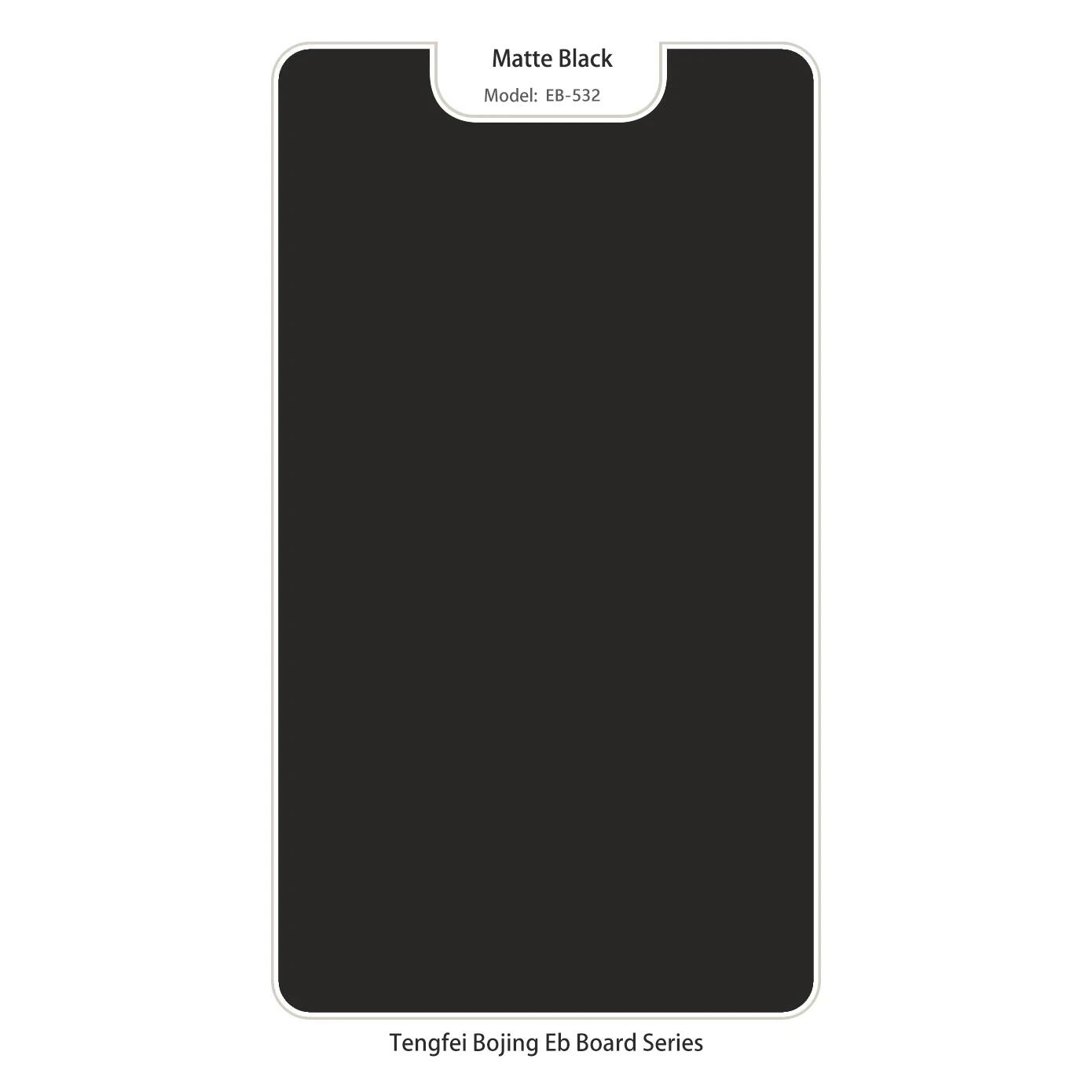
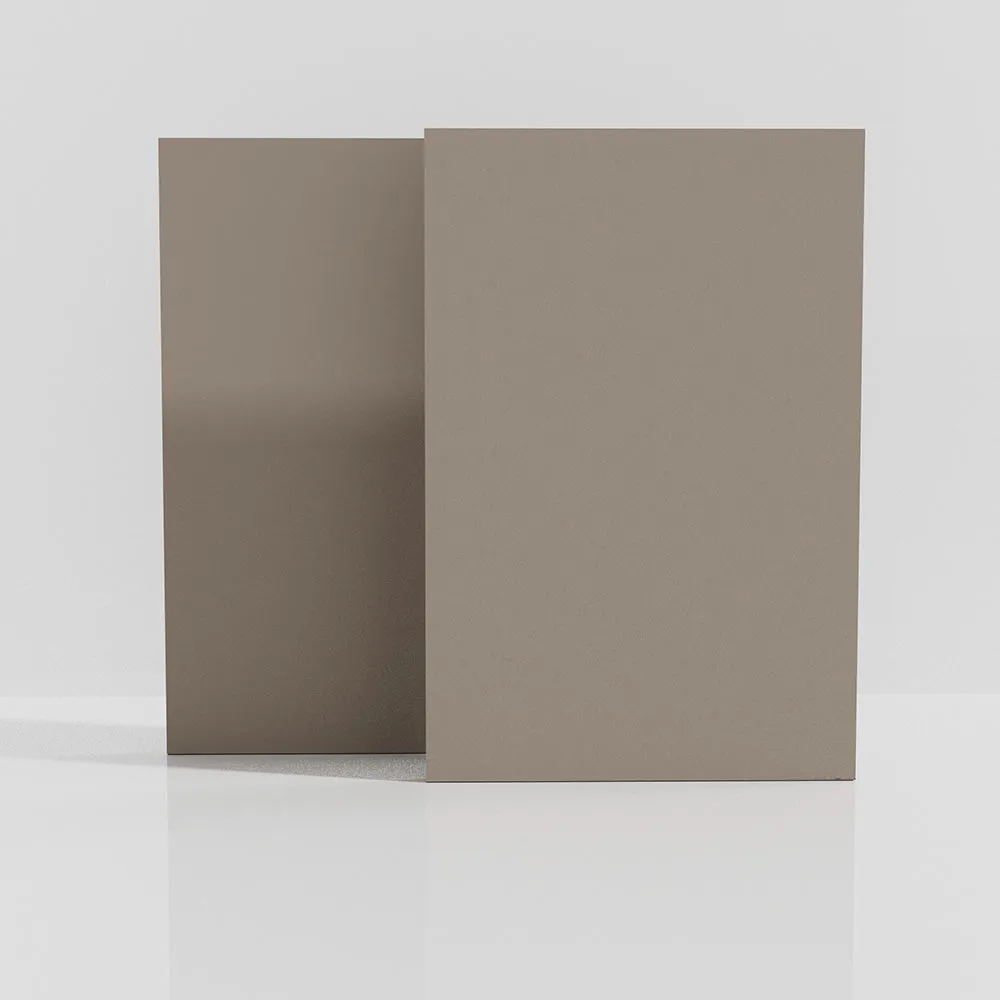
  •  Tengfei Platinum EB Particle Panels - Matte Black

     Tengfei Platinum EB Particle Panels - Matte Black

    Tengfei Platinum EB Particle Panels employs EB (Electron Beam) curing technology for manufacturing panel furniture, tables/chairs, feature walls, flooring, and slab-style doors, ideal for residential/office spaces. Features include: Anti-aging/Yellowing-resistant/Corrosion-resistant/Non-marking/Easy-clean/Fingerprint-resistant/Self-dissipating/Antibacterial/Odorless/True-color/Accurate Hue The Matte Black finish elegantly complements contemporary design aesthetics including Modern Minimalism, Luxe Industrial, Italian Rationalism, Oriental Zen, and understated Glamour styles, serving as a universal chromatic solution for sophisticated interiors.
    VIEW ALL
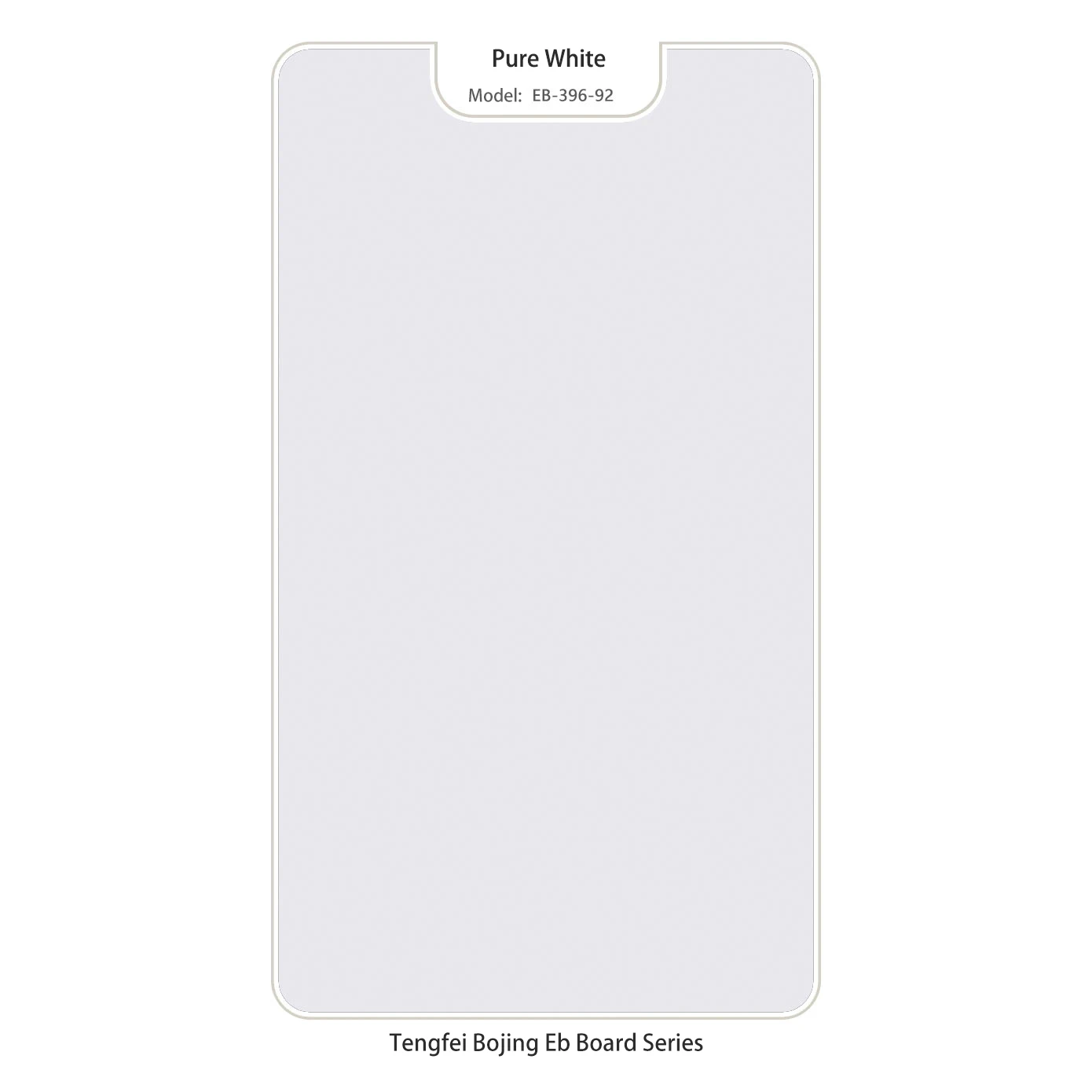
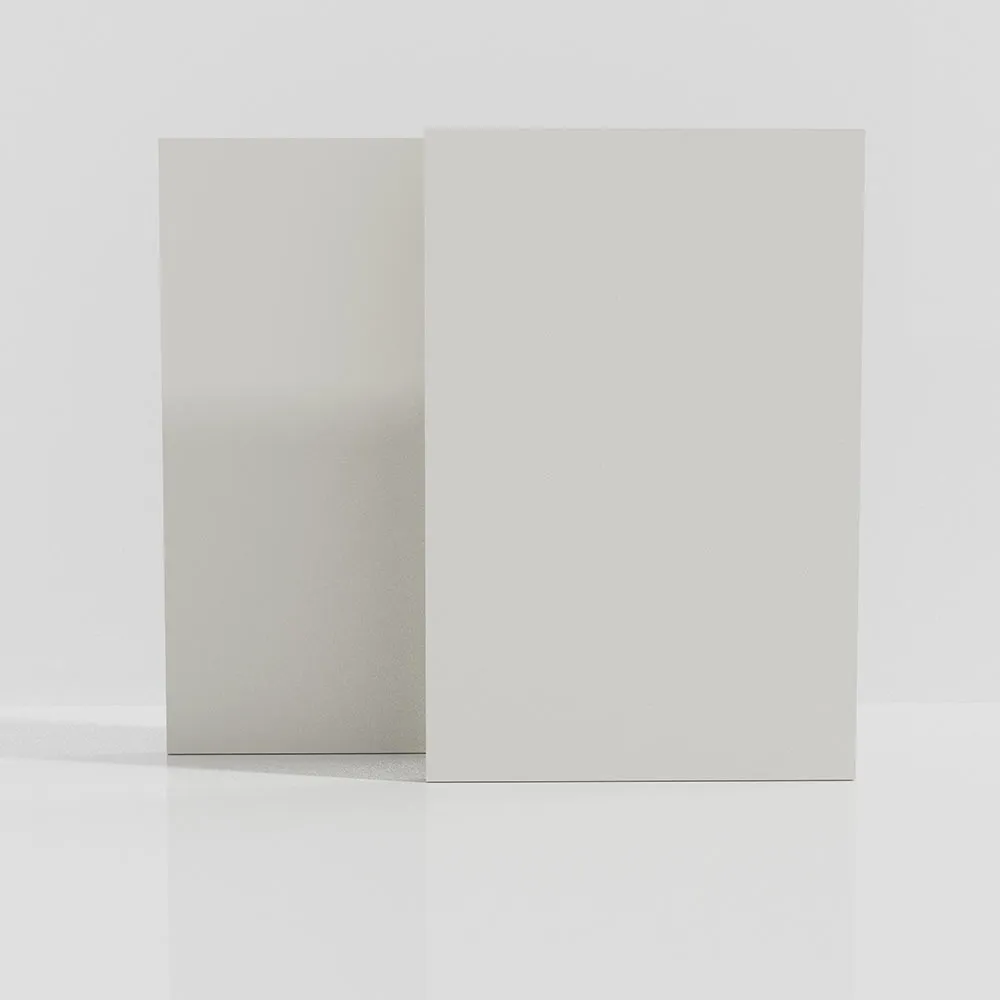
  • Tengfei Platinum EB Particle High-Gloss Panels - Pure white

    Tengfei Platinum EB Particle High-Gloss Panels - Pure white

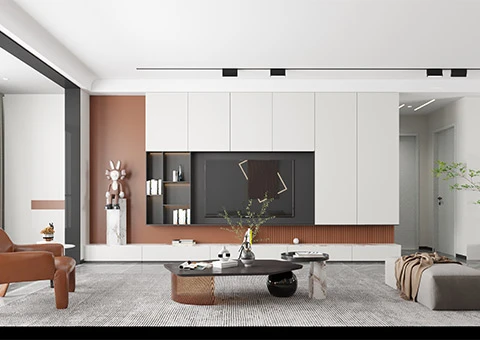
    Tengfei Bojing EB High-Gloss Panels leverage advanced electron beam curing technology to deliver vibrant color reproduction and superior surface luminosity. Ideal for crafting cabinetries, vanities, wardrobes, storage systems, entertainment units, display cases, countertops, and bar installations across domestic and office environments, these panels redefine functional aesthetics. Engineered with ​anti-aging resistance, ​yellowing-proof durability, and ​corrosion immunity, they maintain pristine surfaces through ​smudge-proof with self-dissipating properties and ​effortless maintenance. The ​antibacterial surface ensures hygienic environments free from odors, while ​true-color fidelity with precise hue consistency guarantees design integrity. The ​Pure White High-Gloss variant seamlessly integrates with Modern Minimalism, Contemporary Luxe, and Scandinavian design paradigms, offering chromatic versatility for spatially transformative applications.
    VIEW ALL
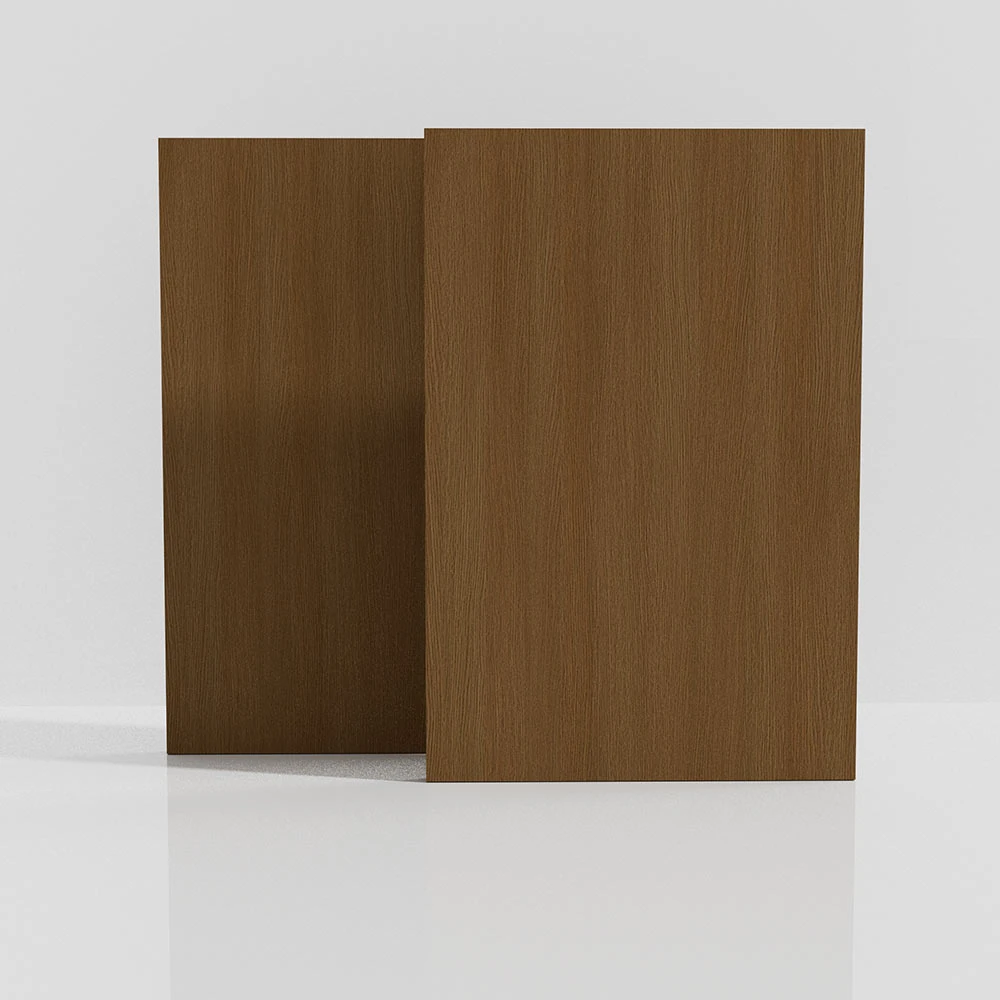
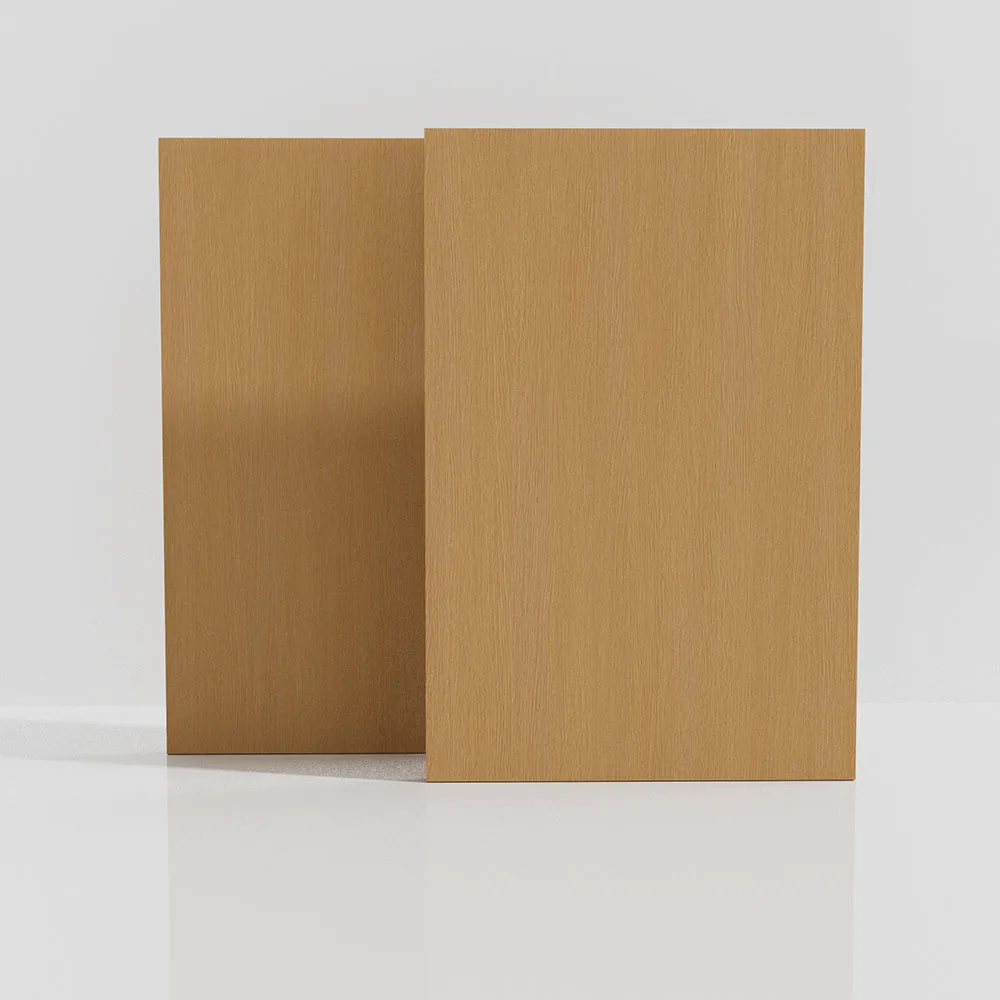
  • Primary Color Oak 102

    Primary Color Oak 102

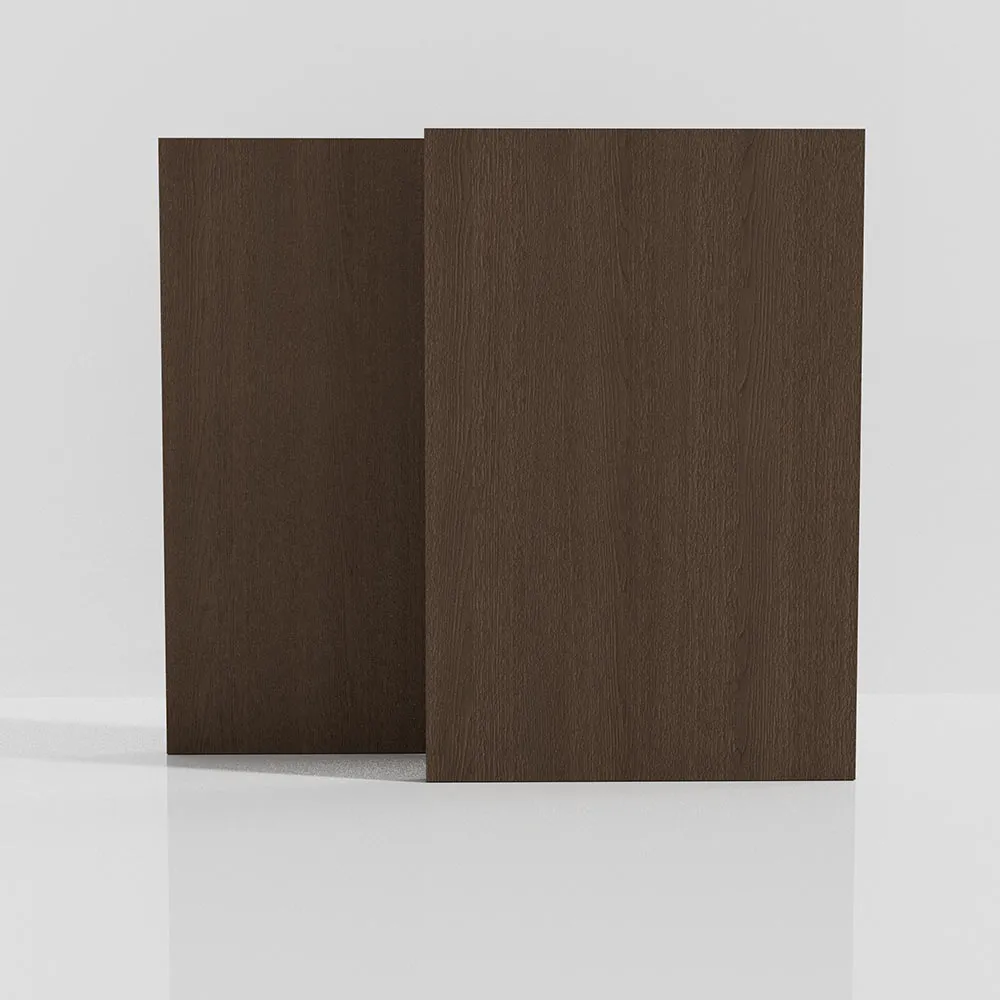
    Primary Color Oak 102 features a warm, natural oak tone that adds timeless elegance and a touch of organic charm to any space.
    VIEW ALL
veneer factory

To provide reliable solutions through quality products!

Hebei bojing technology co., ltd. specializes in the production of EB MDF boards and Veneer MDF boards, offering customers high-performance materials for interior decoration, furniture manufacturing, and architectural applications. With a commitment to innovation, precision, and customer satisfaction, we deliver products that combine durability, aesthetics, and cost-effectiveness to meet the diverse needs of global markets.
Welcome to our news page for the latest information and trends about EB MDF and Veneer MDF.
Thu 03
2026
Comprehensive Guide to Understanding Common Plywood Sizes and Applications
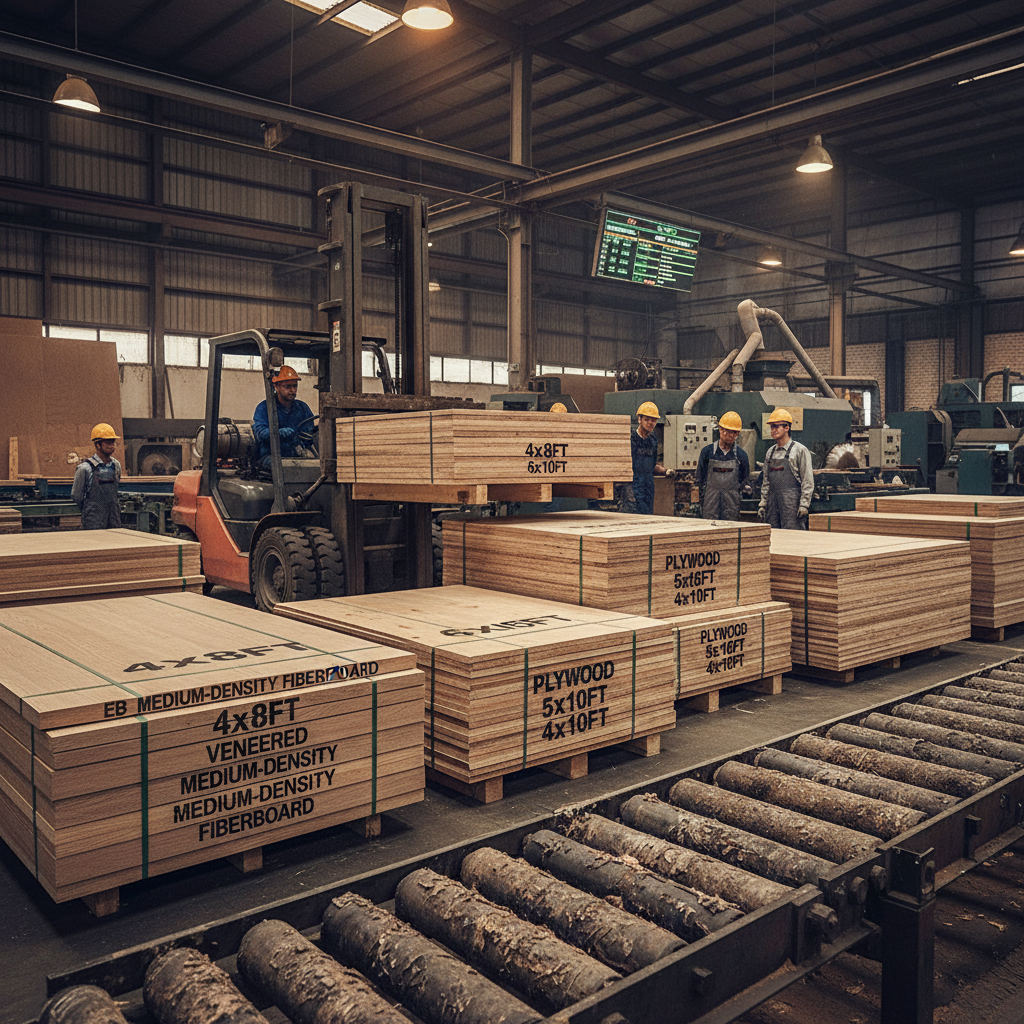
Choosing the right plywood size is crucial for any building or woodworking project. From small DIY crafts to large-scale construction, selecting the appropriate dimensions impacts material efficiency, project costs, and overall structural integrity. This article provides a detailed overview of common plywood sizes, their applications, and factors to consider when making your selection. We'll explore standard sheet dimensions, thickness options, and how to determine the best size for your specific needs, ensuring you get the most out of your materials. Plywood is typically sold in sheet sizes, with the most common being 4' x 8' (1220mm x 2440mm). However, other sizes are available, including 3' x 6', 1/2' x 8', and custom cuts. The 4' x 8' sheet is the industry standard due to its efficient use of wood and ease of handling during manufacturing and transportation. Choosing the right size minimizes waste and streamlines your project. Plywood comes in a variety of thicknesses, ranging from 1/4" to 3/4" or even thicker for specialized applications. The appropriate thickness depends on the structural requirements of your project. Thinner plywood (1/4" - 3/8") is suitable for non-load-bearing applications like cabinet backs, drawer bottoms, and decorative panels.
Tue 01
2026
Understanding 9 mm Plywood Price Factors and Optimal Applications
When considering construction, furniture making, or various DIY projects, 9 mm plywood is a popular choice due to its balance of strength, flexibility, and cost-effectiveness. Understanding the factors that influence 9 mm plywood price is crucial for budgeting and making informed purchasing decisions. This article provides a comprehensive overview of 9 mm plywood, covering its applications, pricing, factors affecting cost, and where to find reliable suppliers like Tengfei EBMDF. Choosing the right plywood can significantly impact the quality and durability of your project. 9 mm plywood is a versatile material used across many industries. Its moderate thickness and strength make it ideal for projects requiring stability without excessive weight. Popular applications include: cabinet making, where it forms the core of shelves and boxes; furniture construction, for table tops, chair seats, and bed platforms; wall paneling, offering a smooth surface for painting or finishing; shelving units, providing a sturdy base for storage; craft projects, enabling detailed designs and creations; and even lightweight flooring in certain applications. The ability to easily cut, drill, and finish 9mm plywood adds to its widespread use.
Mon 10
2025
Discover 6J: Precision Engineering for Optimal Performance
In the intricate landscape of industrial engineering, precision components are critical for ensuring
Fri 08
2025
Superior Wood Solutions with Modern Fiberboard Comparisons
The choice of wood-based panels plays a critical role in the quality, durability, and appearance of furniture, cabinetry, and interior finishes.
Sun 08
2025
Best MDF board selection criteria
Best MDF board selection criteria are essential for ensuring that the chosen medium density fiberboa
Fri 12
2025
Reliable Plywood Manufacturers for Industrial and Custom Use
Explore quality plywood manufacturers with expert insights on specs, materials, and vendor comparisons. Find the best fit for your next project.
Mon 10
2025
PU727: High-Performance Industrial Sensor for Precision Control
Top EB Medium Density Fiberboard & Single Board MDF Panel Manufacturers from China at Ligna Ligna, t
Sat 12
2025
Comprehensive Guide to MDF Flooring Boards – Sustainable & Cost-Effective Solutions
Understanding MDF Flooring Boards: A Global Perspective When we talk about mdf flooring boards, what
Fri 10
2025
Semi-Transparent Oak 002 Stain | Premium Durable Wood Finish
In the dynamic world of wood processing and panel manufacturing, Ligna stands as the undisputed glob
Sat 03
2026
Comprehensive Guide to 1 2 inch CDX Plywood Applications and Benefits
When undertaking construction, DIY projects, or any application requiring a robust and reliable wood panel, CDX plywood is often a go-to choice. Specifically, 1 2 inch CDX plywood offers a balance of strength, affordability, and workability. This article will provide an in-depth look at what CDX plywood is, its uses, benefits, and things to consider when making a purchase. We’ll cover everything from grading to potential applications to help you make an informed decision. CDX plywood is a type of exterior-grade plywood commonly used in construction. The “CDX” designation refers to the quality of the veneer plies used in its construction. ‘C’ and ‘D’ denote the veneer quality, while 'X' indicates it is made with waterproof glue, making it suitable for exterior applications. 'C' grade veneers may have some knots or imperfections, while 'D' grade veneers typically have more. However, the combination ensures a structurally sound panel at a competitive price point. It's frequently chosen for sheathing walls, roofing, and subflooring due to its cost-effectiveness and resilience. The term "1 2 inch" refers to the nominal thickness of the plywood. However, it’s important to note that plywood thickness is typically slightly less than the nominal measurement. A 1 2 inch sheet will actually measure around 0.9375 inches (23.8mm) thick. Standard sheet sizes for CDX plywood are 4ft x 8ft, but other dimensions can be available depending on the supplier. 1 2 inch CDX plywood is remarkably versatile and finds application in a wide range of projects. Common uses include: wall and roof sheathing, subflooring under carpet or tile, creating formwork for concrete pouring, building sheds and other outdoor structures, crafting furniture, and even crafting DIY projects.
Mon 10
2025
Mo Landi Bai: Elegant Morandi White for Sophisticated Designs
Strategic Importance of Advanced Engineered Materials in Modern Industries In today's rapidly evolvi
Thu 10
2025
Need PU702 Polyurethane Adhesive with Fast Cure & Strength?
PU702 is a key solution in the chemical industry industry, specifically within polymer materials and
tel +8615030171059 tel icon15

If you are interested in our products, you can choose to leave your information here, and we will be in touch with you shortly.