Understanding MDF Flooring Boards: A Global Perspective
When we talk about mdf flooring boards, what comes to mind might be a humble panel in a showroom, or a dusty factory line somewhere making sheets of engineered wood. But this little piece of material actually has a surprisingly large story behind it—one that ties sustainability, industry innovation, and global supply chains together. At its core, MDF (medium-density fiberboard) flooring boards offer a cost-effective and versatile choice for construction and renovation worldwide. They embody a fusion of resource efficiency and practical design, making them vital in global housing, commercial interiors, and even humanitarian efforts.
Why bother understanding MDF flooring boards in such detail? Well, as the world’s urban population rockets (the UN estimates over 68% of people will live in cities by 2050), demand for affordable, sustainable, and reliable building materials escalates. MDF flooring boards tick many boxes in this regard, but there are nuances and challenges too. Let’s unpack that.
mdf flooring boards
Why MDF Flooring Boards Matter Globally
Globally, the construction sector is behind nearly 40% of energy-related carbon emissions (source: IEA), and building materials play a huge role here. MDF flooring boards come into the discussion because they use wood fibers combined with adhesives, repurposing timber waste into something strong and useful. The logic is simple but powerful: reduce raw log harvesting and carbon footprint by cleverly using leftovers and recycled fibers.
What gets tricky is balancing cost, durability, and environmental impact in real applications — from Scandinavian timber towns to urban sprawl in Southeast Asia. And it’s here the market looks at MDF as more than just a cheap option. It’s about optimizing resources globally, which resonates heavily with sustainability goals like those under the UN Sustainable Development Goals.
Defining MDF Flooring Boards in Plain Terms
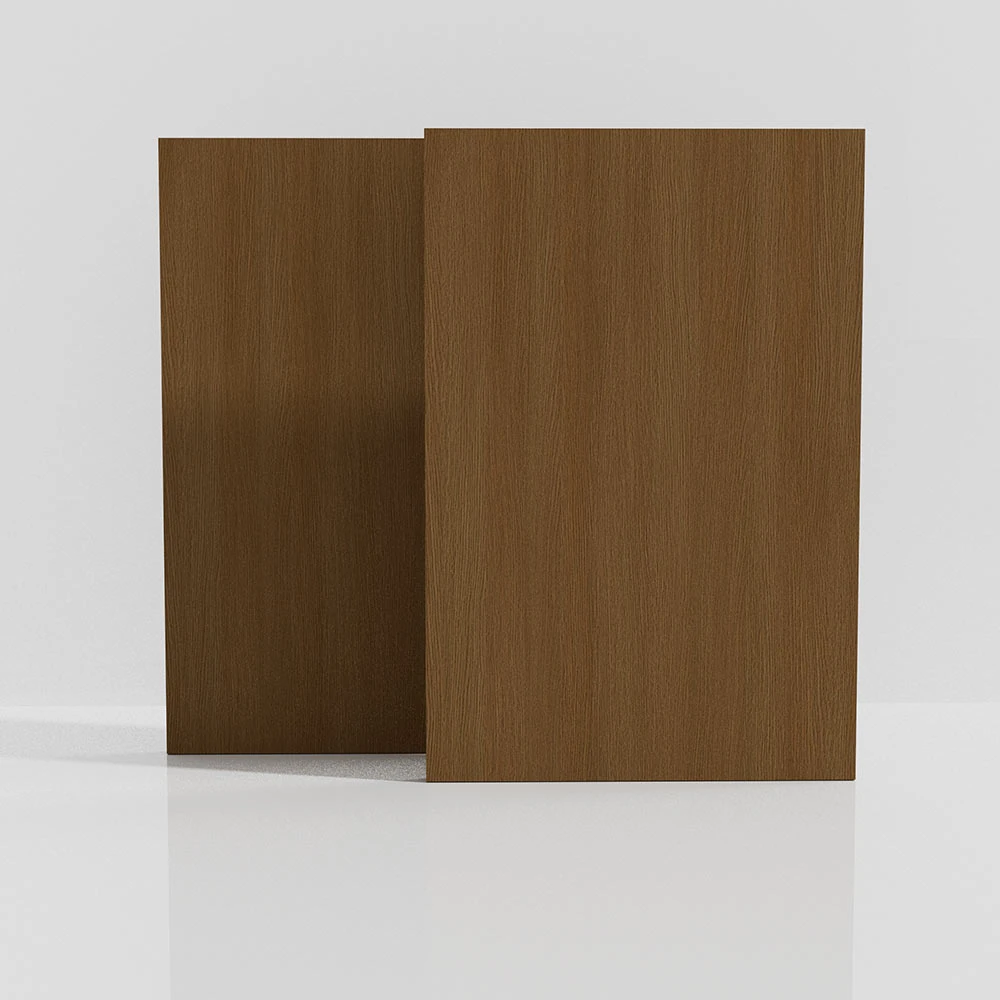
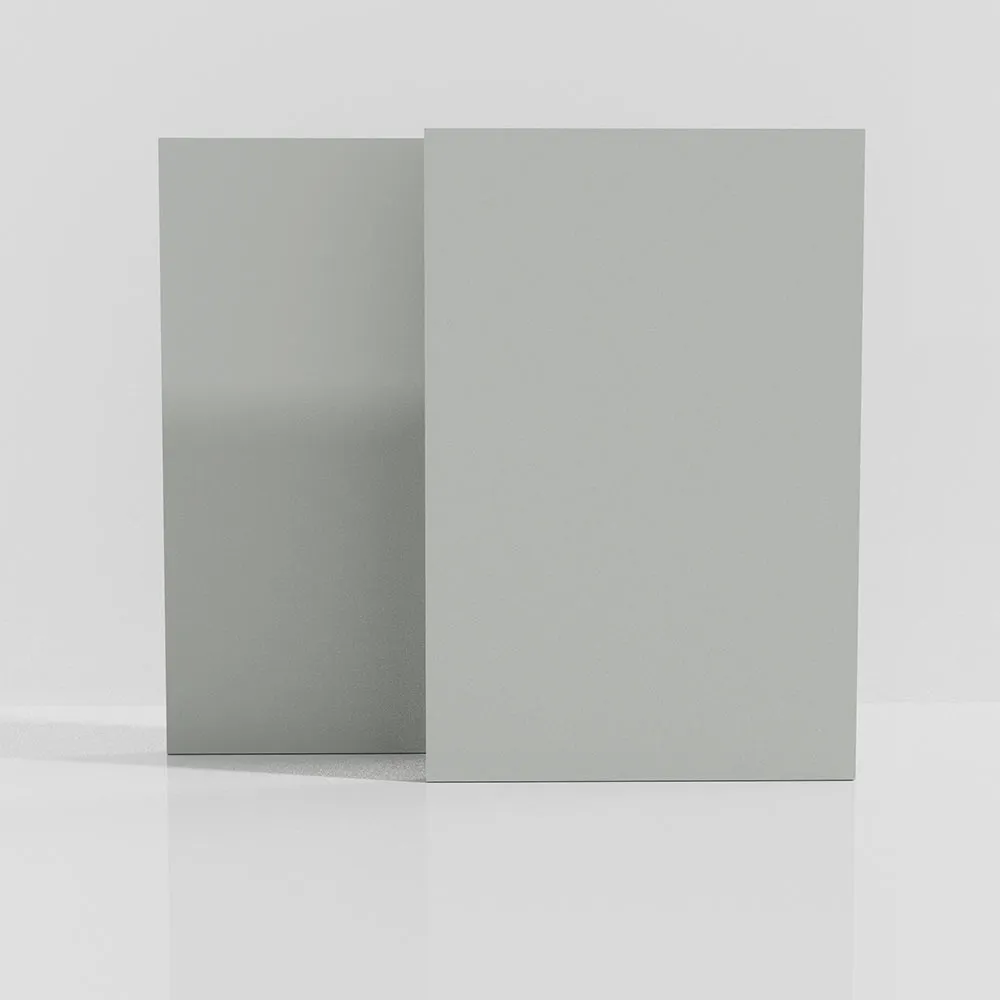
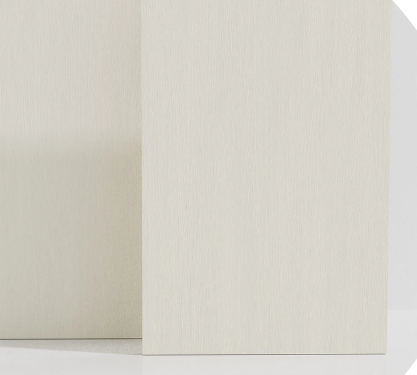
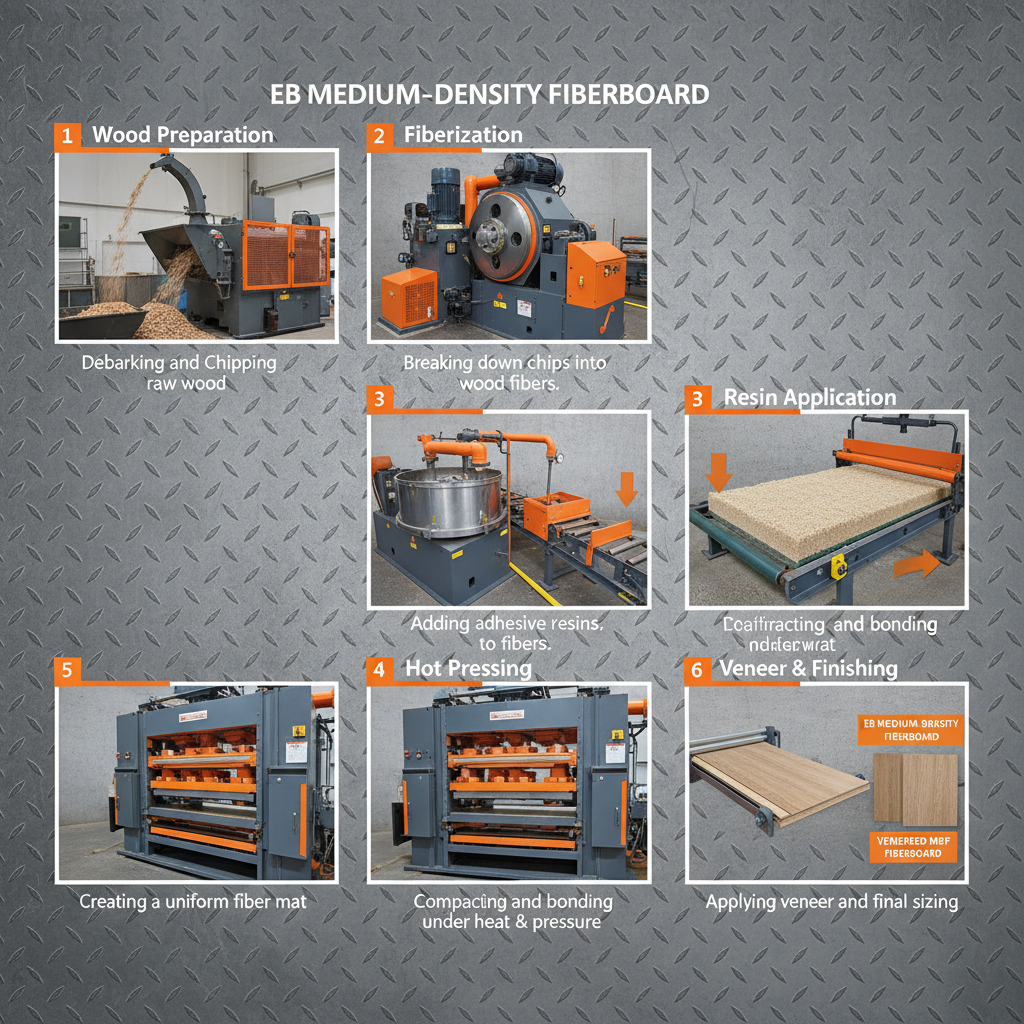
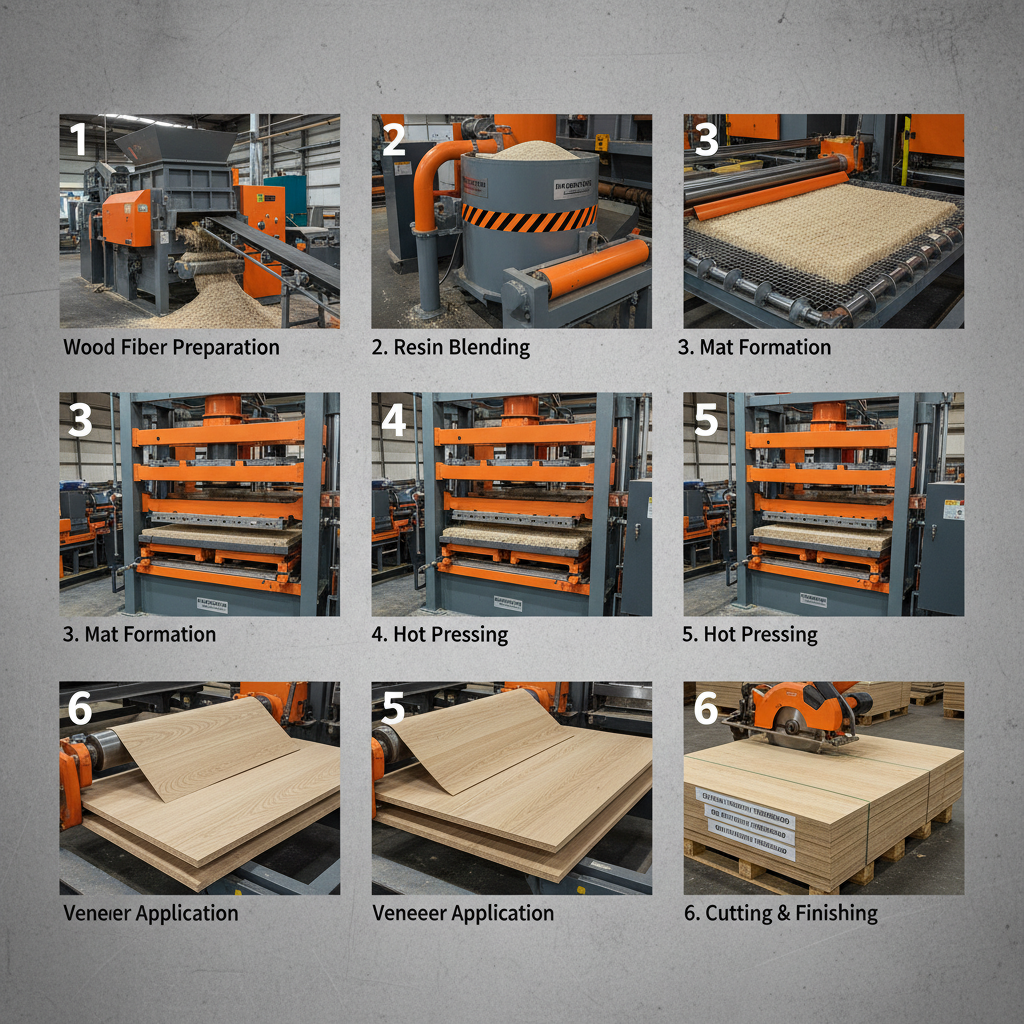
If you’re new to these, think of MDF flooring boards as smooth, engineered wood panels made by compressing tiny wood fibers with resin under heat and pressure. Unlike natural hardwood planks, which show distinct grain and knots, MDF boards are uniform in texture — think of them as a well-pressed wooden canvas. This gives designers and builders great flexibility when it comes to finishes, paints, or laminates.
In a world where modular construction and fast housing deployments are increasingly needed (especially post-disaster or in rapidly urbanizing zones), MDF flooring boards serve as a lightweight, stable substrate. They’re easier to transport, cut, and install than many alternatives — which is why many NGOs and companies swear by them for both temporary shelters and permanent builds.
Core Characteristics of MDF Flooring Boards
Durability and Strength
While MDF isn’t as tough as solid wood, it’s surprisingly durable when treated correctly. Its density prevents warping and swelling if sealed properly, making it suitable for indoor use in residential and commercial spaces. Many manufacturers now enhance MDF with water-resistant resins to up its game in humid areas.
Cost-Effectiveness
One of the biggest draws is that MDF flooring boards are cheaper than hardwood or plywood. For developers juggling tight budgets — say creating affordable apartments in developing countries — it’s a practical choice without sacrificing all quality.
Workability and Customization
The uniform surface is a playground for design: easy to paint, laminate, varnish, or laser-cut. In fact, many interiors rely on MDF boards for intricate flooring patterns or quick refurbishments because it’s forgiving under tools.
Sustainability
MDF’s origin story as fiberboard champions recycling. It can include sawmill byproducts otherwise wasted. Plus, using MDF over virgin wood helps preserve forests, agreed? Of course, there’s concern over formaldehyde-based adhesives sometimes in MDF, but low-emission varieties are becoming standard due to regulations (read: ISO standards on formaldehyde emissions).
Scalability
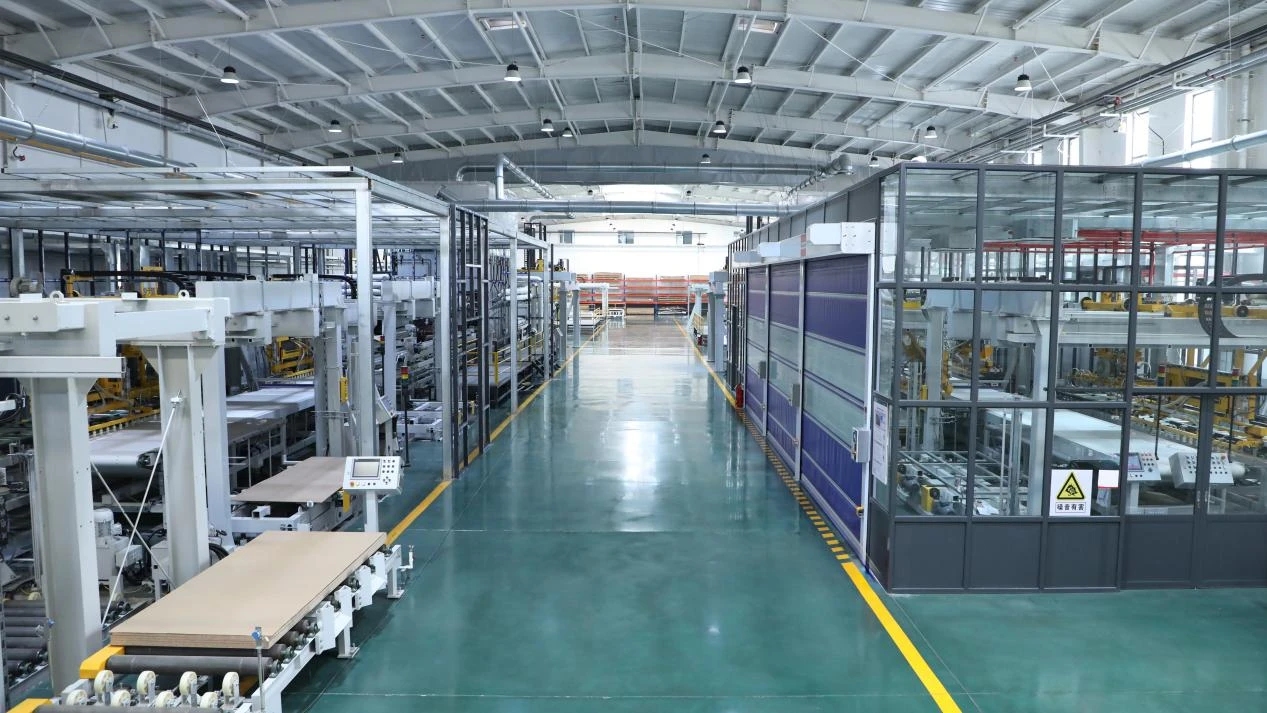
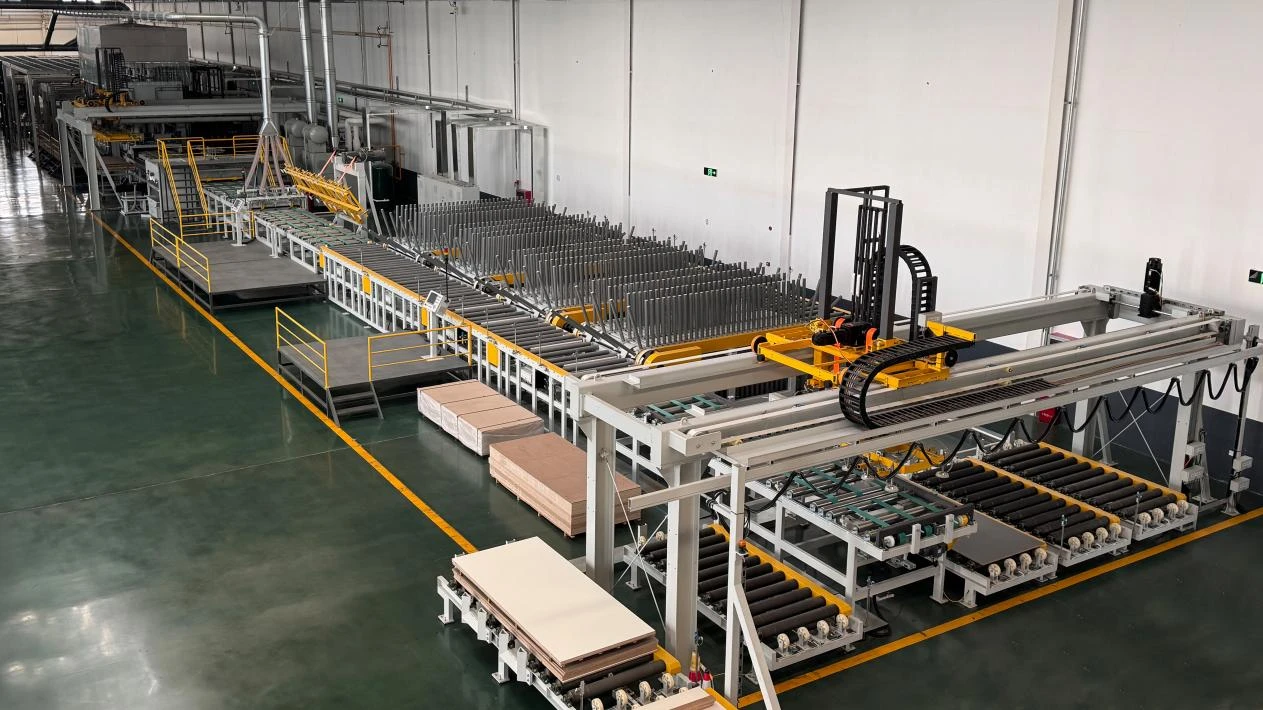
From small workshops to mega factories, MDF flooring boards can be produced at scale. This scalability fits well with rapid urban expansion where large batch shipments are essential to meet demand.
Mini takeaway: MDF flooring boards manage to strike a delicate balance between affordability, adaptability, and sustainable production — making them central to modern building strategies worldwide.
How and Where MDF Flooring Boards Are Used Globally
The versatility of MDF flooring boards shows in their global footprint:
- Southeast Asia: Quick urbanization and tropical humidity push factories to supply water-resistant MDF flooring boards for new-build condos and shops.
- Europe: Focus on low-emission MDF varieties for energy-efficient housing projects, marrying aesthetics with green building certifications.
- Africa: NGOs use MDF boards in off-grid and post-disaster structures because they’re lightweight, easy to handle, and affordable.
- North America: Interior designers favor MDF for customizable flooring in residential renovations thanks to its smooth finish.
Take a look at how a rapidly growing city in Brazil turned to MDF flooring boards during an affordable housing boom. Builders appreciated MDF’s consistency and quick turnaround times—critical factors for meeting tight deadlines without blowing budgets.
Advantages and Long-Term Value
Making the switch to MDF flooring boards isn’t just about immediate cost savings. It’s a long game:
- Economic Impact: Encourages local production facilities where timber waste is abundant, fostering jobs.
- Environmental Sustainability: Downcycles wood waste, lessens deforestation, and aligns with carbon reduction targets.
- Social Benefits: Results in safer, more affordable flooring options, improving quality of life especially in low-income housing.
- Innovative Appeal: Opens doors to design innovation with laminates, patterns, and coatings previously too costly on traditional wood floors.
On an emotional note, many homeowners report feeling “proud to have materials that aren’t just cheap but responsible.” It’s an example of green-conscious living becoming real rather than just a buzzword.
What’s Next? Trends and Innovations in MDF Flooring
Technology marches on. Here’s where MDF flooring boards are heading:
- Eco-Resins: Moving away from formaldehyde-based binders to bio-based adhesives.
- Smart Flooring: Integrating sensors directly into MDF panels for smart home applications.
- Recycling Programs: Closed-loop systems where MDF scrap gets recovered and reused to cut waste even further.
- Digital Fabrication: CNC and laser cutting allow laser-precise, customized floor shapes impossible by hand.
These innovations hint at a future where MDF floors aren’t just floors—they’re part of a smarter, greener building ecosystem.
Challenges and How the Industry is Tackling Them
• Moisture sensitivity: Although improved, MDF is still more prone to swelling than hardwood under prolonged water exposure. Solutions include advanced coatings and hybrid materials.
• Adhesive concerns: Formaldehyde emissions remain a critical stealth issue. Governments and industries collaborate to enforce stricter emission standards and promote green adhesives.
• Perception issues: Some consumers see MDF as “cheap and flimsy.” Education on quality improvements and real-life durability tests help overcome this stigma.
Product Specifications of Select MDF Flooring Boards
| Specification |
Standard MDF Board |
Water-Resistant MDF |
Low-Emission MDF |
| Thickness |
12 mm - 25 mm |
12 mm - 30 mm |
12 mm - 25 mm |
| Density |
600-800 kg/m³ |
700-850 kg/m³ |
600-750 kg/m³ |
| Water Resistance |
Low |
High |
Moderate |
| Formaldehyde Emission |
E1 Standard |
E1 Standard |
Ultra Low (E0) |
| Typical Use |
Indoor Flooring |
Flooring in humid areas |
Eco-sensitive spaces |
Comparing Top MDF Flooring Board Vendors
| Vendor |
Price Range (per m²) |
Shipping Options |
Sustainability Certifications |
Warranty |
| Teng Fei MDF |
$12 - $18 |
Global freight & local partners |
FSC, E0 certified |
5 years |
| Green Wood Panels Ltd. |
$15 - $20 |
International sea & rail |
PEFC, low VOC |
7 years |
| OakHaven MDF |
$14 - $17 |
Mostly regional distribution |
FSC certified |
3 years |
Frequently Asked Questions About MDF Flooring Boards
Q: How long do MDF flooring boards typically last in normal indoor environments?
A: With proper installation and maintenance, MDF floors can last 10–15 years indoors. Key is protecting edges from moisture and using good finishes to prevent swelling.
Q: Are MDF boards suitable for bathrooms or kitchens where moisture levels are high?
A: Standard MDF isn’t ideal for high-moisture areas, but water-resistant variants with special resins perform well. Even then, adequate sealing and ventilation are necessary to avoid damage.
Q: Can MDF flooring boards be sanded and refinished like hardwood floors?
A: Not really. MDF's fibers don’t respond to sanding like wood grain. Instead, surface repairs or overlay laminates are preferred for extending lifespan.
Q: Is MDF flooring an eco-friendly option?
A: Generally yes. MDF repurposes wood fiber waste and reduces reliance on virgin timber. Choosing low-emission, certified MDF further reduces environmental impact.
Q: How do I order MDF flooring boards for international projects?
A: Many vendors, such as Teng Fei, offer global shipping with support for customs and import documentation. It’s wise to discuss logistics early with suppliers.
Final Thoughts: The Long Game with MDF Flooring Boards
MDF flooring boards are more than just building materials. They represent a practical intersection of sustainable resource use, affordability, and design flexibility that resonates across continents. As urbanization, climate awareness, and technical innovation accelerate, these boards are poised to become even more integral to construction worldwide. Whether you’re an architect specifying materials, a builder chasing costs, or someone wanting greener floors at home, MDF offers a pretty compelling story worth getting behind.
Feel free to explore more or connect with trusted providers by visiting https://www.tengfeiebmdf.com. It’s a neat portal into the modern, responsible world of engineered wood flooring.
References:
- United Nations Sustainable Development Goals (SDGs)
- ISO Standards on Formaldehyde Emissions in Wood-Based Panels
- International Energy Agency: Global Status Report for Buildings and Construction, 2020