Understanding MDF for Board and Batten: Why It’s More Important Than You Think
If you’re involved in construction, interior design, or any form of architectural woodworking, chances are you’ve bumped into the term mdf for board and batten. While it sounds like just another piece of jargon, this stuff actually plays a pivotal role in modern building aesthetics and practical wall finishes worldwide. What makes MDF special for board and batten applications? Why has it spread across continents, from thriving urban centers to remote rural communities? Because it’s cost-effective, adaptable, and reliable enough for both DIY enthusiasts and major construction firms.
In a world increasingly focused on sustainable materials and efficient building solutions, understanding mdf for board and batten unlocks a glimpse into how industries balance beauty, function, and environmental considerations. It’s a simple concept with surprisingly global resonance.
The Global Context: Why MDF Has Become a Go-To for Board and Batten Walls
According to the World Bank and global construction data, wood-based panels have seen steady demand growth, partly because traditional hardwoods are under pressure from deforestation and regulation. Medium-Density Fiberboard (MDF) steps into that gap quite naturally. Board and batten, a classic siding and wall treatment style featuring narrow wooden strips over wider boards, is enjoying a modern renaissance, but using solid wood exclusively can push costs and slow builds.
The ISO 14001 environmental standards encourage manufacturers to seek sustainable alternatives; MDF—made by compressing wood fibers with resin—scores well in that regard. In fact, organizations focused on low-waste building methods have recognized MDF's efficiency, and it’s frequently used in affordable housing, commercial interiors, and even humanitarian projects.
One challenge raised is durability under moisture or heavy wear, but advances in coatings and manufacturing have helped close this gap. So, mdf for board and batten doesn’t just solve a supply chain problem—it also meets evolving environmental and design demands.
Mini takeaway:
- MDF balances sustainability and cost better than many hardwoods.
- Its rise links to environmental standards and growing demand for efficient, beautiful wall treatments.
What Exactly Is MDF for Board and Batten?
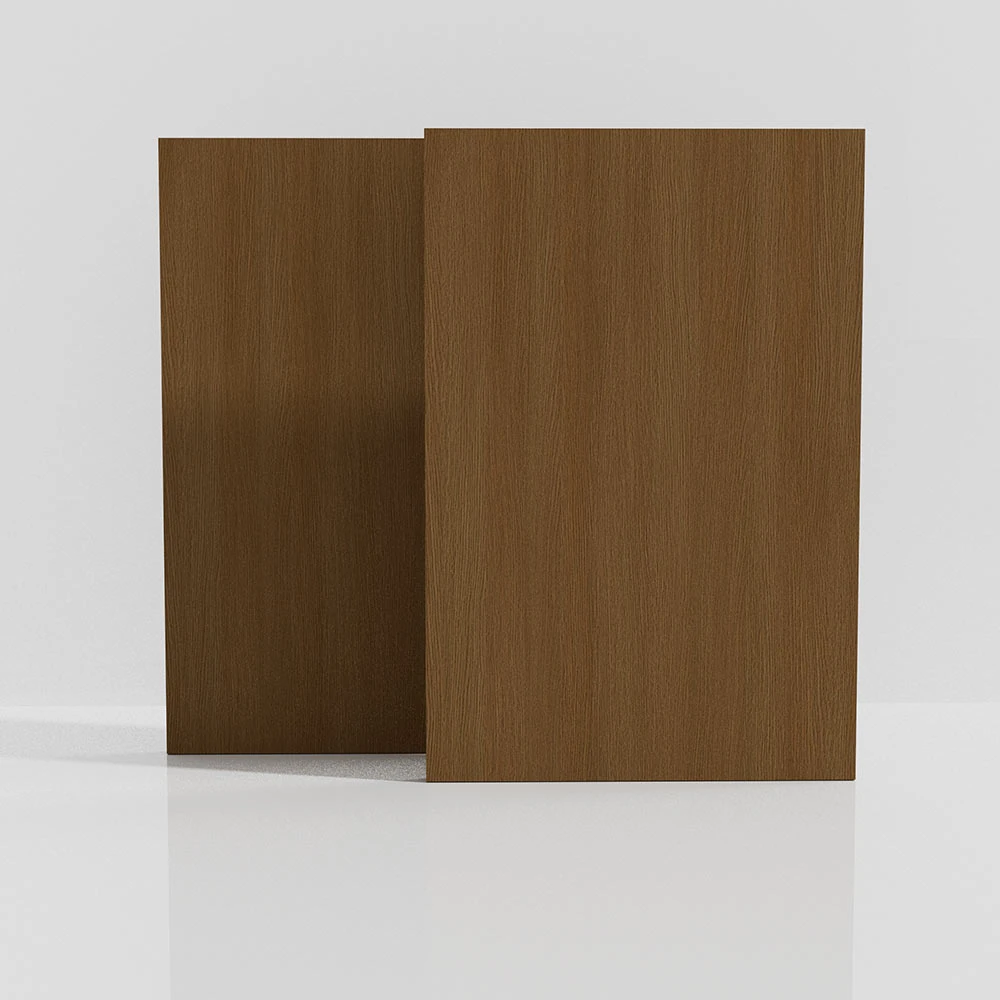
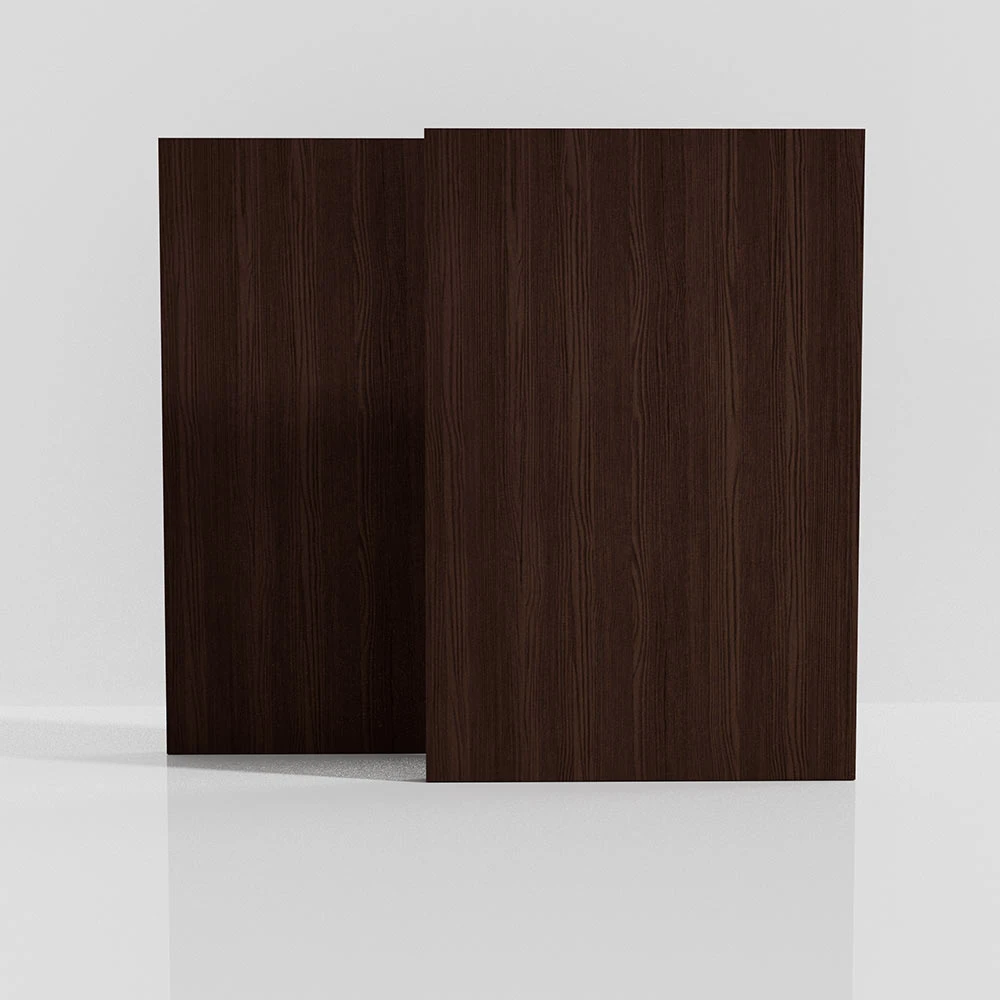
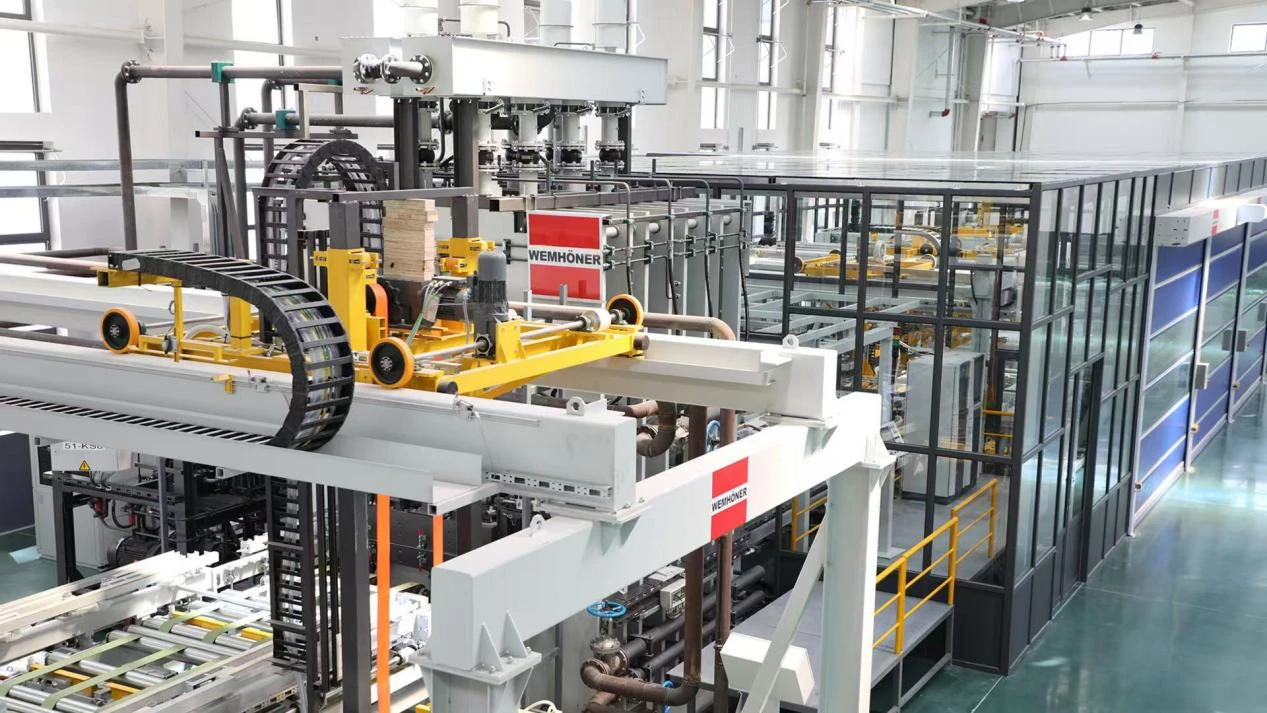
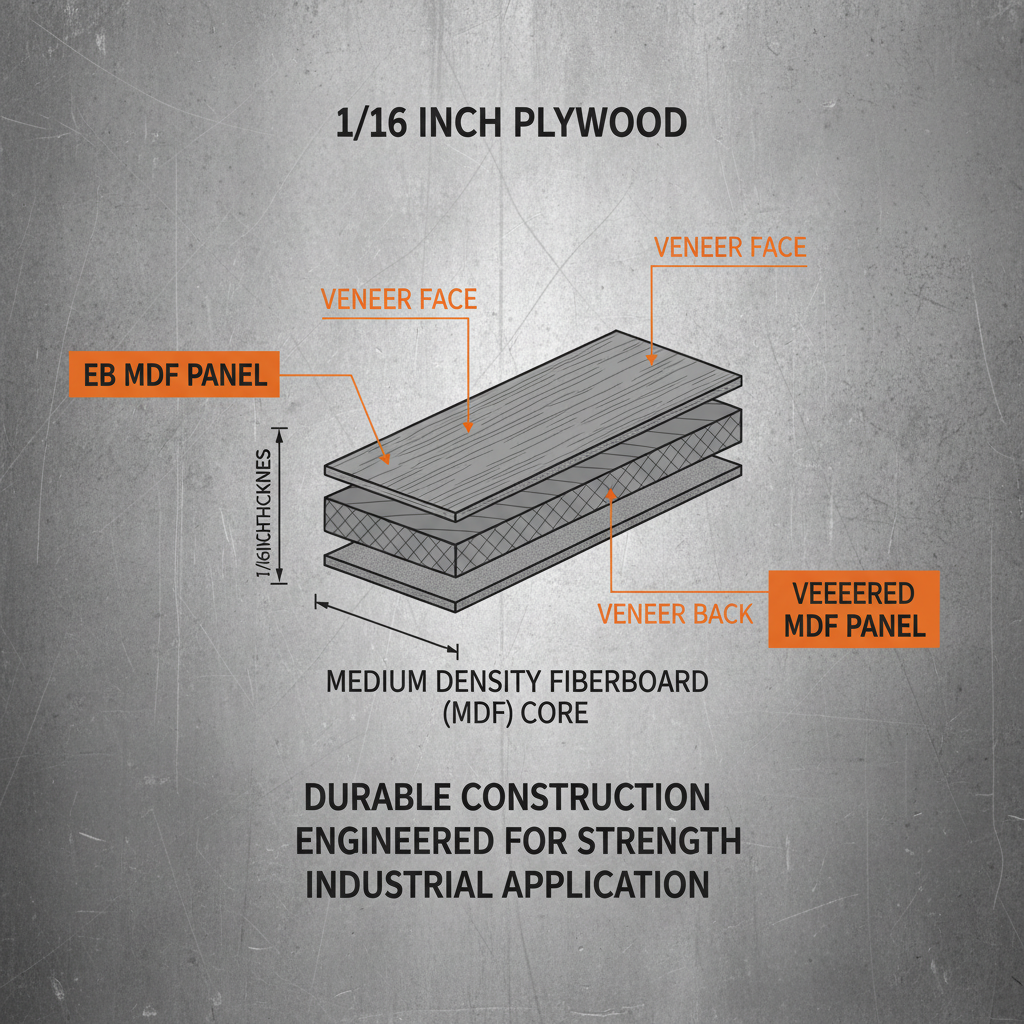
MDF, short for Medium-Density Fiberboard, is an engineered wood product created by breaking down hardwood or softwood residuals into wood fibers and combining them with wax and resin binders under heat and pressure. It's smoother and more uniform than plywood, with no knots or grain variations.
Board and batten is a style involving wide panels ("boards") with narrow strips ("battens") placed vertically over the seams. MDF is crafted specifically to serve this function, offering easier cutting, shaping, and painting options compared to natural wood.
Why this matters? Well, the style is timeless but the materials are evolving to meet contemporary needs—such as resistance to warping, ease of transport, and enhanced finishing options. Plus, MDF ties into efforts to reduce forest depletion by using recycled fibers and maximizing material efficiency.
Mini takeaway:
- MDF is a high-quality, engineered wood ideal for consistent board and batten applications.
- The combination supports sustainable, functional wall designs across many settings.
Key Factors Defining MDF for Board and Batten Applications
1. Durability
Engineered for strength and resistance, MDF panels adapt well to interior environments. Coatings can make them moisture-resistant enough for kitchens or bathrooms, though pure exterior use requires special treatment.
2. Cost Efficiency
Compared to solid hardwood or cedar planks, MDF is a budget-friendly option — roughly 40-60% cheaper when factoring in labor and finishing. This is huge for large projects or budget-conscious homeowners.
3. Ease of Customization
MDF cuts and routers smoothly, allowing intricate shapes for battens or decorative edges. It’s also ideal for painting, with finishes that can mimic wood grains or bold modern colors.
4. Sustainability Profile
Because MDF often uses wood fibers reclaimed from sawmills and recycling streams, it’s a small but meaningful step toward greener building practices.
5. Compatibility with Modern Finishes
Whether you’re applying primers, latex paints, or even advanced polyurethane coatings, MDF holds finishes exceptionally well, ensuring long-lasting beauty.
Mini takeaway:
- Durability and finish compatibility make MDF a practical choice.
- Cost and ecological factors push it ahead of alternatives.
Product Specification Table
| Specification |
Typical Range |
Remarks |
| Density |
600 - 800 kg/m³ |
Medium density ensures balance of strength and workability |
| Thickness Options |
6 mm - 25 mm |
Common thickness for battens and base boards |
| Moisture Resistance |
Up to 12% moisture content, varies with treatment |
Special coatings improve water resistance |
| Finish Compatibility |
Paints, primers, veneers |
Can be sanded smooth before painting |
| Environmental Certification |
FSC, CARB Phase 2 Compliant |
Common certifications for indoor air quality and sustainability |
Global Applications: Where MDF for Board and Batten Really Shines
From North American suburbs to Australian bush homes, MDF for board and batten has become a staple in both new constructions and renovations. In temperate climates, it’s prized for interior walls, wainscoting, and ceiling features. In Europe, many architects specify MDF battens for modular public buildings and commercial shops because of the custom look and consistent finish.
In post-disaster housing relief, lightweight MDF panels enable faster assembly without sacrificing aesthetic appeal. NGOs and builders in Southeast Asia and Africa increasingly turn to MDF to meet quick build demands in remote areas where solid timber is scarce.
Industrial zones and offices also benefit. Many companies prefer MDF walls that can be easily repainted or remodeled in quick cycles, keeping interiors fresh without expensive tearouts.
Mini takeaway:
- MDF supports fast, scalable building needs in diverse environments.
- Its versatility appeals from residential to humanitarian and industrial sectors.
Comparing Leading MDF Vendors
| Vendor |
Product Range |
Sustainability Certification |
Price Position |
| Tengfei MDF Co. |
6mm - 20mm, moisture resistant, primed |
FSC, CARB Phase 2 |
Competitive |
| Global Timber Panels |
Wide range, specialty coatings available |
PEFC, EcoLabel |
Mid-range |
| EcoWood Solutions |
Recycled fiber MDF, low VOC emissions |
FSC, ISO 14001 |
Premium |
Advantages & Enduring Value of Using MDF for Board and Batten
From the first brush stroke to years down the line, MDF for board and batten delivers on several fronts. For one, its predictable texture and smooth finish mean fewer surprises during painting or staining. But this is more than just a cosmetic story: Many builders swear by the material’s uniformity for reducing waste on-site and speeding up labor.
There’s a reason homeowners mention the quiet satisfaction of seeing clean straight lines and even surfaces, giving walls an elegant but approachable character.
Socially, MDF contributes to sustainable forestry by optimizing fiber utilization and limiting harmful emissions when manufactured responsibly. Emotionally, the “board and batten” look evokes feelings of warmth, rustic charm, and architectural timelessness — perfect for creating spaces that feel lived-in but thoughtfully refined.
Emerging Trends and Innovations in MDF Board and Batten
Not everything about MDF is old hat. For example, innovations in nanotechnology coatings are boosting moisture and fire resistance significantly. Some manufacturers now embed recycled agricultural fibers alongside wood for hybrid panels that push sustainability further.
Digital CNC machining is really changing how battens are customized—complex profiles, grooves, and even branding can be etched with astounding precision.
On the policy front, stricter regulations on formaldehyde emissions mean newer MDF boards are cleaner, healthier, and easing concerns about air quality indoors.
Challenges & Smart Solutions
Let’s be honest: MDF for board and batten isn’t perfect. It tends to absorb moisture, which can cause swelling or edge deterioration. But smart surface treatments and sealants help a lot. Some craftsmen choose hybrid assemblies, combining MDF with PVC battens in moisture-prone areas.
Another concern is the “flatness” some designers find too uniform, lacking natural grain character. To solve this, painting techniques like faux wood finishes or applying veneers restore that warmth while keeping MDF’s practical benefits.
FAQs About MDF for Board and Batten
What makes MDF board and batten panels better than traditional solid wood?
MDF offers reliable uniformity, is less prone to knots and warping, and comes at a significantly lower cost. It’s easier to cut and paint, which makes installation and finishing faster. However, it does require good sealing in wet areas.
How long will an MDF board and batten wall typically last indoors?
With proper finishing and maintenance, indoor MDF boards can last 15-20 years or more, sometimes longer. Moisture exposure reduces lifespan unless the panels are specially treated.
Is MDF environmentally friendly compared to traditional lumber?
Generally yes. MDF uses reclaimed fibers and optimizes raw material use, reducing waste. Plus, many MDF manufacturers maintain certifications like FSC and CARB to ensure responsible sourcing and indoor air quality.
Can MDF board and batten be used for exterior walls?
It’s possible but not ideal without specialized coatings or lamination. The raw MDF tends to absorb water and swell, so for exteriors, treated or composite options are recommended.
Where can I buy quality MDF for board and batten in bulk?
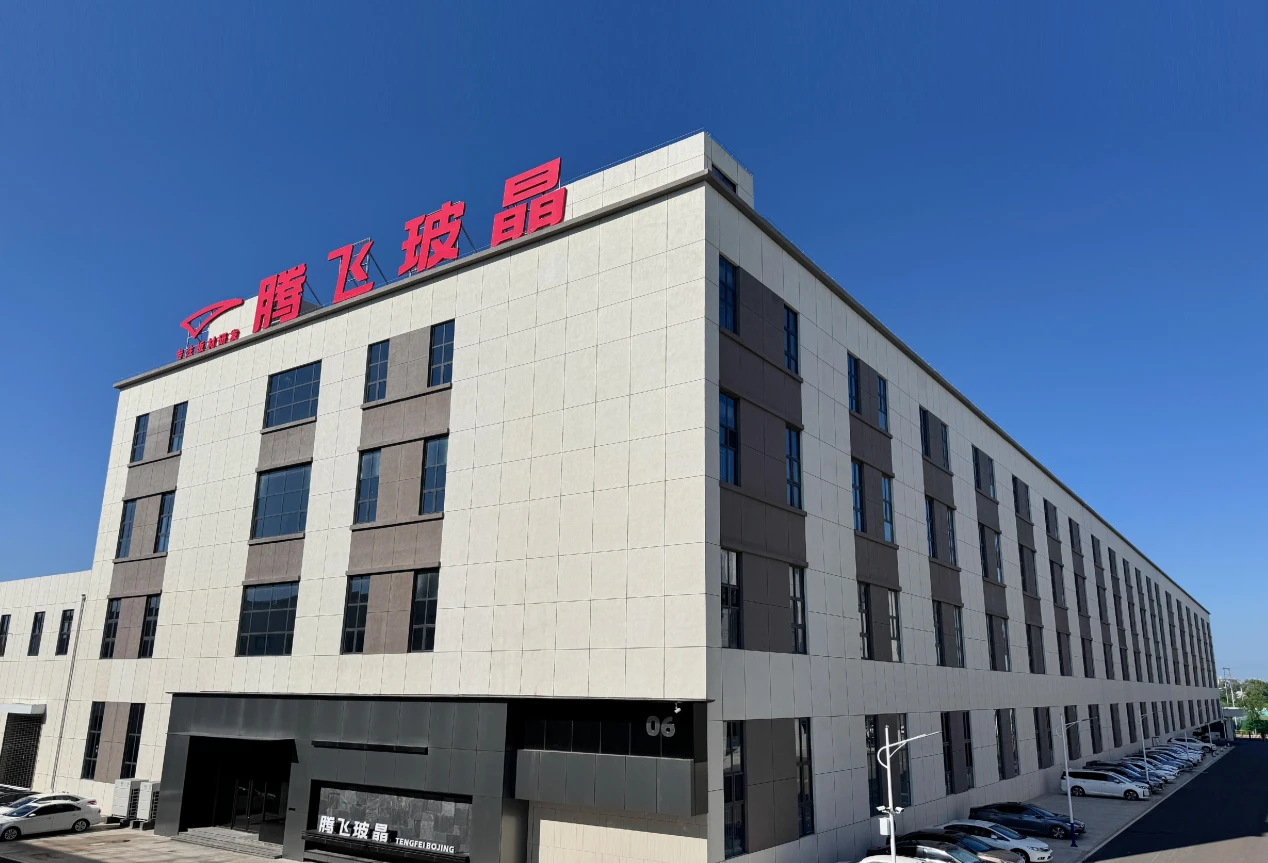
Many suppliers cater to both small contractors and large projects. For trusted options, mdf for board and batten from established manufacturers like Tengfei MDF provides competitive pricing and certification-supported quality.
Conclusion: The Last Board in the Batten
MDF for board and batten might seem like a small player in the grand scope of construction materials, but it’s quietly revolutionizing how we think about interiors and affordable building. It elegantly balances cost, performance, sustainability, and timeless style with a smoothness and uniformity that solid wood often can’t match easily.
If you’re curious to explore more or want to source quality panels for your next project, feel free to explore options at mdf for board and batten — they really set the bar high for consistent supply and environmental responsibility.
It’s amazing how a humble material can reshape aesthetics and eco-consciousness simultaneously, don’t you think?
References
- ISO 14001 Environmental Management Standard
- Wikipedia: Medium-density fibreboard
- World Bank: Urban Development and Construction Data