Understanding MDF High Gloss Board: Why It Matters Worldwide
When you hear the term mdf high gloss board, you might imagine a simple furniture material or maybe a panel sleek enough to grace a modern kitchen cabinet. But in reality, this product sits at an interesting intersection of global manufacturing trends, sustainability efforts, and even humanitarian design challenges. Its polished surface and engineered core make it a staple in construction, interior decoration, and product design, especially as industries worldwide push for durable, attractive, and cost-effective materials.
This article dives into what mdf high gloss board really is, why it’s gaining traction globally, and the tangible benefits that come with understanding it better. Whether you’re a manufacturer, architect, or just curious about sustainable materials shaping our future, this is for you.
A Global Perspective on MDF High Gloss Boards
The global wood-based panel market, which MDF is part of, is projected to grow by approximately 5-6% annually (source: FAO, 2022). This growth parallels increasing urbanization and demand for affordable yet smart materials. Moreover, the International Organization for Standardization (ISO) introduced standards to improve the environmental footprint of engineered wood products, including MDF.
Yet despite this growth, industries still face challenges around sourcing sustainable raw materials and addressing indoor air quality concerns from formaldehyde emissions. Here, mdf high gloss board helps balance aesthetics, performance, and environmental impact — providing an answer to these global challenges.
What Exactly Is MDF High Gloss Board?
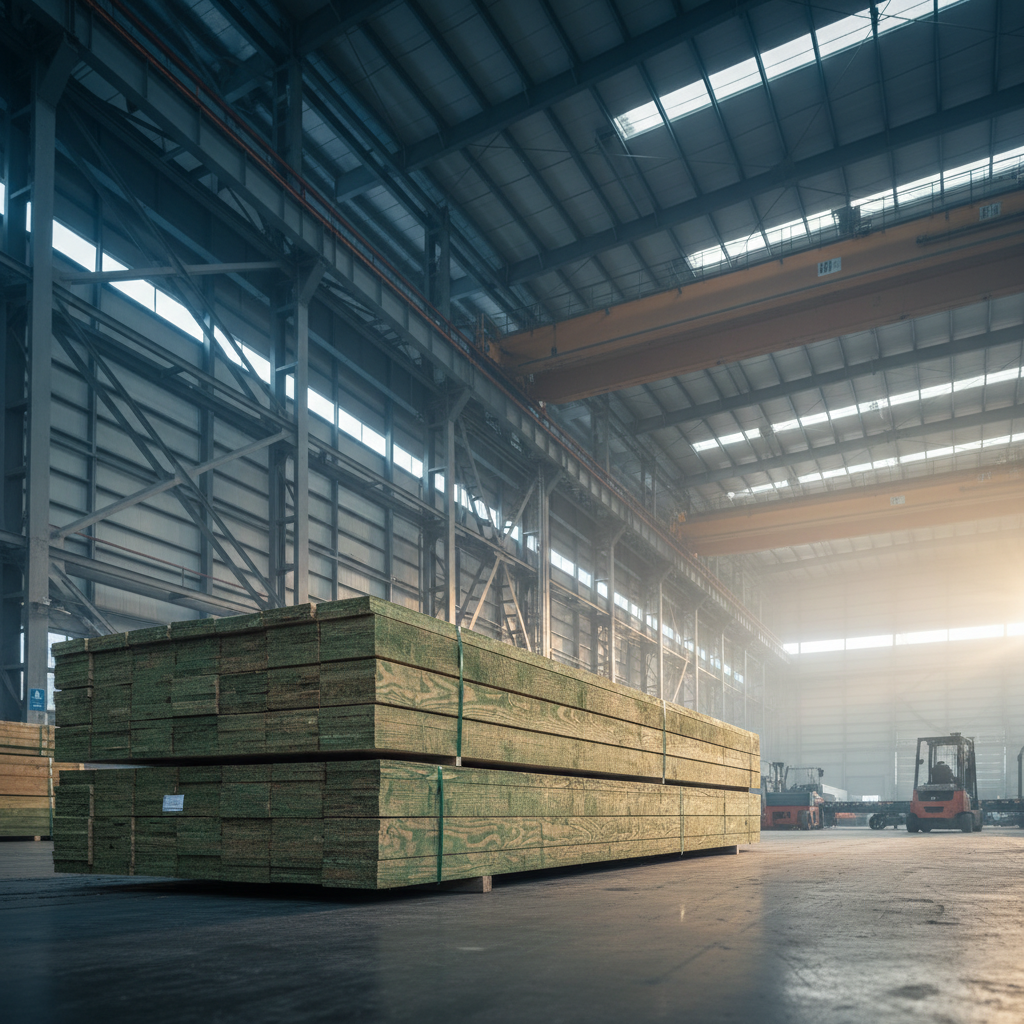
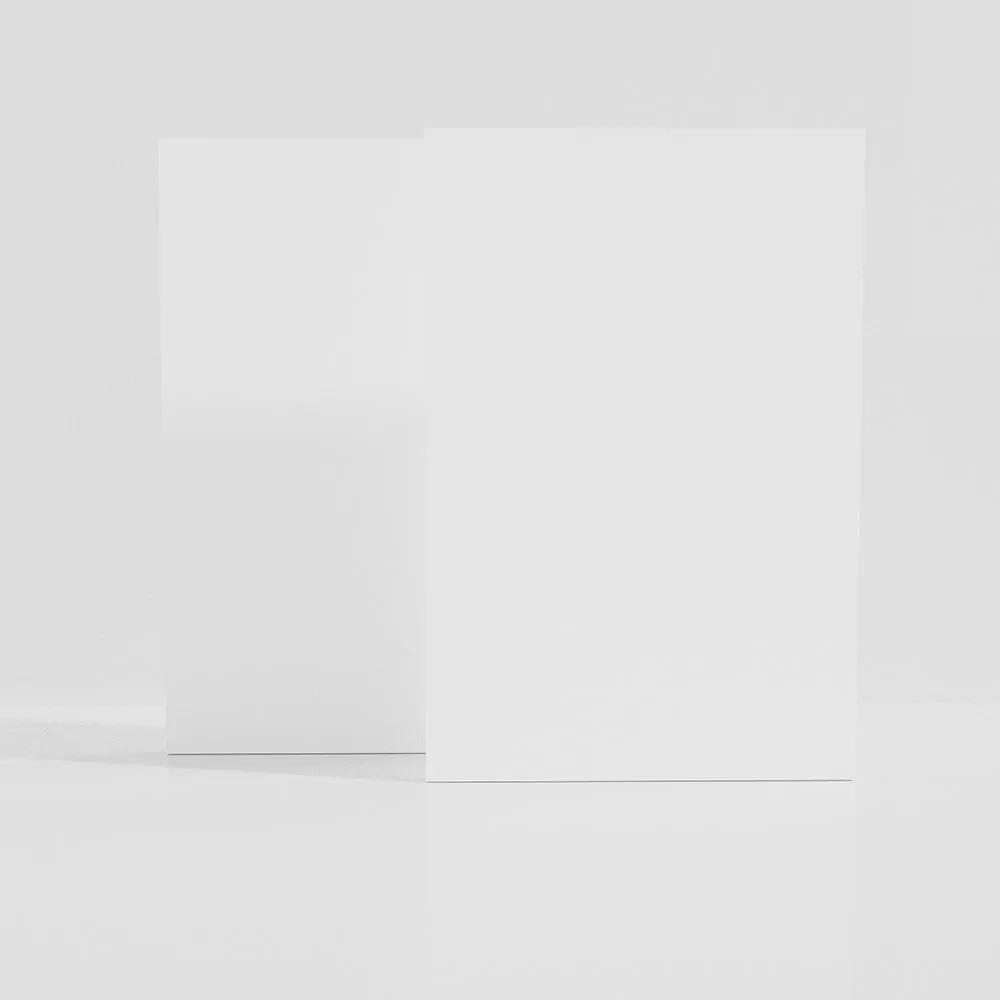
At its core, MDF (Medium Density Fiberboard) is made from wood fibers bonded together with resin under heat and pressure, forming a smooth, homogeneous panel. Adding a high gloss finish means coating or laminating the panel with a lustrous surface, usually through UV-curing or polymer layers, that reflects light and adds an ultra-smooth sheen.
This high gloss treatment does more than look good — it enhances resistance to moisture, scratches, and stains, making MDF high gloss board a modern marvel for interiors needing both style and substance. In humanitarian and development contexts — say low-cost housing or temporary clinics — these boards also provide aesthetic dignity without heavy cost or weight.
Key Factors That Make MDF High Gloss Boards Stand Out
1. Durability
Despite its fiberboard base, the high gloss layer greatly improves resistance to daily wear. Scratch-resistant coatings allow it to stay pristine in heavy-use environments, from offices to hospitals.
2. Cost Efficiency
Compared to solid wood or natural stone, MDF with a glossy finish cooks up significant savings — roughly 30-50% less in raw material costs, plus easier transport due to uniform sizes.
3. Versatility
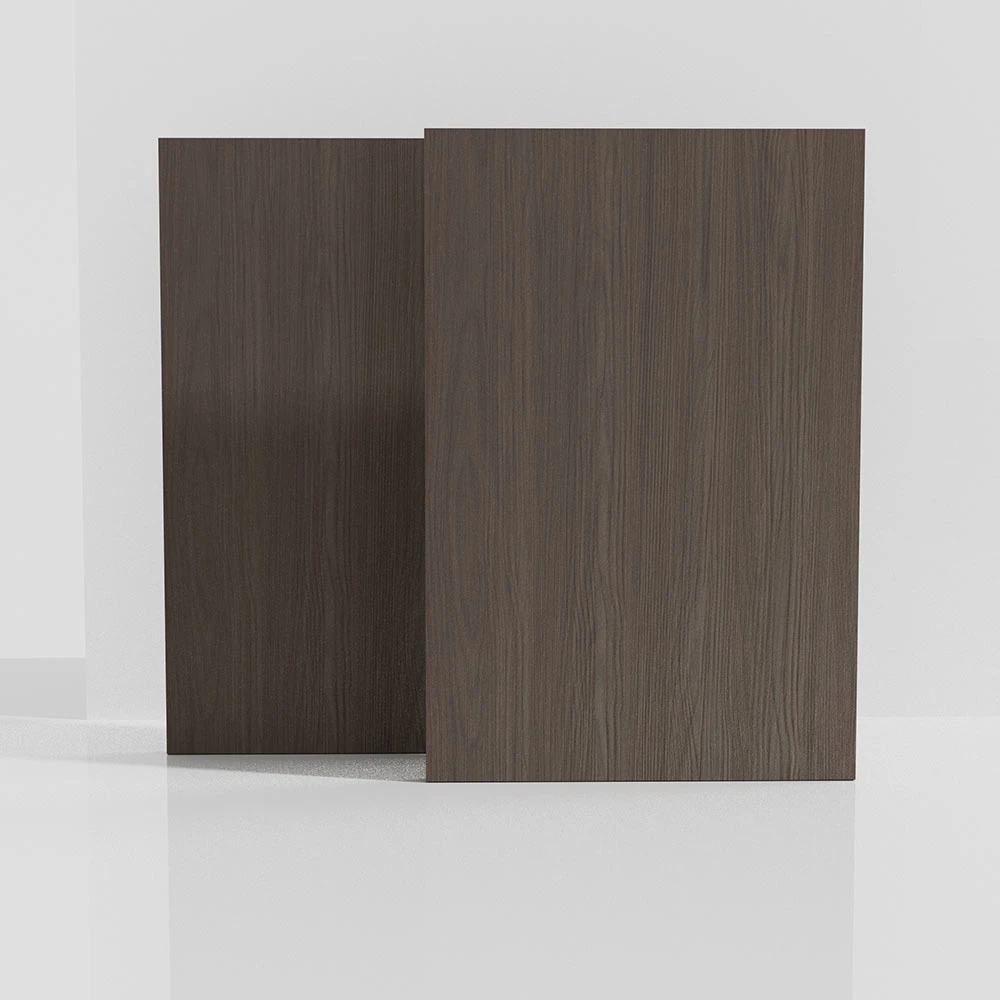
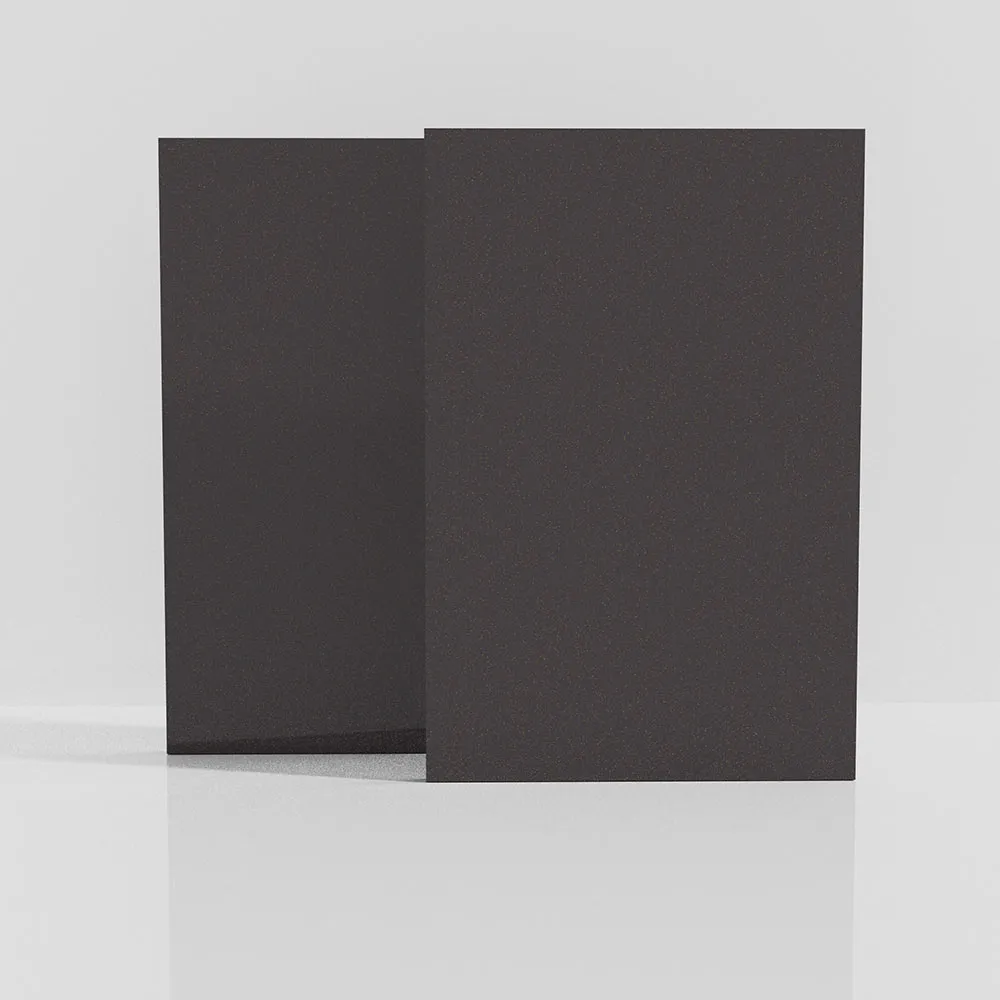
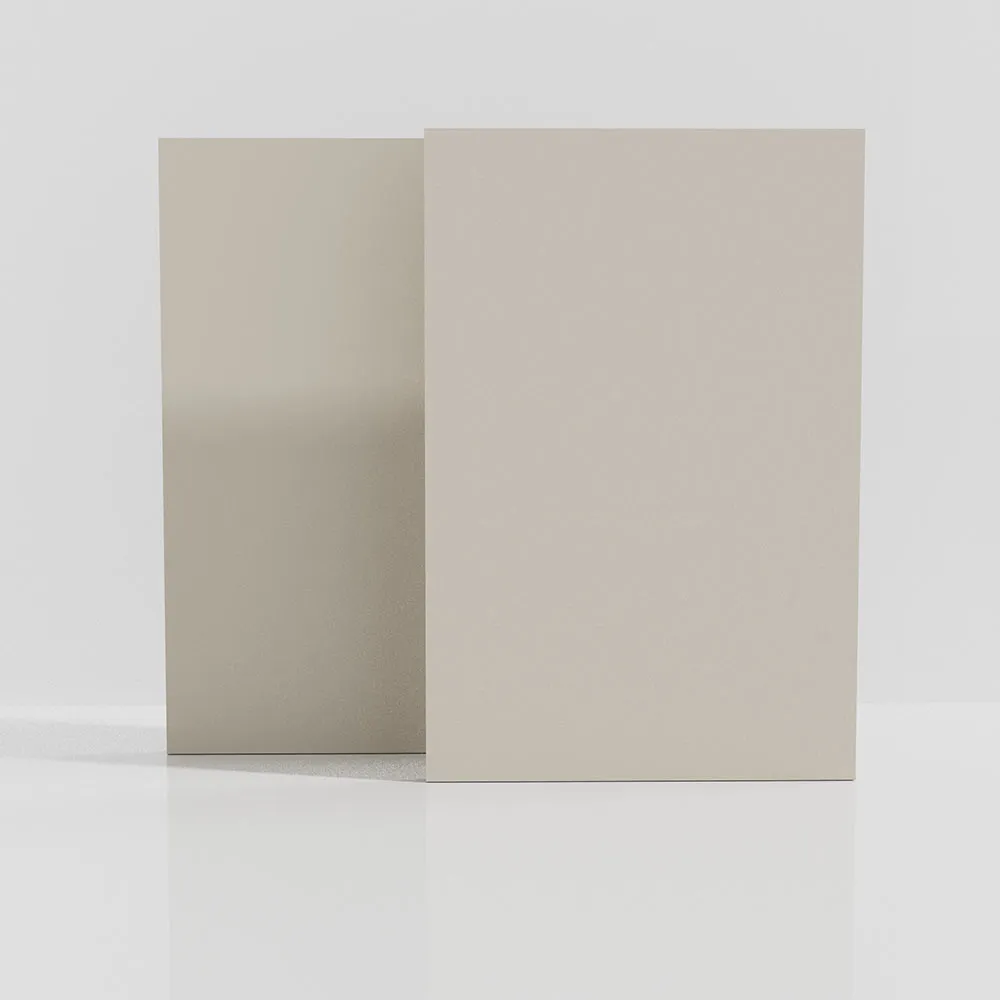
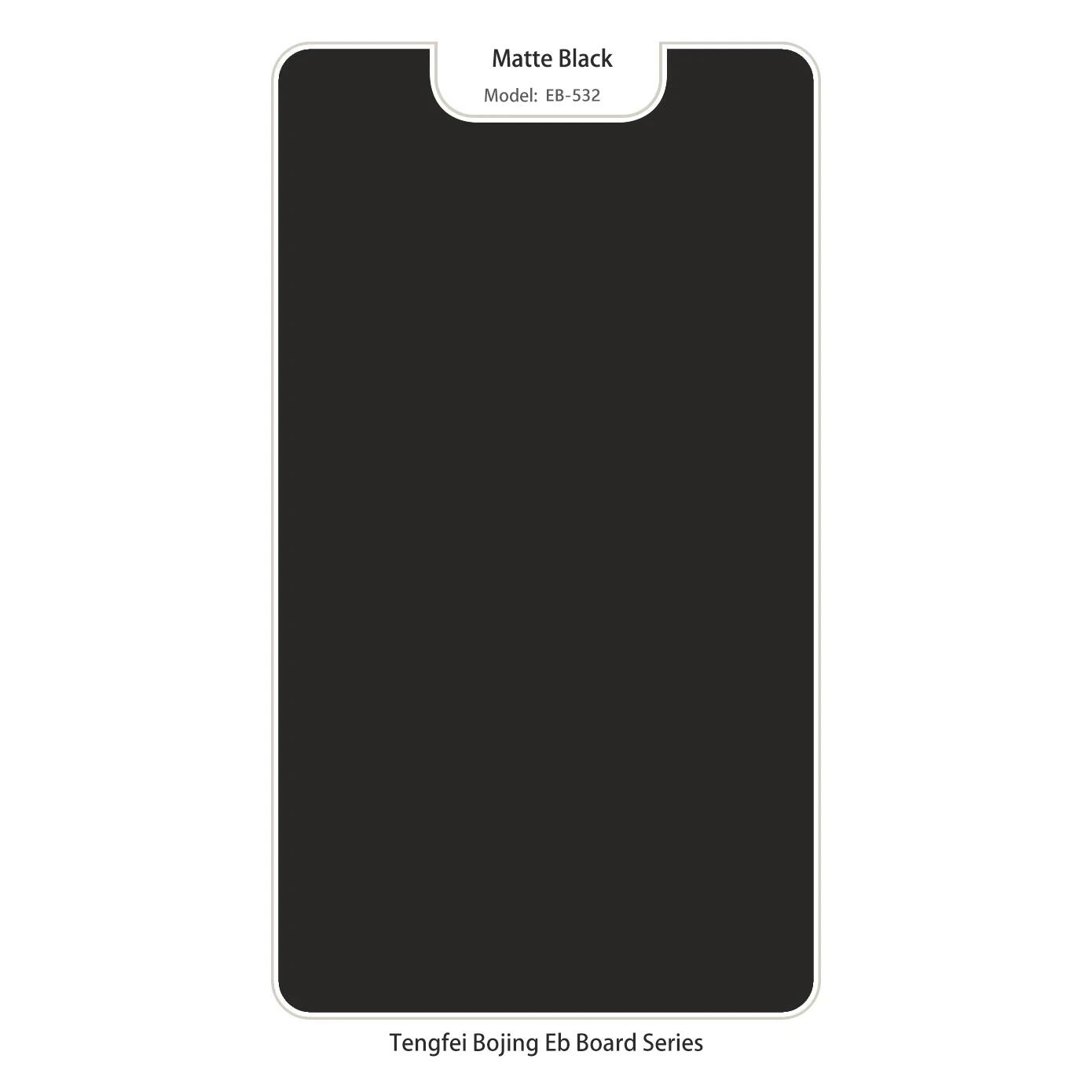
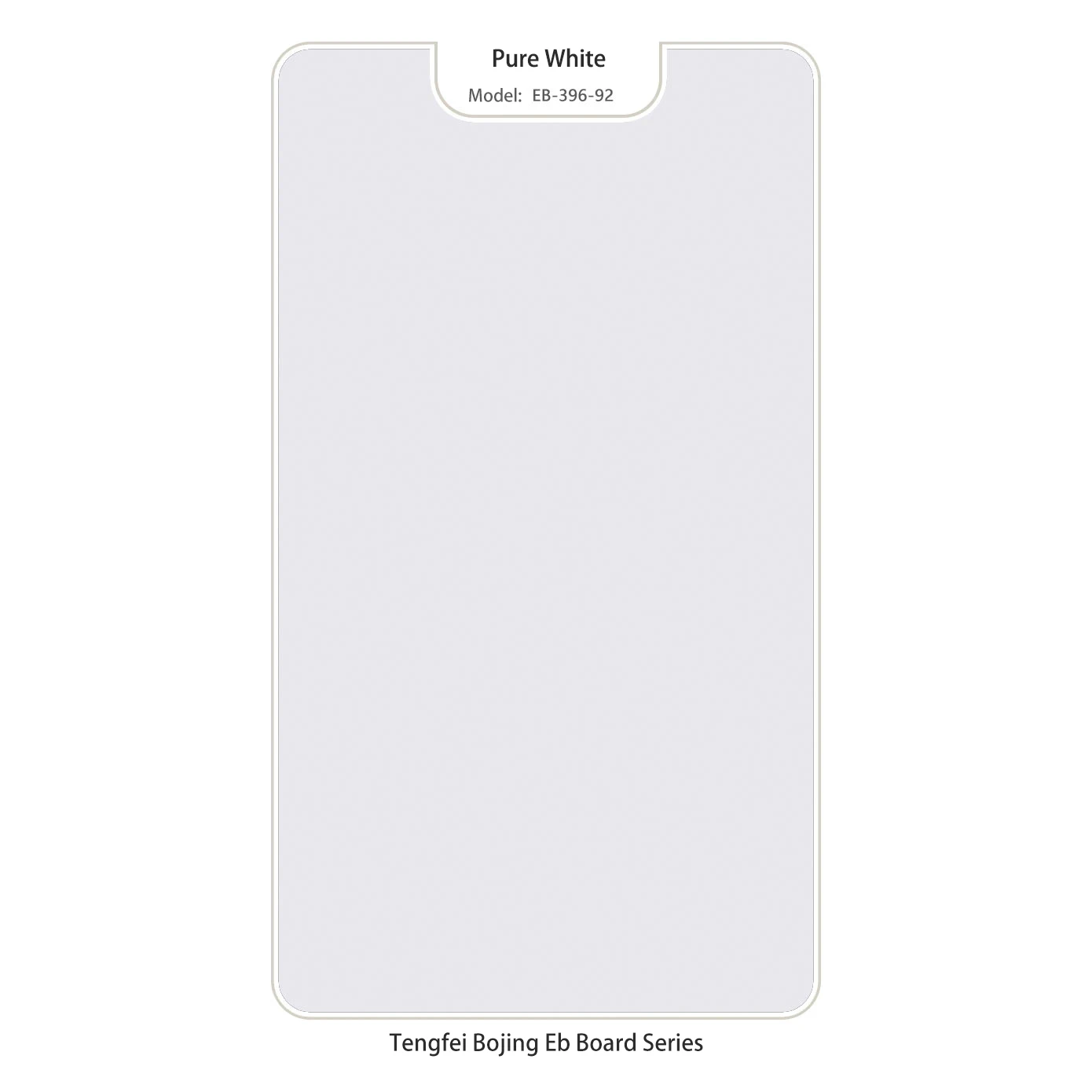
Manufacturers can customize colors, edge profiles, and sizes, making these boards fit both traditional and avant-garde designs.
4. Sustainability
Since MDF recycles wood waste and uses less raw timber, combined with low-VOC resins, it aligns with green building certifications like LEED.
5. Ease of Maintenance
Its sleek surface means spills are easily wiped away, preventing staining and prolonging lifespan.
Typical MDF High Gloss Board Specifications
| Characteristic |
Details |
| Thickness Range |
6mm to 30mm |
| Gloss Level |
Up to 90% (measured via gloss meter) |
| Core Density |
650 to 800 kg/m³ |
| Formaldehyde Emissions |
E0 to E1 Class (low emission) |
| Surface Treatment |
UV-cured acrylic/polymer laminate |
| Moisture Resistance |
Moderate to high with coating |
Mini takeaway: Durable, affordable, and eco-conscious — MDF high gloss boards balance function and fashion, proving themselves indispensable in many projects worldwide.
How MDF High Gloss Boards Are Used Worldwide
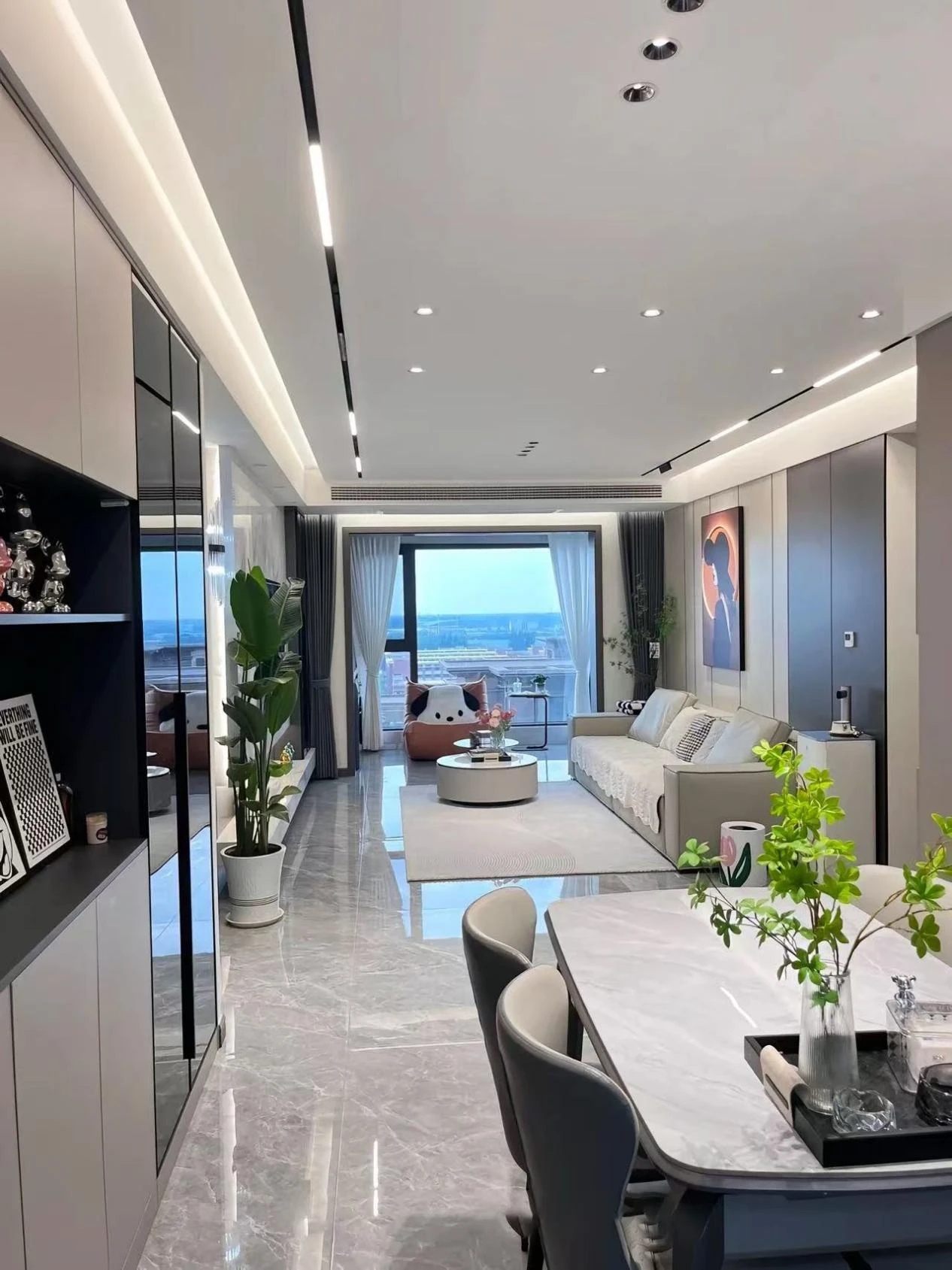
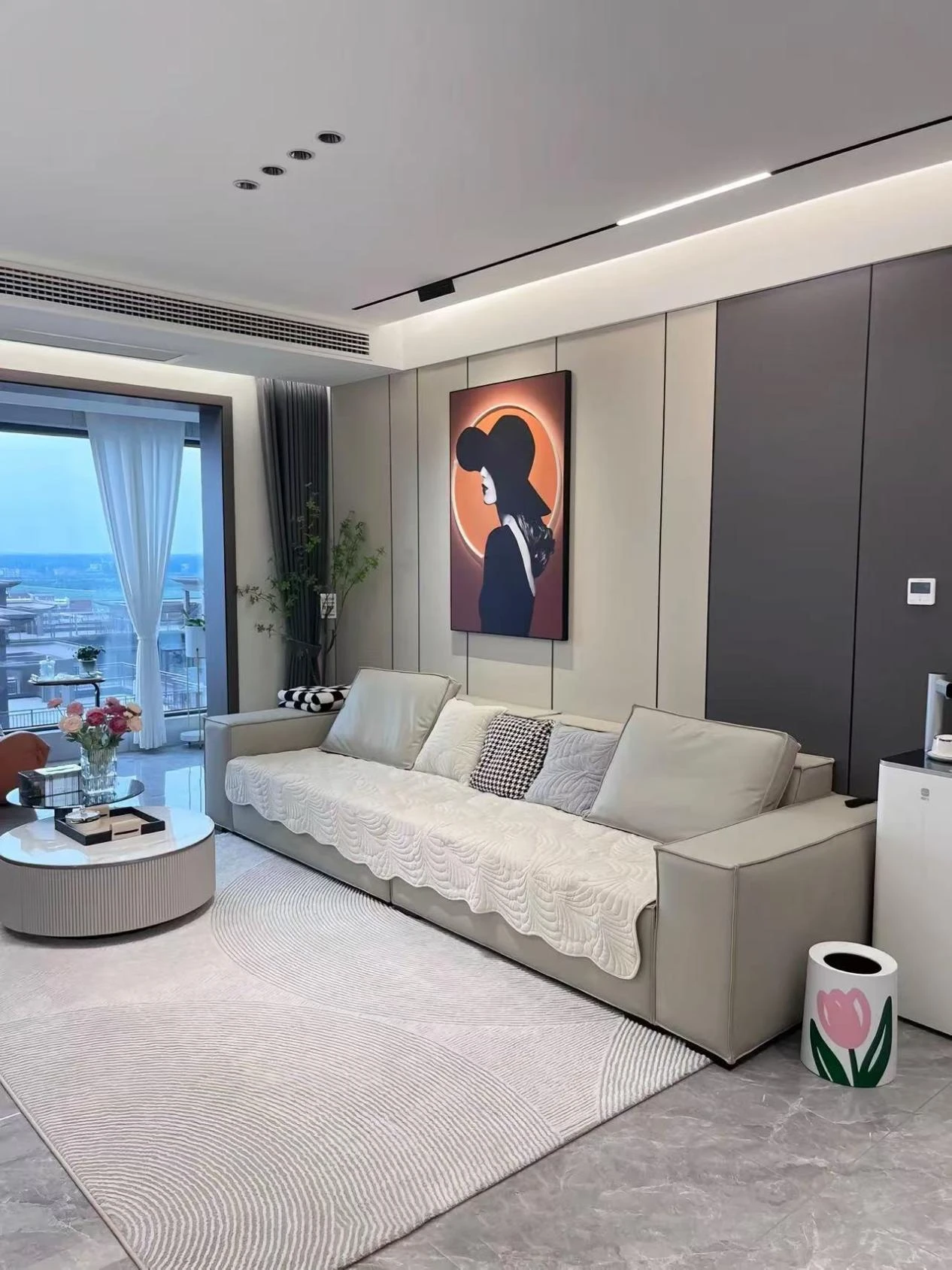
We’re talking kitchens, wardrobes, office partitions, retail counters, even architectural wall panels. But it’s not just anything ornate or glamorous — in remote regions or emergency construction, these boards make for fast, reliable solutions that also look professional.
For example, NGOs building modular clinics in Sub-Saharan Africa appreciate how MDF high gloss panels resist heat and humidity better than typical plywood, all while remaining budget-friendly. In Europe, the furniture industry loves the boards for sleek, non-toxic children's furniture, complying with strict ISO regulations.
Asia’s booming real estate sector uses these boards extensively in multi-unit housing, speeding up finishing times and reducing labor intensity. An architect I talked to recently called the boards “kind of the unsung hero of stylish apartments.”
Advantages and Long-Term Value of MDF High Gloss Board
- Cost and sustainability: Less raw wood consumption, more recycled fibers, and longer-lasting surfaces reduce waste and expense over time.
- Social impact: Provides a dignified finish to modest interior spaces, elevating comfort and wellbeing.
- Reliability: Consistent quality and resistance to wear garner trust among manufacturers and end users alike.
- Safety: Low-emission grades ensure healthier indoor air quality.
Oddly enough, it also brings an emotional reassurance—knowing what you touch and see will stay vibrant and inviting, workhorses that don’t give up easily. After all, homes and workplaces matter on a human level.
Peeking Into the Future: Innovations in MDF High Gloss Boards
With sustainability in the spotlight, R&D is pushing water-based UV coatings instead of solvent-based, slashing VOC emissions further. Nanotechnology is being explored too, aiming for self-cleaning and antibacterial surfaces—very handy in healthcare and education settings.
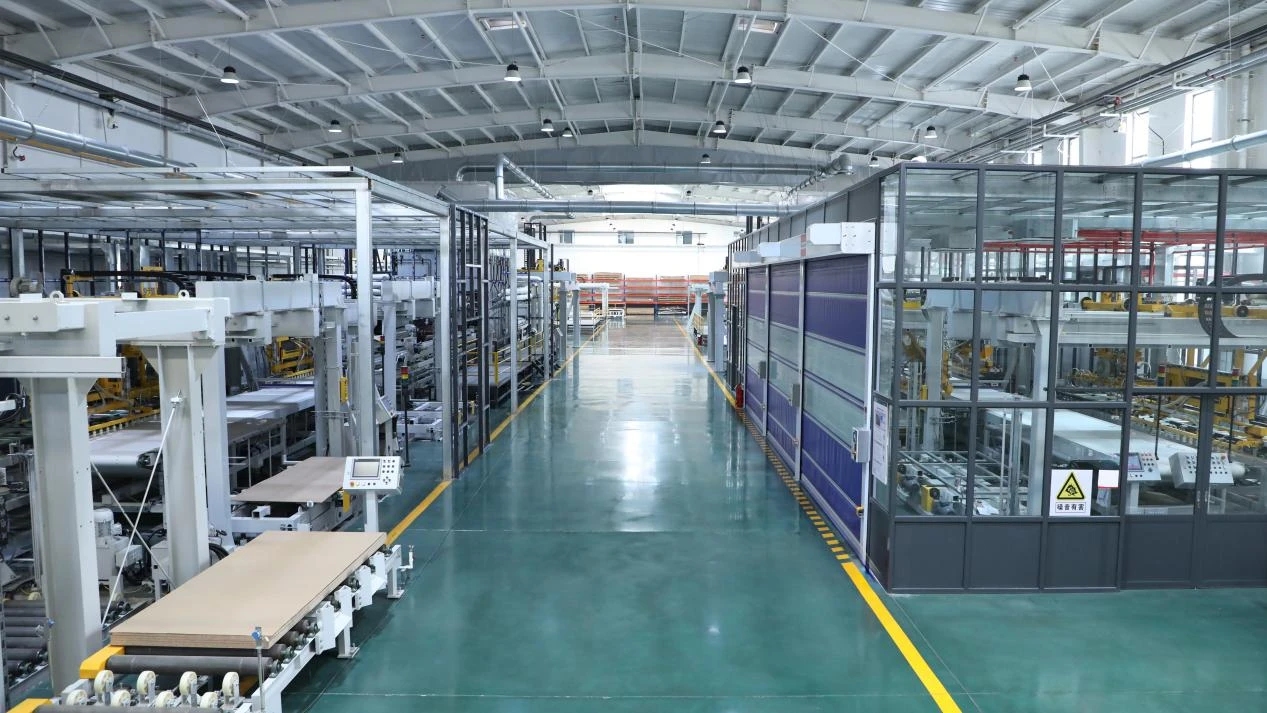
Digital printing directly onto MDF boards is another trend, breaking monotony with custom patterns without sacrificing gloss. And don’t forget automation—robotic sanding and laminating reduce variability and boost production speed worldwide.
Common Challenges and How Industry Tackles Them
Some users worry about moisture-induced swelling despite coatings; ongoing advances in water-resistant resins help address that. Other concerns include a glossy finish’s fingerprint visibility—a minor nuisance often solved with new matte-gloss hybrids.
Supply chain obstacles, especially amid recent global logistic strains, prompt manufacturers to localize raw material sourcing and stock semi-finished panels for quick turnaround.
Vendor Comparison: Leading MDF High Gloss Board Manufacturers
| Feature |
Tengfei |
GlobalWood Inc. |
EcoBoards Ltd. |
| Gloss Level |
Up to 90% |
Up to 85% |
Up to 88% |
| Eco Certification |
FSC, CARB Phase 2 |
PEFC |
FSC, LEED compliant |
| Customization Options |
Color, size, edge profiles |
Limited color range |
Color & pattern printing |
| Lead Time |
7-14 days |
10-21 days |
14-28 days |
| Price Range |
$$ |
$$$ |
$$$ |
Frequently Asked Questions About MDF High Gloss Board
1. What makes MDF high gloss board better than traditional wood panels?
Unlike traditional wood, MDF high gloss boards offer uniform density, a smooth surface ideal for glossy finishes, and better resistance to warping. The gloss adds durability and aesthetic appeal, making them a cost-efficient choice for modern interiors.
2. How durable is MDF high gloss board in humid or wet environments?
While standard MDF can swell if exposed to moisture, the high gloss coating provides added protection. For wet environments, specially treated moisture-resistant MDF boards are advised. Still, they perform best in moderate humidity with proper sealing.
3. Is MDF high gloss board eco-friendly?
Yes, moderately so. MDF uses recycled wood fibers and less raw timber versus solid wood. Many manufacturers meet certifications like FSC and CARB Phase 2, ensuring low formaldehyde emissions and responsible sourcing.
4. Can MDF high gloss boards be customized for different projects?
Absolutely. Custom color glazing, variable thickness, edge shaping, and even printed patterns are available to tailor boards to specific design needs and applications.
5. How can international buyers source MDF high gloss boards reliably?
Working directly with reputable manufacturers like Tengfei ensures quality and compliance. Many suppliers offer samples, certifications, and reliable shipping options to smooth cross-border transactions.
Wrapping Up: Why MDF High Gloss Board Deserves Your Attention
Clearly, the mdf high gloss board stands out as a versatile, cost-effective, and aesthetically pleasing solution embraced globally—from sleek city apartments to impactful humanitarian projects. Its durability, sustainability, and customization make it one of those “smart materials” that quietly shape our built environment, promising long-term value beyond first glance.
If you’re looking to explore this material for your next project or product line, I recommend heading to https://www.tengfeiebmdf.com for comprehensive options and expert support. The future is glossy — and it just might start here.
Mini takeaway: By embracing MDF high gloss boards, you’re investing in a smarter, greener, and far more stylish tomorrow.
References:
1. Food and Agriculture Organization of the United Nations (FAO), Wood Panel Market Report, 2022.
2. International Organization for Standardization (ISO) standards on wood-based panels.
3. U.S. Environmental Protection Agency, Formaldehyde Emission Standards.


![[PU705] – Advanced Sensor for Industrial Automation Solutions](https://images.exportstart.com/images/a1394/1-4531.webp "[PU705] – Advanced Sensor for Industrial Automation Solutions")