Understanding 18mm Plywood 8x4 Price in Today’s Market
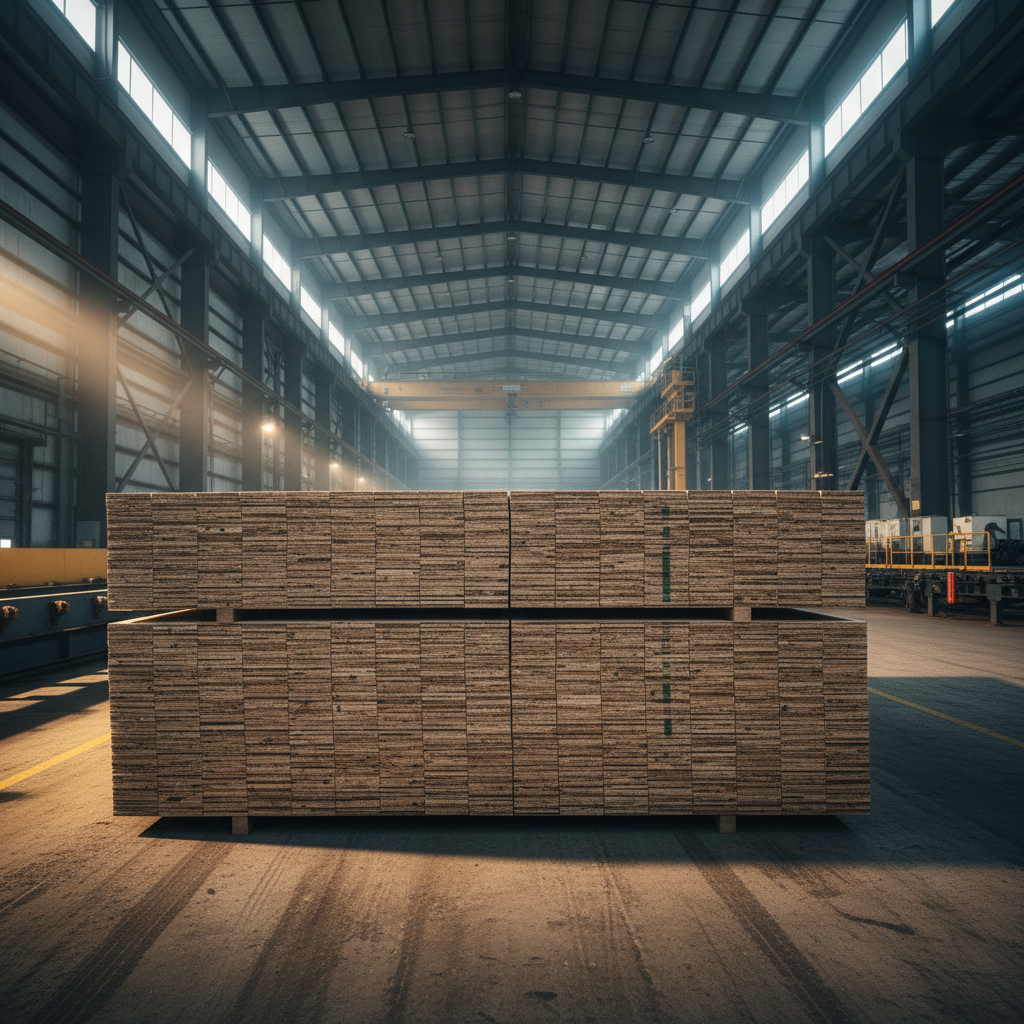
Having spent a fair chunk of my career surrounded by wooden panels and industrial-grade plywood, I can say the 18mm plywood 8x4 sheets are pretty much a staple whenever durability meets versatility. Frankly, it’s the sort of material that quietly does its job behind the scenes — from scaffolding platforms to furniture foundations, and even in some semi-structural builds.
If you’re here, odds are you’re trying to get your head around pricing for this 18mm plywood 8x4 product, either because you’re sourcing materials or comparing suppliers. The cost can feel like a moving target sometimes, given supply chain influences, wood species, and manufacturing processes.
Now, plywood thickness at 18mm hits a sweet spot. It’s thick enough to provide load-bearing strength but not so chunky that it’s unwieldy or costly unnecessarily. The standard 8 feet by 4 feet panel size suits many frameworks, making it a preferred choice across industrial and commercial applications.
Why 18mm Plywood? Materials and Manufacturing
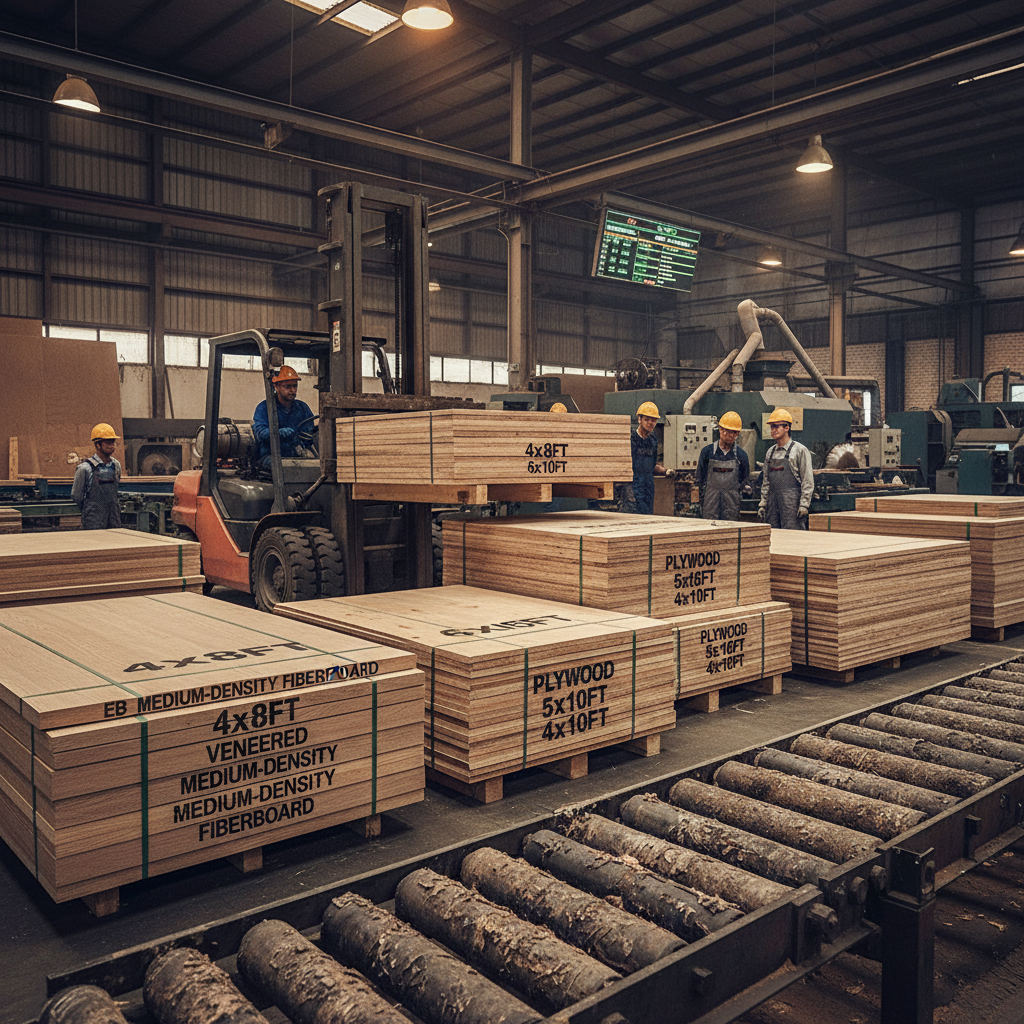
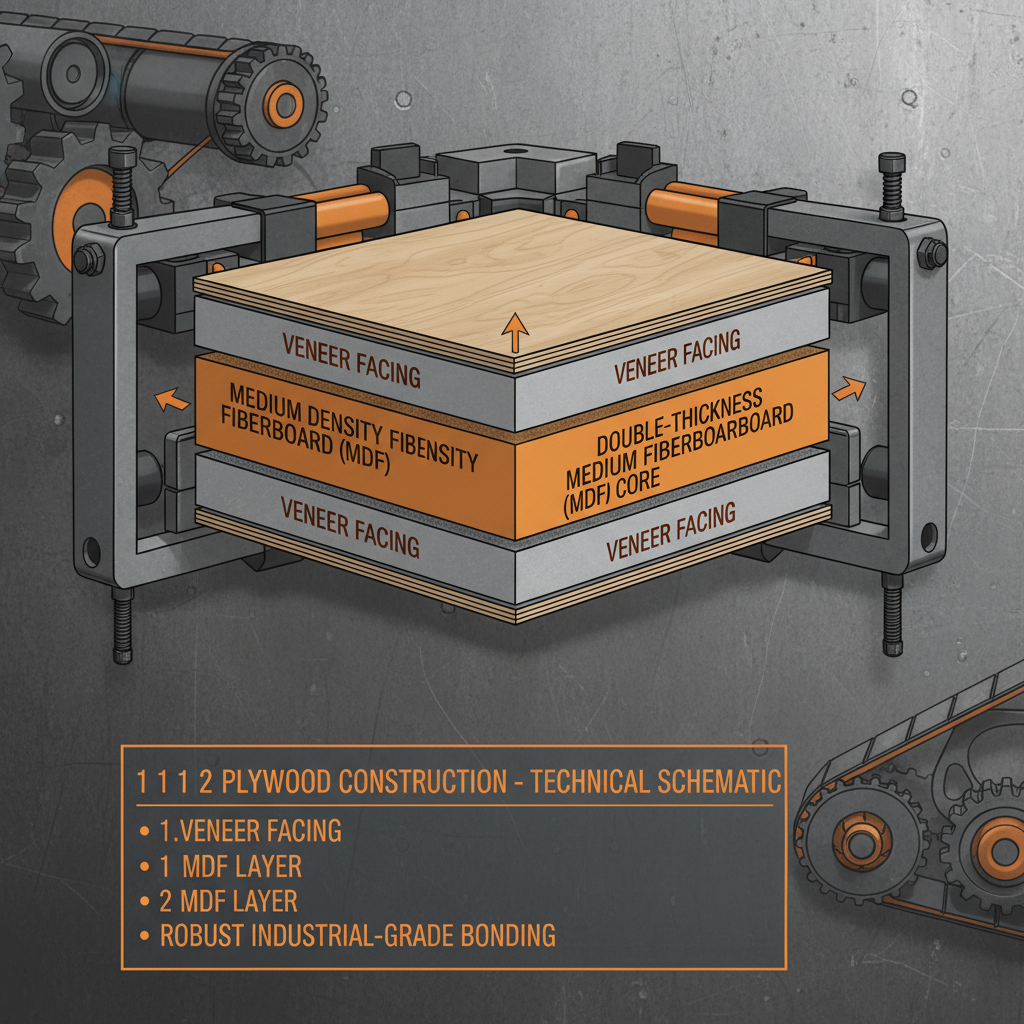
Typically, the core layers in 18mm plywood are made from hardwood or softwood veneers glued crosswise to improve strength and reduce warping. In my experience, those layers really determine durability — odd, because you rarely get to see what's inside! Also, quality control at production can be a bit hit or miss unless you stick to vendors with consistent standards.
Most decent manufacturers use resin adhesives that hold up under moisture and stress, which is crucial for certain outdoor or semi-exposed uses. I noticed that treated plywood versions often bump the price but add serious protective benefits.
Typical 18mm Plywood 8x4 Sheet Specifications
| Specification |
Details |
| Size |
2440mm x 1220mm (8ft x 4ft) |
| Thickness |
18mm ± 0.3mm |
| Wood Type |
Mixed hardwood or softwood veneers |
| Glue Type |
Phenolic resin or melamine formaldehyde |
| Density |
Approx. 600–700 kg/m³ |
| Moisture Content |
6% - 12% |
Price Factors & Vendor Comparison
In real terms, the market price of 18mm plywood 8x4 sheets tends to fluctuate according to a mix of regional availability, wood species, and additional treatments. Oddly enough, shipping costs also weigh on the final price more than many buyers anticipate — bulk orders often make cost sense.
To give you a clearer idea, here’s a quick vendor comparison I pulled together based on recent quotes and industry chatter:
Vendor Pricing Comparison for 18mm Plywood 8x4
| Vendor |
Price per Sheet (USD) |
Notable Features |
Lead Time |
| Tengfei Industrial |
55 - 62 |
Consistent quality, custom veneer options |
| PlyPro Inc. |
58 - 65 |
Eco-certified, moisture resistant treatments |
| Woodland Panels |
52 - 60 |
Competitive pricing, variable lead times |
From what I’ve seen, choosing your supplier really depends on whether you prioritize price or extra features like moisture resistance or veneer grade. And you know, having some wiggle room on delivery timing can ease your selection, too.
A Quick Story from the Floor
I recall a job site where a client insisted on the cheapest 18mm plywood option they could find. Almost immediately, the sheets warped a bit after just a week of outdoor use, causing unexpected delays. That experience really hammered home why investing a little more upfront for quality plywood saves headache down the line. It’s kind of like everything industrial: skimp on the right materials, and the cost eventually climbs.
So yeah, while price is a big factor, look beyond that. Check specs carefully, examine vendor credibility, and don’t hesitate to ask for samples or certifications, especially if your application is critical.
If you want a solid balance of quality and price, I’d recommend checking out Tengfei’s 18mm plywood 8x4 offerings. Their consistency and customer service make a difference — or at least, that’s been my experience.
All in all, 18mm plywood 8x4 is a versatile piece of the industrial puzzle, quietly holding together countless projects. It’s not glamorous, but it’s absolutely essential.
And a quick takeaway? Don’t just chase the lowest number — durable, quality plywood pays off in the long run.
- FAO: International plywood manufacturing standards and grades.
- Woodworking Today: Trends in plywood adhesives and treatments (2023).
- Industry Insider interviews from 2022, various plywood buyers and suppliers.