Add: No.8 Xinxing Street, North Zone, Zhengding High-tech Industrial Development Zone, Hebei, China
CONTACT US
+8615030171059


CONTACT US
+8615030171059
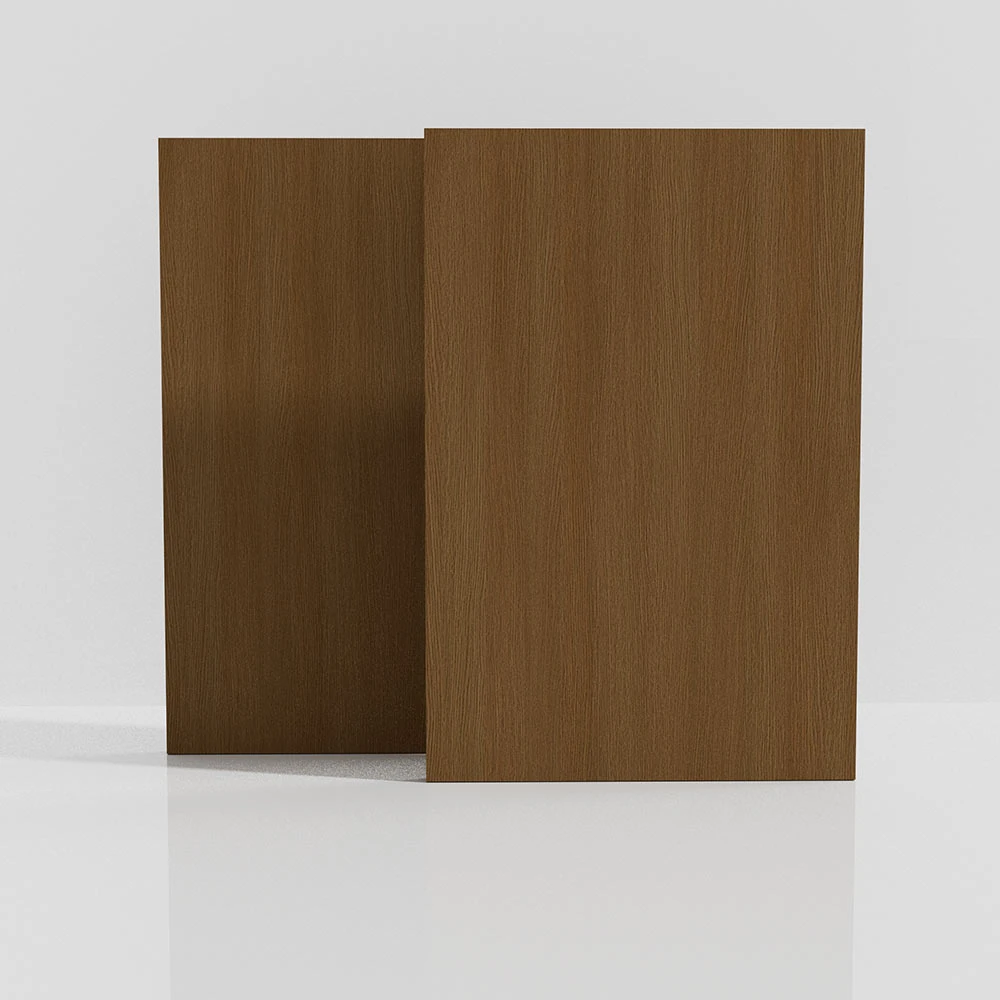
When considering construction, furniture making, or various DIY projects, 9 mm plywood is a popular choice due to its balance of strength, flexibility, and cost-effectiveness. Understanding the factors that influence 9 mm plywood price is crucial for budgeting and making informed purchasing decisions. This article provides a comprehensive overview of 9 mm plywood, covering its applications, pricing, factors affecting cost, and where to find reliable suppliers like Tengfei EBMDF. Choosing the right plywood can significantly impact the quality and durability of your project.
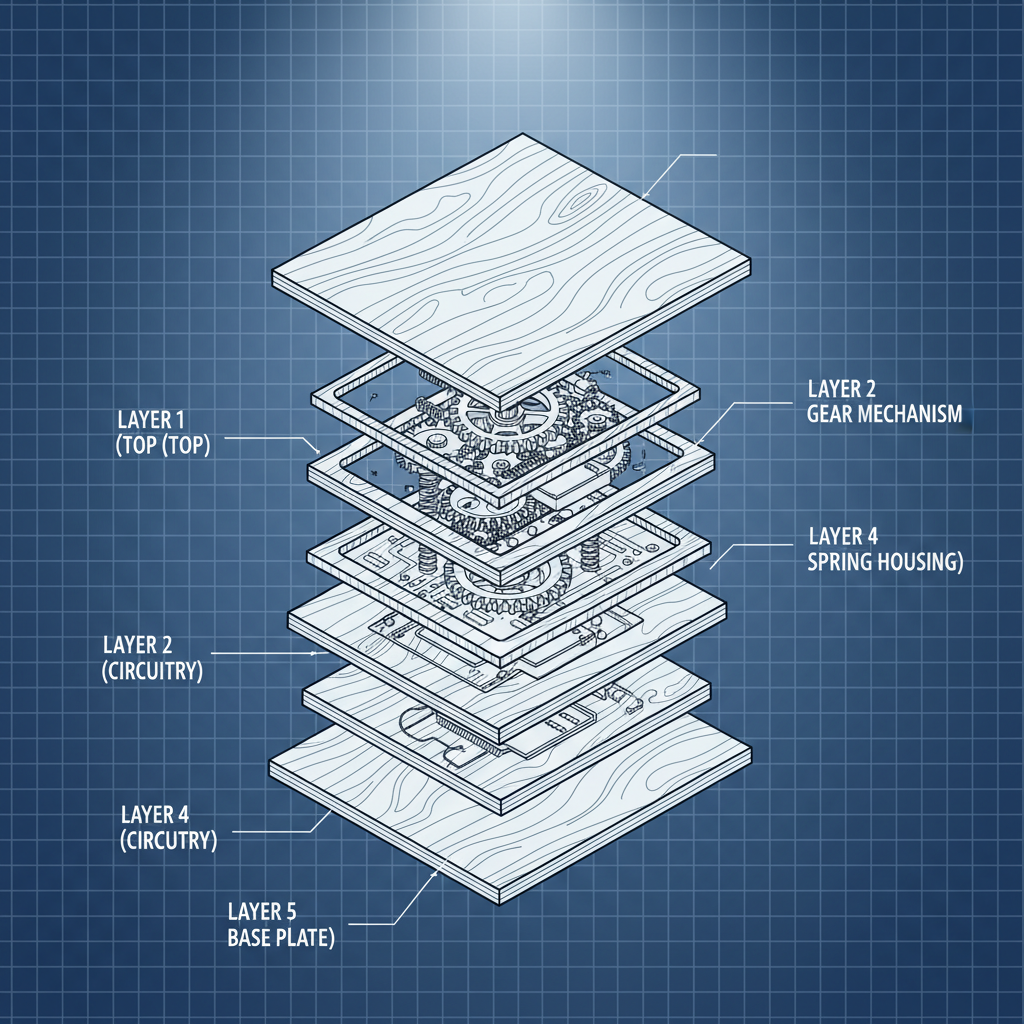
9 mm plywood is a versatile material used across many industries. Its moderate thickness and strength make it ideal for projects requiring stability without excessive weight. Popular applications include: cabinet making, where it forms the core of shelves and boxes; furniture construction, for table tops, chair seats, and bed platforms; wall paneling, offering a smooth surface for painting or finishing; shelving units, providing a sturdy base for storage; craft projects, enabling detailed designs and creations; and even lightweight flooring in certain applications. The ability to easily cut, drill, and finish 9mm plywood adds to its widespread use.
Key Highlights: Versatile material suitable for cabinet making, furniture construction, wall paneling, shelving units, craft projects, and lightweight flooring.
The price of 9 mm plywood fluctuates based on several key factors. Wood species plays a significant role; hardwood plywood (like birch or maple) will be more expensive than softwood plywood (like pine or fir). Plywood grade also impacts cost, with higher grades (A-grade) having fewer defects and a smoother surface. Plywood core material affects price as well, with different core types offering varying levels of strength and moisture resistance. Furthermore, market demand, shipping costs, and supplier location can all influence the final price. Understanding these factors is essential for getting the best value.
Price Influencing Factors:
• Wood Species (Hardwood vs. Softwood)
• Plywood Grade (A, B, C, D)
• Plywood Core Material (Solid, Core, Plywood)
• Market Demand & Shipping Costs
Plywood is graded based on the quality of the face veneers. Generally, A-grade plywood has the fewest defects, followed by B, C, and D grades. The higher the grade, the smoother the surface and the higher the price. Here’s a comparison:
Tengfei EBMDF is a trusted supplier of high-quality 9 mm plywood. We offer a wide range of grades and species to meet your specific project requirements. We are committed to providing competitive 9 mm plywood price, reliable service, and timely delivery. Our experienced team can assist you in selecting the right plywood for your application and ensuring a smooth purchasing process. We prioritize customer satisfaction and strive to build long-term relationships.

While price is important, don't solely base your decision on it. Consider the plywood's intended use and environmental conditions. For projects exposed to moisture, opt for marine-grade plywood or plywood treated for water resistance. For structural applications, ensure the plywood meets the necessary load-bearing requirements. Always prioritize quality and durability over the lowest price to ensure the longevity and safety of your project.
Investing in the right 9 mm plywood is essential for the success of your projects. By understanding the factors influencing 9 mm plywood price and considering your specific requirements, you can make an informed decision. Tengfei EBMDF offers a wide selection of high-quality plywood at competitive prices, backed by exceptional customer service. Don’t compromise on quality – choose Tengfei EBMDF for your plywood needs.
The most common sheet size for 9 mm plywood is 4 feet by 8 feet (1220mm x 2440mm). However, other sizes are available depending on the supplier and specific requirements. It’s important to confirm the available dimensions with your plywood supplier before placing an order. Custom sizes can sometimes be cut to order, but this may incur additional costs.
Accurately calculating the amount of plywood required involves measuring the surface area of your project and adding extra for cuts, waste, and any necessary overlaps. It’s best to create a detailed cut list to optimize plywood usage and minimize waste. Consider the direction of the wood grain when planning your cuts to maximize strength. A general rule of thumb is to add 10-15% to your initial estimate to account for unforeseen circumstances.
Softwood plywood, typically made from pine, fir, or spruce, is generally less expensive and easier to work with, making it suitable for general construction and DIY projects. Hardwood plywood, made from birch, maple, or oak, is denser, stronger, and more durable, and often features a more aesthetically pleasing appearance. It’s typically used for furniture making, cabinetry, and other high-end applications.
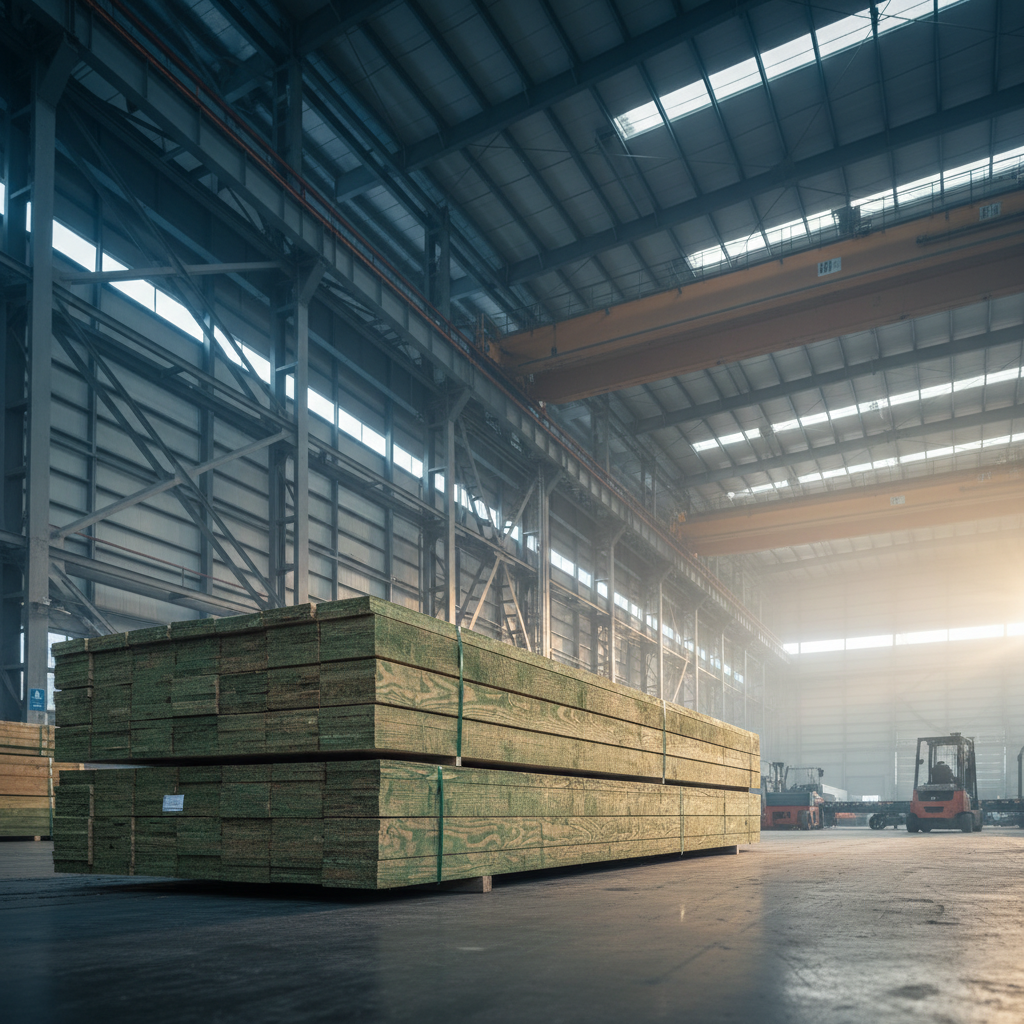
Proper storage is crucial to prevent warping or damage. Store plywood indoors in a dry, well-ventilated area, elevated off the floor to allow for air circulation. Stack sheets horizontally with support between layers to prevent bending. Avoid exposing plywood to direct sunlight or moisture, as this can cause warping, delamination, or mold growth.
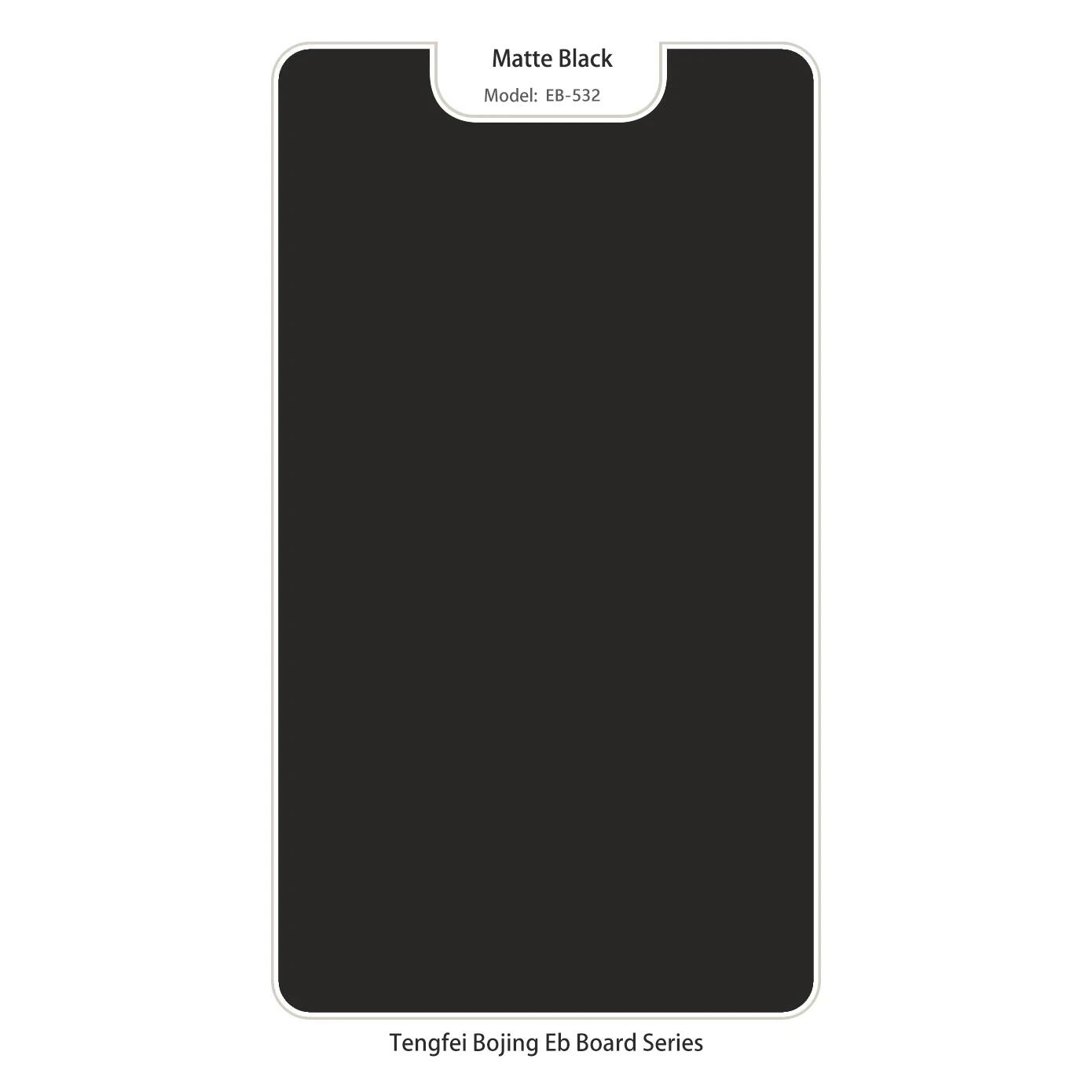
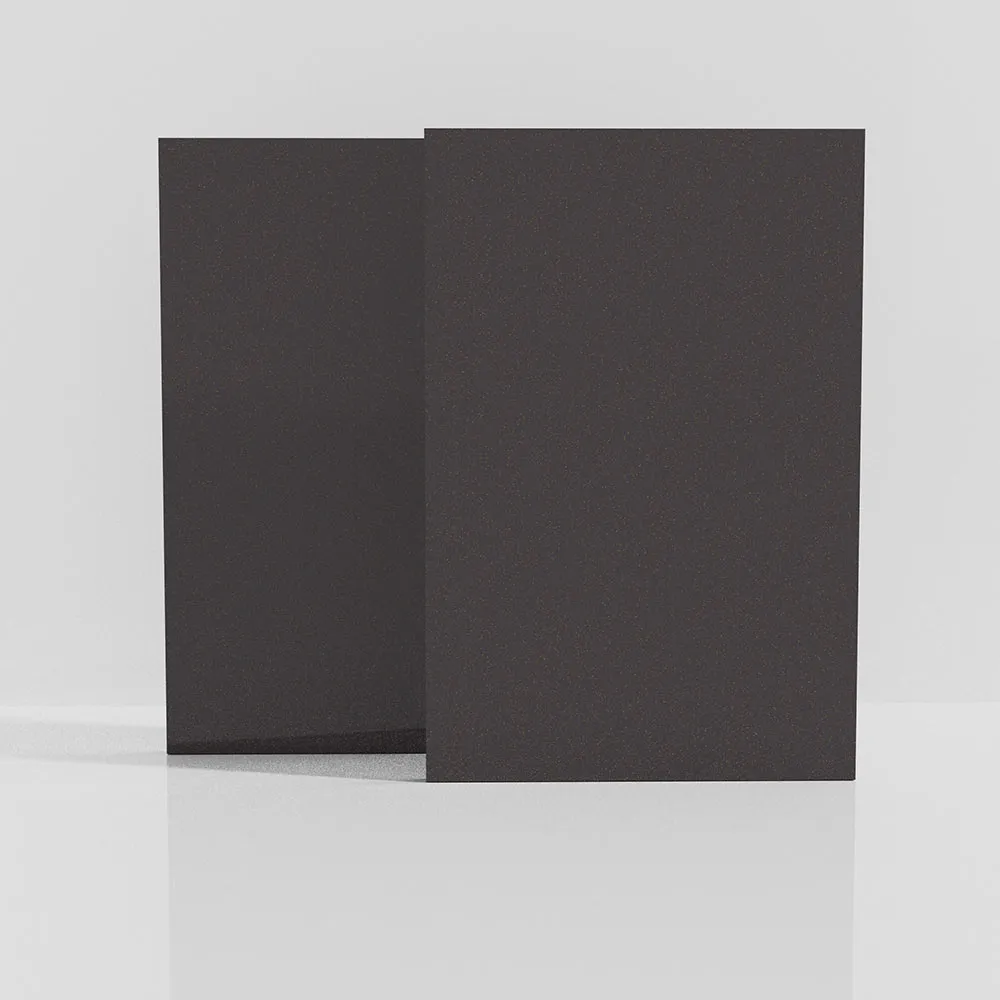
Tengfei Platinum EB Particle Panels - Matte Black
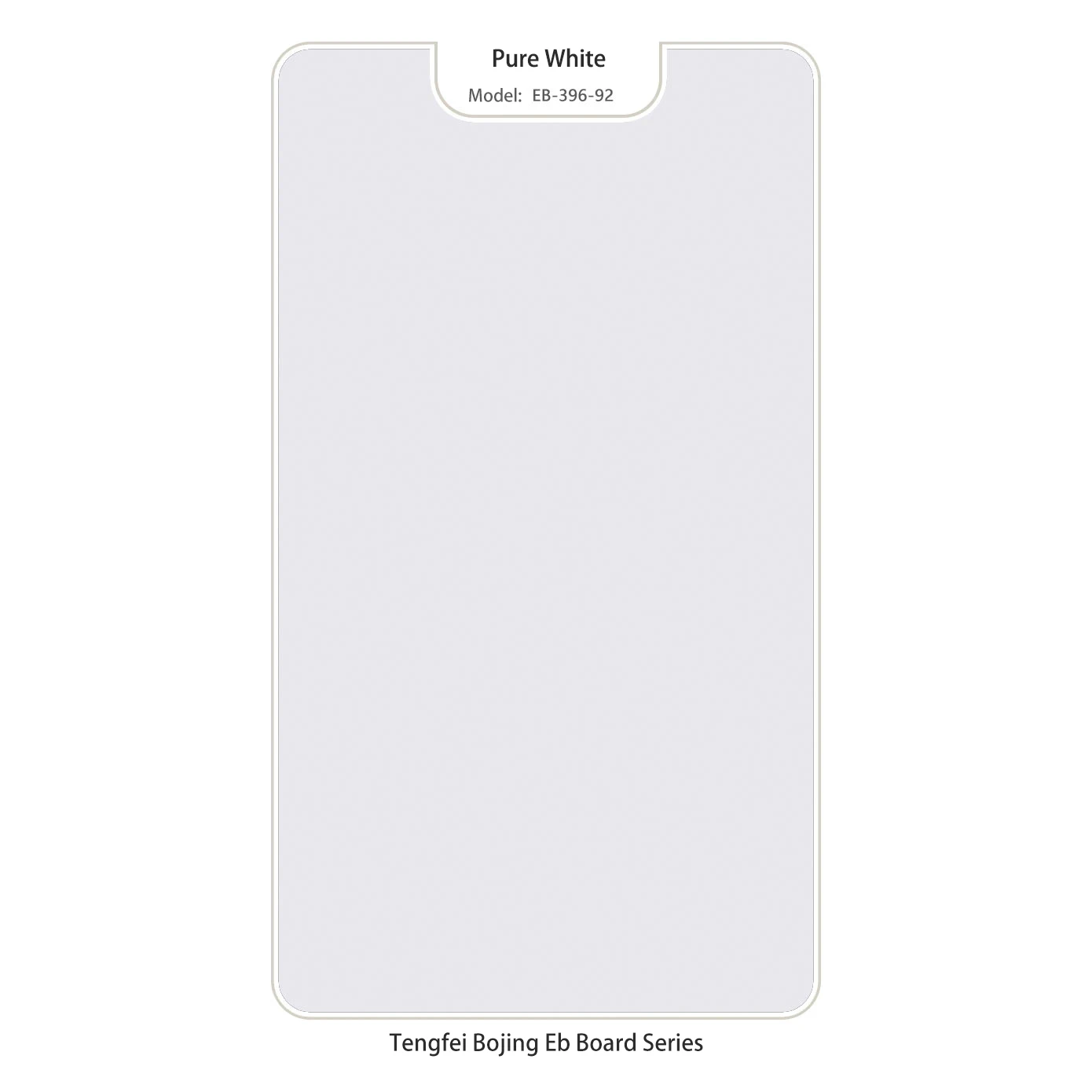
Tengfei Platinum EB Particle High-Gloss Panels - Pure white

To provide reliable solutions through quality products!