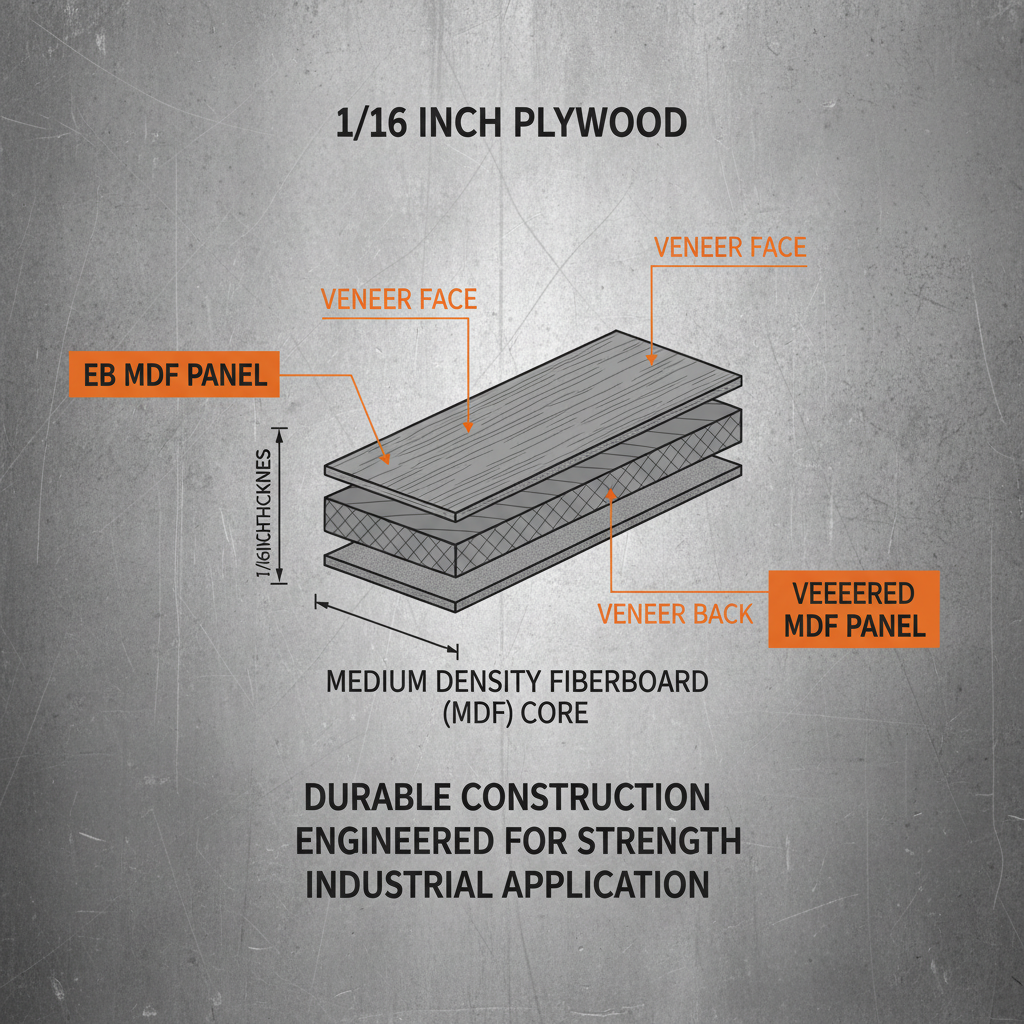
Understanding MDF Flex Board: A Game Changer in Modern Materials
If you've ever dabbled in carpentry, furniture making, or architectural modelling, you may have come across the term mdf flex board. But beyond the jargon, what makes this material a staple in industries worldwide? Simply put, the mdf flex board represents an exciting intersection of durability, flexibility, and cost-effectiveness that’s reshaping how products are designed and manufactured across continents. In this guide, we’ll unpack why understanding MDF flex boards isn’t just niche knowledge but a valuable insight for engineers, designers, and businesses facing global challenges in sustainable production and rapid prototyping.
Global Context: Why MDF Flex Board Matters Now More Than Ever
In a world increasingly focused on sustainability and efficient use of resources, materials like MDF flex board have emerged as key players. According to the International Organization for Standardization (ISO), global wood-based panel production surged nearly 5% yearly over the past decade, showing strong demand for engineered wood products.
But beyond numbers, industries grapple with challenges such as sourcing sustainable materials, reducing waste, and improving product lifespans. MDF flex board addresses many of these by offering a product that’s not only adaptable but also compatible with green certifications and circular economy principles.
For instance, in developing regions where access to hardwood timber is limited, the versatile nature of MDF flex boards enables local manufacturers to produce sturdy yet flexible components without devastating forests.
Mini Takeaway:
- MDF flex board’s rise is linked tightly to sustainability trends and global resource optimization.
- Industries worldwide benefit, especially where traditional wood supplies are scarce or costly.
What Exactly Is MDF Flex Board?
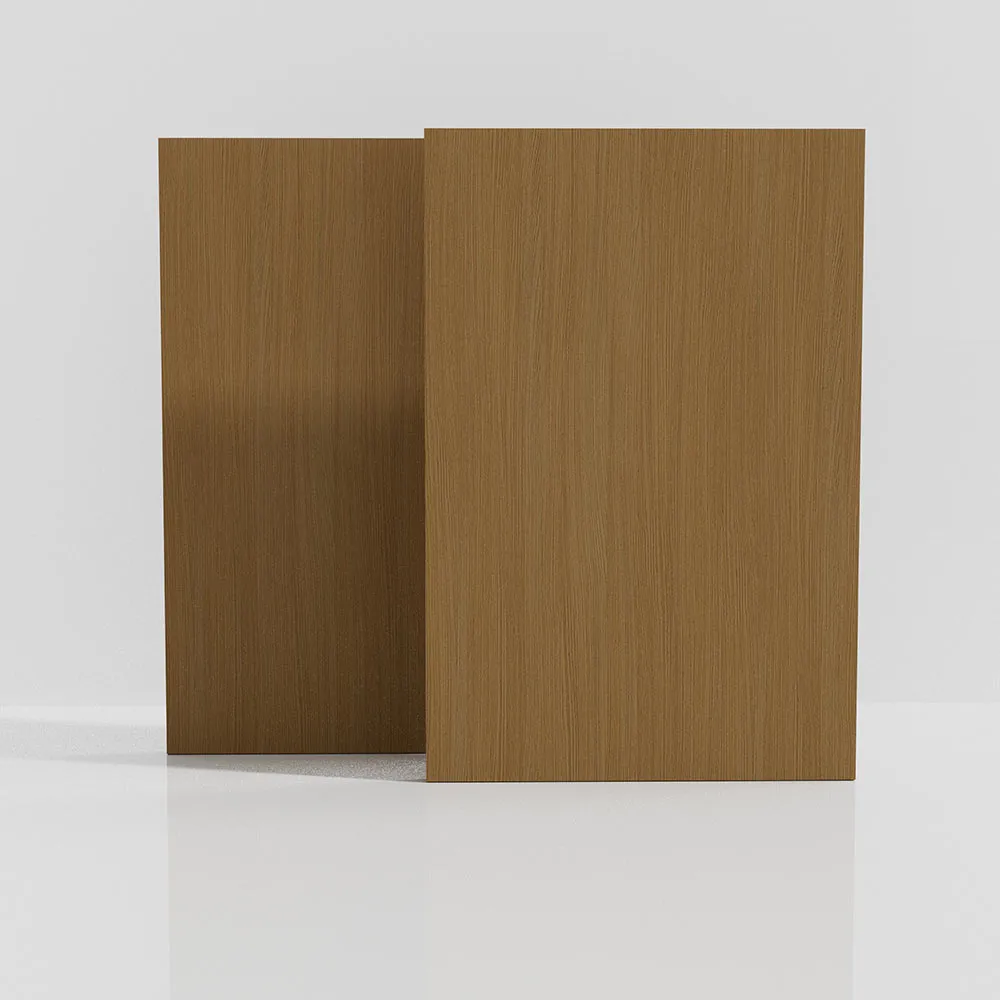
Put simply, mdf flex board is a type of medium-density fiberboard engineered to be more flexible than conventional MDF sheets. It’s produced by compressing wood fibers with resin binders under heat — the key difference lies in its precise layering and fiber orientation, which enable controlled bending without cracking.
Think of it as a “soft underbelly” of typical MDF products, designed to offer both the smooth surface finish MDF is famous for, plus a degree of bendability that opens up creative possibilities.
Its modern-day relevance extends beyond furniture making into areas such as cabinetry, interior wall paneling, and even transportation vehicle interiors where light weight and moldability are prized.
Mini Takeaway:
- MDF flex board combines standard MDF's smooth finish with enhanced flexibility.
- This unique characteristic means less waste and more design freedom.
Key Features That Set MDF Flex Board Apart
1. Durability and Strength
Many engineers report that MDF flex boards retain much of the core strength of traditional MDF but resist breakage when bent. This means you can apply it in curved wall panels or furniture components without worrying about sudden failure.
2. Cost Efficiency
Compared to hardwood bending or plastic alternatives, MDF flex board is far more affordable and easier to machine. This cost-effectiveness is crucial for industries working with tight budgets or mass production demands.
3. Environmental Compatibility
Because MDF flex boards are often made from recycled wood fibers and environmentally friendly binders, their carbon footprint is lower than solid woods harvested from old-growth trees.
4. Ease of Customization
The product adapts well to cutting, CNC routing, and finishing, making it a favorite in bespoke applications. Whether you want intricate shapes or smooth curves, it handles the job.
5. Scalability
Manufacturers can source large MDF flex boards that scale easily for industrial use or smaller, hand-friendly sizes, making this versatile across production scales.
Mini Takeaway:
- MDF flex board balances durability with flexibility uniquely.
- It delivers practical advantages like cost savings and environmental benefits.
Real-World Applications: Where MDF Flex Board Shines
From the homes in Scandinavian countries to industrial design labs in Asia and exhibition stands in North America, MDF flex board finds diverse uses:
- Furniture Manufacturing: Curved chairs, decorative wall features, and lightweight cabinetry benefit from MDF flex boards where sharp angles are impractical.
- Interior Design Projects: In commercial spaces that demand changeable layouts or stylish bent wood paneling, this material is favored for rapid execution.
- Emergency and Modular Housing: Some NGOs use MDF flex board to create durable yet transportable panels that can flex without damage during shipping or adaptation on site.
- Automotive and Transportation Interiors: Lightweight, flexible panels help craft ergonomic interiors without hefty costs.
Oddly enough, while industrialized regions lead the market, developing nations are increasingly adopting MDF flex board for sustainable building practices — proof that innovation travels fast.
Mini Takeaway:
- MDF flex board is embedded deep across furniture, interior, and emergency housing sectors worldwide.
- Its unique traits allow solutions in otherwise tough-to-access markets.
Product Specification Table
| Specification |
Details |
| Material Type |
Medium-Density Fiberboard (Engineered with Flexible Fibers) |
| Thickness Range |
3mm – 12mm |
| Bending Radius |
Minimum 600mm |
| Density |
650-750 kg/m³ |
| Surface Finish |
Smooth, paint-grade |
| Typical Applications |
Curved furniture, interior panels, modular construction |
Comparing Leading Vendors of MDF Flex Board
| Vendor |
Pricing (per m²) |
Certifications |
Key Advantage |
| GreenBoard Co. |
$15 – $18 |
FSC, E0 Formaldehyde |
Eco-friendly materials, strong warranty |
| FlexWood Ltd. |
$13 – $16 |
CARB Phase 2 |
Wide thickness range, custom orders |
| Global MDF |
$12 – $15 |
ISO 9001, ISO 14001 |
Consistent quality, global shipping network |
Advantages and Long-Term Value of MDF Flex Board
In real terms, what does this mean if you’re deciding on materials today? The choice to use MDF flex boards means:
- Cost savings: You’re spending less on raw materials and processing compared to alternatives like solid wood or plastics.
- Sustainability: Less forest impact and decreased waste — a win for eco-conscious businesses.
- Improved safety and reliability: Especially when used in construction modules or transport interiors where durability and weight matter.
- Innovation potential: Designers can push boundaries with shapes and finishes that standard MDF just can’t handle.
On top of that, many people find that using flexible MDF echo themes of safety and comfort — products feel warmer, more human, less “cold tech.” This emotional connection is subtle, maybe hard to quantify, but tangible in a showroom.
Emerging Trends and Innovations in MDF Flex Board
The future seems bright for mdf flex board. Several emerging trends are shaking up the landscape:
- Bio-based resins: Moving away from formaldehyde and synthetic binders toward plant-based adhesives.
- Digital fabrication: CNC and laser cutting paired with design software to optimize material use and create intricate designs.
- Hybrid panels: Combining MDF flex board with other materials like recycled plastics or metal for multi-functional composites.
- Environmental certifications: New ISO standards and green building protocols encouraging higher reuse rates.
It’s an exciting space, because these innovations promise the kind of sustainable industrial redesign the UN supports through its sustainable development goals (SDGs).
Challenges and Practical Solutions
Of course, not everything is perfect. Some limitations include:
- Moisture sensitivity: MDF flex boards still absorb water if unsealed, potentially causing warping.
- Bending radius limits: Though flexible, over-bending leads to cracking, so design must respect material constraints.
- Surface finish limitations: Not all coatings adhere equally well, requiring specialized finishing processes.
To tackle these, manufacturers recommend exteriors use water-resistant primers or laminates, and designers are advised to prototype at scale before mass production. It might sound like extra work, but the final results are worth it.
Frequently Asked Questions About MDF Flex Board
- 1. What makes MDF flex board more suitable for curved designs than traditional MDF?
- It’s all in the fiber orientation and bonding technology — MDF flex boards are engineered to bend without cracking, unlike standard rigid MDF. This allows designers to create curves and shapes previously impractical.
- 2. How long can MDF flex board last in humid or tropical climates?
- While MDF flex board is durable, it is vulnerable to moisture damage if untreated. Applying water-resistant coatings or laminates significantly extends lifespan in humid conditions, often matching several years of reliable use.
- 3. Is MDF flex board a sustainable choice compared to solid wood?
- Yes. MDF flex board typically uses recycled fibers and less raw timber, reducing deforestation. Plus, its efficient manufacturing and lower waste contribute to a smaller environmental footprint.
- 4. Can NGOs easily import MDF flex board for emergency construction?
- Yes. Many suppliers have international distribution channels. NGOs should check for trade compliance but often find competitive pricing and fast shipping. It’s become a preferred material in modular shelter kits.
Conclusion: Why MDF Flex Board Should Be on Your Radar
In essence, mdf flex board represents a fascinating blend of tradition and innovation, marrying the timeless appeal of wood with the demands of modern flexibility and sustainability. Whether you’re creating stylish curved furniture or assembling modular housing in a remote area, this material offers real-world savings, durability, and design freedom.
So, if you’re curious how to integrate more adaptive, cost-effective materials into your projects, why not explore more about mdf flex board today? Often, the best solutions are those you’ve only just started to imagine.
References
- ISO Wood-based Panels Standards
- Medium-density Fibreboard - Wikipedia
- United Nations Sustainable Development Goals (SDGs)



![[PU705] – Advanced Sensor for Industrial Automation Solutions](https://images.exportstart.com/images/a1394/1-4531.webp "[PU705] – Advanced Sensor for Industrial Automation Solutions")