Add: No.8 Xinxing Street, North Zone, Zhengding High-tech Industrial Development Zone, Hebei, China

CONTACT US

+8615030171059
221231instagram-fill1251 search
Dec 14 2025
share:

Understanding MDF Panel Boards: The Unsung Heroes of Modern Construction

In a world that’s quickly evolving in construction and manufacturing, mdf panel board has become a surprisingly crucial material. It’s not just about creating furniture or interior décor anymore — this product plays a pivotal role in sustainable building practices, remote housing solutions, and even humanitarian relief efforts. Grasping what MDF panel boards are and how they function today offers insight into how industries worldwide are balancing cost-efficiency, durability, and environmental concerns all at once.

The Global Context: Why MDF Panel Board Matters More Than Ever

Globally, wood-based products are fundamental to several economies, with the forest products industry generating over $600 billion annually (source: FAO). As demand for sustainable construction materials grows, medium-density fiberboard (MDF) is gaining ground for its unique blend of qualities. In fact, the ISO recently highlighted that engineered wood products like MDF are increasingly recognized for lowering carbon footprints by maximizing fiber use from wood waste (ISO).

Yet one challenge remains persistent: sourcing material that delivers consistent strength and finish, while keeping costs reasonable. MDF panel boards address this by transforming wood fibers into panels with remarkable uniformity — which architects and manufacturers value deeply.

What’s an MDF Panel Board, Anyway?

Simply put, MDF panel board is a wood product made by breaking down hardwood or softwood residuals into fibers, combining them with resin binders under intense heat and pressure. The result? A dense, smooth, flat panel that’s a perfect canvas for veneers, paints, or laminates.

This creates a reliable alternative to solid wood, especially when natural variations or defects could be a problem. It’s this predictability that connects MDF panel boards to everything from mid-century modern kitchens to mobile prefabricated housing in disaster zones — versatility wrapped into one engineered slab.

Key Characteristics That Make MDF Stand Out

1. Durability and Consistency

One feature many users appreciate is the consistent density across each panel. Unlike natural wood, which varies by grain, MDF maintains the same resilience and dimension all over — no knots, warping, or splitting. This means it can endure stress in cabinetry or structural applications without surprise failure.

2. Precision and Workability

For carpenters and designers, MDF’s fine fibers allow exquisite edge finishing and shaping. Interior moldings, routed patterns, and flush surface coatings are easier to achieve than with plywood or particle board, making MDF panel boards a favorite for customized interiors.

3. Cost-Effective Production

Because it uses wood residues and sawdust otherwise regarded as waste, MDF is an economically smart choice. Its manufacturing requires less raw timber than comparable solid wood panels, easing pressure on forests and supply chains.

4. Environmental Impact

Modern MDF production increasingly integrates low-emission resins and recycled fibers. While formaldehyde emissions were a concern traditionally, advances have led to ultra-low VOC (volatile organic compound) variants conforming to strict health standards — especially important indoors.

Typical Specifications of a Standard MDF Panel Board

Specification Details
Panel Thickness 3mm to 25mm (common: 12mm, 18mm)
Density 600–800 kg/m³
Standard Dimensions 1220mm × 2440mm
Moisture Content 5%–13%
Surface Finish Smooth, sanded
Fire Resistance Options Available with additives

Where and How MDF Panel Boards are Used Globally

From Scandinavia to Southeast Asia, MDF panel boards infiltrate a surprisingly wide range of sectors:

  • Furniture manufacturing: Used for flat-pack furniture, office desks, and decorative panels.
  • Interior construction: Wall paneling, ceiling tiles, and partition walls.
  • Modular housing: In fast-deployment shelters for refugees or disaster victims owing to the material’s quick install and stable profile.
  • Retail and exhibition design: Temporary booths and displays relying on lightweight, consistent panels.

For example, NGOs often specify MDF panels in post-earthquake recovery camps for their fast assembly and replacement ease. Similarly, in remote industrial zones in Canada and Australia, the boards are favored since they cope well with temperature fluctuations without degrading.

Vendor Comparisons: Choosing Your MDF Supplier

Vendor Price Range (per sheet) Available Thicknesses Eco-Certifications Typical Lead Time
WoodFlex Inc. $20–$25 6mm–18mm FSC, CARB Phase 2 2 weeks
GreenCore Panels $22–$28 12mm–25mm PEFC, Low VOC 1 week
Tengfei MDF Suppliers $18–$23 3mm–20mm CARB Phase 2, FSC 3–5 days

Why Choosing the Right MDF Panel Board is a Smart Long-Term Investment

It’s easy to overlook MDF panels as “just another building material,” but when you factor in their affordability, consistent quality, and eco-friendly production, the long-term value is clear.

Many builders point out that MDF’s uniform finish improves end-user satisfaction because surfaces behave predictably with paints or veneers — no surprise blemishes. There’s also peace of mind knowing you’re not accelerating deforestation thanks to smarter fiber recycling.

Looking Ahead: Trends Shaping the MDF Market’s Future

Industry insiders are talking about a few shifts that stand to transform MDF panel boards further:

  • Bio-based resins: Moving away from formaldehyde toward natural binders, improving indoor air quality.
  • Digital processing: Automated cutting and finishing driven by CNC technology improve precision and reduce waste.
  • Solar-powered manufacturing: Factories utilizing renewable energy to minimize carbon footprints.
  • Recycled content increase: Greater use of post-consumer wood fibers, promoting circular economy principles.

Obstacles and How the Industry is Tackling Them

Despite many benefits, MDF panel boards are not flawless. Issues like moisture sensitivity and weight can limit outdoor applications. Thankfully, advances such as water-resistant treatments and lightweight composites are partially resolving these challenges.

Also, some regions still deal with supply chain bottlenecks affecting timely deliveries. That’s why local sourcing partnerships, like those from Tengfei MDF, are becoming vital for consistent availability.

FAQ: Common Questions About MDF Panel Boards

Q1: How durable are MDF panel boards compared to plywood?

A1: MDF offers excellent uniformity and smoothness, making it ideal for indoor applications, but it’s generally less moisture-resistant and structurally strong than plywood. For load-bearing or outdoor projects, treated MDF or plywood might be better suited.

Q2: Can MDF panel boards be used in damp environments?

A2: Standard MDF absorbs moisture easily, which can cause swelling. However, moisture-resistant or marine-grade MDF variants are designed for higher humidity areas, though they typically cost more.

Q3: Is MDF panel board environmentally sustainable?

A3: Yes, especially when produced using recycled fibers and low-emission adhesives. Look for eco-labels like FSC or CARB Phase 2 compliance to ensure sustainability and health safety.

Q4: How can I order custom-sized MDF panels?

A4: Many suppliers, including Tengfei MDF, offer CNC cutting and custom sizing services. It helps reduce waste and speeds up your project.

Q5: What industries benefit most from MDF panel boards?

A5: Furniture makers, interior designers, prefabricated housing manufacturers, as well as NGOs engaged in emergency shelter projects, all rely heavily on MDF for its range of qualities.

Wrapping Up: Why MDF Panel Boards Deserve Your Attention

Whether you’re an architect dreaming up eco-friendly homes, a furniture craftsman seeking consistency, or an aid organization deploying shelter fast, the mdf panel board is a versatile ally. It balances sustainability, cost, and performance like few materials can. So if you haven’t yet explored MDF’s possibilities, now’s an excellent time — and if you want dependable supplies with swift delivery, check out Tengfei MDF panel board solutions.

Mini takeaway: MDF panel board represents a practical, responsible choice that’s quietly powering smarter construction worldwide.

References

  1. Food and Agriculture Organization - Forest Products Data
  2. ISO - Sustainable Forest Management
  3. US EPA - Formaldehyde Emissions and Standards
Product Category
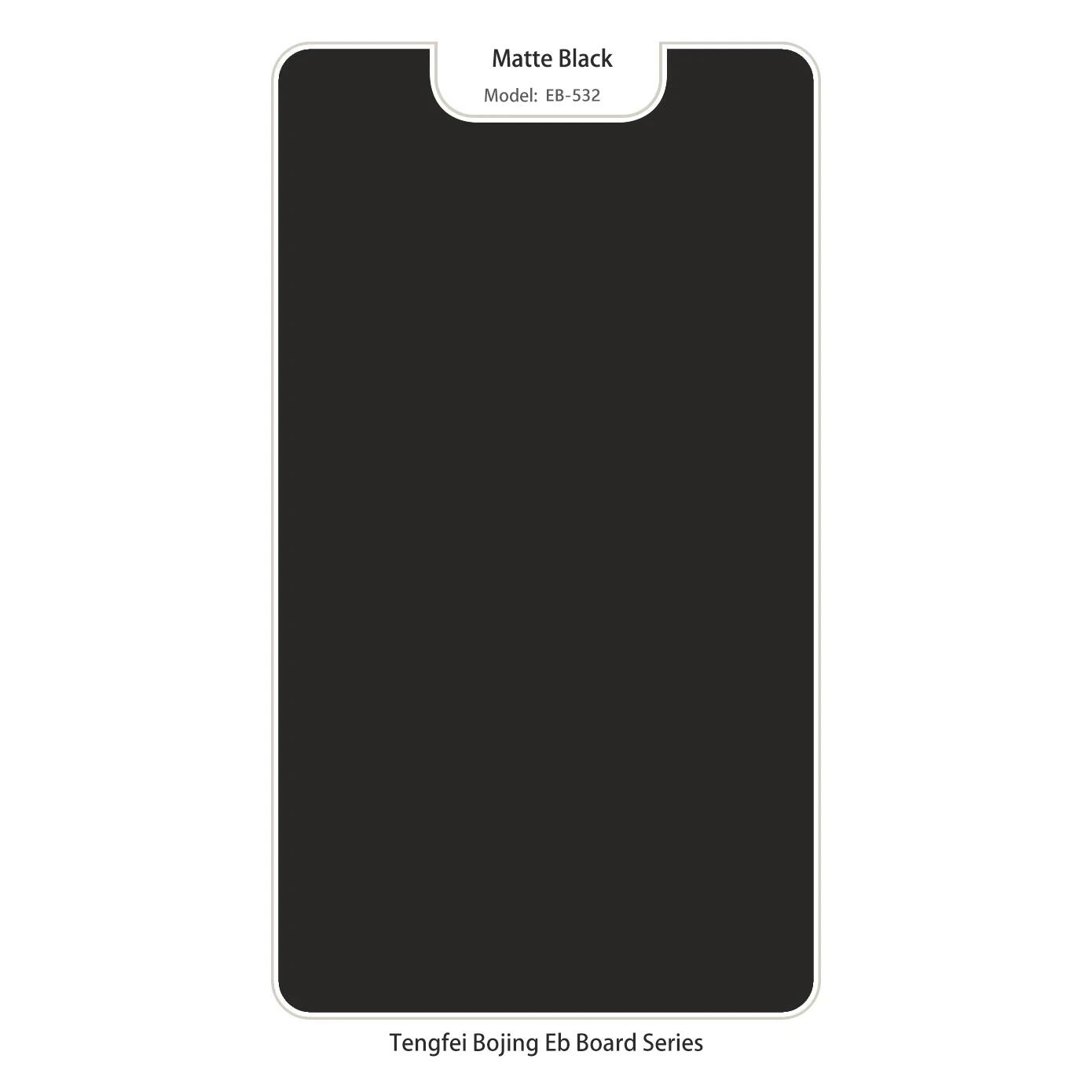
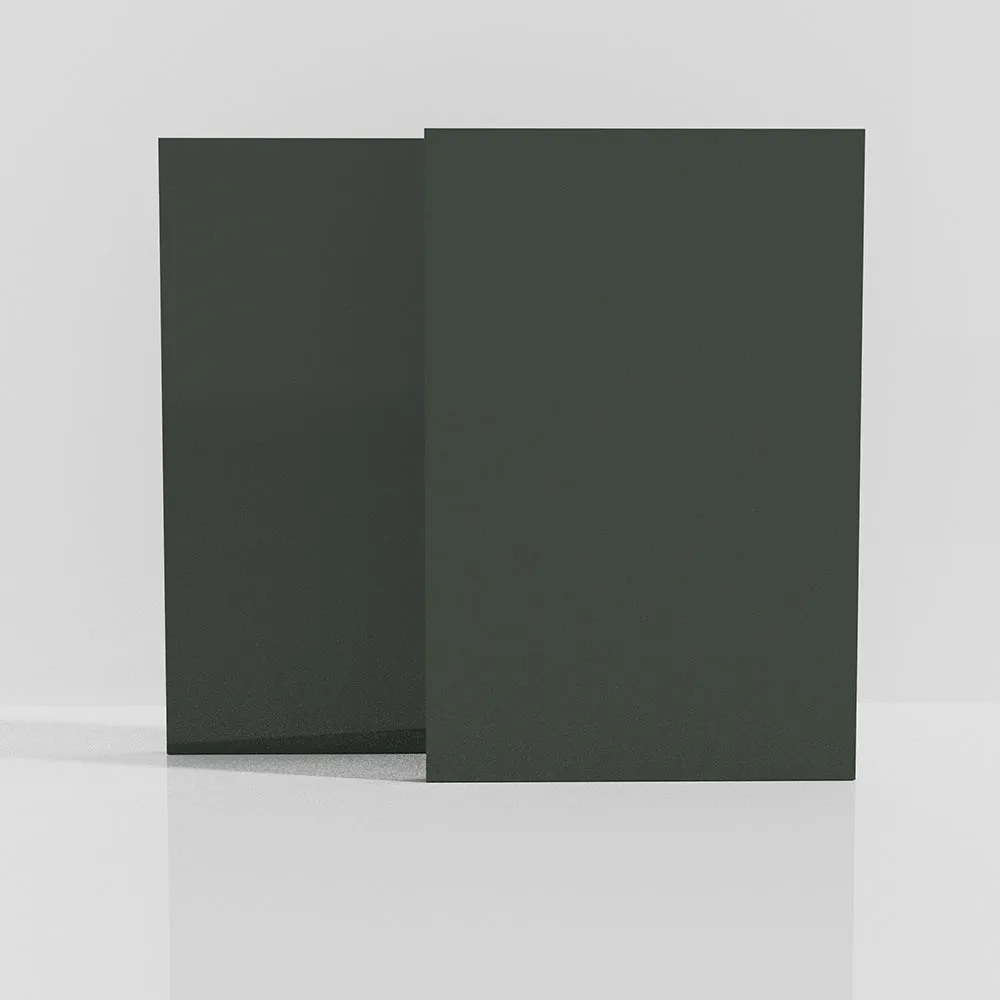
  •  Tengfei Platinum EB Particle Panels - Matte Black

     Tengfei Platinum EB Particle Panels - Matte Black

    Tengfei Platinum EB Particle Panels employs EB (Electron Beam) curing technology for manufacturing panel furniture, tables/chairs, feature walls, flooring, and slab-style doors, ideal for residential/office spaces. Features include: Anti-aging/Yellowing-resistant/Corrosion-resistant/Non-marking/Easy-clean/Fingerprint-resistant/Self-dissipating/Antibacterial/Odorless/True-color/Accurate Hue The Matte Black finish elegantly complements contemporary design aesthetics including Modern Minimalism, Luxe Industrial, Italian Rationalism, Oriental Zen, and understated Glamour styles, serving as a universal chromatic solution for sophisticated interiors.
    VIEW ALL
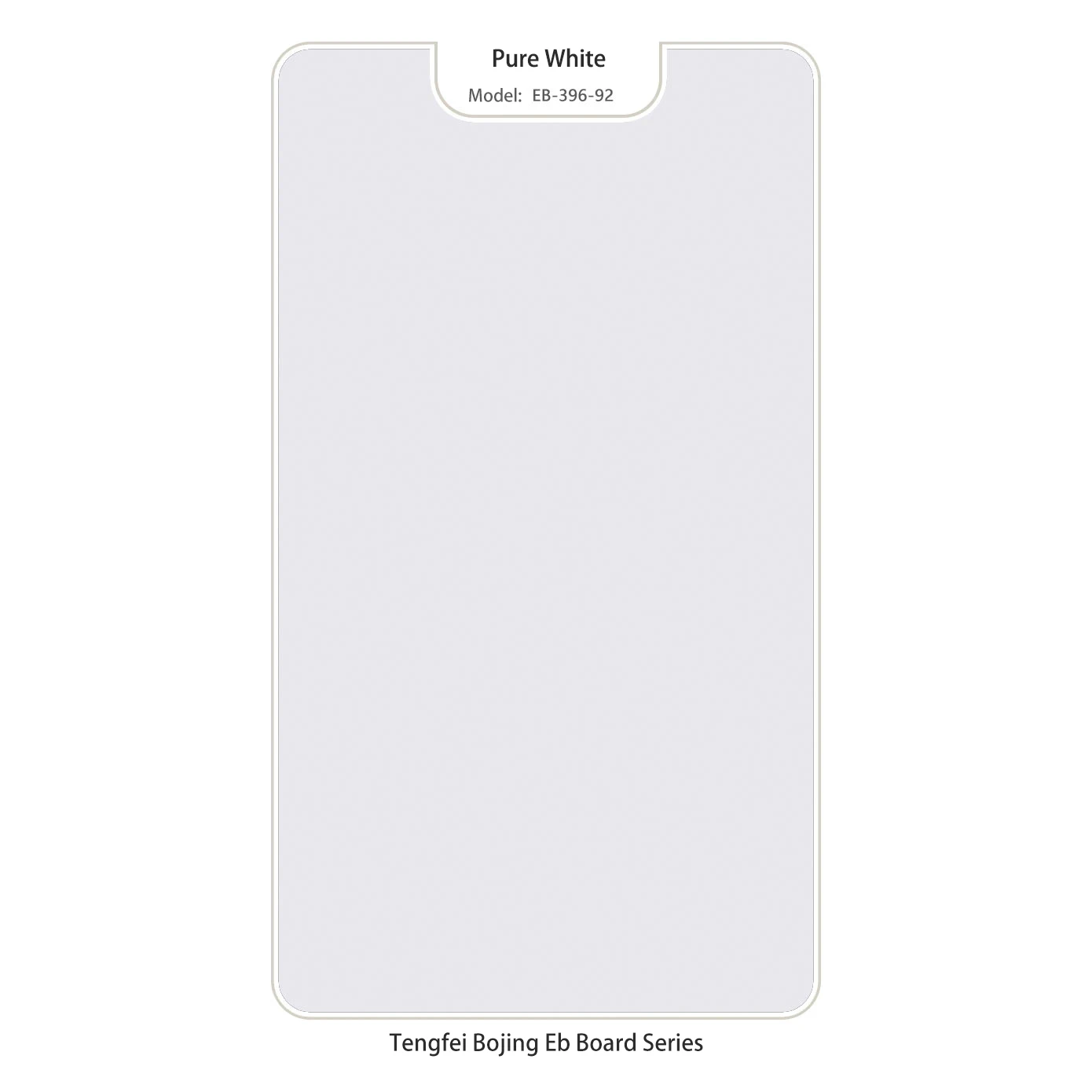
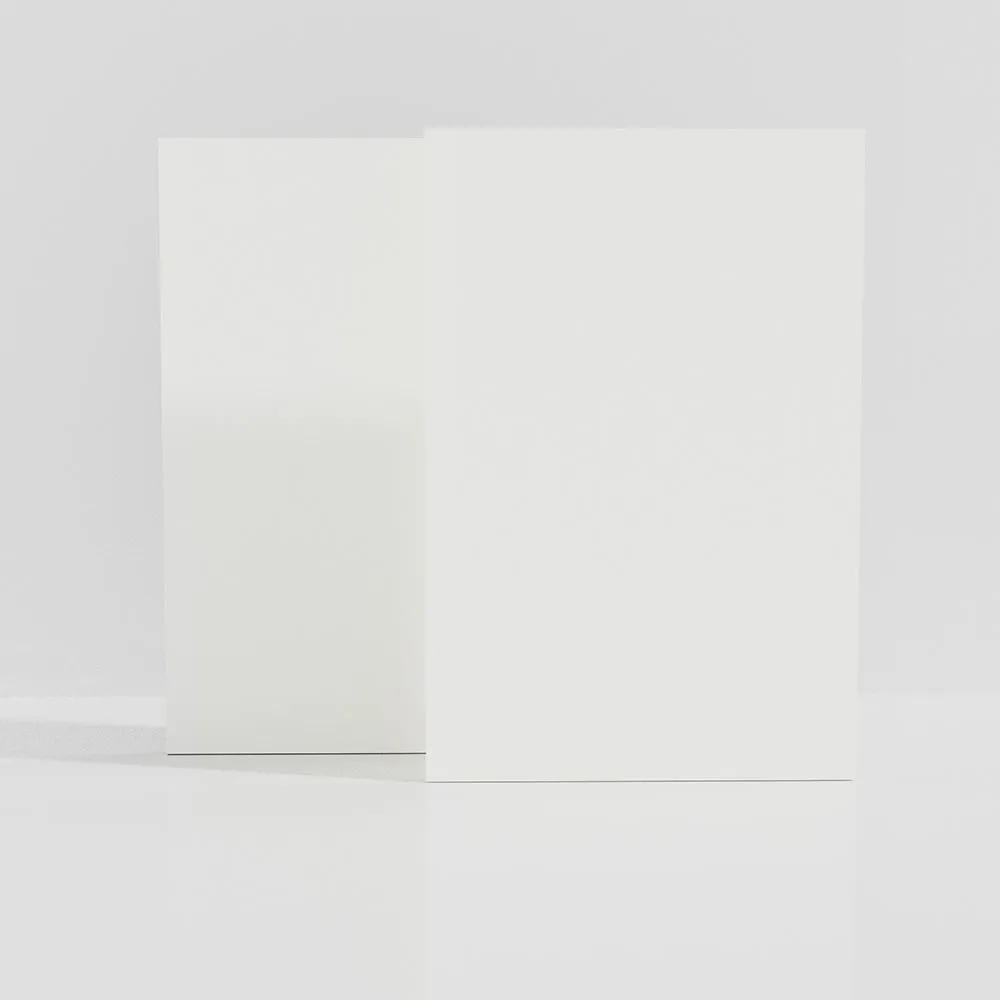
  • Tengfei Platinum EB Particle High-Gloss Panels - Pure white

    Tengfei Platinum EB Particle High-Gloss Panels - Pure white

    Tengfei Bojing EB High-Gloss Panels leverage advanced electron beam curing technology to deliver vibrant color reproduction and superior surface luminosity. Ideal for crafting cabinetries, vanities, wardrobes, storage systems, entertainment units, display cases, countertops, and bar installations across domestic and office environments, these panels redefine functional aesthetics. Engineered with ​anti-aging resistance, ​yellowing-proof durability, and ​corrosion immunity, they maintain pristine surfaces through ​smudge-proof with self-dissipating properties and ​effortless maintenance. The ​antibacterial surface ensures hygienic environments free from odors, while ​true-color fidelity with precise hue consistency guarantees design integrity. The ​Pure White High-Gloss variant seamlessly integrates with Modern Minimalism, Contemporary Luxe, and Scandinavian design paradigms, offering chromatic versatility for spatially transformative applications.
    VIEW ALL
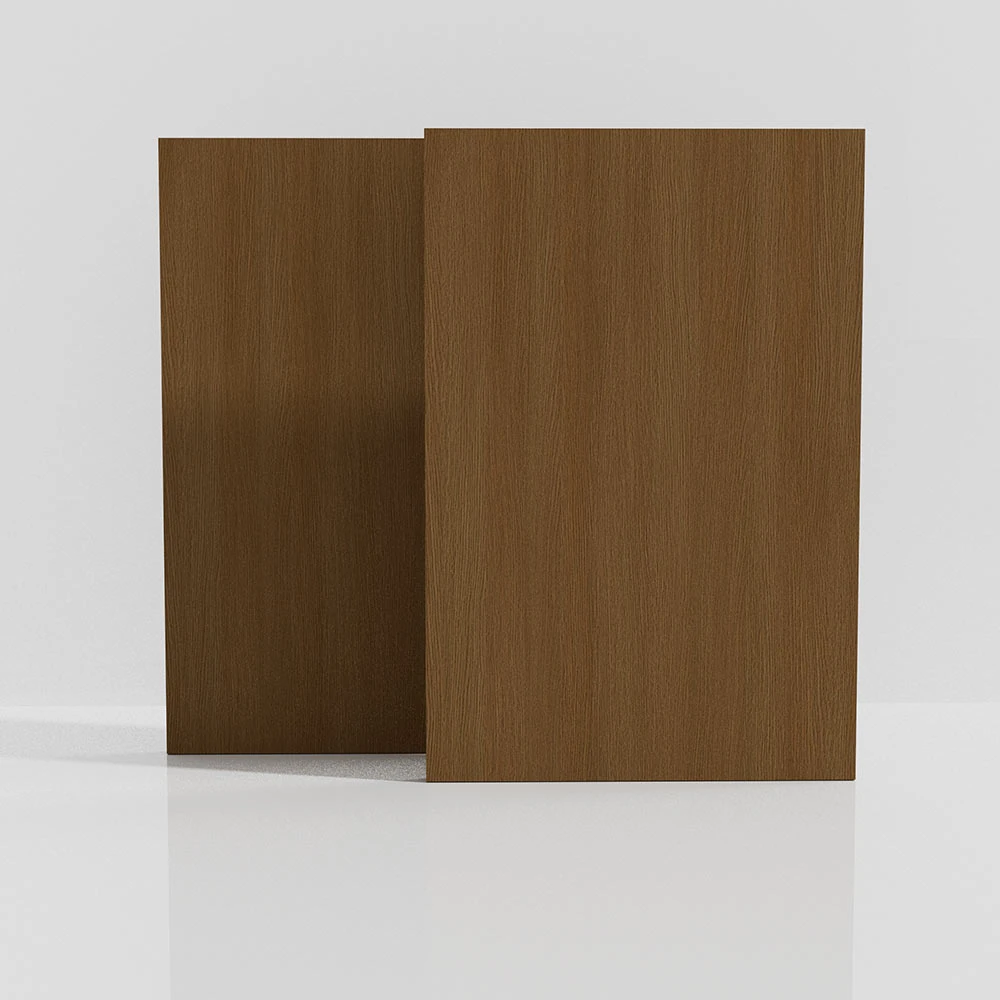
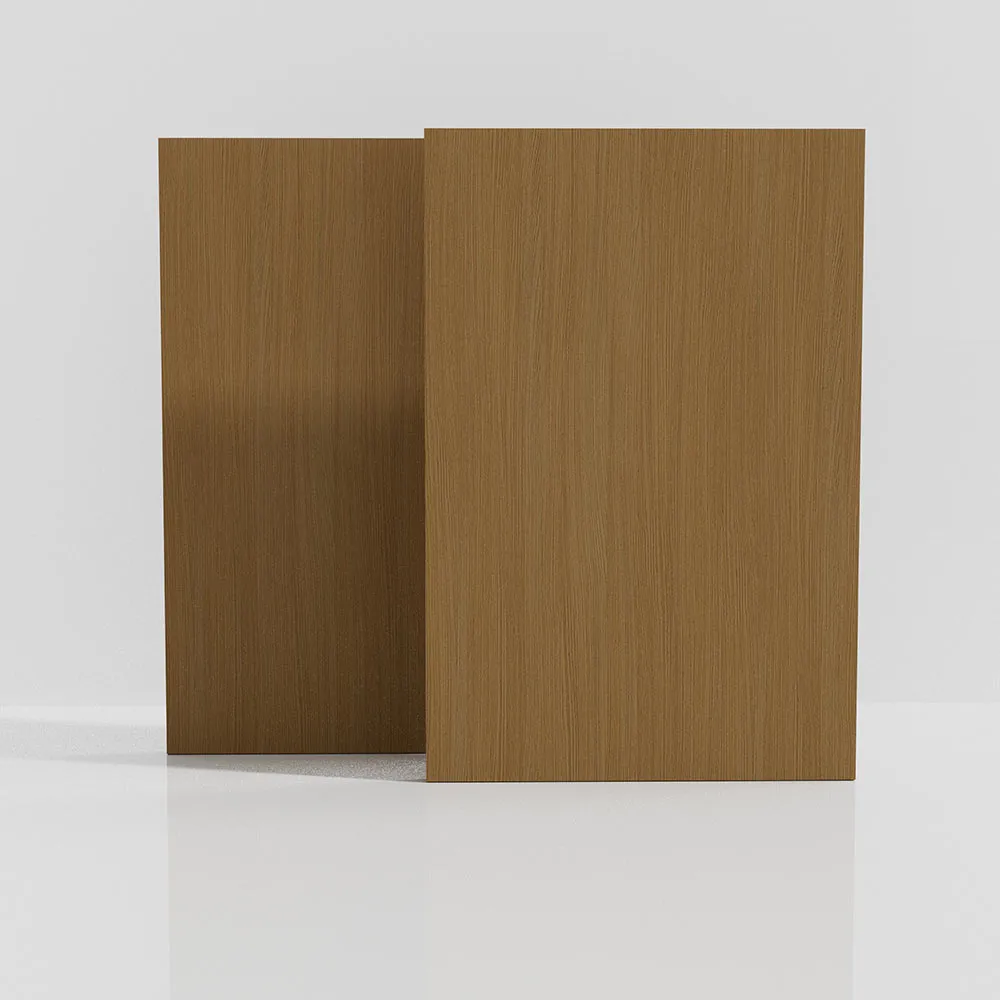
  • Primary Color Oak 102

    Primary Color Oak 102

    Primary Color Oak 102 features a warm, natural oak tone that adds timeless elegance and a touch of organic charm to any space.
    VIEW ALL
veneer factory

To provide reliable solutions through quality products!

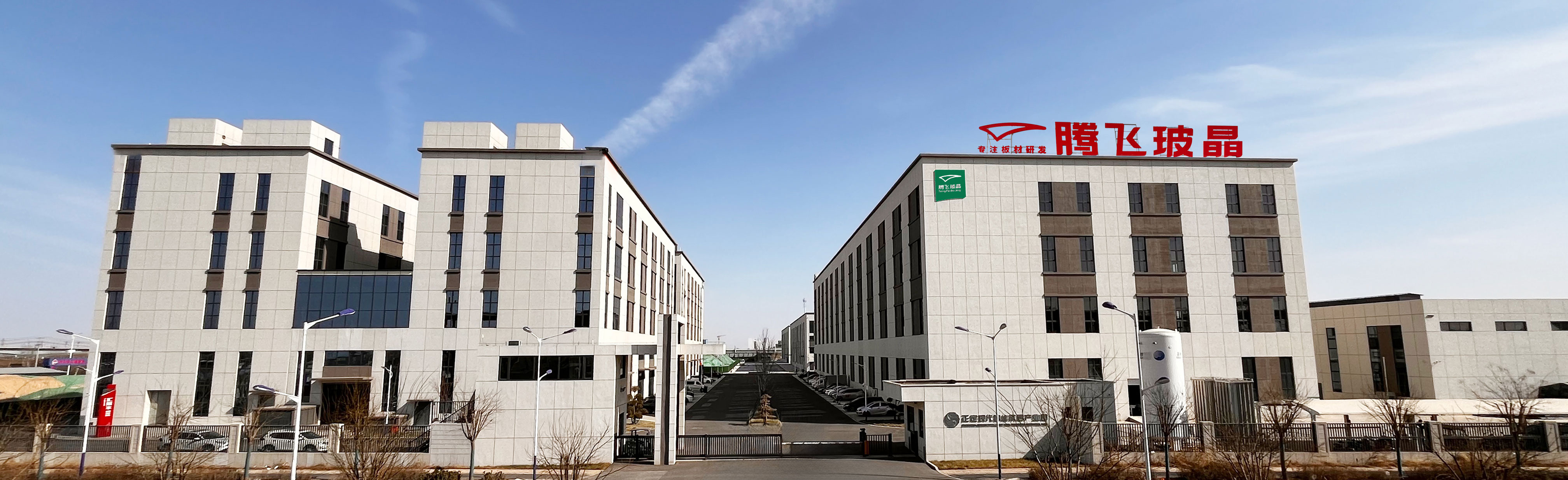
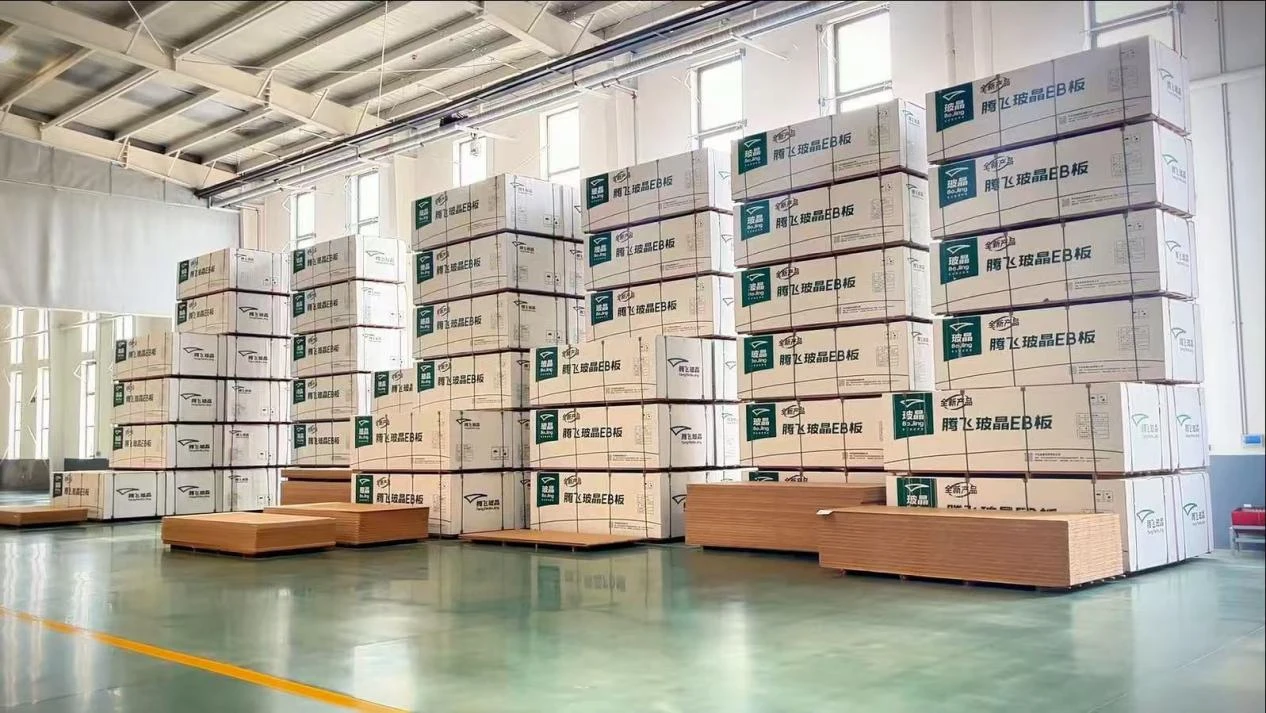
Hebei bojing technology co., ltd. specializes in the production of EB MDF boards and Veneer MDF boards, offering customers high-performance materials for interior decoration, furniture manufacturing, and architectural applications. With a commitment to innovation, precision, and customer satisfaction, we deliver products that combine durability, aesthetics, and cost-effectiveness to meet the diverse needs of global markets.
Welcome to our news page for the latest information and trends about EB MDF and Veneer MDF.
Sat 12
2025
Discover the Benefits of MDF High Gloss Board | Durable & Eco-Friendly Panels
Understanding MDF High Gloss Board: Why It Matters Worldwide When you hear the term mdf high gloss b
Sat 02
2026
Understanding Waterproof Plywood Price Factors and Sourcing Options
Navigating the world of waterproof plywood can be complex, especially when determining a fair waterproof plywood price. This article aims to break down the factors influencing cost, explore typical price ranges, and provide insights into sourcing quality plywood from reputable suppliers like Tengfei EBMDF. Understanding these aspects will empower you to make informed purchasing decisions. Several key factors contribute to the final price of waterproof plywood. These include the type of wood veneer used (such as birch, poplar, or okoume), the plywood's thickness, the grade of the plywood, and the specific waterproof treatment applied. Marine-grade plywood, for instance, is more expensive due to its superior water resistance and construction standards. Furthermore, the location of the supplier, shipping costs, and current market demand all play a role. Higher quality materials and more rigorous manufacturing processes generally translate to a higher price point. The specific adhesive used also affects the price.
Tue 09
2025
Elegant, Durable Irish Grey Stone for Timeless Design
Irish Grey is a key solution in the chemical industry, specifically within paint and Architectural
Tue 07
2025
Enhance Interiors with Premium Wood Veneer Solutions
In contemporary interior design, the natural beauty and sophistication of wood are unparalleled.
Sat 12
2025
Essential Guide to MDF Cutting Boards: Durable & Cost-Effective Solutions
The Rising Importance of MDF Cutting Boards in Modern Kitchens and Industries At first glance, an md
Tue 03
2026
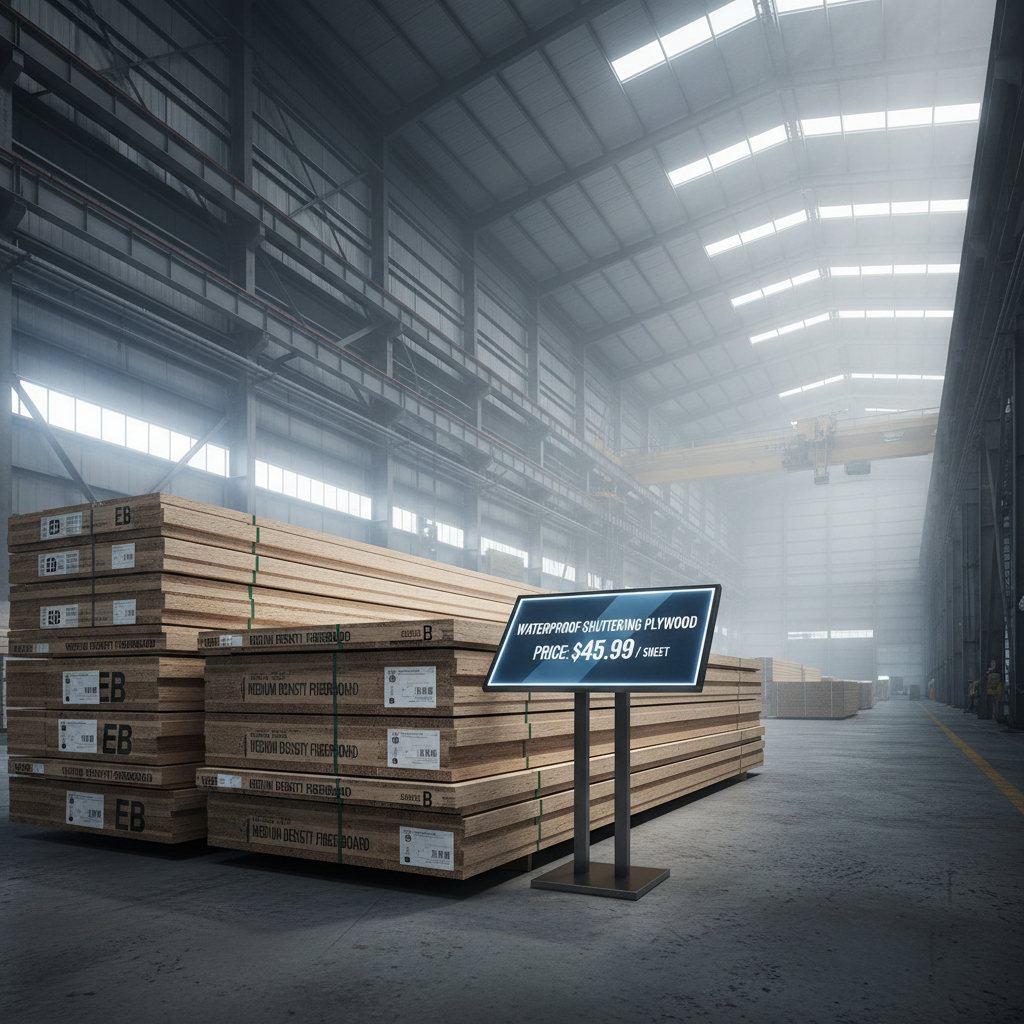
Comprehensive Guide to Waterproof Shuttering Plywood Price and Quality Considerations
When undertaking construction projects, selecting the right materials is crucial for safety, efficiency, and cost-effectiveness. Waterproof shuttering plywood is a vital component in forming concrete structures. Understanding the factors influencing the waterproof shuttering plywood price is essential for budget planning and ensuring the quality of your construction. This article will explore the various aspects impacting the price, quality considerations, applications, and where to source reliable supplies. Investing in quality shuttering plywood can prevent costly delays and ensure a structurally sound outcome. Several key factors determine the waterproof shuttering plywood price. The type of wood used is a major contributor, with hardwoods generally being more expensive than softwoods. Plywood thickness also plays a significant role; thicker sheets offer greater strength and durability, commanding a higher price. The quality of the waterproof glue used in the manufacturing process is another critical aspect.
Mon 10
2025
PF1015F Impact Crusher: High Output & Durable—Why Choose It?
PF1015F is a key solution in the manufacturing industry, specifically within Special Equipment Manuf
Fri 12
2025
Professional Plywood Suppliers for B2B | High-Quality Plywood from Tengfei EB MDF
Discover reliable plywood suppliers offering durable, customizable plywood products ideal for construction, furniture, and industrial packaging. Explore Tengfei EB MDF solutions now.
Sun 11
2025
Fashion Grey Essentials: Versatile, Premium, Timeless Style
Fashion Grey is a key solution in the home building materials industry, specifically within Decorati
Fri 10
2025
Mo Landi Bai: Elevate Spaces with Morandi White Serenity
Navigating Ligna: Top China Manufacturers in EB MDF and Single Board Panels Ligna, the world's leadi
Mon 03
2026
Comprehensive Guide to 1 1 8 Plywood Properties Uses and Sourcing
1 1 8 plywood, also known as 3mm plywood, is a versatile and widely used wood panel prized for its strength-to-weight ratio and cost-effectiveness. It's a staple material in a diverse range of applications, from furniture making and crafts to construction and packaging. This article will provide an in-depth exploration of 1 1 8 plywood, covering its properties, uses, grades, and sourcing options. Whether you're a DIY enthusiast, a professional builder, or involved in import/export, understanding this material is crucial. 1 1 8 plywood gets its name from its thickness – approximately 1/8 of an inch, or 3mm. It is constructed by gluing together thin layers (veneers) of wood grain, with the grain direction of each layer running perpendicular to the adjacent ones. This cross-graining process is what gives plywood its exceptional strength and stability, preventing it from splitting or warping easily. Different wood species can be used to create plywood, influencing its appearance, durability, and cost. The quality of the adhesive also significantly impacts the plywood’s performance and resistance to moisture.
Wed 03
2026
Comprehensive Guide to 1 16 Plywood Applications and Selection
1/16 plywood, also known as 1.5mm plywood, is a versatile and lightweight wood panel widely used in various applications. From crafts and modeling to furniture components and packaging, its thin profile and affordability make it a popular choice. This article provides an in-depth look at 1/16 plywood, covering its properties, applications, benefits, and where to source high-quality sheets. We'll also delve into comparisons with other plywood thicknesses and explore how to select the right grade for your project. 1/16 plywood is a thin sheet of plywood measuring approximately 1.5 millimeters (or 1/16 of an inch) in thickness. It's typically constructed from layers of wood veneer bonded together with adhesives. The number of plies (layers) can vary, influencing its strength and flexibility. Common wood species used in 1/16 plywood include birch, poplar, and maple. The thinness of this plywood makes it incredibly easy to cut, shape, and work with, making it ideal for intricate designs and projects.
tel +8615030171059 tel icon15

If you are interested in our products, you can choose to leave your information here, and we will be in touch with you shortly.