Add: No.8 Xinxing Street, North Zone, Zhengding High-tech Industrial Development Zone, Hebei, China
CONTACT US
+8615030171059


CONTACT US
+8615030171059
Walnut finishes are having a real moment. Architects keep asking for warmer, grounded interiors that don’t feel fussy, and manufacturers—especially in China’s Hebei corridor—have quietly raised their game. Enter Atalanta Walnut C, a melamine-faced MDF decor that aims for that “tailored but not try-hard” look. To be honest, it surprised me with how consistent the print laydown is across batches; many customers say the color drift is minimal, which is rare in this price band.
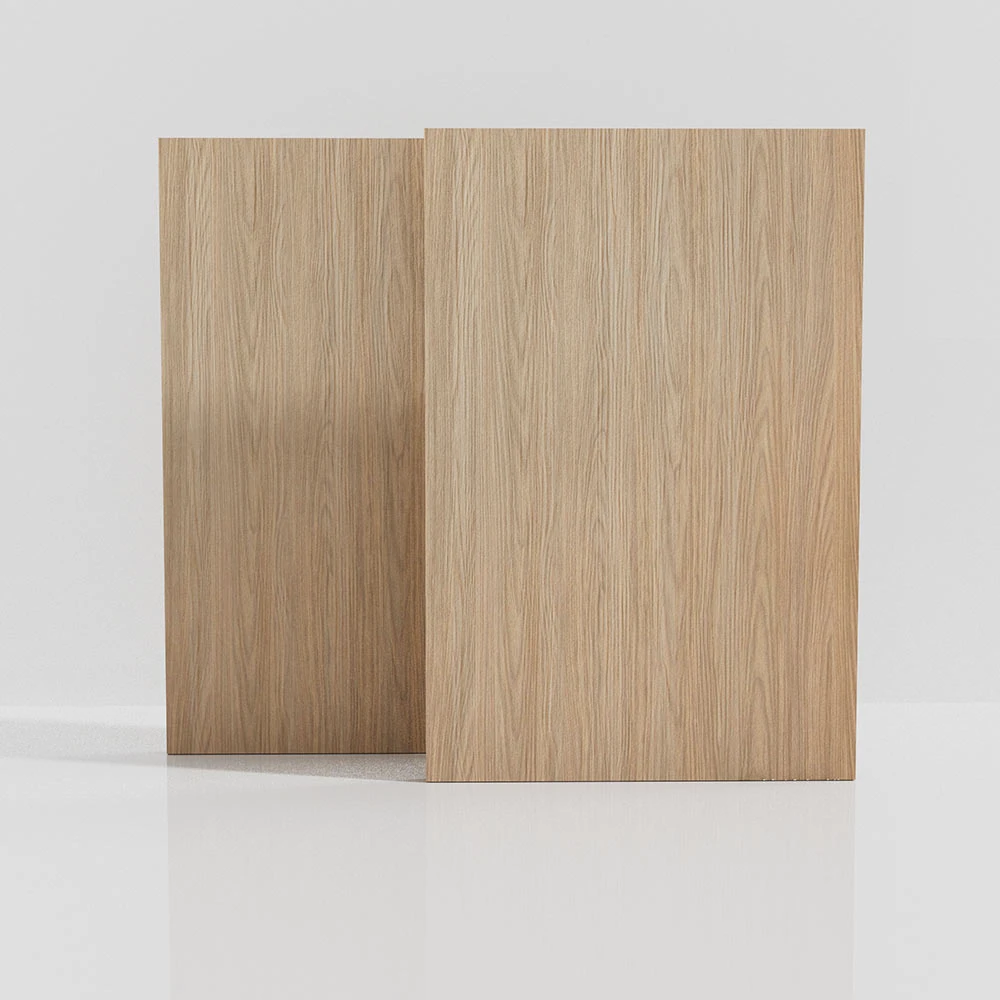
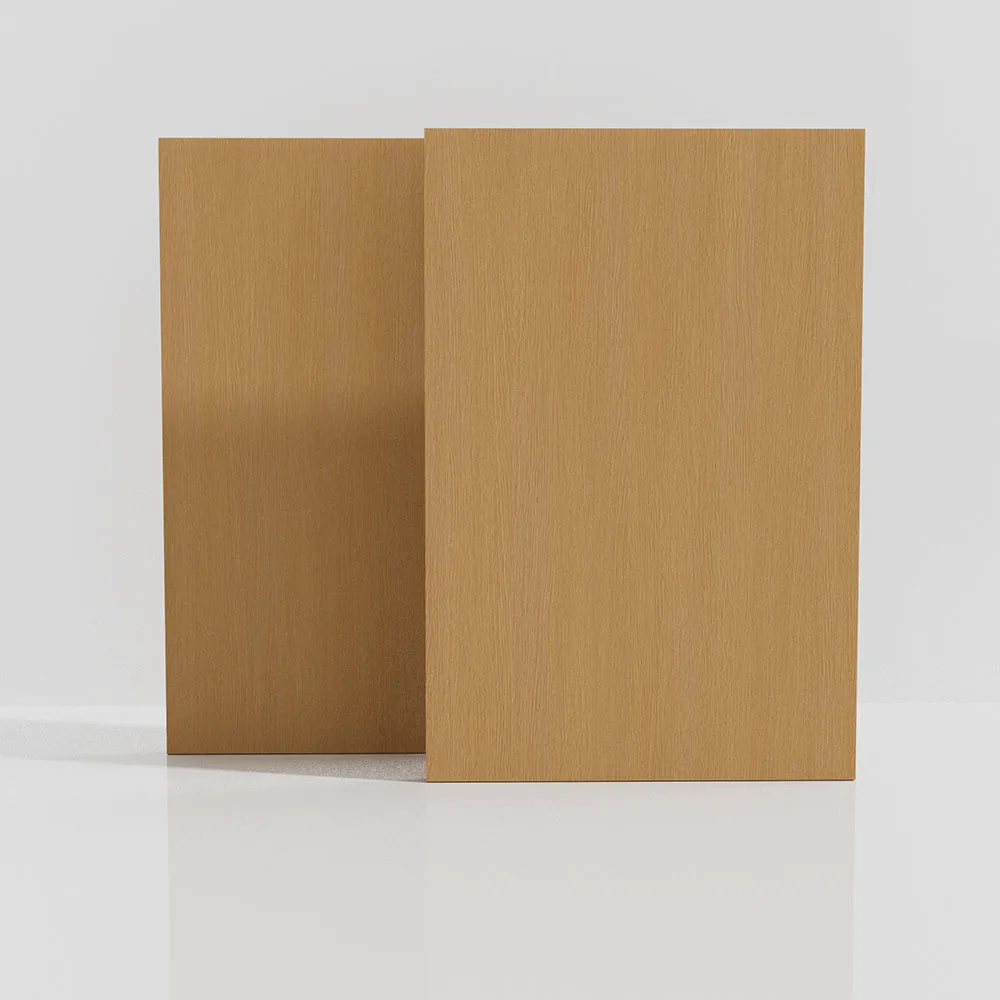
Atalanta Walnut C is a decor-printed, melamine-impregnated surface bonded to an MDF core—think cabinetry, wall cladding, shopfitting. The grain is modern walnut (less red, slightly desaturated), which fits current hospitality and multi-family palettes. Actually, the trend leans toward “quiet luxury”: tactile, low-sheen, and durable enough for real-world abuse.
| Parameter | Spec (≈/typ.) | Notes |
|---|---|---|
| Core material | MDF (E1/E0 options) | Low-emission per EN/ISO/TSCA guidelines |
| Thickness | 6–25 mm | Common: 16/18 mm |
| Sheet size | 1220×2440 mm, 1830×2750 mm | Custom cuts on request |
| Surface | Melamine, low-sheen, optional pore emboss | Synchronized texture available |
| Density | ≈720–760 kg/m³ | Varies by thickness |
| Emissions | E1/E0; CARB2/TSCA VI | Lab-verified, batch-based |
| Service life | ≈8–15 years | Indoor, normal use |
EN 14323 surface: scratch resistance ≈1.5–2.5 N; stain resistance Group 1–2: 5/5; abrasion: ≥350 cycles (real-world use may vary). Formaldehyde: E1 and CARB2/TSCA VI compliant per latest batch reports.
| Vendor | Lead time | Emission class | Custom texture | Price tier |
|---|---|---|---|---|
| Atalanta Walnut C (Hebei) | ≈2–4 weeks | E1/E0, CARB2/TSCA VI | Yes (pore emboss) | Mid |
| Generic import | 3–6 weeks | E1 | Limited | Low |
| EU boutique brand | 4–8 weeks | E1/E0 | Extensive | High |
Edges can be matched with ABS, PVC, or veneer; radius-friendly. Thickness and sheet sizes are flexible, and private-label cartons are doable. Installers told me the boards machine cleanly on standard carbide; just mind chip-out on cross-grain and seal all edges near moisture—basic, but worth saying. One furniture maker noted, “Color stayed steady across our 60-sheet run.”
If you want a warm walnut look without veneer pricing, Atalanta Walnut C is a sane middle ground. It’s not a floor laminate; it is, however, solid for verticals and casework, especially when a fast, repeatable spec matters.
Citations
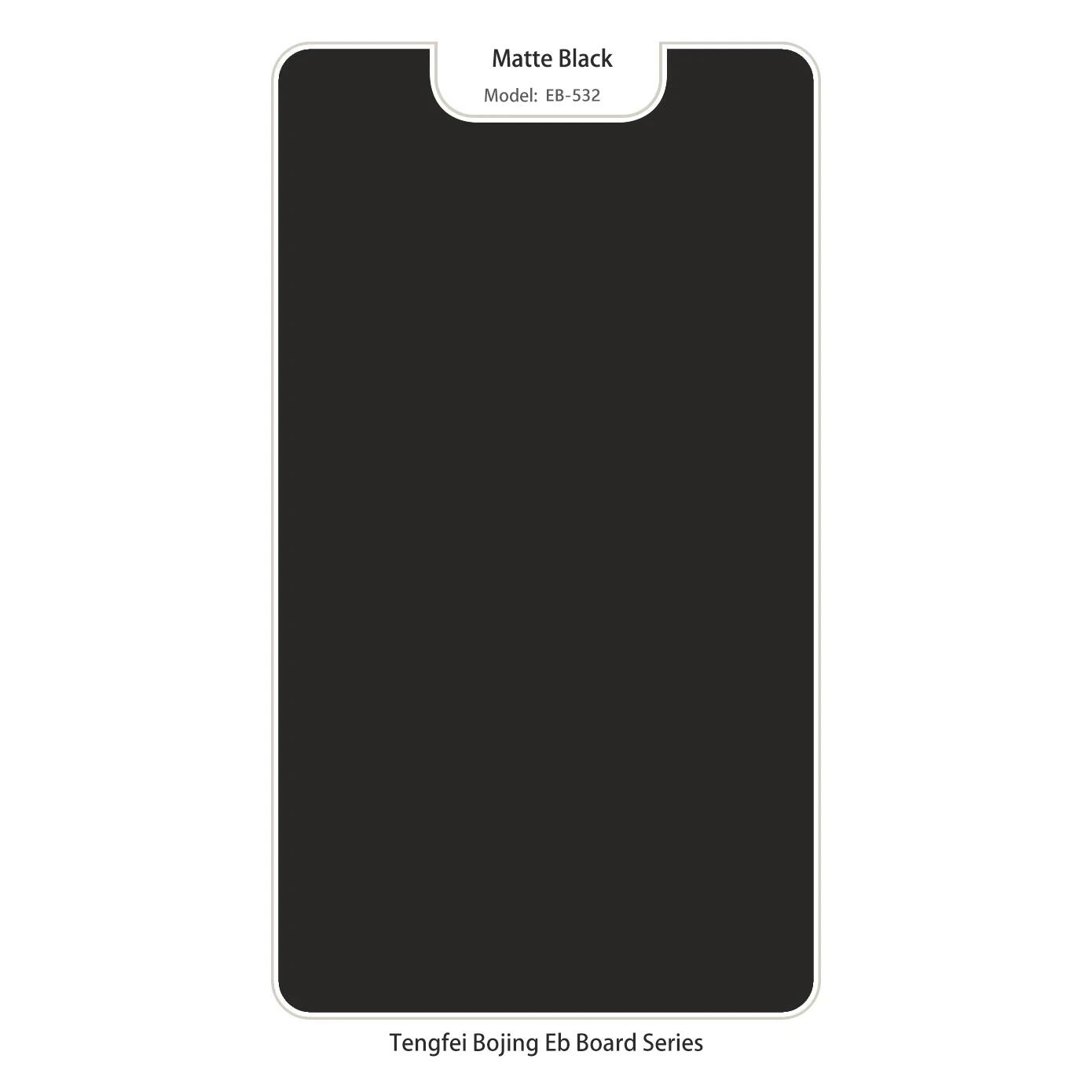
Tengfei Platinum EB Particle Panels - Matte Black
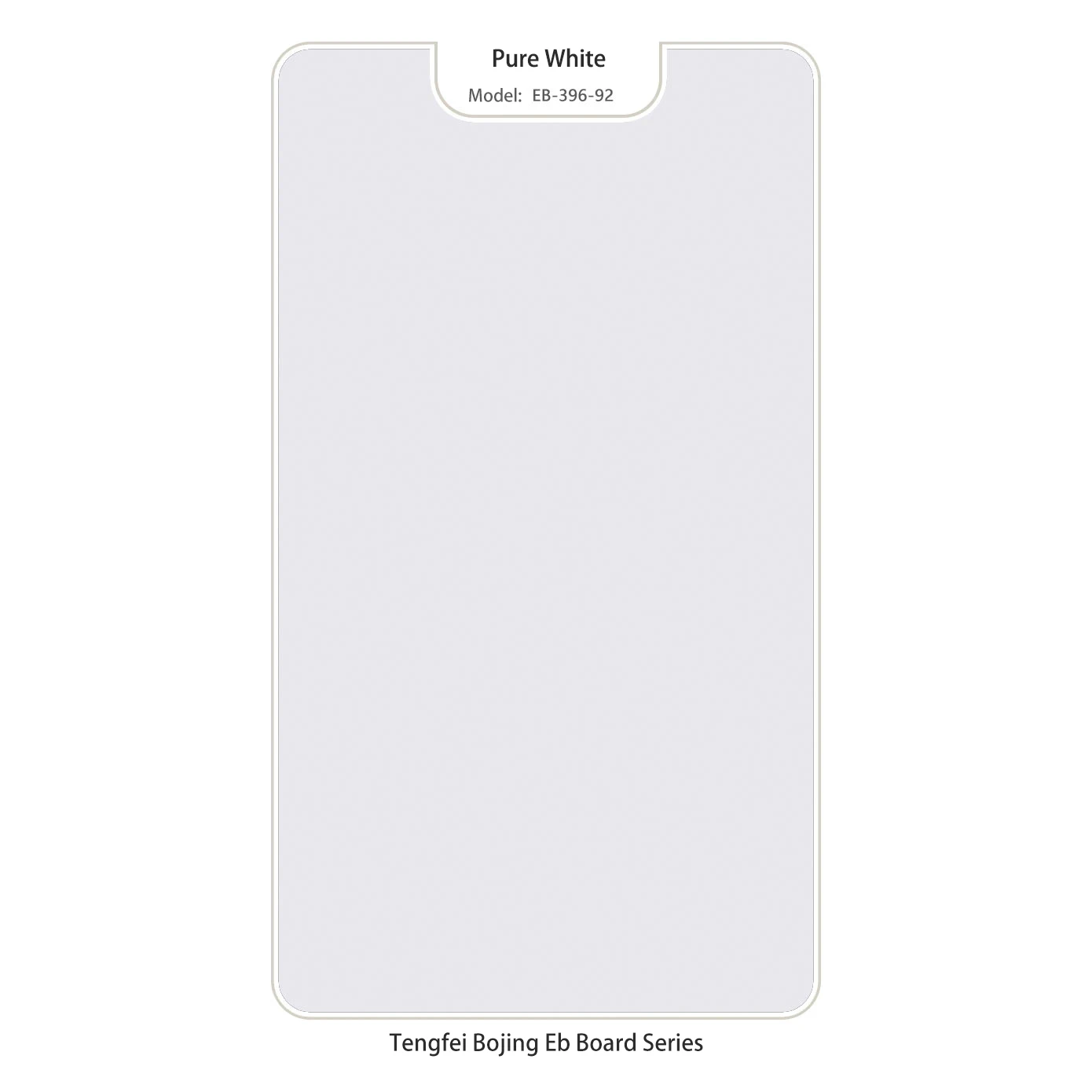
Tengfei Platinum EB Particle High-Gloss Panels - Pure white
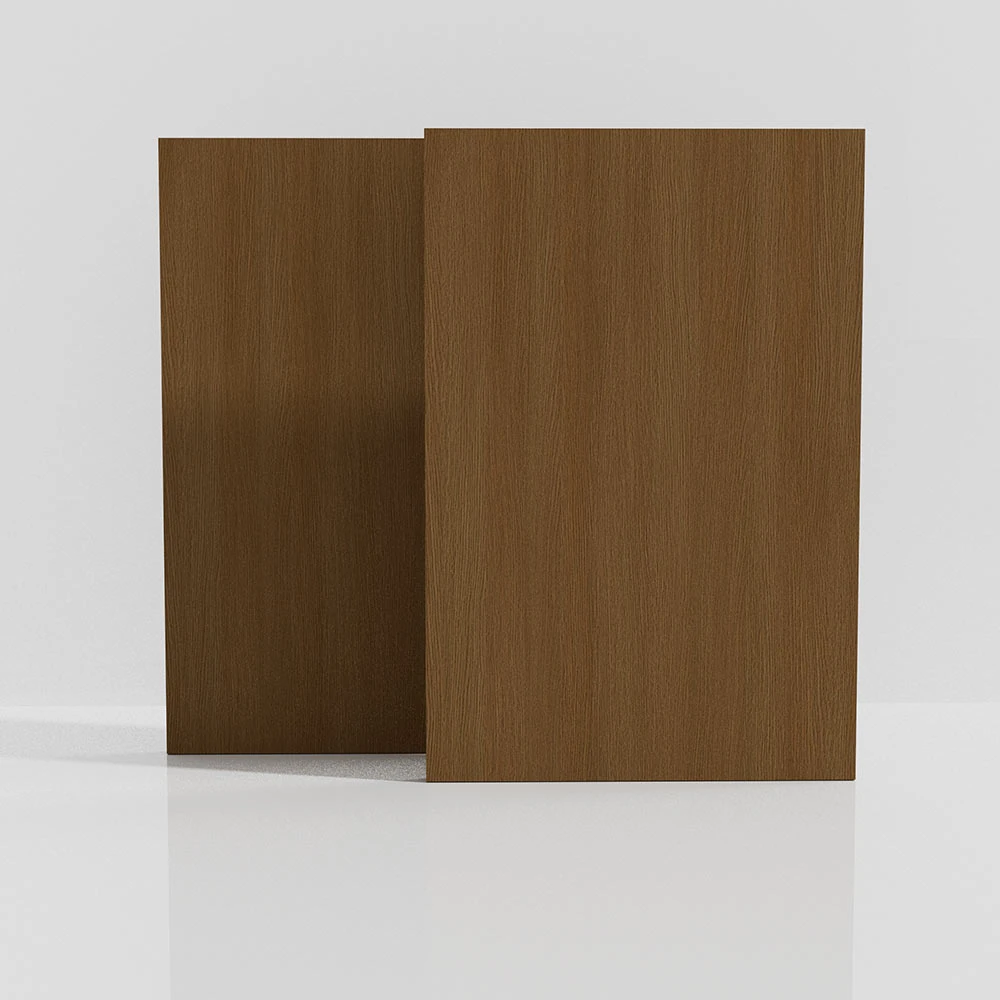
To provide reliable solutions through quality products!