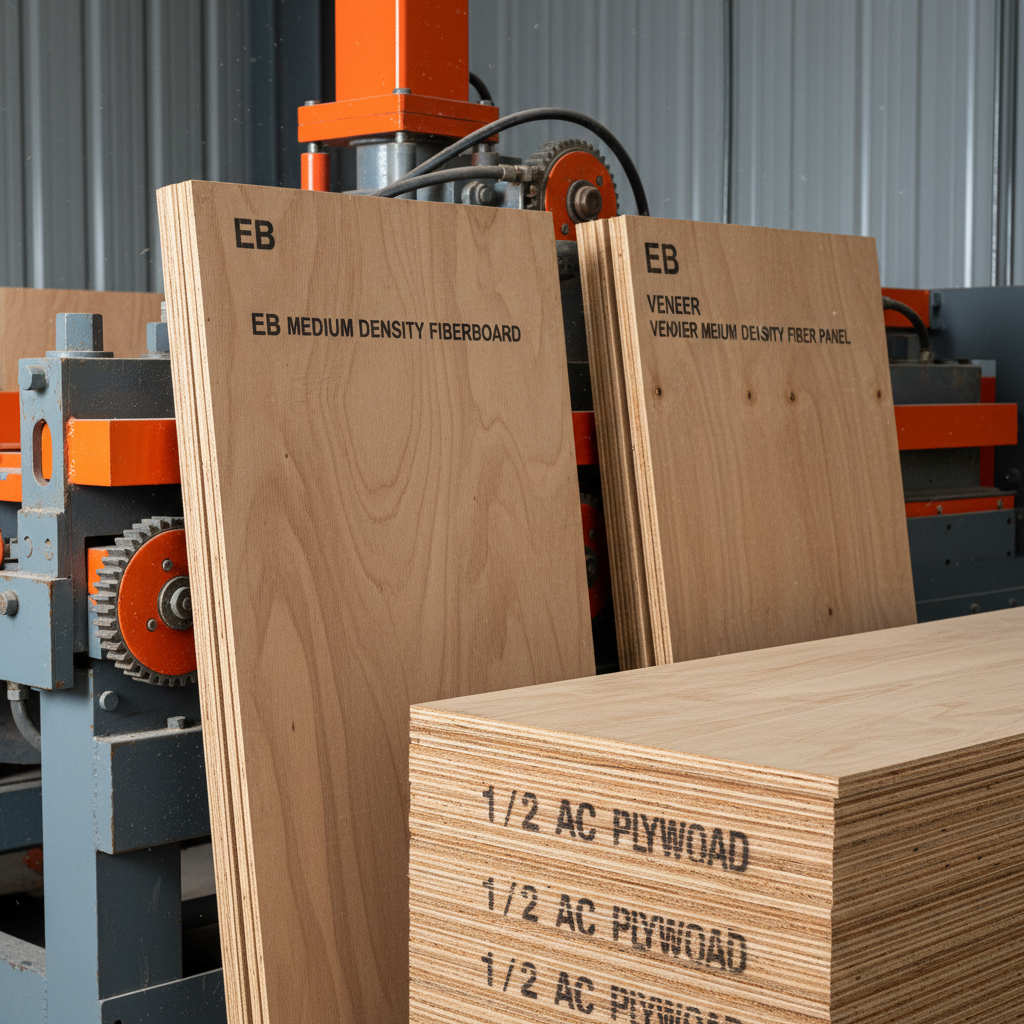
Understanding MDF Board Door Price: What It Means for Your Projects
If you’re in the construction or interior design world—or even just a curious homeowner—you’ve probably come across the term mdf board door price. But why does it matter so much globally? Well, MDF (Medium Density Fiberboard) doors offer a perfect blend of durability, style, and affordability that has seen their demand spread worldwide. Knowing what drives the price of these doors can save you money and help you make smarter choices, whether you’re outfitting a commercial complex or remodeling your living room.
Global Context: Why MDF Board Door Prices Are a Big Deal
Globally, the construction industry is growing fast—around 3–4% annually, according to the World Bank. This growth means more demand for affordable yet reliable building materials. MDF board doors are one such product, favored because they offer a good balance between price and quality. Even the United Nations highlights affordable housing as a critical goal, and materials like MDF boards help keep costs down without sacrificing quality.
Yet, pricing isn’t straightforward. Fluctuations in raw material costs, regional transportation challenges, and environmental certifications affect what you end up paying. For large-scale projects or international procurement, understanding these factors is key.
Defining MDF Board Door Price
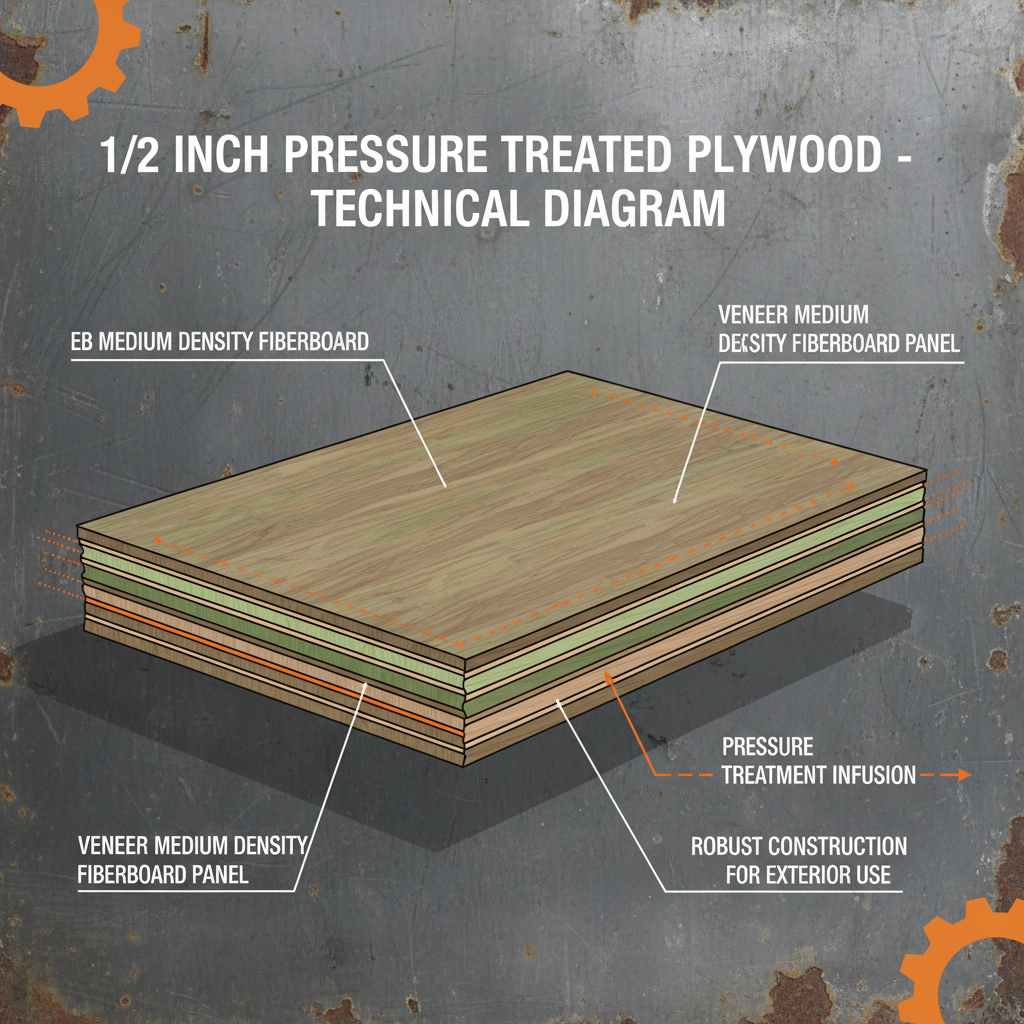
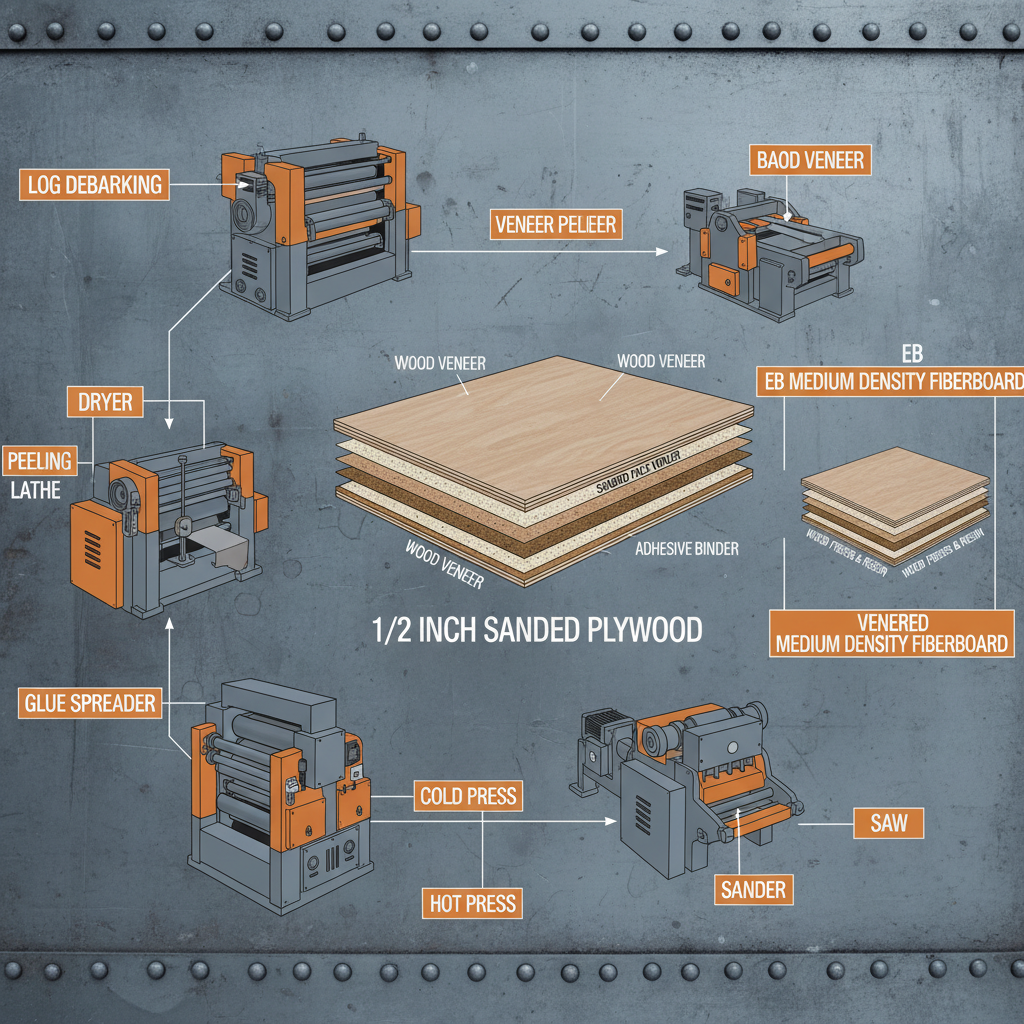
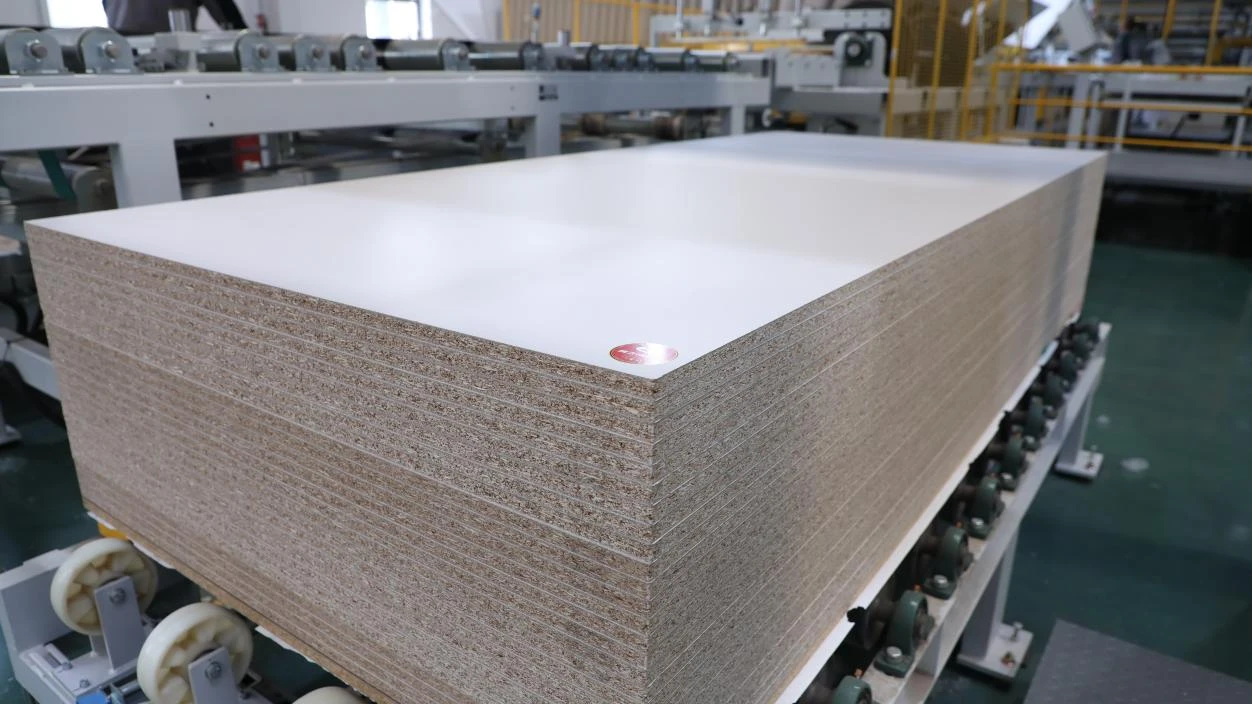
Put simply, the mdf board door price refers to the cost of doors made primarily from MDF — a composite wood product manufactured from wood fibers combined under heat and pressure. This type of door is popular because it provides a smooth surface ideal for paints and veneers while maintaining structural integrity. It plays a significant role in modern construction, especially where budget and sustainability matter.
In many humanitarian projects, MDF doors demonstrate practical value by being lightweight yet sturdy, easily transported, and customizable — critical for shelters or modular buildings.
Key Factors Influencing MDF Board Door Prices
1. Material Quality
Not all MDF boards are created equal. Density levels and fiber quality affect durability and finishing options. Higher density MDF boards, for instance, may command a premium but offer better resistance to warping and wear.
2. Door Dimensions & Design Complexity
Larger doors or those with intricate designs, grooves, or additional components (glass inserts, locks) will naturally push prices up. Basic flat-panel designs tend to be the most cost-effective.
3. Finish & Coatings
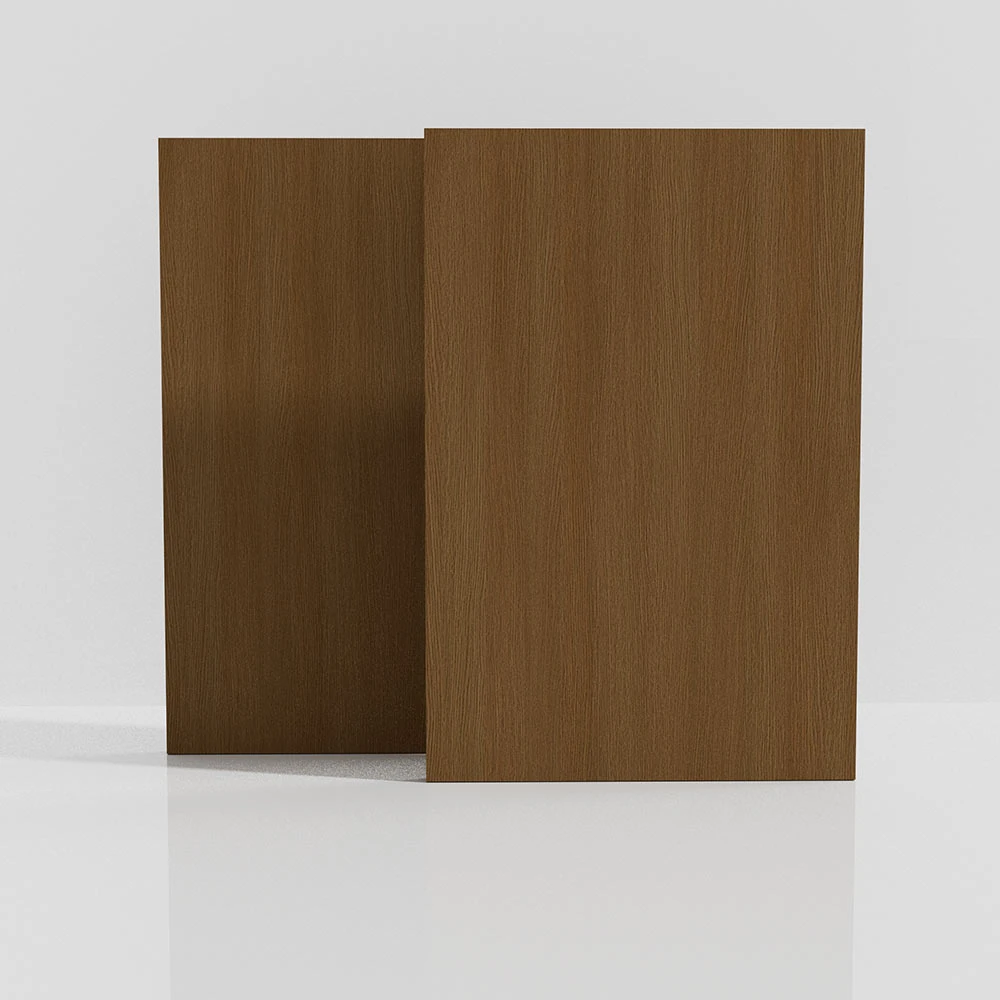
Painted, laminated, or veneered MDF doors each have different cost implications. High-quality veneers or eco-friendly paints can add to overall costs but also enhance longevity and aesthetics.
4. Manufacturing Location & Logistics
Where doors are produced affects shipping costs and delivery times. Local manufacturing typically reduces expenses, while imported MDF doors might be pricier due to taxes and freight charges.
5. Environmental Certifications
Today, many buyers ask for FSC-certified or low-emission MDF boards to meet sustainability standards — often nudging prices higher but aligning with global green initiatives.
Mini Takeaway
In essence, MDF board door price is governed by quality, size, finish, production, and sustainability concerns. Understanding these gives better control over budgeting for any building or renovation project.
Global Applications & Use Cases
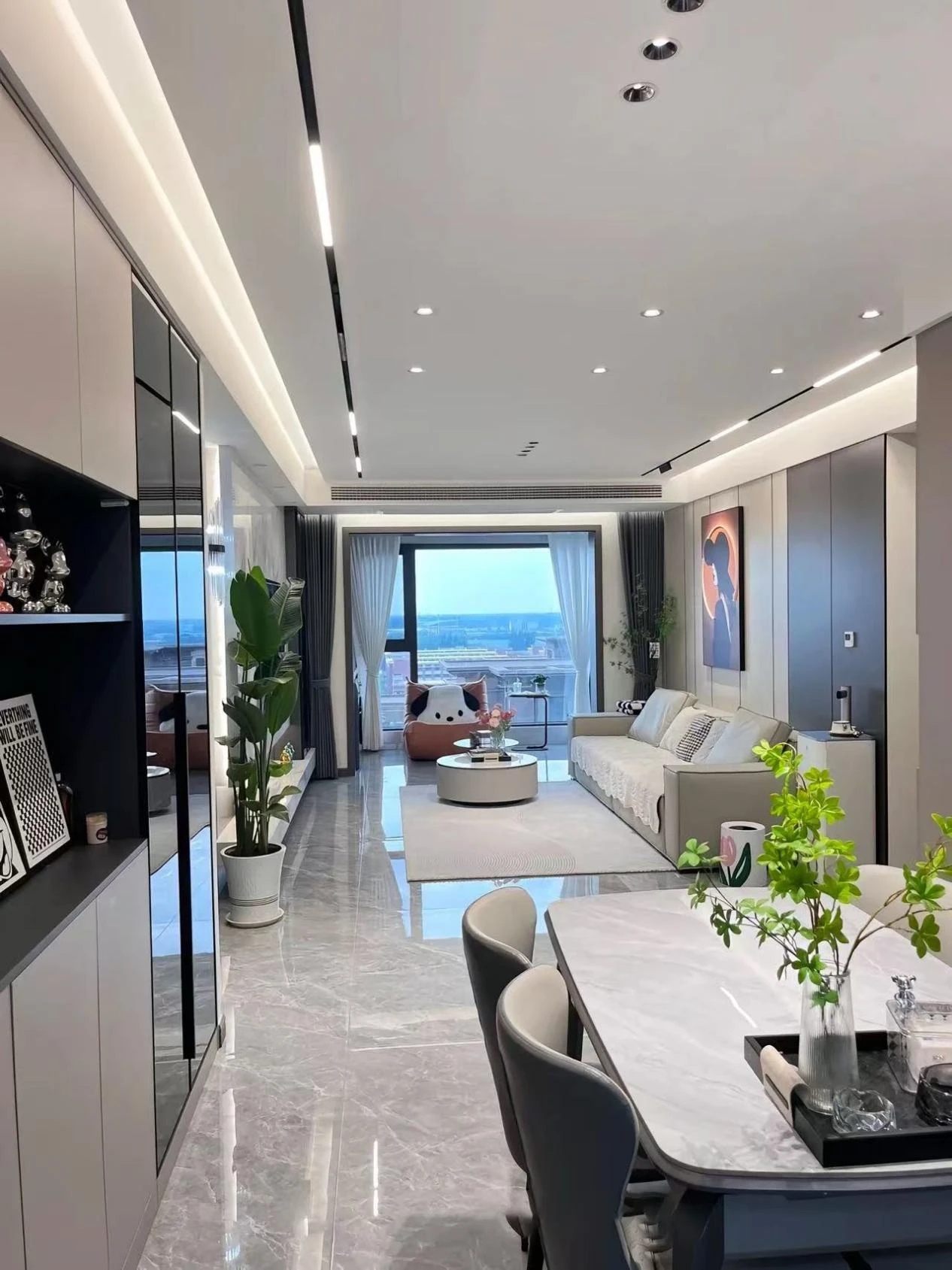
- Residential Buildings: From apartments in Europe to villas in Asia, MDF doors provide stylish and affordable entryways.
- Commercial Spaces: Offices and retail stores prefer MDF doors for their clean looks and easy maintenance.
- Post-Disaster Relief & Modular Housing: NGOs and governments often select MDF doors for quick, cost-effective shelter solutions.
- Remote Industrial Facilities: In mining or offshore platforms, lightweight MDF doors simplify shipment and installation.
Take an example from Southeast Asia, where rapid urban growth has driven demand for sustainable but low-cost building components — MDF doors fit right into that puzzle.
Advantages & Long-Term Value
- Cost Efficiency: MDF doors broadly cost less than solid wood but look equally elegant after finishing.
- Durability & Maintenance: They resist cracks and dents better than some alternatives, requiring less upkeep over time.
- Environmental Impact: MDF often recycles wood waste, reducing deforestation concerns.
- Customization: Easily painted or laminated, MDF doors adapt to changing interior trends without full replacement.
- Emotional Safety: Functioning doors are central to home security and privacy — trust and peace of mind matter.
Future Trends & Innovations
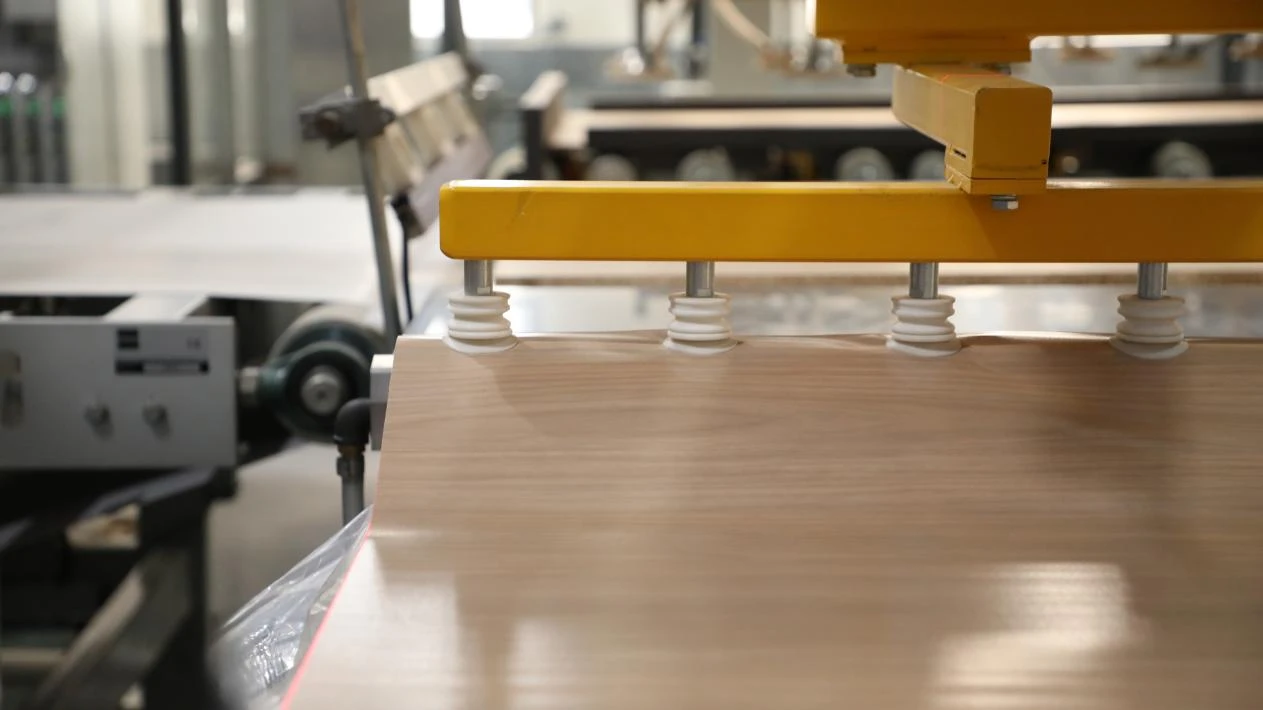
Technology in MDF production is evolving. Some manufacturers now integrate bio-based resins to reduce formaldehyde emissions, aiming for greener products. Digital CNC machining enhances design precision, lowering waste during door fabrication. Plus, automation in production lines means faster turnaround times, impacting final prices positively.
There’s also growing interest in hybrid doors combining MDF cores with aluminum or composite skins, marrying durability with aesthetic appeal, suitable for climates demanding extra weather resistance.
Challenges & Solutions
Of course, MDF boards aren’t without issues. Standard MDF tends to absorb moisture unless sealed properly, limiting use in wet environments. Also, misconceptions about “plastic-y” feel can deter buyers unfamiliar with newer high-quality MDF products.
Innovative water-resistant MDF variants and improved sealing techniques address these concerns — manufacturers and consumers must communicate these facts better. Knowing upfront about environmental certifications avoids unknowingly purchasing low-quality MDF that harms indoor air quality.
Frequently Asked Questions About MDF Board Door Price
| Question |
Answer |
| Why is MDF board door price generally lower than solid wood doors? |
MDF is made from wood fibers and resin, allowing efficient use of wood waste and lower production costs, which often leads to more affordable doors without compromising on looks or durability. |
| How does door size affect the MDF board door cost? |
Larger doors require more material and heavier handling, increasing manufacturing and shipping expenses, which reflects in a higher price. |
| Are eco-friendly MDF doors more expensive? |
Typically yes, because certified MDF involves more controlled production and materials but often results in better health and environmental outcomes over time. |
| Can MDF doors be used in humid climates? |
Standard MDF needs proper sealing or special moisture-resistant variants to avoid swelling; otherwise, they are best suited for dry indoor environments. |
| Where can I find up-to-date MDF board door price information? |
Checking with reputable manufacturers like Tengfei or authorized distributors is best, as prices fluctuate with raw materials and logistics. Visit mdf board door price listings for current details. |
Comparison of MDF Door Vendors
| Vendor |
Price Range (USD) |
Product Quality |
Eco Certification |
Lead Time |
| Tengfei MDF |
$50 - $120 |
High (Premium Density) |
FSC & CARB II |
2-3 weeks |
| GlobalWood Doors |
$45 - $110 |
Medium |
CARB II |
3-5 weeks |
| EcoDoors Ltd. |
$60 - $130 |
High (Bio Resin) |
FSC, PEFC |
4 weeks |
Typical MDF Door Specifications
| Specification |
Description |
| Dimensions |
Standard 80x200 cm (adjustable) |
| Thickness |
35 - 40 mm typical |
| Core Material |
Medium Density Fiberboard (MDF) |
| Finish Options |
Paint, laminate, veneer |
| Fire Rating |
Varies; often non-rated without treatment |
| Weight |
Approx. 25-30 kg |
In Conclusion
Ultimately, understanding mdf board door price is about balancing quality, cost, and sustainability. The flexibility of MDF doors combined with improving manufacturing standards and eco-friendly trends makes them a current and future-friendly choice for many projects globally. If you’re considering MDF doors for your next build or upgrade, dive deeper into current pricing and options at mdf board door price to find a solution tailored just for you.
Feel free to reflect on the nuances—sometimes a door is just a door, but often it’s the first impression, security, and quiet comfort of a home or workplace.
References:
- World Bank Urban Development Data
- Wikipedia: Medium-density fibreboard
- International Organization for Standardization (ISO)