Understanding MDF Board 9mm Price: What Drives Its Demand Globally?
You might wonder why something as specific as mdf board 9mm price gets so much attention in multiple industries worldwide. MDF, or Medium-Density Fiberboard, is one of those materials quietly powering a lot of our everyday furniture, flooring, interiors, and much more. The 9mm thickness variant hits a sweet spot—thin enough for ease of handling, yet strong and versatile for many projects. Understanding its pricing isn’t just about cost management; it’s a window into supply chains, material science, and even global economics.
Global Context: Why MDF Boards Matter More Than Ever
Globally, the construction and furniture sectors, combined, contribute trillions of dollars annually. Data from the International Trade Centre shows a steady rise in wood-based panel imports and exports worldwide. Yet as sustainability concerns grow and raw materials get scarcer, the affordability and consistency represented in something like the mdf board 9mm price become crucial. For developing economies especially, managing costs here means better access to durable housing, creative furniture, and industrial goods.
Mini takeaway: The global push for affordable, sustainable building materials makes understanding MDF pricing not just useful but strategic.
What Is MDF Board 9mm Price, Anyway?
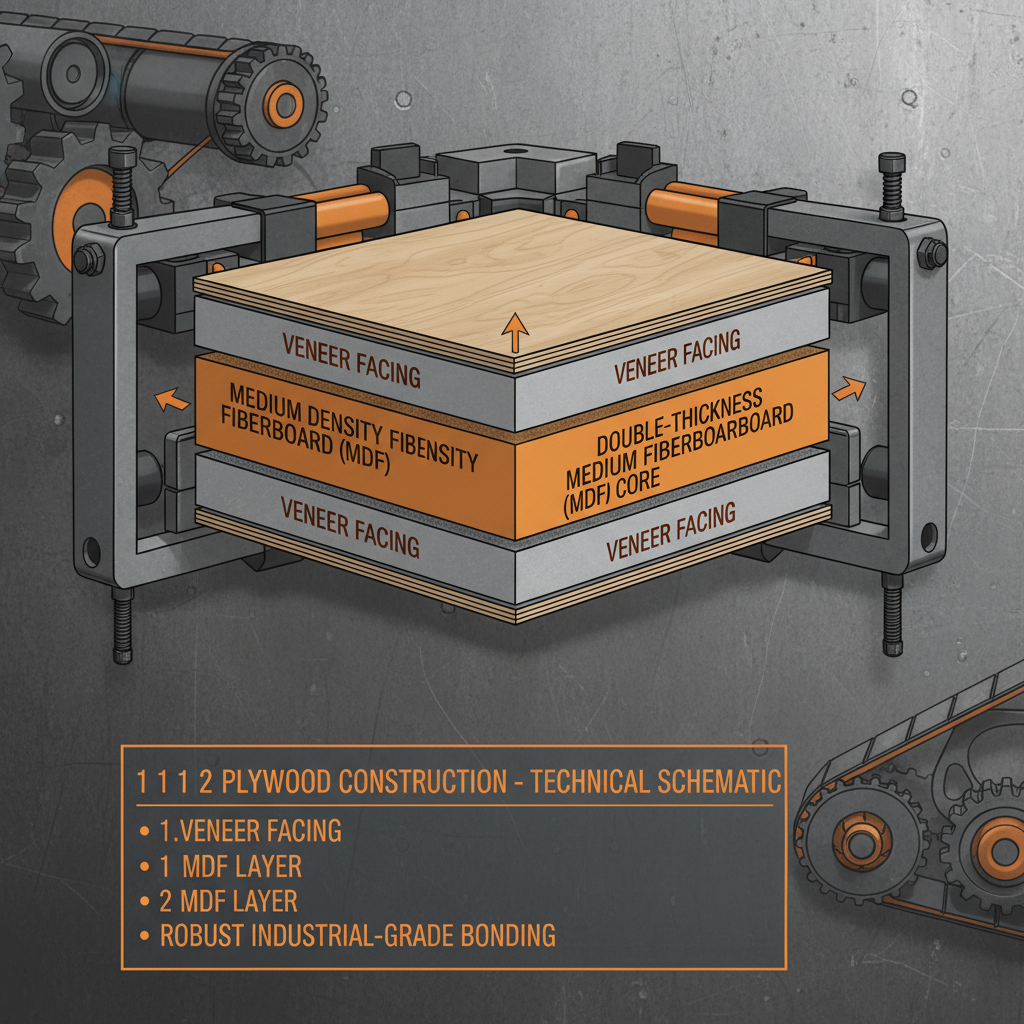
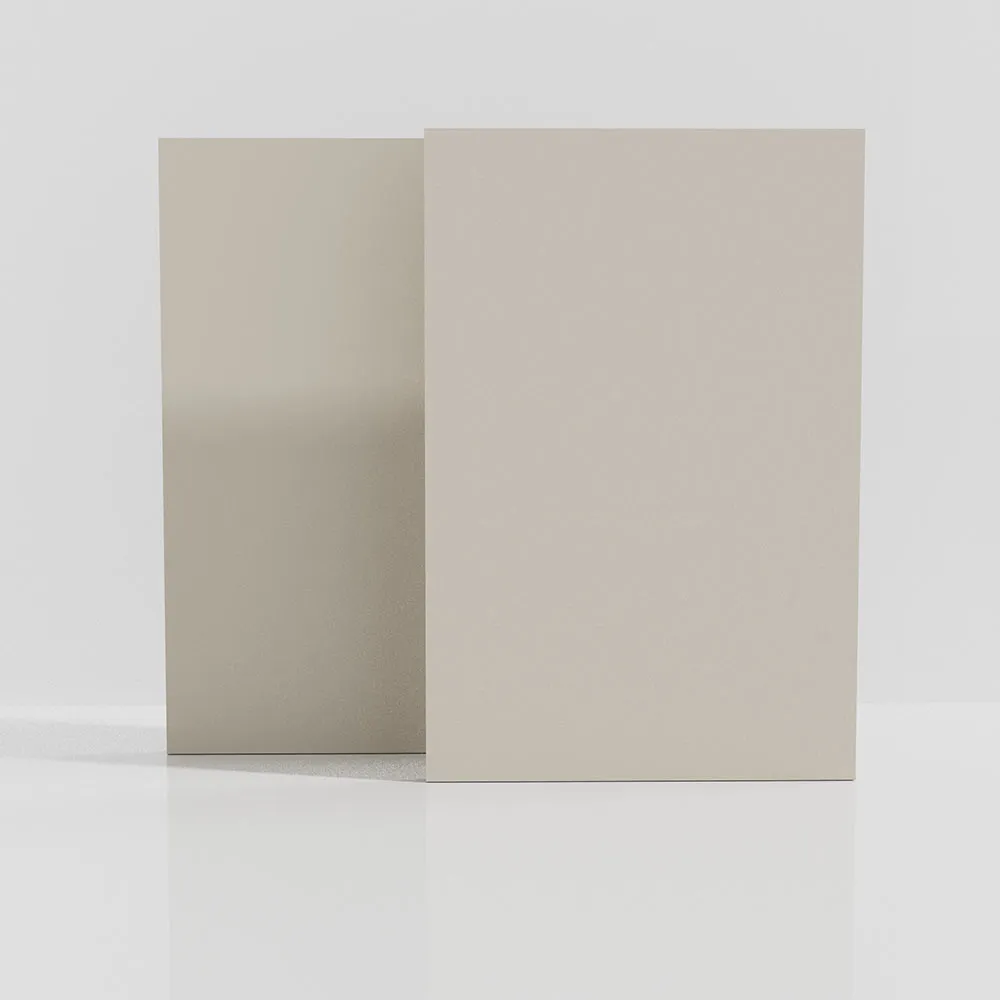
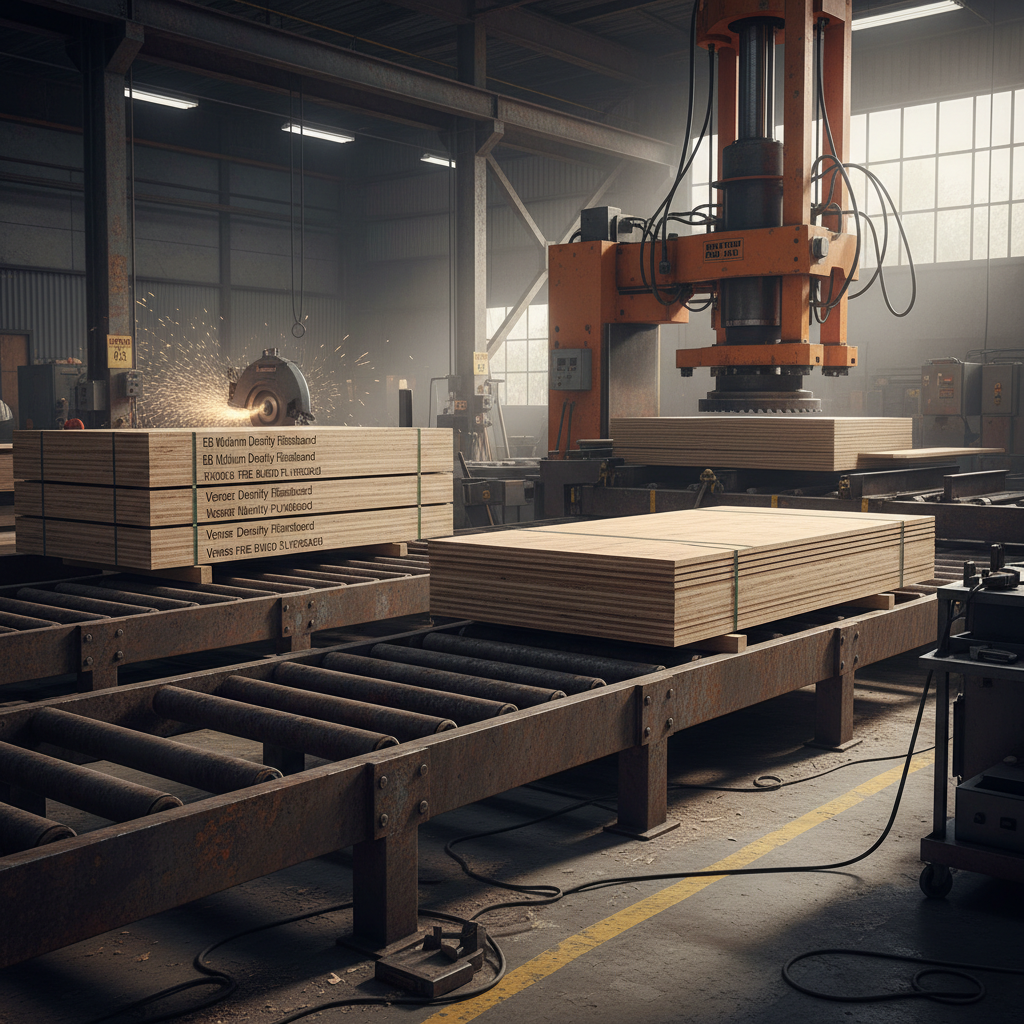
Simply put, the mdf board 9mm price refers to the current market cost of Medium-Density Fiberboard panels that are 9 millimeters thick. MDF itself is an engineered wood product made by breaking down hardwood or softwood residuals into wood fibers, combined with wax and resin, and formed under high temperature and pressure.
This pricing reflects several factors: raw material availability, processing complexity, transportation, and demand fluctuations. It’s tied closely to industries like furniture making, cabinetry, construction finishing, and sometimes even arts and crafts.
Core Factors Affecting MDF Board 9mm Price
1. Material Quality and Raw Fiber Source
Not all MDF is made equal. Wood quality, fiber density, and adhesive types vary by manufacturer and region. Higher-quality fibers often mean higher prices but longer-lasting boards.
2. Manufacturing Process Efficiency
Innovations in pressing technology and resin formulation can reduce waste and improve board durability, influencing costs. Energy consumption during production also plays a role.
3. Supply Chain Logistics
Because MDF is bulky, transportation costs significantly impact pricing. Regions close to timber sources or MDF plants typically enjoy better prices.
4. Demand in Various Industry Segments
When construction booms or furniture markets spike, demand raises prices—but this is often cyclical. Emerging markets can shift these dynamics quickly.
5. Environmental Regulations and Sustainability
Stricter regulations on formaldehyde emissions or sustainable forestry practices might increase production costs, thus impacting the 9mm MDF board price.
Typical MDF Board 9mm Specifications
| Parameter |
Specification |
| Thickness |
9 mm ± 0.2 mm |
| Density |
700 - 800 kg/m³ |
| Moisture Content |
6% - 10% |
| Surface Smoothness |
Suitable for laminating and painting |
| Formaldehyde Emission Class |
E1 or better (low emission) |
Real-World Applications of MDF Board 9mm
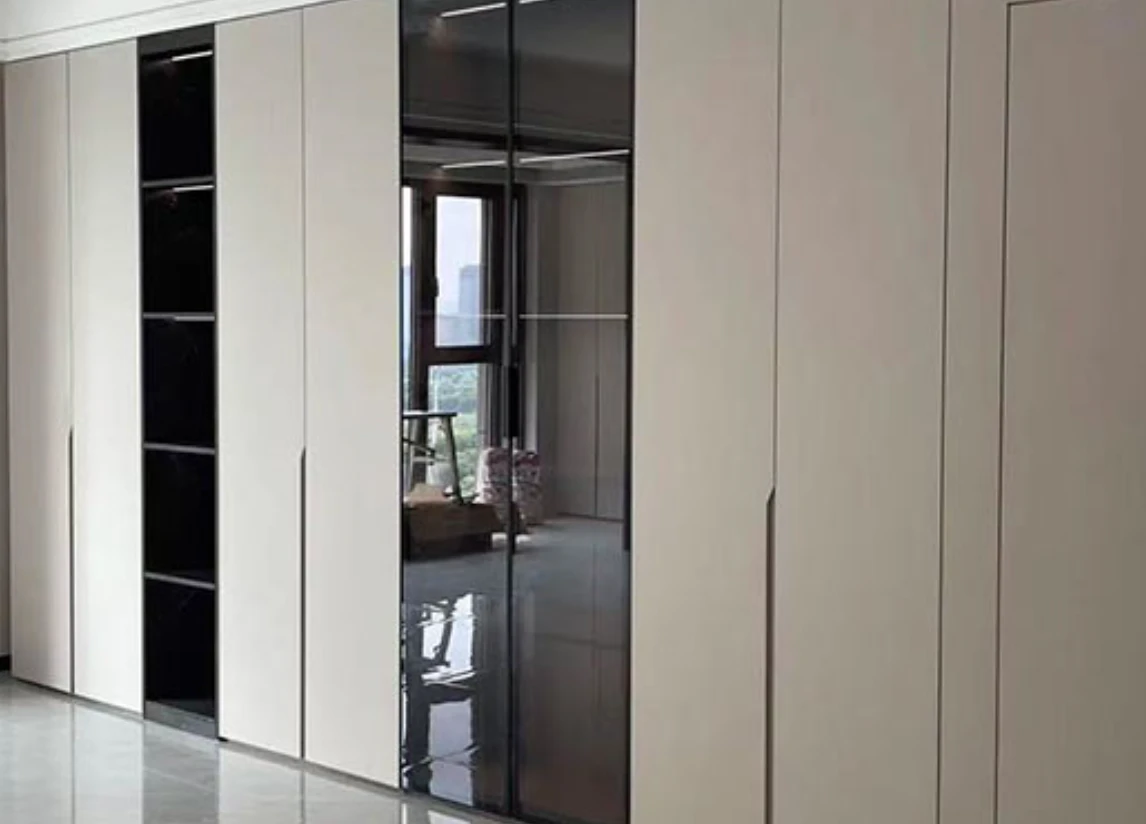
MDF boards at 9mm thickness shine in a variety of sectors. In Asia and Europe, they’re staples for kitchen cabinets, decorative wall panels, and lightweight interior partitions. In countries recovering from natural disasters, lightweight MDF helps rebuild homes faster and more affordably.
Oddly enough, creative industries also rely on this thickness for prototyping products or custom packaging. It’s widely favored where a balance of strength and flexibility matters. The automotive aftermarket and retail displays have hopped on the bandwagon too.
Comparing Leading MDF Board Vendors
Vendor Comparison Overview
| Vendor |
Typical Price (USD/m²) |
Sustainability Certification |
Regional Availability |
Quality Rating |
| Tengfei MDF |
7.50 |
FSC & E1 |
Asia, Europe |
Excellent |
| GreenWood Panels |
8.20 |
PEFC |
North America, Europe |
Very Good |
| EcoFiber Corp. |
7.90 |
SFI |
Global |
Good |
Advantages & Long-Term Benefits
- Cost Efficiency: The 9mm thickness often reduces material waste and lowers transport costs due to lightness.
- Sustainability: Many MDF products comply with strict eco-standards, reducing forests’ over-exploitation.
- Customization: Easy to cut, shape, paint, or laminate, enabling diverse design possibilities.
- Reliability: Consistent density and smooth surfaces add quality assurance to projects.
It’s worth noting how this balance creates a kind of emotional value too — safety in knowing furniture won’t collapse, pride in quality workmanship, and trust in eco-friendly labeling.
Future Trends & Innovations
The MDF industry is evolving. There is a noticeable trend towards formaldehyde-free resins and bio-based adhesives, addressing health concerns. Digital fabrication methods like CNC routing paired with thinner MDF sheets (including 9mm ones) unlock new creative potentials.
Additionally, circular economy principles are pushing manufacturers to recycle more wood fibers efficiently, lowering the mdf board 9mm price while increasing sustainability footprint. Plus, smart factories with automation bring down production costs steadily.
Challenges & Solutions in MDF Pricing
Challenges remain, of course. Raw material price volatility and transportation bottlenecks can create unpredictable price spikes. Moreover, the environmental impact of adhesives and emissions still draws scrutiny.
Some innovative producers are piloting waste-to-fiber technologies and decentralized mini-mills, cutting transport emissions and stabilizing prices — an exciting development that bodes well for the future.
FAQ: Practical Questions About MDF Board 9mm Price
- Q: What factors most influence the price of 9mm MDF board?
A: Key drivers are raw wood fiber costs, resin type, production scale, and logistics. Seasonal demand fluctuations in construction or furniture markets also shape pricing.
- Q: Is 9mm MDF suitable for load-bearing furniture components?
A: Generally, 9mm thickness is great for panels, overlays, and decorative parts but might be inadequate alone for heavy structural elements without reinforcement.
- Q: How can businesses ensure the MDF they buy is eco-friendly?
A: Look for certifications like FSC, PEFC, or compliance with E1 formaldehyde emission standards. Reputable vendors usually disclose these clearly.
- Q: Does the price vary significantly by region?
A: Yes. Proximity to wood sources and manufacturing hubs reduces shipping costs, so local markets often have more competitive pricing.
Conclusion
To wrap it up, the mdf board 9mm price might seem like a niche detail, but it echoes across global supply chains, sustainability efforts, and modern manufacturing. Whether you’re an architect, DIY enthusiast, or supply chain manager, tracking this price and understanding its drivers ensures smarter decisions.
Ready to explore competitive MDF prices and quality? Visit our website for detailed info and quotations: mdf board 9mm price.
Oddly enough, in a world of flashy tech, it’s still these simple, tried-and-true materials that build the backbone of everyday life.
- Wikipedia on MDF
- ISO 16895 on Wood-based Panels
- Forest Stewardship Council (FSC)