Understanding Three Quarter Inch Pressure Treated Plywood: A Global Perspective
When it comes to construction materials that combine durability, cost-effectiveness, and environmental resistance, three quarter inch pressure treated plywood stands out as a versatile solution. It might not be the flashiest product around, but its global importance is hard to overstate. From housing projects in disaster-prone areas to infrastructure in remote industrial zones, this type of plywood addresses several challenges simultaneously.
Why does this matter worldwide? Well, the demand for robust, affordable building materials is surging, especially in developing regions where infrastructure resilience can literally save lives. According to the United Nations’ Sustainable Development Goals, reliable housing and infrastructure are key to reducing vulnerabilities and building safer communities. Pressure treated plywood, particularly in the three quarter inch thickness, fits neatly into this picture — providing strength, longevity, and resistance against environmental hazards.
Brief Takeaway
Three quarter inch pressure treated plywood is a crucial material in modern construction, balancing resilience and cost in ways that meet global infrastructure challenges.
What Exactly is Three Quarter Inch Pressure Treated Plywood?
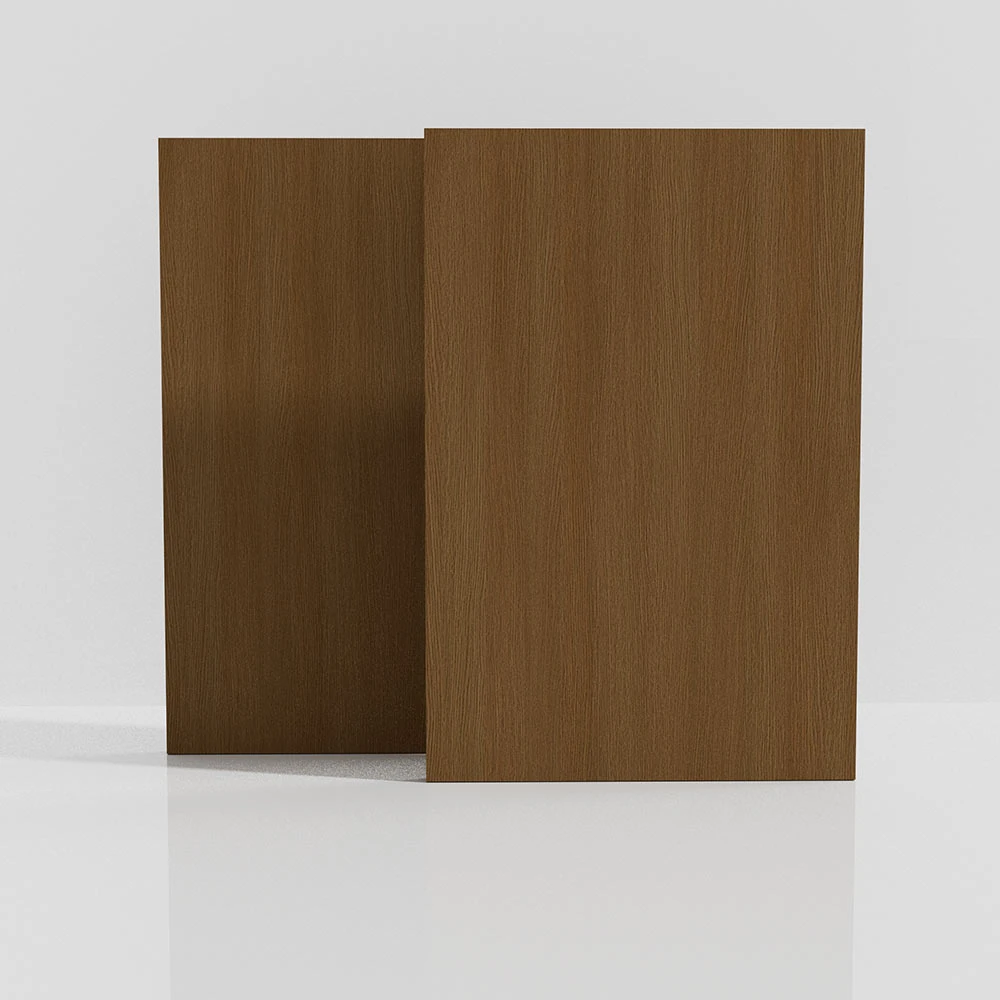
At its core, three quarter inch pressure treated plywood is a wood panel made by binding layers (plies) of thin wood veneers under heat and pressure, then treating the composite with chemicals to resist rot, insects, and moisture. The “three quarter inch” refers to its standardized thickness — roughly 19 millimeters — which is the sweet spot for many structural applications that require solid strength without excessive weight.
You’ll find it in everything from outdoor decks and foundation sheathing to temporary structures for relief efforts. Interestingly, its treatment process aligns closely with industrial needs and humanitarian goals, allowing wood to maintain integrity even in aggressive conditions.
Core Components & Key Factors
Durability
The pressure treatment saturates the plywood with preservatives, boosting resistance to moisture and fungal decay. This means it won’t warp or rot as quickly as untreated plywood, making it ideal for outdoor environments, especially in humid or rainy climates.
Strength & Stability
Three quarter inch thickness provides a solid balance — thick enough to carry loads in subflooring, wall sheathing, or roofing, yet still manageable and versatile. The cross-layered veneer construction adds dimensional stability, so it resists splitting and shrinkage.
Cost Efficiency
When compared with solid wood or metal alternatives, this plywood remains competitively priced, especially when factoring in its longer lifespan and low maintenance. Many contractors praise its value proposition, especially in large-scale projects.
Scalability & Availability
Thanks to standardized manufacturing and global supply chains, three quarter inch pressure treated plywood is widely accessible, supporting scalable projects worldwide — from small DIY repair jobs to large commercial ventures.
Environmental Resistance
Its treatment against insects and water makes it a reliable option in regions facing pest infestations or heavy rainfall. Often, it’s a first choice when longevity outdoors is a must.
Quick Summary
- Pressure treatment protects against rot and pests.
- Three quarter inch thickness strikes a balance of strength and usability.
- Cost-effective compared to metals and solid lumber.
- Readily available for global use.
Specifications of Three Quarter Inch Pressure Treated Plywood
| Specification |
Detail |
| Thickness |
0.75 inches (approximately 19 mm) |
| Material Type |
Softwood veneers, bonded with waterproof glue |
| Treatment Type |
Pressure treated with alkaline copper quaternary (ACQ) or copper azole (CA) |
| Dimensions |
4' x 8' standard panel size |
| Moisture Resistance |
High, suitable for exterior use |
| Typical Use Cases |
Decking, sheathing, subfloors, temporary shelter walls |
Vendors Comparison for Three Quarter Inch Pressure Treated Plywood
| Vendor |
Treatment Chemicals |
Warranty Period |
Price Range (USD) |
Availability |
| GreenWood Lumber Inc. |
ACQ (alkaline copper quaternary) |
10 years |
$45 - $55 per sheet |
North America, Asia |
| TimberPro Supplies |
Copper Azole (CA) |
8 years |
$40 - $48 per sheet |
Europe, South America |
| EcoPly Ventures |
Micronized Copper Azole |
12 years |
$50 - $60 per sheet |
Global |
Global Applications & Use Cases
The use of three quarter inch pressure treated plywood is impressively widespread, with applications in:
- Post-disaster relief: NGOs deploy it for rapid construction of temporary shelters that must resist weather and pests but be lightweight for transport.
- Construction in tropical zones: In humid climates of Southeast Asia and Central America, it’s used for exterior wall sheathing and decks, standing up well where untreated wood would quickly degrade.
- Industrial infrastructure: In mining and oil extraction sites, the material's durability supports flooring and structural elements exposed to harsh chemical/microbial environments.
- Residential and commercial construction: Builders in North America and Europe commonly specify three quarter inch pressure treated plywood for subfloors and exterior sheathing to prevent future water damage.
Mini Takeaway:
Its versatility cuts across disaster response, tropical climate building, and heavy industry — a sort of “go-to” plywood for tough environments.
Advantages & Long-Term Value
Beyond initial cost savings, three quarter inch pressure treated plywood offers:
- Sustainability: Longer lifecycle reduces landfill waste and replacement frequency.
- Social Impact: In humanitarian projects, it delivers safer, sturdier homes, helping restore dignity.
- Innovation & Trust: Proven treatment standards by bodies like the American Wood Protection Association (AWPA) ensure reliability.
- Emotional comfort: People feel safer in a structure that doesn’t fall apart or grow mold.
Future Trends & Innovations
We’re seeing advancements such as:
- Incorporation of micronized copper treatments that minimize chemical runoff.
- Laminated veneer lumber (LVL) hybrids mixing pressure treated plywood with engineered wood for greater strength.
- Smart manufacturing with digital moisture and quality monitoring for consistent treatment.
- Rising interest in eco-certified plywood aligned with global sustainability protocols.
Challenges & Solutions
No material is perfect. With pressure treated plywood, issues include:
- Chemical concerns: Some clients worry about toxins leaching, though modern treatments are much safer and EPA-approved.
- Weight considerations: At three quarters of an inch, it’s heavier than thinner plywood, which sometimes complicates handling.
- Disposal & recycling: Treated wood can’t be simply burned or dumped — it requires special waste treatment.
Innovative solutions involve safer treatment chemistries, ergonomic handling equipment, and developing circular economy models for disposal and reuse.
FAQ: Frequently Asked Questions About Three Quarter Inch Pressure Treated Plywood
- Is three quarter inch pressure treated plywood suitable for outdoor decking?
- Yes, its treatment protects against rot and insects, making it a popular choice for outdoor decks, especially where exposure to moisture is constant.
- How long does this plywood typically last in humid environments?
- With proper installation and maintenance, it can withstand 20 years or more, thanks to its moisture resistance and chemical treatment.
- Are there eco-friendly options for pressure treated plywood?
- Certain vendors now offer plywood treated with micronized copper products and low-impact preservatives certified by organizations such as the Forest Stewardship Council (FSC).
- Can I use this plywood for load-bearing walls?
- It is commonly used for sheathing in load-bearing walls, but it's important to follow local building codes and engineering specifications.
- How do international suppliers manage shipping and quality assurance?
- Reliable vendors follow ISO standards and often provide third-party treatment certification to ensure quality and compliance during export.
Conclusion: Why Three Quarter Inch Pressure Treated Plywood Matters
For anyone involved in construction, relief work, or infrastructure development, understanding the role of three quarter inch pressure treated plywood is invaluable. It’s a material that combines longevity, affordability, and broad applicability — qualities that few others match. As industries evolve to embrace more sustainable practices, this plywood variant’s future looks promising.
If you want to explore more detailed specifications or suppliers, I encourage you to visit our website: https://www.tengfeiebmdf.com.
Oddly enough, sometimes the simplest materials make the biggest difference. After all, sturdy floors and walls are the backbone of any safe shelter — whether in a quiet suburb or a city recovering from disaster.
References
- Wikipedia: Plywood
- United Nations Sustainable Development Goals: Housing & Communities
- American Wood Protection Association (AWPA)