Understanding Three Quarter Inch Plywood: Versatility and Value in Modern Construction
At first glance, three quarter inch plywood might seem like just another building material, but it’s quite essential worldwide for applications both big and small. Whether you’re a seasoned contractor, a furniture maker, or even a humanitarian logistics planner, understanding this product’s properties and benefits makes a surprising difference. It’s a balance of strength, affordability, and adaptability that keeps it relevant today.
Global Context: Why Three Quarter Inch Plywood Matters
According to the United Nations Industrial Development Organization (UNIDO), the global wood products market, including plywood, is expected to grow steadily, reflecting expanding construction and manufacturing needs.[1] And oddly enough, plywood, especially in its three quarter inch variant, hits a sweet spot. It offers enough thickness to endure various stresses without the extra costs or weight of thicker panels.
Challenges such as sustainable sourcing, cost containment, and versatile utility are ongoing—especially as industries strive for greener building methods. Here, three quarter inch plywood becomes a key player, addressing many concerns thanks to its balance of structure and resource efficiency.
Defining Three Quarter Inch Plywood
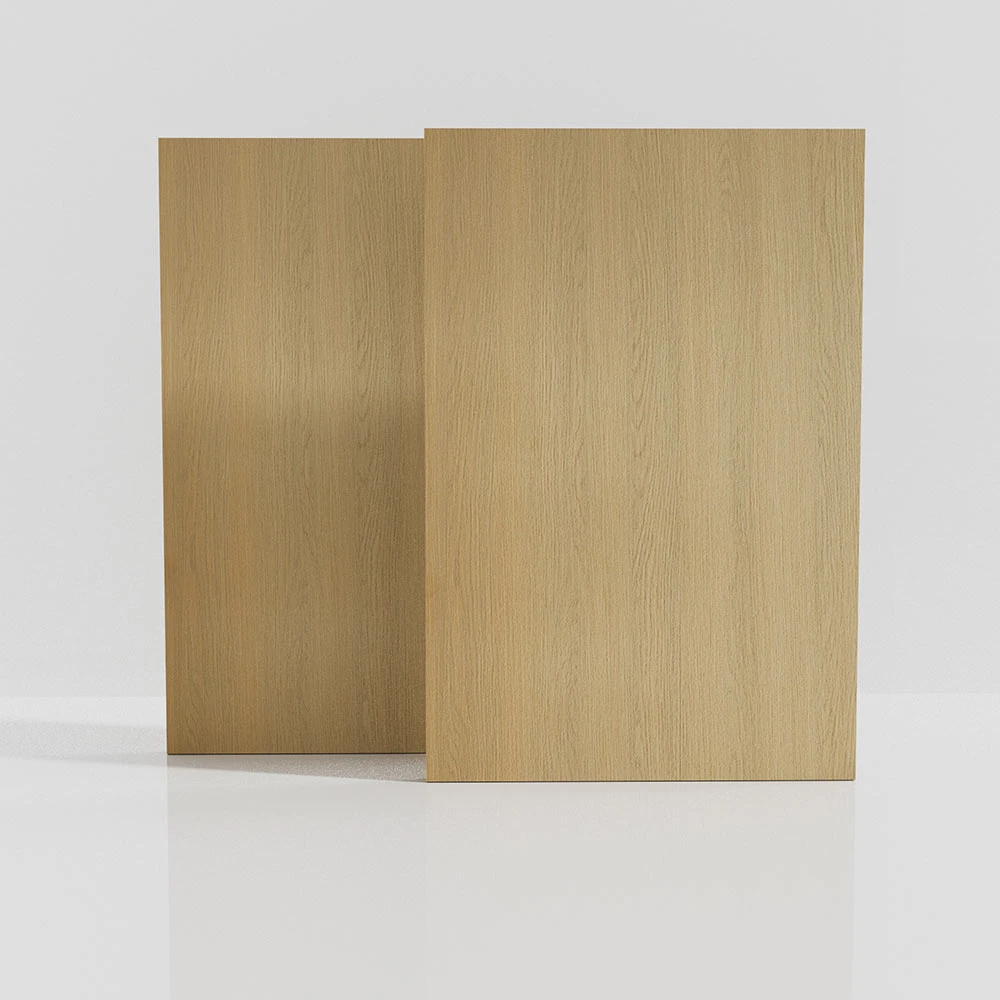
Simply put, three quarter inch plywood refers to a panel approximately 0.75 inches (19 millimeters) thick, made by laminating several thin layers of wood veneers with adhesive. This cross-grain layering reduces shrinking, swelling, and warping, common troubles in solid wood plank usage.
In real terms, this thickness is ideal for load-bearing surfaces like flooring, furniture, cabinets, and even temporary shelters. It’s also a standard dimension in many design specs worldwide, making it a staple choice for architects and engineers who need reliability along with cost-effectiveness.
Key Factors Behind Its Popularity
Durability
Three quarter inch plywood is robust enough to hold up under considerable weight—think heavy furniture or industrial shelving—with less risk of sagging. The multi-veneer structure inherently enhances its strength, which is why many builders gravitate towards it for frameworks.
Scalability & Versatility
You can cut, shape, and fasten it easily without compromising structural integrity. Oddly enough, this makes it popular not just for permanent buildings but also for temporary structures, such as disaster relief housing or exhibition stands, where speed and adaptability are critical.
Cost Efficiency
Three quarter inch plywood balances material cost and performance. It’s generally more affordable than hardwood slabs of similar strength, yet offers more resilience than thinner plywood options or MDF sheets, which can falter when stressed.
Environmental Impact
Many suppliers now offer FSC-certified or sustainably sourced plywood, aligning with global sustainability goals like those outlined by ISO 14001 environmental management standards.[2] The manufacturing process typically uses smaller logs, preserving ancient forests better.
Ease of Handling & Installation
At 3/4 inch thick, these panels are heavy but not unwieldy. They’re frequently preferred on site because they strike a nice middle ground—substantial yet manageable by moderate crews with standard equipment.
Product Specifications Snapshot
| Specification |
Details |
| Thickness |
0.75 inch (19 mm) |
| Dimensions (common) |
4 ft x 8 ft sheets (1220 mm x 2440 mm) |
| Material |
Softwood/Hardwood veneers bonded with urea formaldehyde or phenol formaldehyde adhesives |
| Average Weight |
~30-35 lbs per sheet |
| Typical Applications |
Flooring, cabinetry, furniture, wall sheathing, vehicle flooring |
Global Applications & Use Cases
If you travel through North America, Europe, or parts of Asia, odds are you’ll find three quarter inch plywood behind the walls, under floors, or fashioned into sturdy furniture. It’s quite literally the backbone for quality, cost-effective construction.
In post-disaster relief scenarios—for example, after earthquakes or hurricanes—humanitarian organizations rely on plywood’s rapid deployment capabilities to rebuild shelters with safety and dignity in mind. Meanwhile, industrial zones in remote regions often use it as flooring for heavy equipment, valuing its durability and ease of replacement.
Vendor Comparison of Common Three Quarter Inch Plywood Options
| Vendor |
Material Grade |
Typical Use |
Price Range (USD) |
Sustainability Cert. |
| Tengfei Plywood |
A-B Grade Hardwood |
Cabinetry, Furniture |
$35 - $45 |
FSC Certified |
| Generic Supplier |
C-D Grade Softwood |
Construction Sheathing |
$25 - $32 |
None |
| Eco Wood Corp |
Premium Birch |
Specialty Furniture, Flooring |
$40 - $50 |
FSC & PEFC Certified |
Advantages and Long-Term Value
What really stands out with three quarter inch plywood is how its advantages transcend mere numbers. Yes, it’s cost-effective compared to alternatives; yes, its strength serves well in many settings—but there’s also an emotional layer here. Knowing that you’ve got a reliable foundation beneath a home or workstation brings safety and peace of mind.
From a sustainability standpoint, responsibly manufactured plywood helps reduce illegal logging pressures. Socially, it supports industries and communities engaged in sustainable forestry. Then, looking toward innovation, it can be engineered to resist fire, moisture, or even pests depending on treatment, increasing its lifespan significantly.
Looking Ahead: Future Trends & Innovations
Carbon footprint concerns push manufacturers to improve adhesives and finishes, reducing formaldehyde emissions. Some innovators experiment with bio-based resins or recycled wood fibers, marking a potential leap forward in eco-friendly plywood.
Automation in manufacturing promises more precision and less waste, while digital design tools make it easier than ever to optimize plywood use in complex builds. Green policies from institutions like the ISO and UN push for broader adaptation of sustainable wood products, further encouraging responsible production and consumption.
Challenges & Things to Keep in Mind
Of course, there are hurdles. Moisture sensitivity and delamination remain worries, especially in harsh environments. Though treatments help, they sometimes add cost or environmental trade-offs.
Moreover, inconsistent quality between suppliers can lead to problems during construction. It’s wise to rely on verified vendors and request certifications. And frankly, sometimes plywood isn’t suitable for ultra-heavy or specialized structural needs, requiring alternatives or hybrids.
Frequently Asked Questions About Three Quarter Inch Plywood
- Is three quarter inch plywood suitable for outdoor use?
Typically, untreated plywood isn’t ideal outside; however, if treated with weather-resistant coatings or marine-grade adhesives, it can perform well outdoors. Always confirm the plywood type with your supplier.
- How do I know if three quarter inch plywood is strong enough for flooring?
For residential floors, this thickness is often recommended due to its load-bearing capacity and stability. For industrial or heavy equipment, consult structural engineers or use reinforcing methods.
- Can I cut three quarter inch plywood with a regular circular saw?
Yes, most standard circular saws with a fine-tooth blade handle it well. Use clamps and safety gear for best results.
- How sustainable is three quarter inch plywood compared to solid wood?
Since plywood uses veneers from smaller logs and can be FSC-certified, it often presents a more sustainable option than large solid planks obtained from old-growth trees.
- Where can I buy reliable three quarter inch plywood in bulk?
Industry suppliers like Tengfei offer bulk purchasing with certifications and consistency, ideal for contractors and manufacturers.
Conclusion: Why Invest in Three Quarter Inch Plywood?
Over the long haul, three quarter inch plywood stands out as a practical, versatile, and increasingly sustainable choice for countless projects. From homes and offices to relief shelters and industrial sites, it balances strength, cost, and environmental responsibility like few other materials.
If you’re looking for reliable, quality plywood that suits a variety of needs, it’s worth exploring options from trusted suppliers like Tengfei Plywood. Their certification programs and broad product range take a lot of guesswork out of your project planning.
Whether you’re building for today or investing in future-ready materials, three quarter inch plywood remains a surprisingly smart—and durable—choice.
Looking for more info? Check out Tengfei’s product lineup for detailed specs and certifications.
Mini takeaway: Three quarter inch plywood is the go-to wood panel when you want strength, sustainability, and affordability all rolled into one sheet.
References
- UNCTAD - The wood products market, 2021
- ISO 14001 Environmental Management Standards
- Wikipedia - Plywood