Understanding 12 mm MDF Board Price: Why It Matters Globally
When it comes to interior finishing, furniture making, or even sophisticated architectural projects, the 12 mm MDF board price is a detail often scrutinized by manufacturers, designers, and procurement teams. It might sound like a niche topic, but globally, the cost fluctuations around this material ripple through many industries — from construction in emerging economies to high-end European cabinetry. Knowing what influences the price and how to assess it smartly can save projects thousands, if not more. Plus, given current supply chain uncertainties and environmental considerations, understanding where your MDF cost comes from isn't just savvy; it’s becoming essential.
The Global Pulse: Why 12 mm MDF Board Pricing Is Under the Microscope
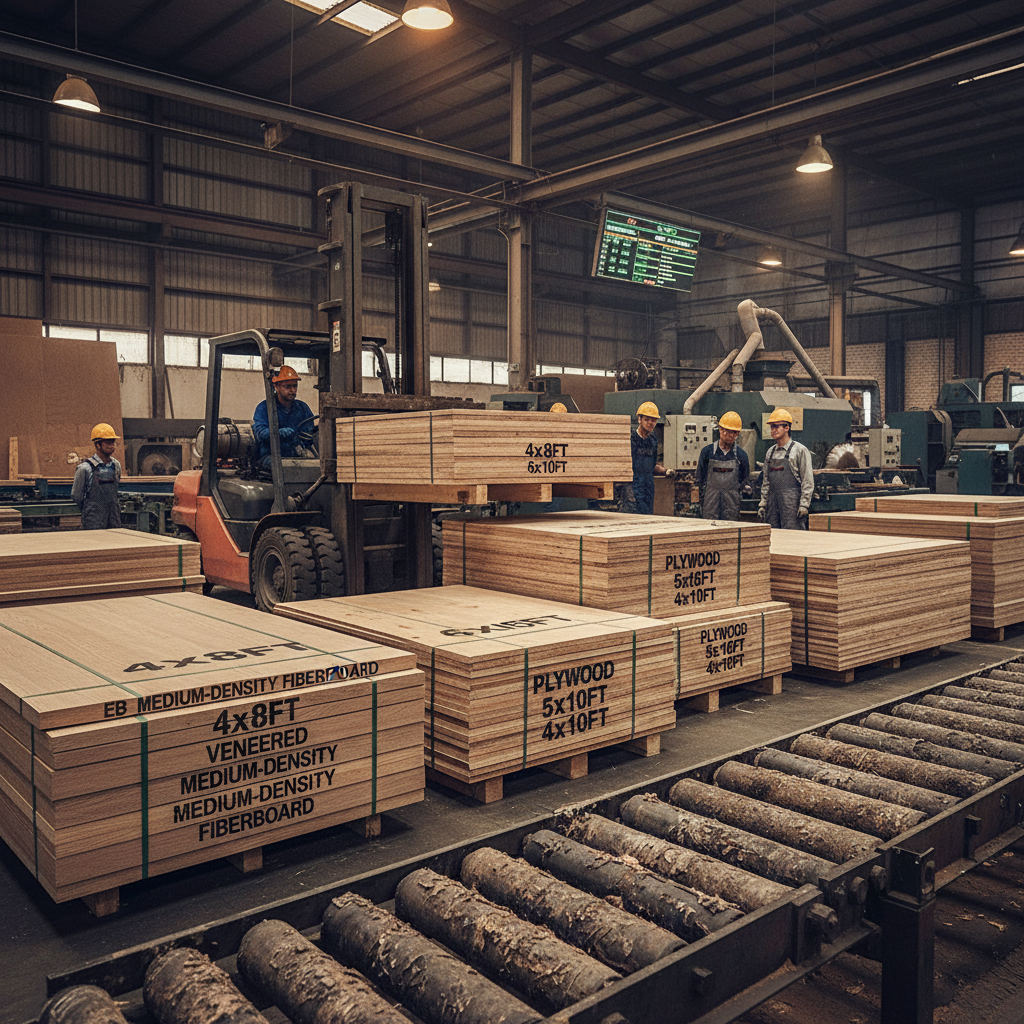
Manufactured wood products like Medium Density Fiberboard (MDF) comprise a multibillion-dollar segment of the global wood industry, per ISO reports (1). The 12 mm variant — a popular thickness — strikes a balance between durability and flexibility, making it the darling thickness for everything from cabinetry back panels to speaker boxes. But the 12 mm MDF board price often spikes due to raw material shortages, logistical hurdles, or environmental regulations.
World Bank analysis of timber and wood product trade confirms that price volatility has increased over the past decade, impacting both developed and developing nations alike. This uncertainty challenges manufacturers who rely on clear costing to bid projects competitively and keep margins intact. In short, the right feel for MDF pricing could be a game-changer on multiple fronts.
What Exactly Does "12 mm MDF Board Price" Mean?
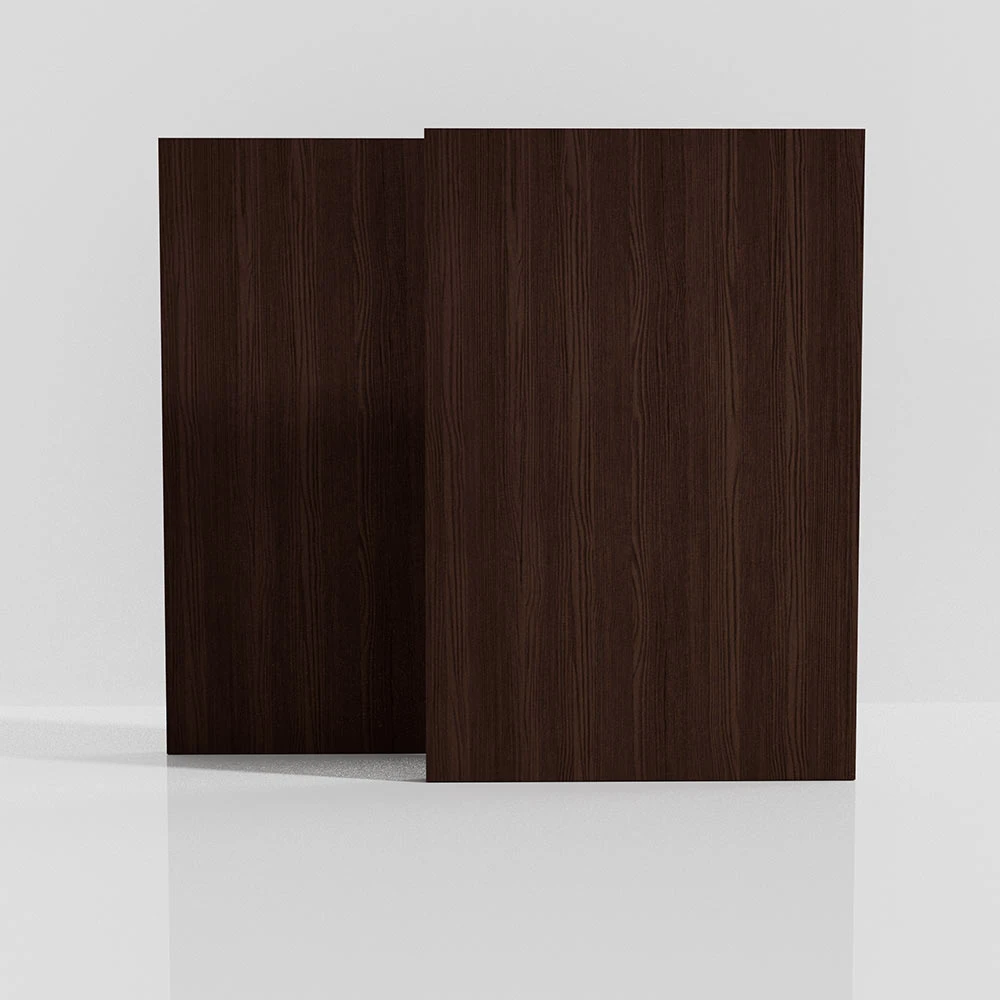
At its core, 12 mm MDF board price refers to the market cost of purchasing Medium Density Fiberboard measuring 12 millimeters thick. MDF itself is manufactured by compressing wood fibers with resin, resulting in a smooth, dense sheet that’s easier to machine and paint than plywood or particleboard.
This thickness is considered a sweet spot: thick enough for strength yet thin enough for detailed work. The price reflects not only production costs but also demand patterns, raw fiber availability, manufacturing location, and shipping costs.
When BIM architects choose materials for socially impactful projects—say, modular housing or temporary shelters—getting the right 12 mm MDF board price ensures budgets are respected without sacrificing structural integrity.
Key Factors Driving 12 mm MDF Board Price
1. Raw Material Costs
The cost of wood fibers, whether from softwoods or recycled wood, underpins MDF pricing. Logging regulations, seasonal availability, and import tariffs all play roles in fluctuating prices.
2. Manufacturing Quality and Process
Advanced dry-forming techniques, resin types, and pressing methods influence not only MDF board quality but also its price point. Higher-end boards with fewer voids or better moisture-resistance tend to be priced at a premium.
3. Logistics and Transportation
Distance from factory to destination adds costs. Manufacturers near ports or consumer hubs often offer better prices due to reduced freight expenses.
4. Environmental and Certification Costs
Eco-friendly MDF, certified by FSC or similar bodies, often commands a higher price, reflecting sustainable sourcing and responsible manufacturing.
5. Market Demand and Volume Discounts
Bulk orders and contract commitments can lower per-unit cost, while small quantities typically bear a higher price tag.
6. Currency Fluctuations
Since many MDF boards are traded internationally, forex movements between raw material supplier countries and buyers significantly impact the 12 mm MDF board price.
Mini takeaway: The 12 mm MDF board price isn’t fixed; it’s a blend of materials, processes, transportation, and market forces constantly in flux. Knowing these drivers helps buyers anticipate and adapt.
Global Applications: How 12 mm MDF Boards Are Changing Industries
Oddly enough, you encounter 12 mm MDF in far more places than you’d expect. Wood-based panel demand spans continents and industries.
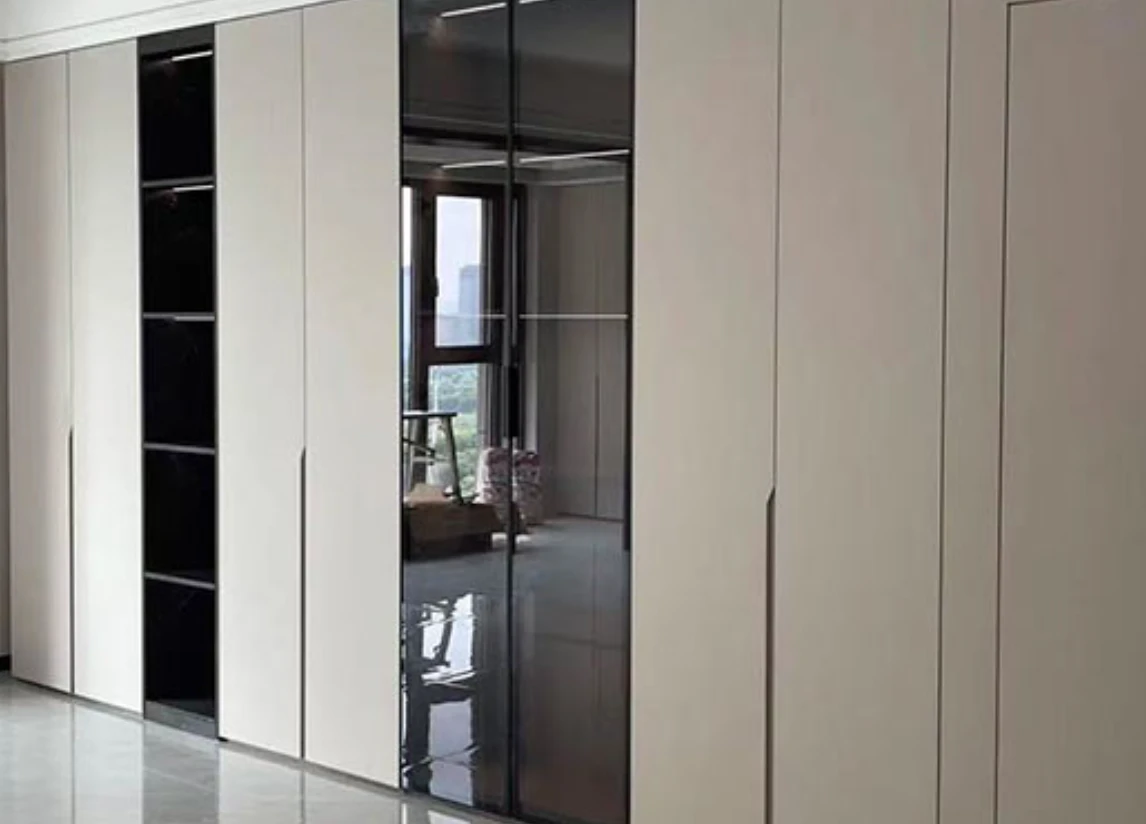
- Furniture manufacturing: European and North American factories increasingly use 12 mm MDF for cabinet doors or inner support structures due to its smooth finish and machinability.
- Construction sectors: In Asia-Pacific, MDF boards serve as ideal backings for laminated flooring and wall paneling, balancing cost and aesthetics.
- Educational and healthcare facilities: MDF is often favored for bespoke joinery due to its clean edges and paint-ready surface.
- Humanitarian contexts: NGOs assembling temporary shelters or modular classrooms in remote or disaster-hit zones value the consistency and cost-effectiveness of 12 mm MDF sheets.
In fact, organizations working on post-disaster recovery appreciate that fluctuations in 12 mm mdf board price directly affect how fast they can rebuild a community.
Advantages & Long-Term Value of Knowing the Price Inside Out
Understanding the contours of 12 mm MDF board price offers tangible savings along with strategic benefits:
- Cost predictability: Helps manufacturers stay competitive without surprise overruns.
- Sustainability: Choosing certified, responsibly sourced MDF aligns with green building trends.
- Quality assurance: Knowing price variations often correlates with quality ensures informed purchases, which translates to less waste and rework.
- Social impact: For charitable builders, controlling cost means more funds can go directly into the project, enhancing dignity and safety.
Having a reliable sense of 12 mm MDF board pricing feels like having a backroom ally through complex project planning, doesn’t it?
12 mm MDF Board Specification Table
| Specification |
Detail |
| Thickness |
12 millimeters |
| Density |
Approx. 700–800 kg/m³ |
| Primary Resin Type |
Urea-Formaldehyde (UF) |
| Surface Finish |
Smooth, paintable surface |
| Standard Size |
2440 mm x 1220 mm (8 ft x 4 ft) |
| Moisture Resistance |
Varies - Standard and MR (Moisture Resistant) grades available |
Comparing Popular Vendors for 12 mm MDF Boards
| Vendor |
Price per Sheet (USD) |
Certification |
MOQ |
Shipping Region |
| Tengfei MDF Co. |
$22.50 |
FSC, CARB Phase 2 |
100 sheets |
Global (focus Asia, Europe) |
| GreenWood Panels Ltd. |
$24.00 |
FSC Certified |
50 sheets |
Europe, North America |
| OakTimber Corp. |
$20.80 |
None (economy grade) |
200 sheets |
Asia-Pacific |
FAQ: A Quick FAQ About 12 mm MDF Board Price
- Q1: What factors most influence the 12 mm MDF board price in international markets?
- Raw material availability, resin costs, manufacturing technology, and freight expenses are the biggest influences. Currency fluctuations and certification requirements also cause price shifts.
- Q2: Is it worth paying more for eco-certified MDF boards?
- Yes, if sustainability and indoor air quality are priorities. Certified boards ensure responsible forestry and lower formaldehyde emissions, which can be worth the extra cost in the long haul.
- Q3: How does thickness affect MDF board price?
- Generally, thicker boards cost more due to higher material volume and manufacturing effort. 12 mm is popular because it balances price and strength efficiently.
- Q4: Are there seasonal fluctuations in 12 mm MDF pricing?
- Seasonal demand for construction and renovations can push prices higher during spring and summer months, especially in temperate regions.
- Q5: Can buying bulk quantities reduce the 12 mm MDF board cost?
- Definitely. Vendors often offer discounts starting from moderate orders (like 50 sheets), helping large projects control expenses tightly.
Looking Ahead: Innovations and Market Forecasts for MDF Boards
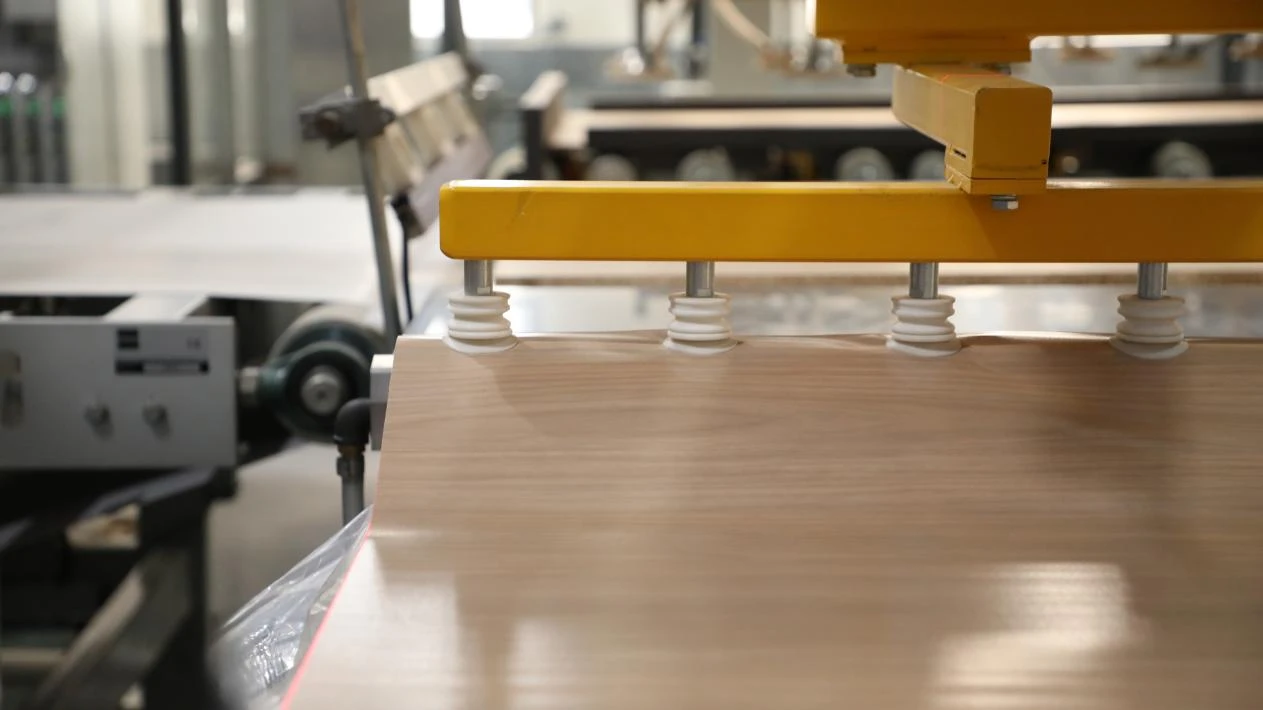
It’s fascinating how the MDF market adapts. New resin technologies aim to lower harmful emissions, while manufacturing automation trims costs. Additionally, greener forestry practices, perhaps driven by ISO environmental standards, are gradually shifting the price baseline upward.
Emerging digital tools help supply chains better predict pricing shifts, while demand for moisture-resistant and fire-retardant variants grows, potentially nudging 12 mm MDF prices higher but offering added value. In that sense, this price point is less a fixed number and more a gateway to innovation.
Challenges & Solutions: Navigating Price Volatility
Price unpredictability persists as a thorny issue—fluctuating timber costs and volatile transport fees give budgeting headaches. Yet savvy buyers use long-term contracts with vendors like Tengfei MDF Co. to lock in prices, or turn to local production to minimize logistics exposure.
On the manufacturing side, innovations such as alternative fiber sources (agro-residues, bamboo) also promise to dampen raw material price swings. It’s less about eliminating challenges and more about creative adaptability.
Summary & Next Steps: The Real Worth of Knowing 12 mm MDF Board Price
So, what’s the takeaway? Understanding the 12 mm MDF board price equips manufacturers, builders, and procurement specialists with a crucial edge. It allows smarter project planning, promotes sustainable sourcing, and ultimately ensures better product quality without blowing budgets.
If your next project demands reliable MDF sourcing, I suggest you explore suppliers that combine cost-effectiveness with certifications—like those at https://www.tengfeiebmdf.com. There’s real value in diving into the details; it pays off in trust, timeline certainty, and even innovation.
—
References:
1. ISO Timber and wood products standards: https://www.iso.org/committee/49496.html
2. World Bank Commodity Markets: https://www.worldbank.org/en/research/commodity-markets
3. FSC Certification standards: https://fsc.org/en