Add: No.8 Xinxing Street, North Zone, Zhengding High-tech Industrial Development Zone, Hebei, China
CONTACT US
+8615030171059


CONTACT US
+8615030171059
Veneer plywood is a versatile and cost-effective material widely used in furniture making, construction, and interior design. Understanding the factors that influence veneer plywood price is crucial for making informed purchasing decisions. This article will delve into the various aspects impacting cost, types of veneer plywood, regional pricing, and how to get the best value for your money. We'll also explore the relationship between quality and price, helping you navigate the market effectively.
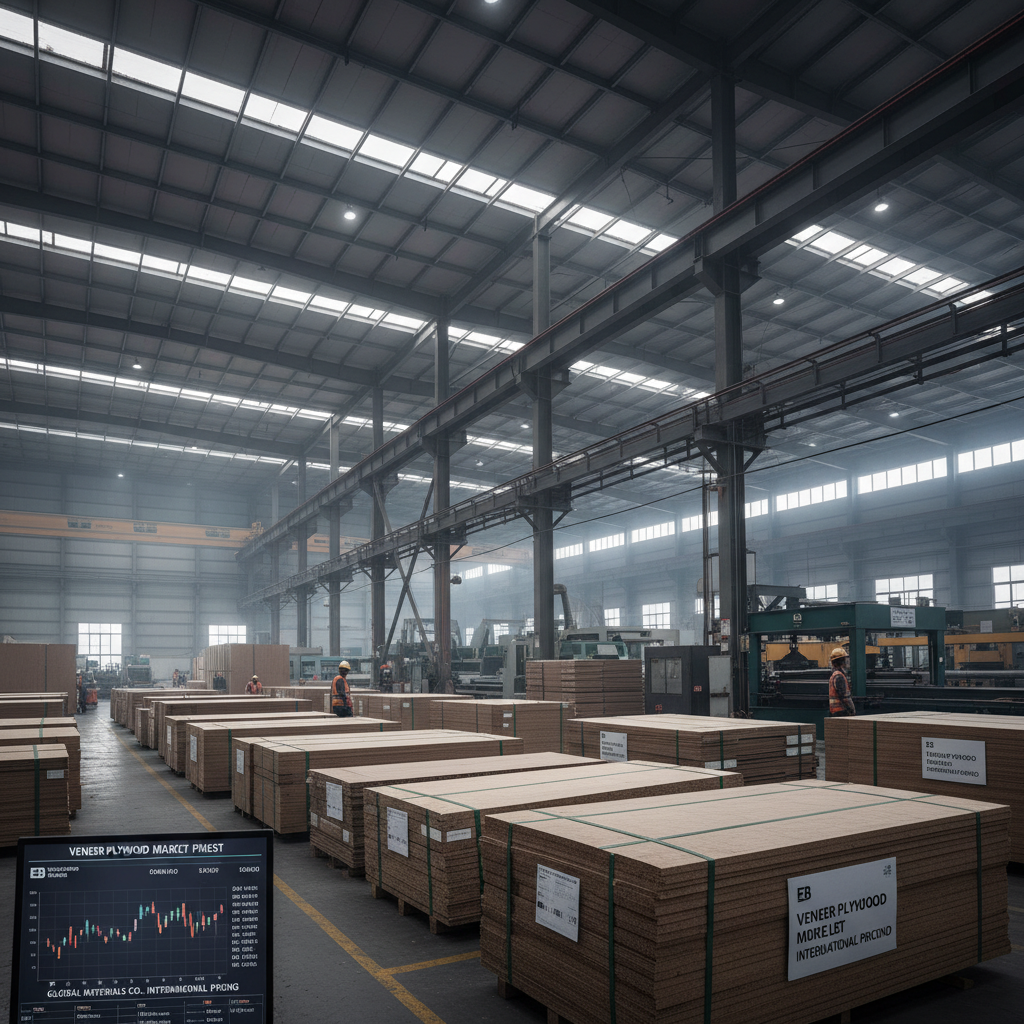
Several key elements contribute to the final price of veneer plywood. The species of wood used for the veneer face is a primary driver; rarer and more aesthetically pleasing woods like walnut or cherry command higher prices than common species like birch or maple. Plywood grade, core material, thickness, and sheet size also play significant roles. Additionally, manufacturing costs, transportation expenses, and market demand all contribute to fluctuations in price. Finally, the quality of the adhesives used in construction impacts both price and durability.
Key Considerations: Wood species, plywood grade, core material, thickness, sheet size, and manufacturing costs all impact veneer plywood pricing.
Veneer plywood isn’t a one-size-fits-all product. Different types cater to specific needs and budgets. Common types include birch plywood, maple plywood, oak plywood, walnut plywood, and teak plywood. Each possesses unique characteristics and corresponding price points. For instance, construction-grade plywood (often using softwood cores) is typically the most affordable, while furniture-grade plywood (with hardwood veneers and high-quality cores) is significantly more expensive. Knowing these distinctions allows for targeted selection based on project requirements and budget constraints.
Veneer Plywood Types & Price Guide (approximate):
• Birch Plywood: $20 - $40 per sheet
• Maple Plywood: $30 - $50 per sheet
• Oak Plywood: $35 - $60 per sheet
• Walnut Plywood: $60 - $100+ per sheet
• Teak Plywood: $80 - $150+ per sheet
Geographical location significantly impacts veneer plywood prices. Areas closer to lumber mills and manufacturing facilities generally benefit from lower transportation costs. Demand also plays a role – regions with thriving construction industries often experience higher prices. Import duties and taxes can also add to the cost in certain countries. Comparing prices from suppliers in different regions can reveal substantial savings, but factor in shipping costs when making your assessment.
Plywood is graded based on the quality of its veneer faces and core. Grades typically range from A to D, with A being the highest quality (fewest defects) and D being the lowest. A-grade plywood is primarily used for furniture and high-end projects, while lower grades are suitable for construction and less visible applications. Higher grades command a premium price due to their aesthetic appeal and superior strength. Choosing the appropriate grade for your project is crucial for balancing cost and quality.
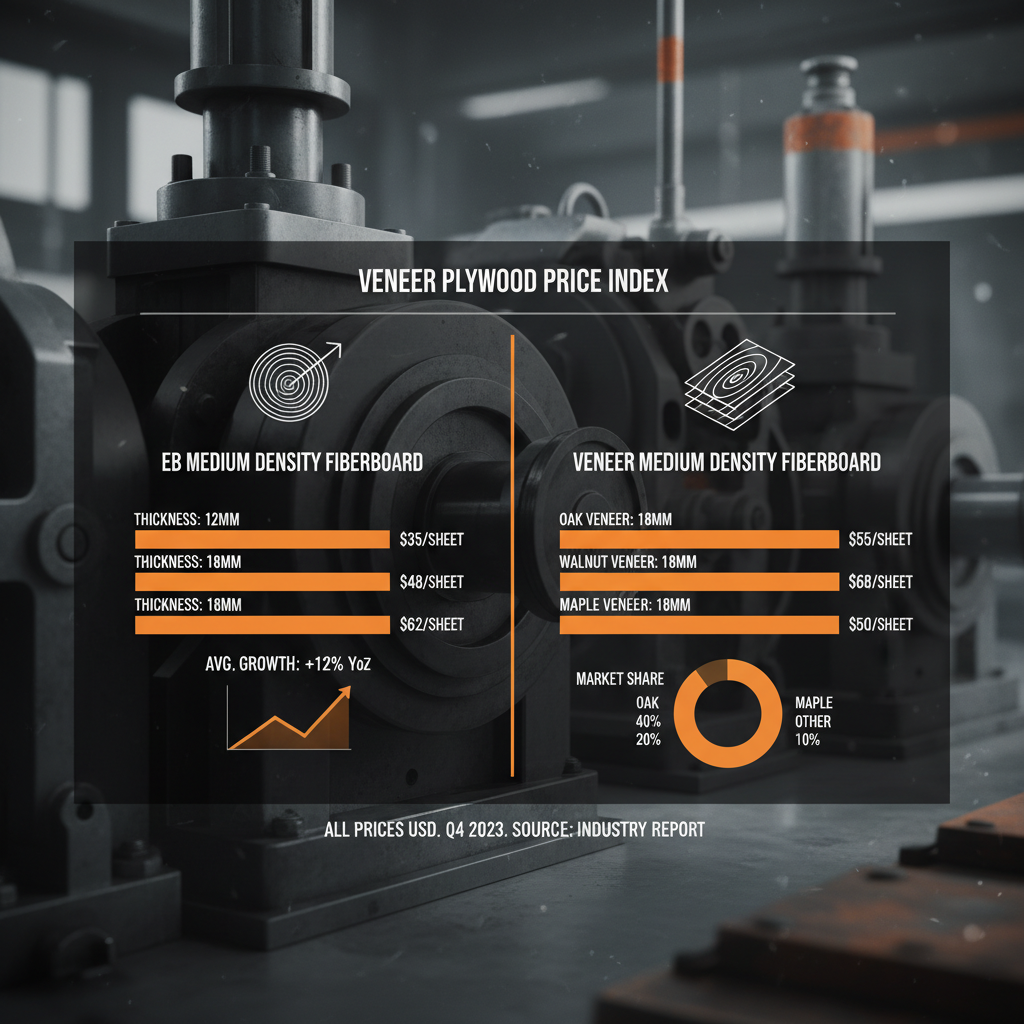
To secure the best possible price on veneer plywood, consider buying in bulk, comparing quotes from multiple suppliers (like Tengfei EBMDF), and negotiating prices. Look for seasonal sales and discounts. Be flexible with wood species – opting for more readily available options can save money. Finally, carefully assess your project requirements and choose the appropriate grade to avoid overspending on unnecessary quality.
Understanding the factors that influence veneer plywood price is essential for making informed decisions. By considering wood species, grades, regional variations, and employing smart purchasing strategies, you can secure high-quality plywood at a competitive price. Remember to prioritize your project's specific needs and choose a supplier you trust.
Hardwood veneer plywood, like birch or maple, is generally more durable and aesthetically pleasing, making it ideal for furniture and high-end projects. Softwood veneer plywood, such as pine or fir, is less expensive and suitable for construction or applications where appearance is less critical. Hardwood plywood also tends to be more resistant to dents and scratches than softwood plywood. The choice depends on the intended use and budget.
The core material significantly influences both the price and performance of veneer plywood. Solid core plywood (made entirely of wood layers) is the most expensive and strongest. Particleboard core plywood is the least expensive but also the least durable. Medium-density fiberboard (MDF) core plywood offers a balance between cost and performance. Poplar core is another common choice, providing good stability and a moderate price point.
Marine-grade plywood is specifically designed for environments exposed to moisture, using waterproof adhesives and high-quality veneers. It’s significantly more expensive than standard plywood, but it's a worthwhile investment for boat building, outdoor furniture, or any application where prolonged water exposure is expected. Using standard plywood in these applications can lead to delamination and structural failure.
You can find reliable suppliers through online marketplaces, industry directories, and local lumberyards. Tengfei EBMDF is a reputable supplier offering a wide range of veneer plywood options. When choosing a supplier, check their reputation, product quality, and customer service reviews.
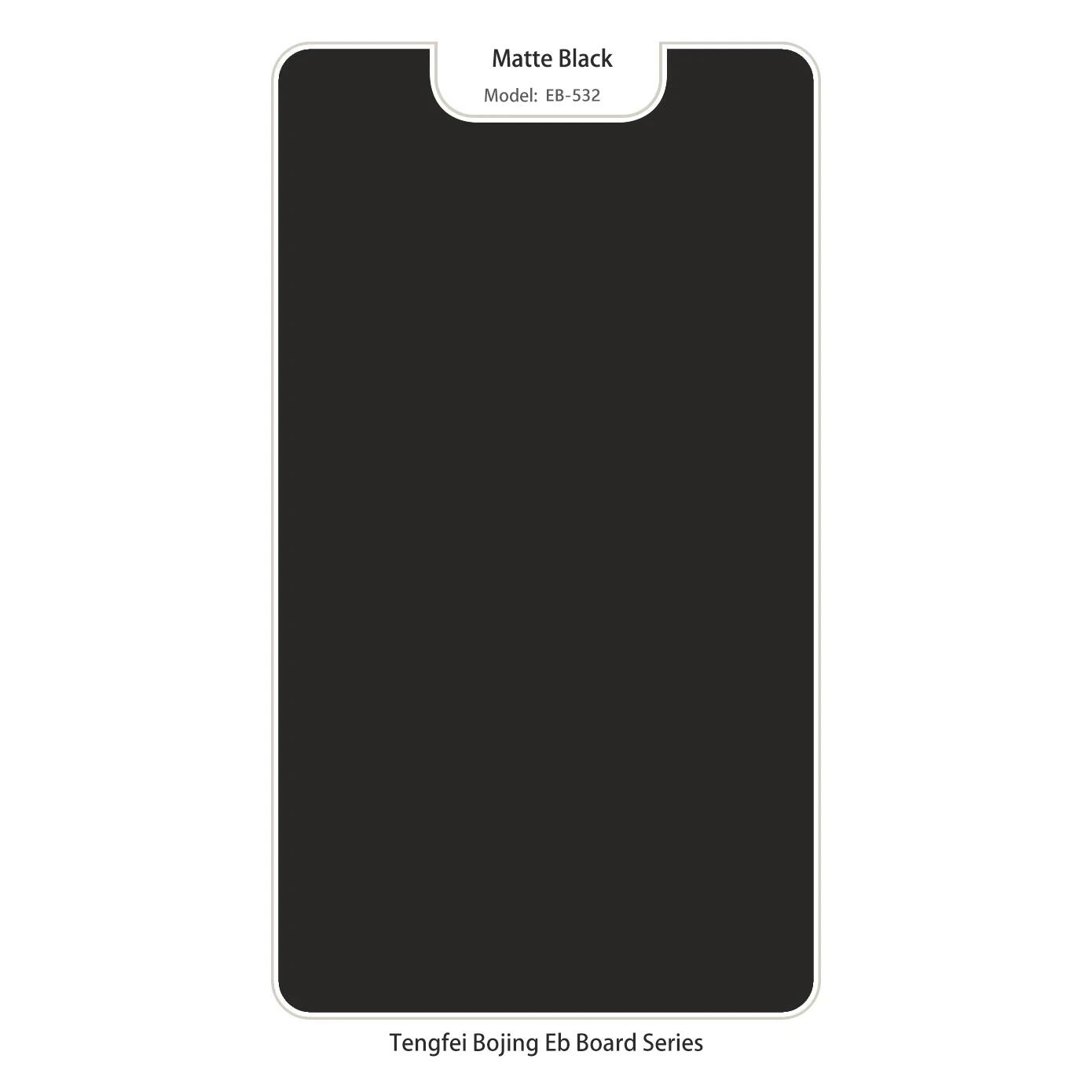
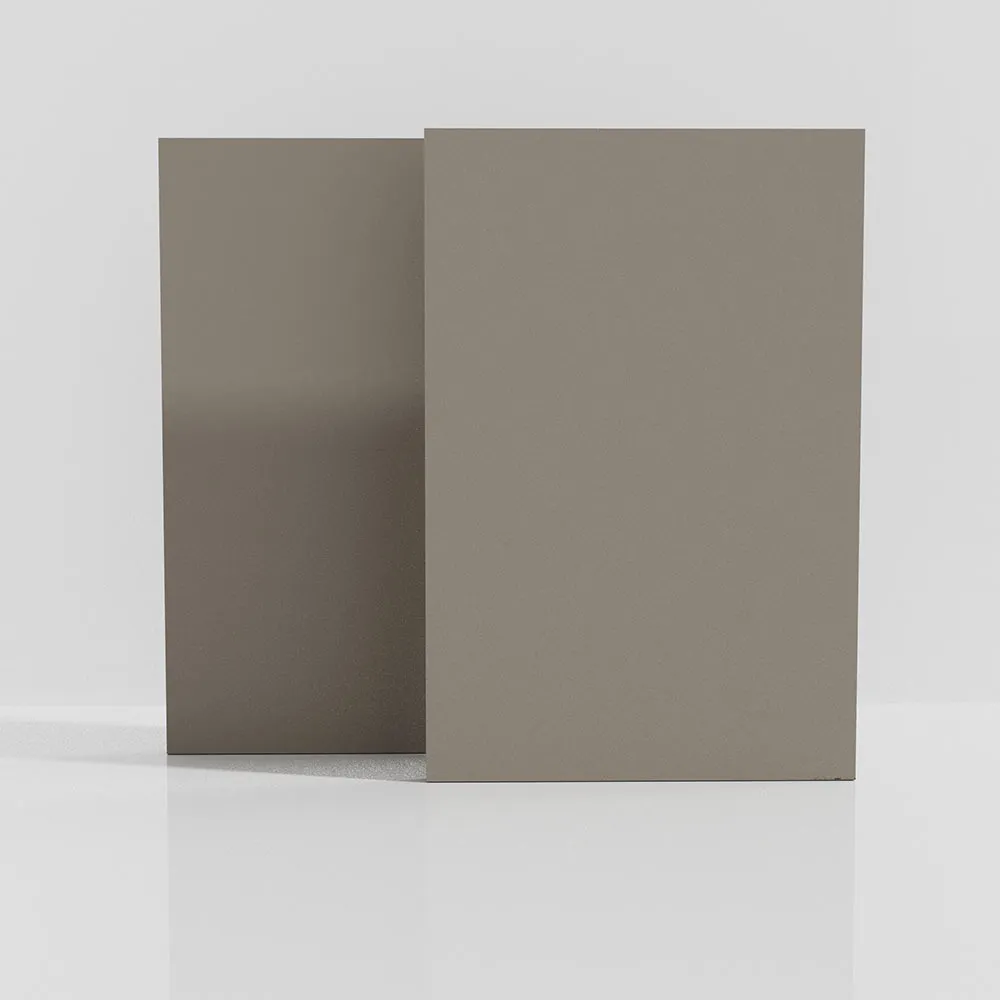
Tengfei Platinum EB Particle Panels - Matte Black
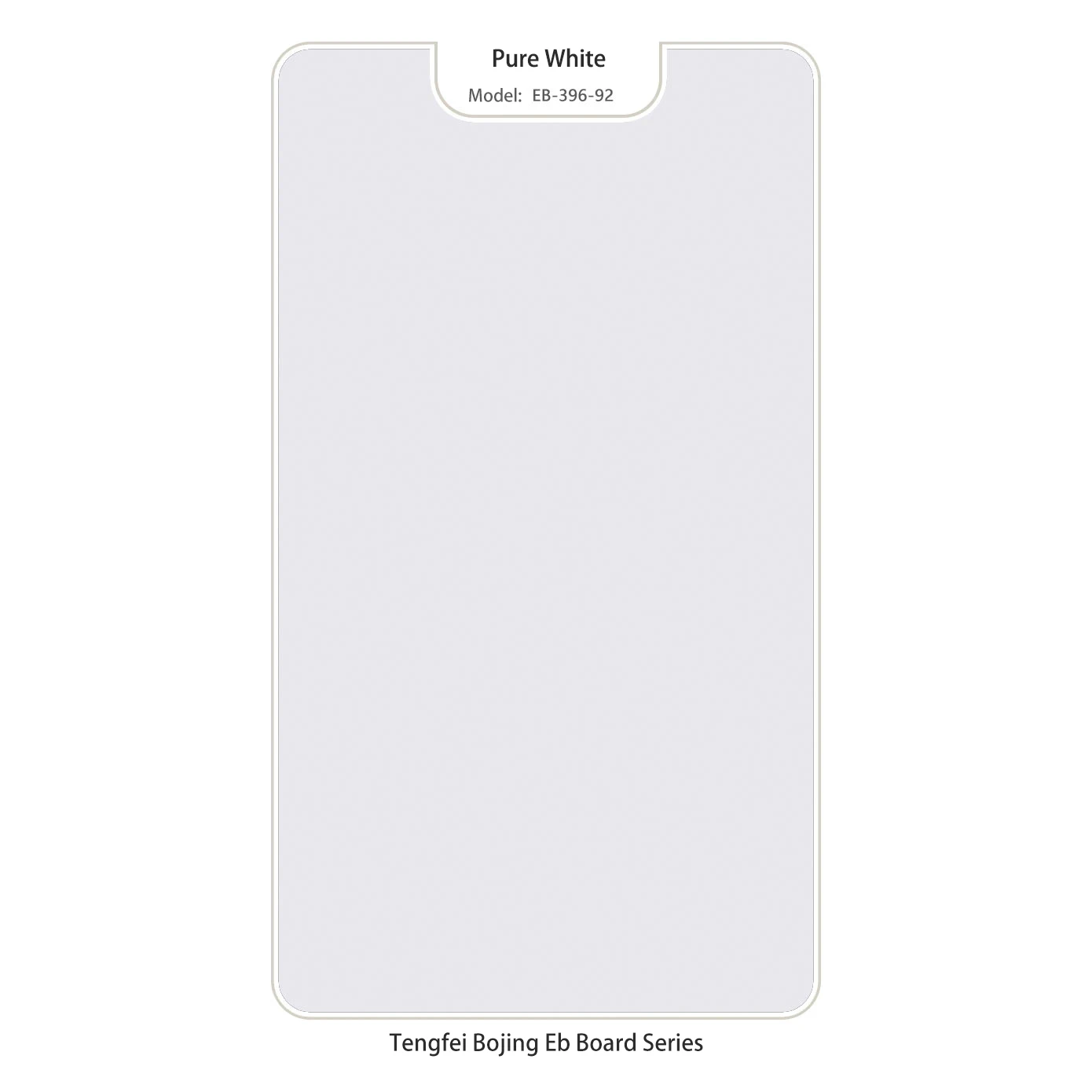
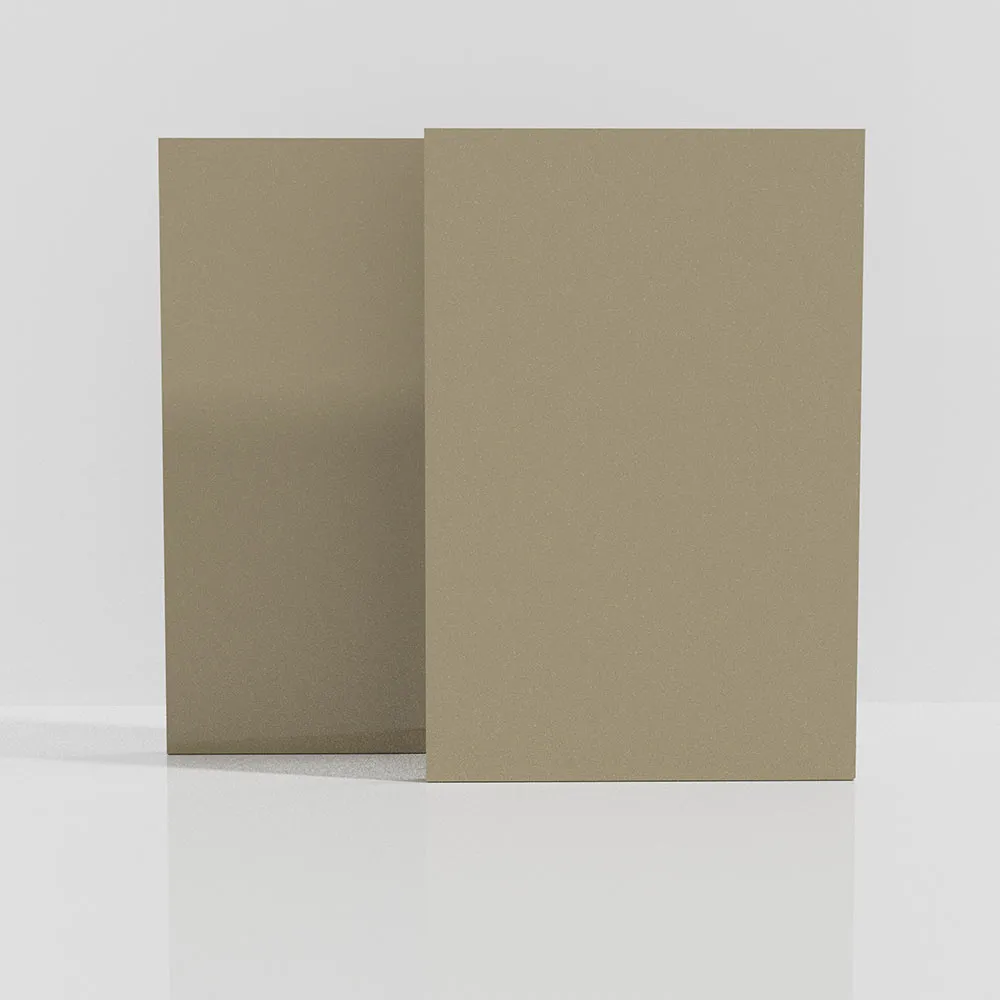
Tengfei Platinum EB Particle High-Gloss Panels - Pure white
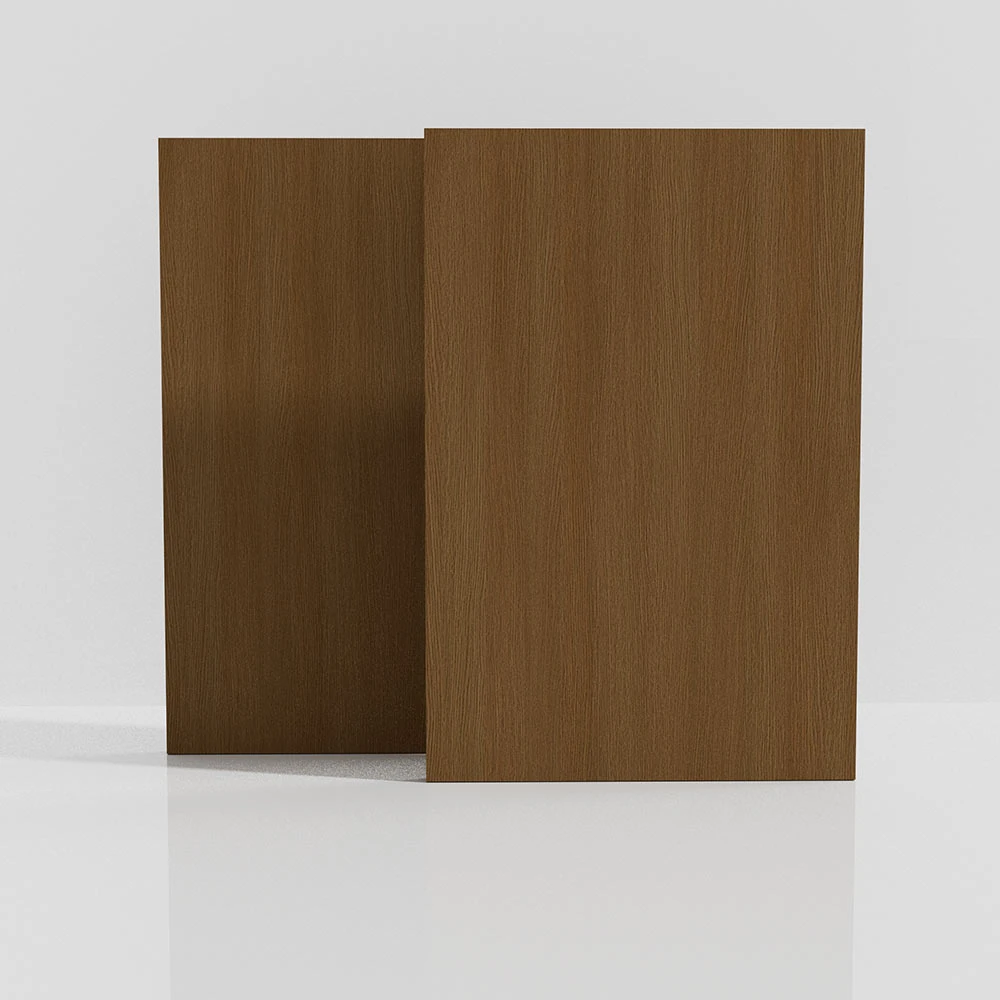
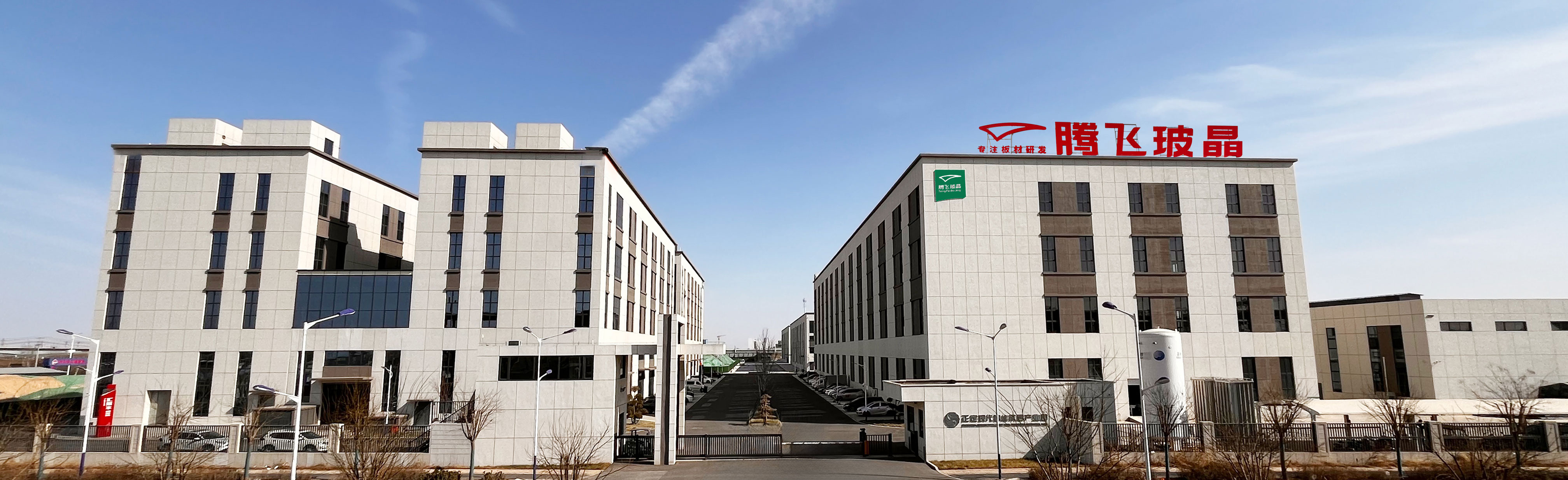
To provide reliable solutions through quality products!