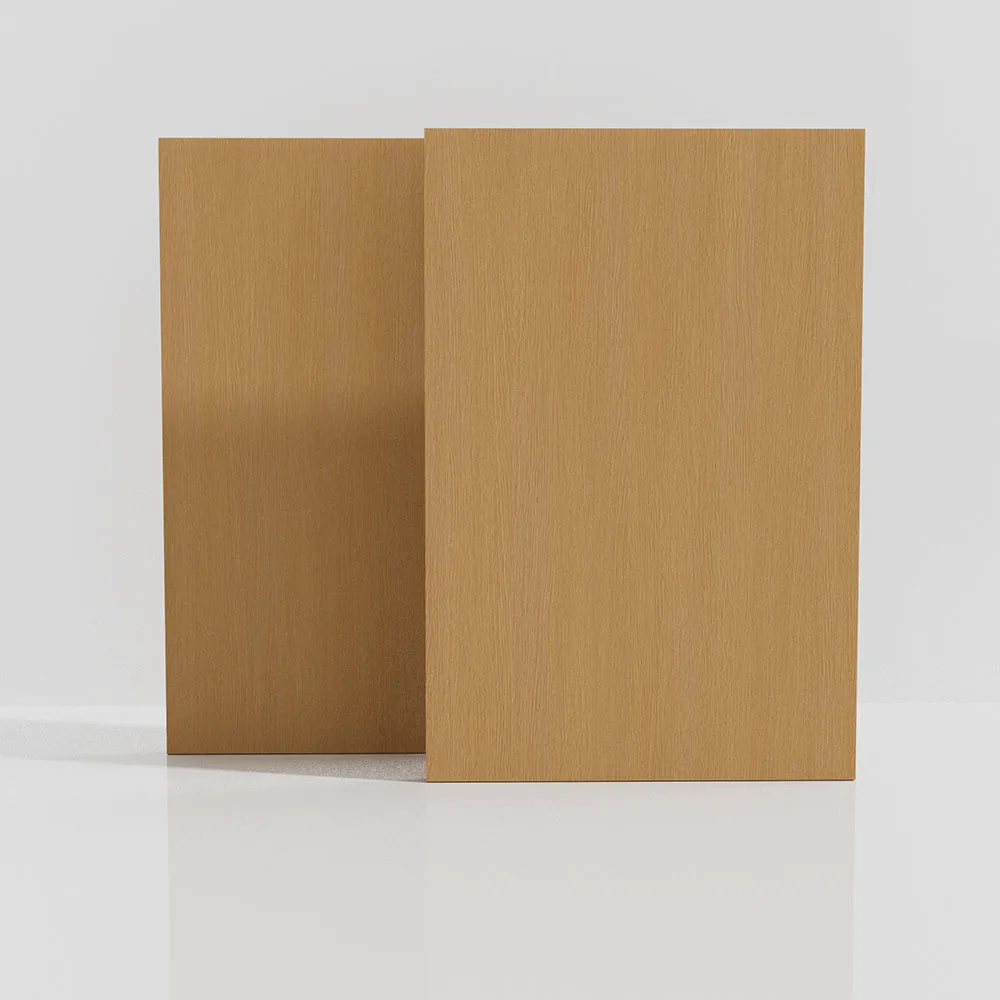
Having worked in the industrial equipment sector for more than a decade, I've seen plywood come in and out of fashion a few times, but weather resistant plywood has firmly held its ground. Oddly enough, while engineered woods evolved rapidly, the weatherproof qualities of certain plywood grades remain simply indispensable. It’s that balance of durability, cost-effectiveness, and moisture resilience that keeps this material on specification sheets year after year.
Now, you might wonder what exactly sets weather resistant plywood apart. Frankly, it boils down to the adhesives used, the wood species, and additional treatments that enable it to hold up when the rain falls or humidity spikes. Many engineers I've spoken with confirm — this isn't just 'regular' plywood able to withstand a little splash; it’s specially designed for those painfully wet or otherwise taxing environments.
In real terms, think of outdoor construction, marine applications, or industrial packing containers typically subjected to the elements. The phenol-formaldehyde resin glues are often the unsung heroes here, creating water-resistant bonds that don't soften and delaminate easily. I recall a project where the plywood panels were exposed to monsoon rains almost daily—yet months later, they were still as solid as on day one.
Key Product Specifications
| Specification |
Typical Value |
Remarks |
| Core Material |
Poplar / Birch veneer layers |
Varies by grade |
| Thickness |
12 mm / 15 mm / 18 mm |
Common industrial sizes |
| Moisture Content |
6-12% |
Pre-conditioned for outdoors |
| Glue Type |
Phenol formaldehyde / Melamine resin |
High resistance to water and heat |
| Surface Treatment |
Film Faced (optional) |
Extra weatherproofing & abrasion resistance |
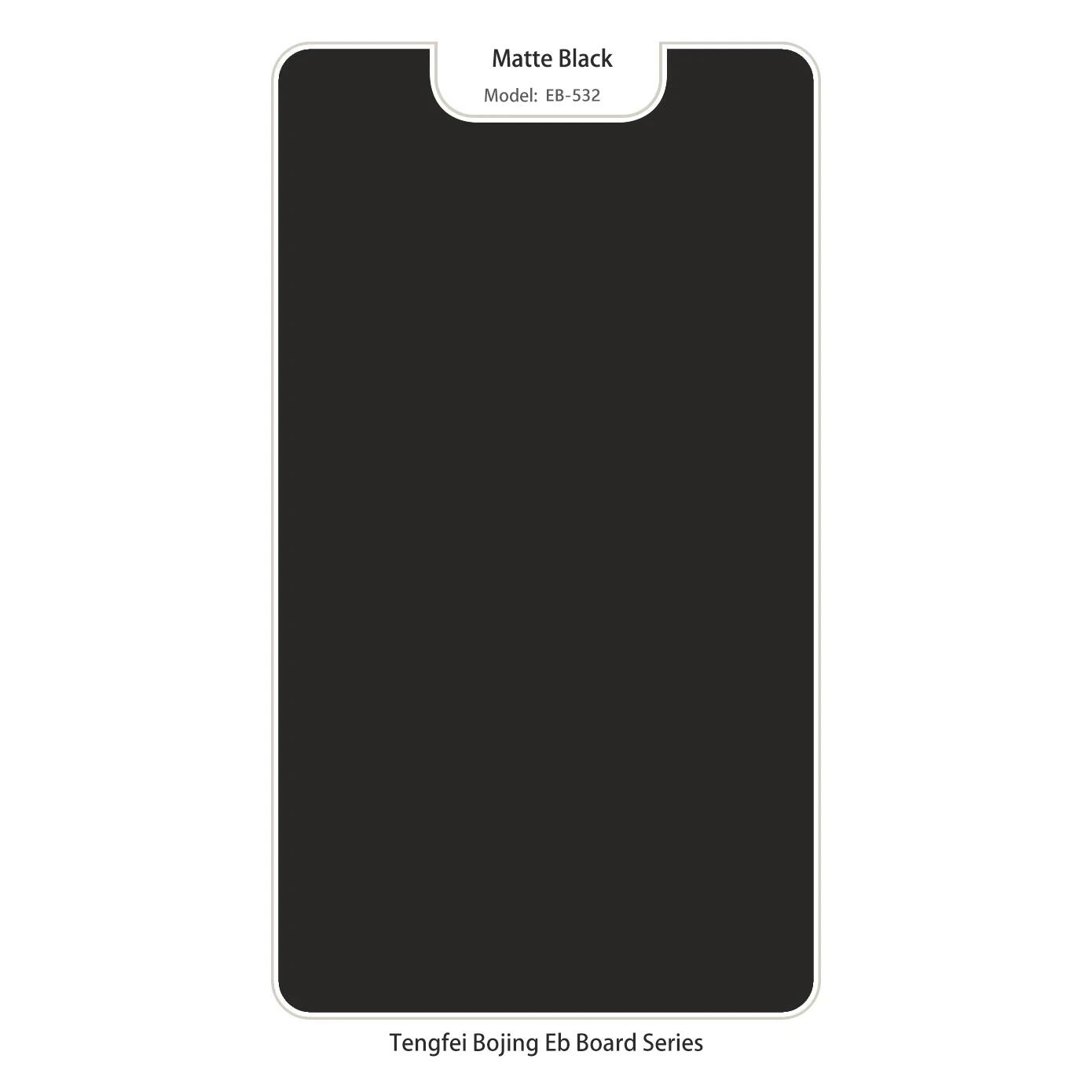
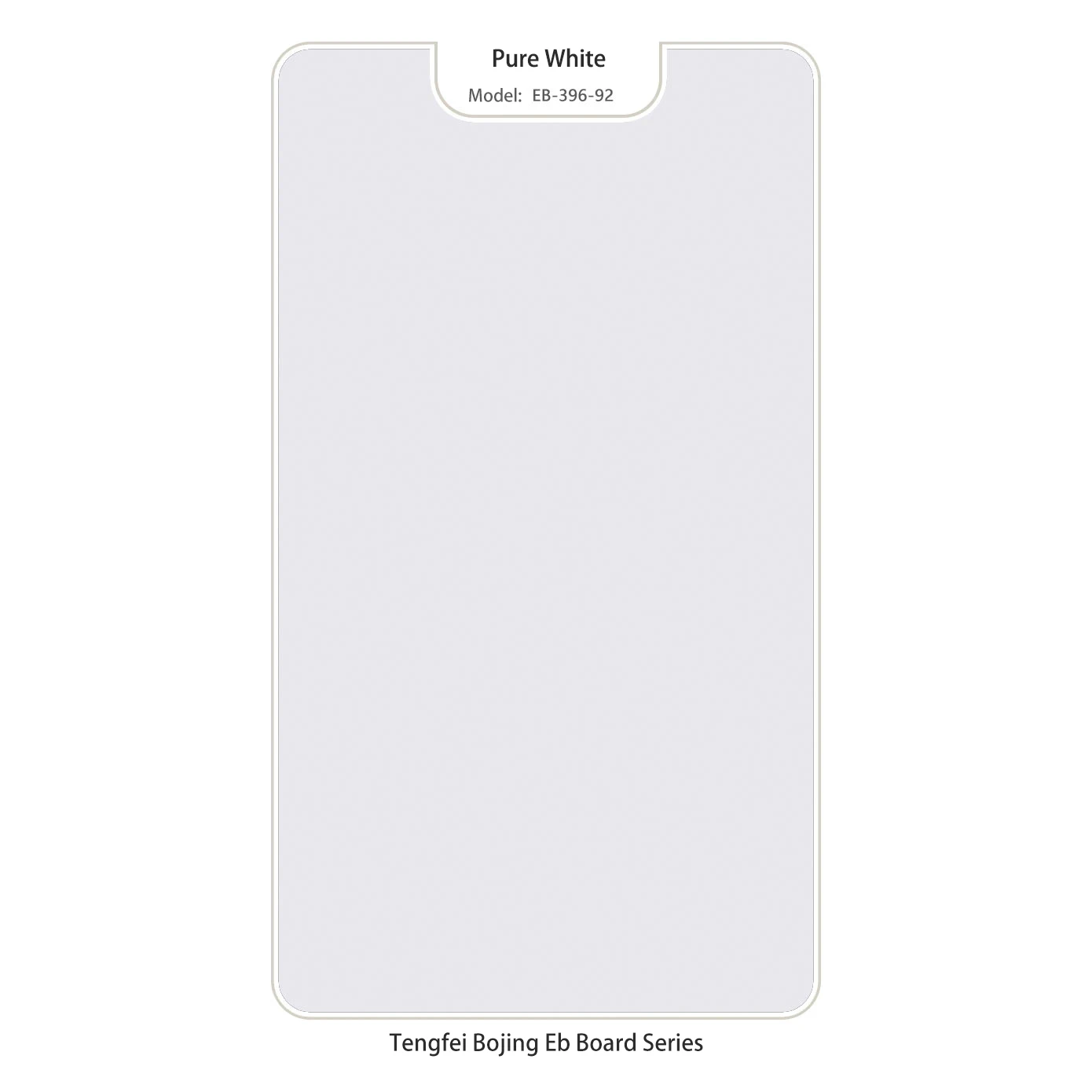
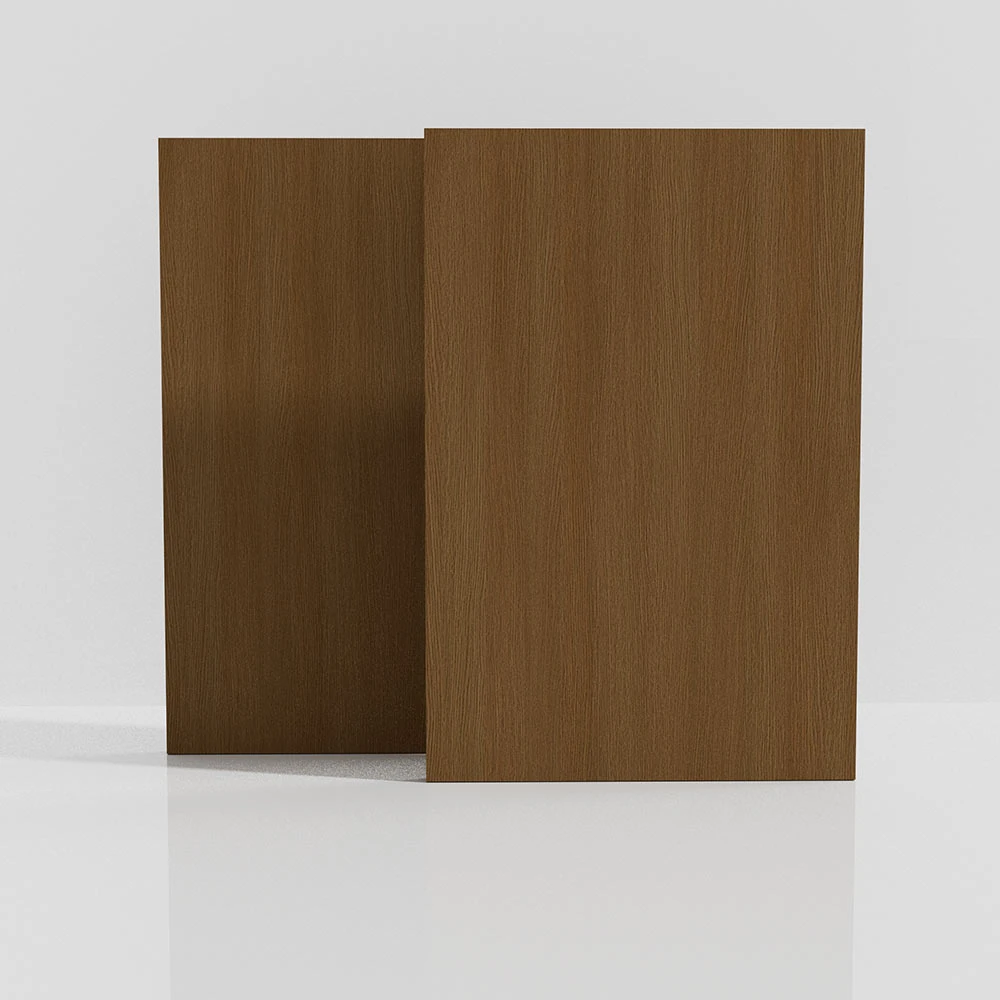
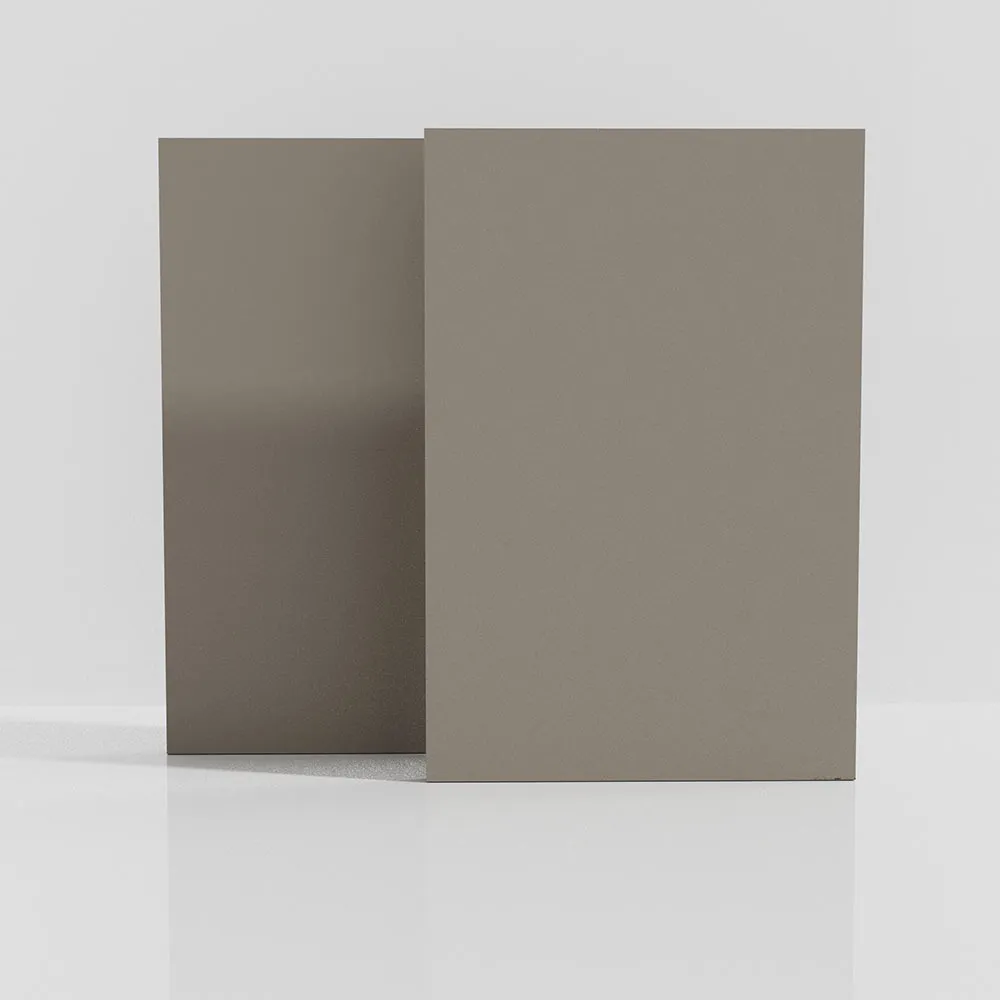
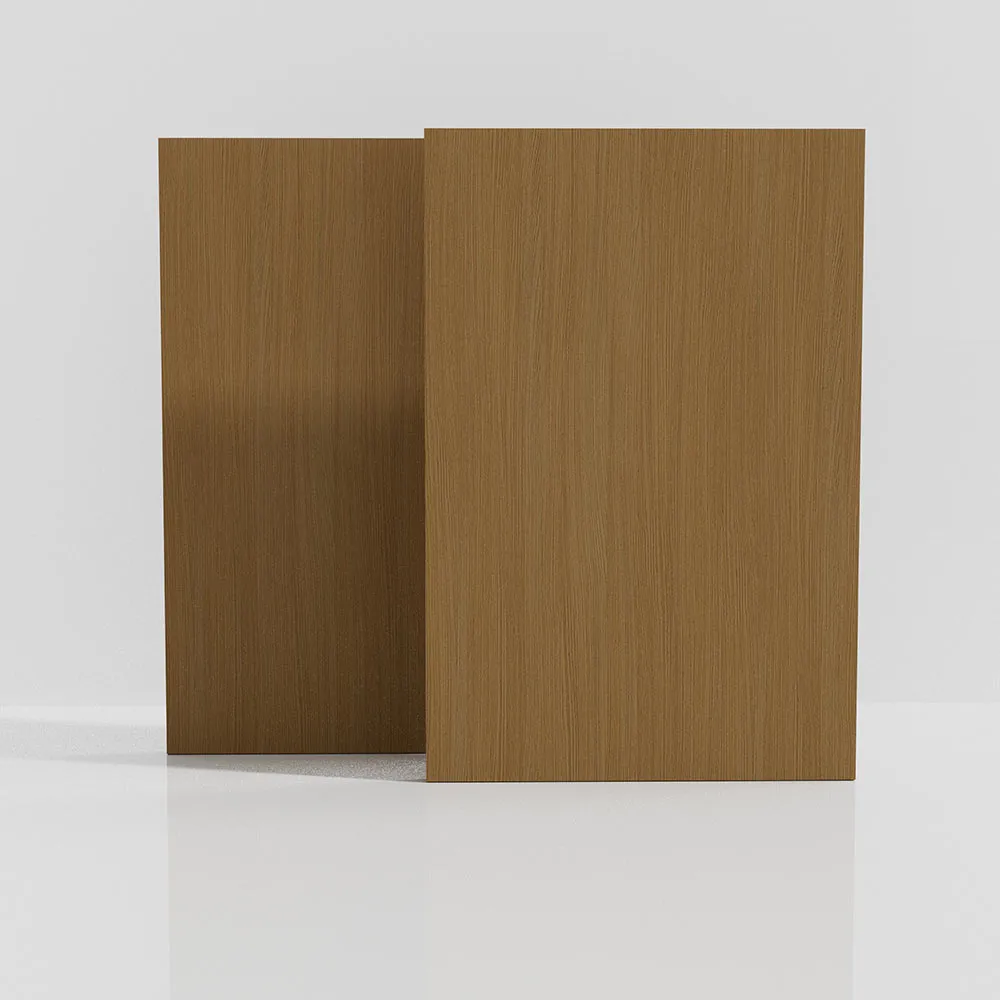
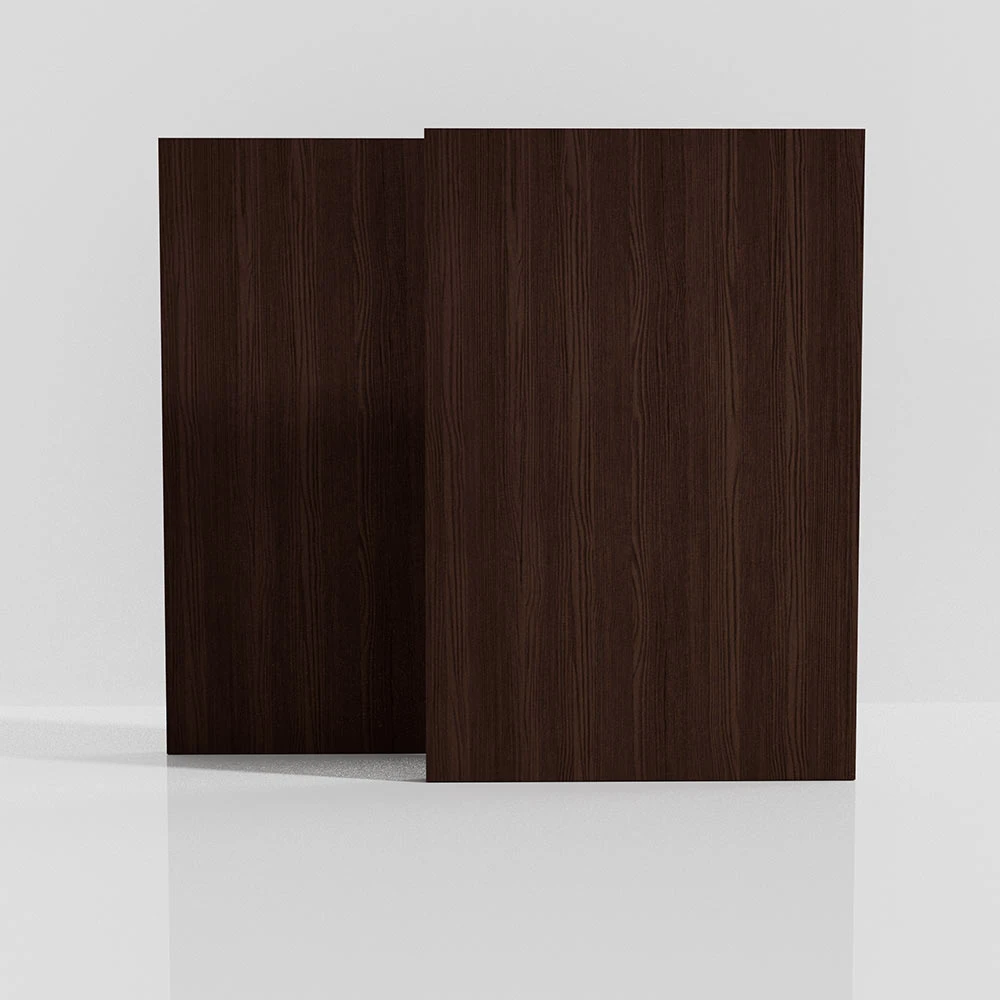
What’s interesting is the choice between plain weather resistant plywood and the so-called film faced plywood variant, which adds a thin plastic film coating. I’ve seen this used for concrete formwork, where the plywood faces downpour after downpour and still doesn’t swell or degrade. In my experience, opting for film faced plywood can be a wise decision if your application involves significant exposure to abrasives or direct water jets.
Vendor Comparison – Weather Resistant Plywood
| Vendor |
Glue Type |
Core Species |
Standard Thicknesses (mm) |
Extra Treatments |
Typical Price Level |
| Tengfei |
Phenol formaldehyde |
Poplar / Birch |
12, 15, 18 |
Film face option |
Moderate |
| Vendor B |
Melamine resin |
Birch/Aspen |
9, 12, 15 |
Waterproof glue only |
Higher |
| Vendor C |
Phenolic resin |
Poplar |
12, 18 |
No film face |
Lower |
In the field, you often need to balance price and performance. I’ve long appreciated weather resistant plywood from Tengfei because it brings that sweet spot: solid water-resistance thanks to phenol-formaldehyde glues, customizable film faced finishes, plus standard dimensions that fit most industrial needs. One of my clients actually switched vendors just to go back to Tengfei’s material after dealing with delamination issues elsewhere — that says a lot, I think.
The industry trend is moving slightly towards even more environmentally sustainable adhesives and forestry sources, but frankly, until these new methods are fully tested under harsh conditions, weather resistant plywood with traditional cold-pressed phenolic glue remains the reliable pick. And I expect it will be for a good while.
If you’re specifying plywood for outdoor or humid environments, consider the role of adhesives, core wood, and additional coatings carefully. It’s not just about thickness or looks — moisture resistance is an unseen but vital property that your project depends on.
So, whether you’re in construction, equipment manufacturing, or staging industrial shipping, you can’t afford to skimp on quality. From my years of experience, I’d say that durable, well-made weather resistant plywood like Tengfei’s is a small investment that pays off in the long haul — fewer replacements, less downtime, and a good measure of peace of mind.
One last little story: a shipyard I consulted for once layered several plywood panels on a deck, expecting frequent replacement. Years later, the plywood was still going strong with hardly any repairs required. Turns out choosing the right glue and veneer make all the difference — it felt like a quiet win when I visited.
That's my take. For quality plywood that really performs in wet conditions, there's kind of no substitute.
1. “Understanding plywood adhesives,” Forest Products Journal, 2022.
2. Tengfei Industrial Product Catalog, 2024 edition.
3. Case Study: Marine-grade plywood in shipbuilding, Industrial Materials Review, 2023.