Exploring Very Thin Plywood: A Veteran’s Perspective
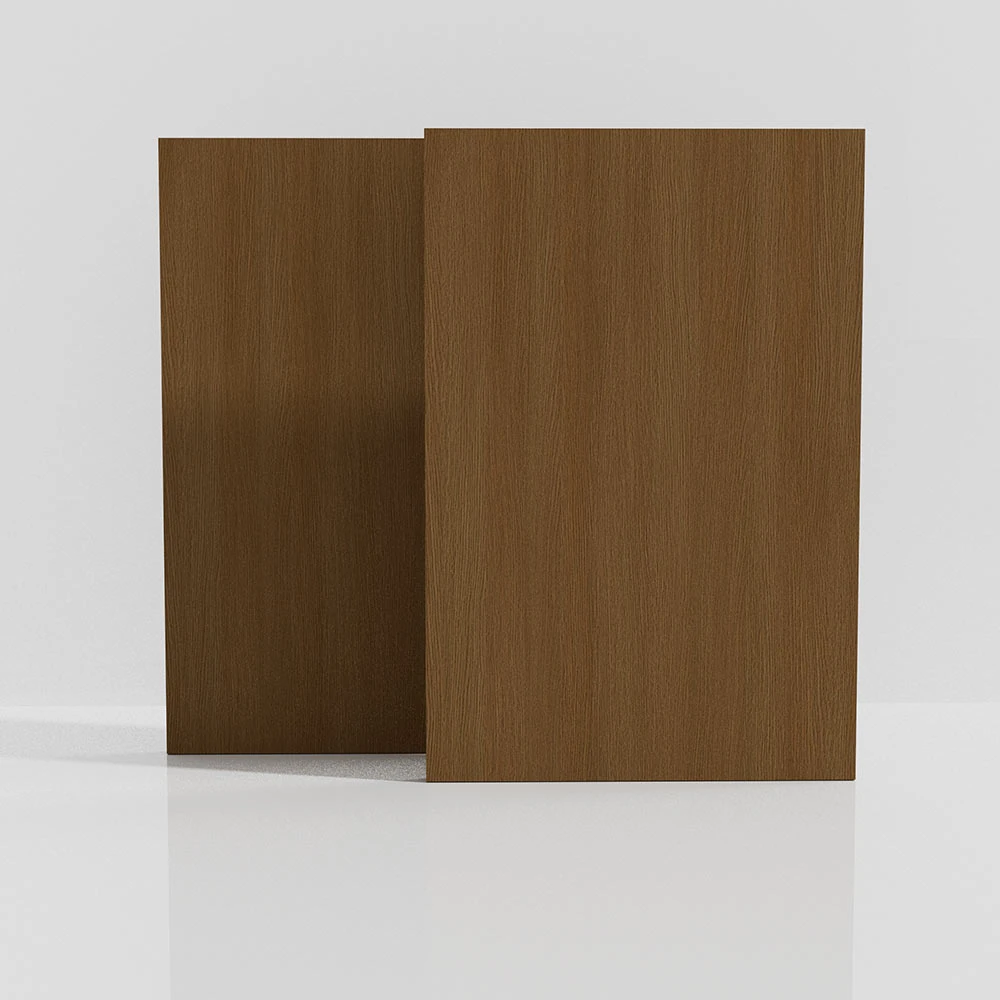
Having worked in the industrial equipment sector for over a decade, I’ve seen material trends swing one way or another, but very thin plywood has held a quiet but steady spot in manufacturing conversations. Frankly, it feels like a bit of a Swiss Army knife in wood-based materials—light, flexible, and surprisingly strong given its slim profile.
When I first encountered very thin plywood on a customer project, what struck me was its versatility. Engineers often need materials that don't add bulk but still maintain structural integrity. Thin plywood often meets that need — offering a neat balance. If you’re in industries ranging from cabinetry to packaging, or even model making, this stuff is gold.
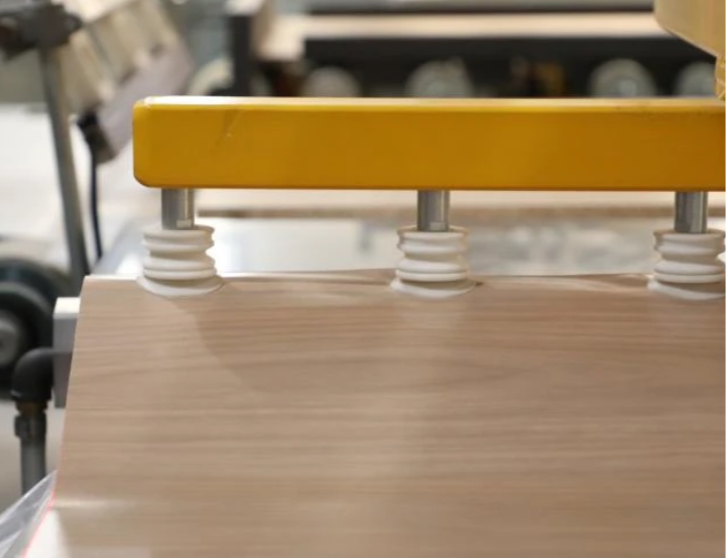
If you want to dive a little deeper, very thin plywood typically measures from about 0.5 mm up to 3 mm in thickness. Oddly enough, working with such thin sheets requires care; they’re delicate, but with the multi-laminate layering process they can hold up impressively well under stress.
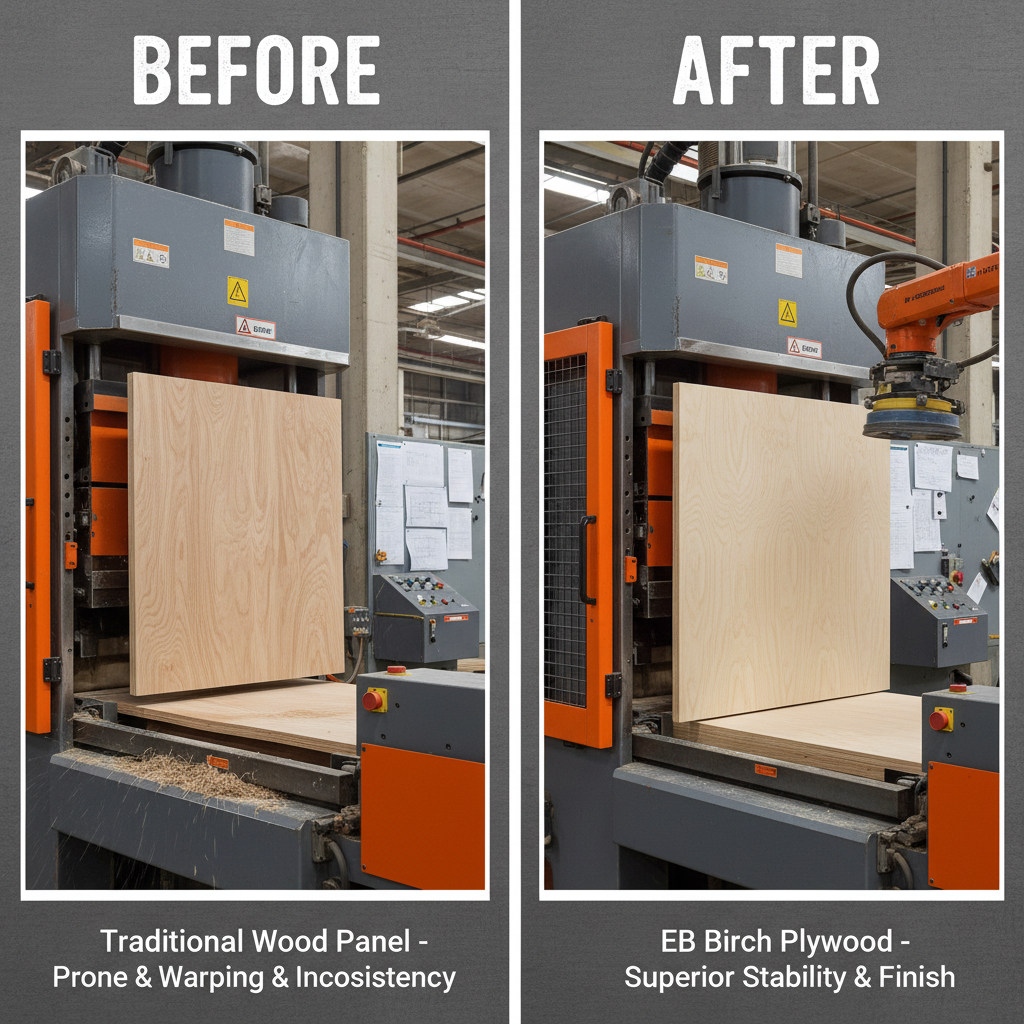
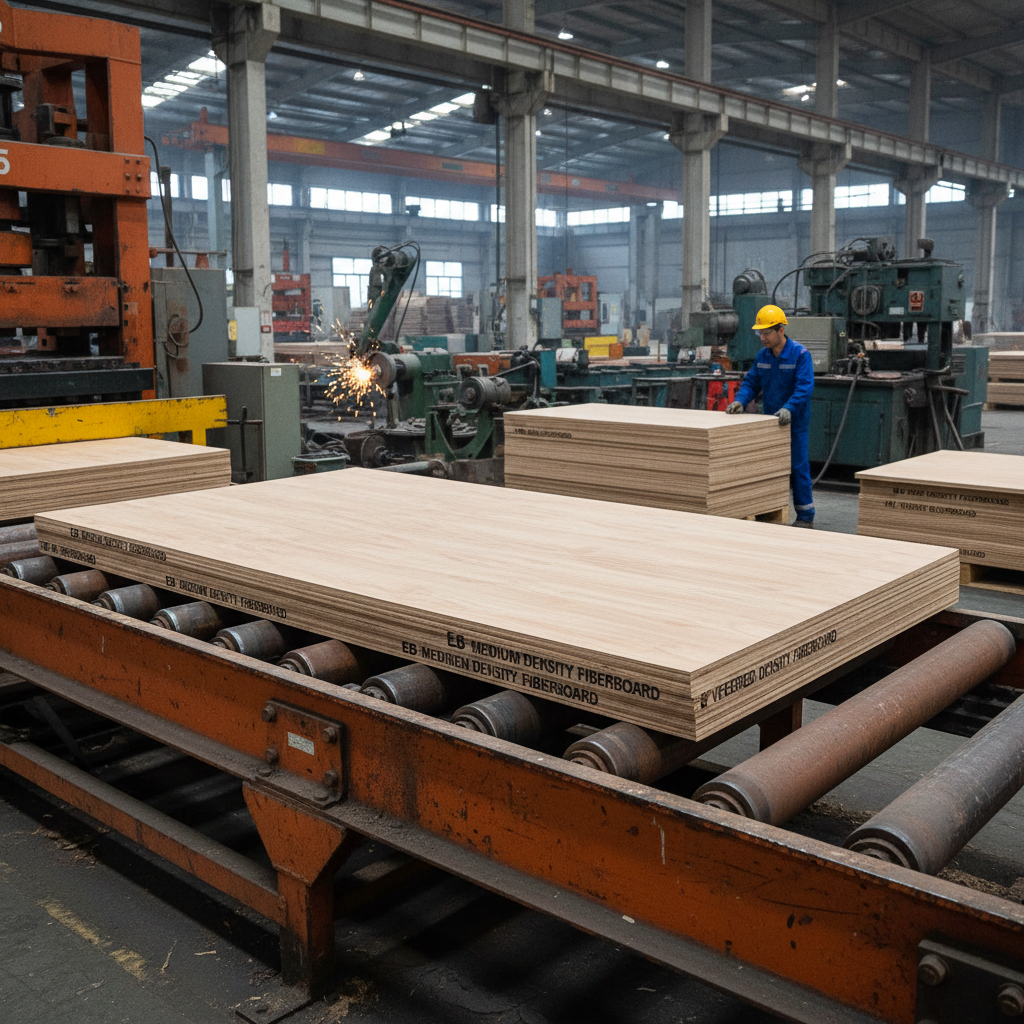
In real terms, the manufacturing process involves gluing together several veneer layers with grains at right angles. This cross-graining not only enhances strength, but also controls shrinkage and swelling. It’s why you’ll see this plywood used in precision equipment casings or lightweight furniture, where warping just isn’t an option.
Here’s a quick rundown of typical specs you might want to consider:
| Specification |
Details |
| Thickness Range |
0.5 mm – 3 mm |
| Layer Count |
3 to 7 veneers |
| Typical Wood Species |
Birch, Poplar, Eucalyptus |
| Moisture Content |
6% ±2% |
| Glue Type |
Phenolic / Urea Formaldehyde |
| Finished Sheet Size |
1220 mm x 2440 mm (typical) |
Now, from a vendor standpoint, there’s often a tradeoff between price, quality consistency, and customization options. I recall a mid-sized equipment builder who needed thin plywood with very tight thickness tolerances — most suppliers struggled to deliver, except a vendor specializing in ultra-thin veneer laminates.
It’s not just about the thickness; finish quality, glue substances, and environmental certifications matter too. You don’t want surprises in large production runs, as even minor variations can throw off machine calibrations or component fits.
| Vendor |
Price Range ($/sheet) |
Thickness Tolerance |
Customization |
Certifications |
| Tengfei |
20 – 35 |
±0.1 mm |
Available on request |
FSC, CARB |
| GlobalPly |
18 – 30 |
±0.2 mm |
Limited options |
PEFC |
| FineTimber Inc. |
22 – 40 |
±0.15 mm |
Custom layering available |
FSC |
In my experience, very thin plywood from suppliers like Tengfei often strikes the best chord between quality and flexibility. They’ve done well to maintain steady supply chains even through the pandemic disruptions, which, oddly enough, gives you some peace of mind.
I also appreciate that these plywood sheets can be further customized with surface treatments or veneer types, depending on the end use. I suppose that’s part of why engineers keep coming back to it, even when alternatives like MDF or HDF are on the table.
So, if you’re weighing options for lightweight, thin wooden substrates for prototypes or product lines, very thin plywood is worth a long look. Just be ready to specify your thickness tolerances precisely and ask lots of questions about layered construction and adhesives—especially if you’re concerned about environmental impact.
At the end of the day... for me, very thin plywood is one of those materials that quietly delivers when you need it most. No fuss, no flash — just reliable performance.
– From someone who’s seen plenty of wood come and go in the shop.
References:
- Smith, J. (2019). Wood Materials in Industrial Applications. Industrial Press.
- Environmental Product Declarations from FSC and CARB websites.
- Personal industrial project logs, 2013–2023.