Understanding Veneered Plywood: A Global Perspective on a Versatile Material
Veneered plywood might sound like niche jargon from the woodworking world, but in reality, it’s a foundational material whose uses ripple through construction, manufacturing, and even humanitarian sectors worldwide. At its core, veneered plywood embodies a smart blend of natural beauty and engineered strength, making it a reliable go-to for everything from cabinetry to emergency shelters. Understanding what it is, why it matters globally, and how it benefits industries and communities alike sheds light on how material innovation quietly but steadily shapes our built environment.
Global Importance of Veneered Plywood
Globally, plywood production accounts for a substantial share of the engineered wood market—expected to reach USD 70 billion by 2030 according to industry reports. The ISO standards for plywood ensure products maintain consistent quality worldwide, which matters when we talk about safety, durability, and sustainability. These standards also make veneered plywood a preferred choice for many nations, balancing forest conservation goals with urbanization needs. However, plywood manufacturers and buyers face challenges such as raw material sourcing, environmental concerns, and supply chain constraints. Veneered plywood steps in by offering enhanced aesthetics without compromising structural integrity.
Mini Takeaway: Veneered plywood sits at the intersection of environmental responsibility, global building demands, and material innovation — a crucial piece of the sustainability puzzle.
What Exactly Is Veneered Plywood?
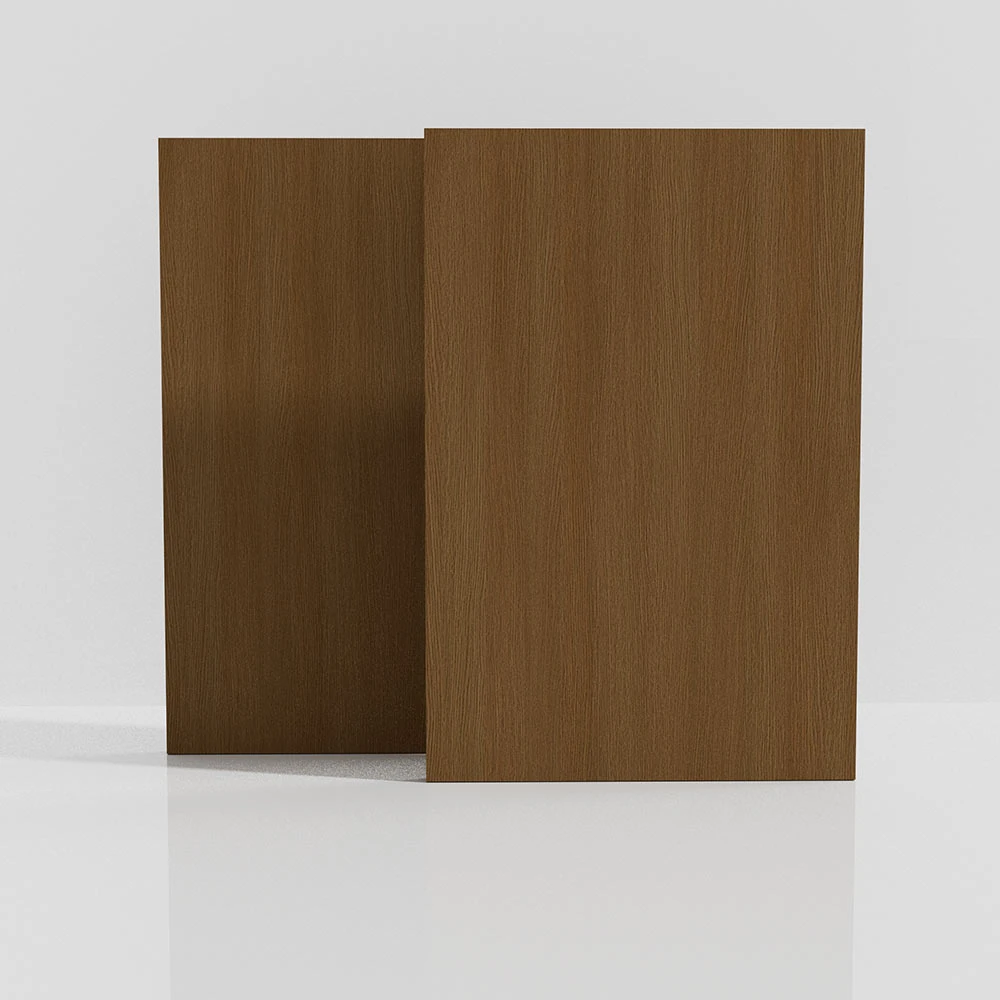
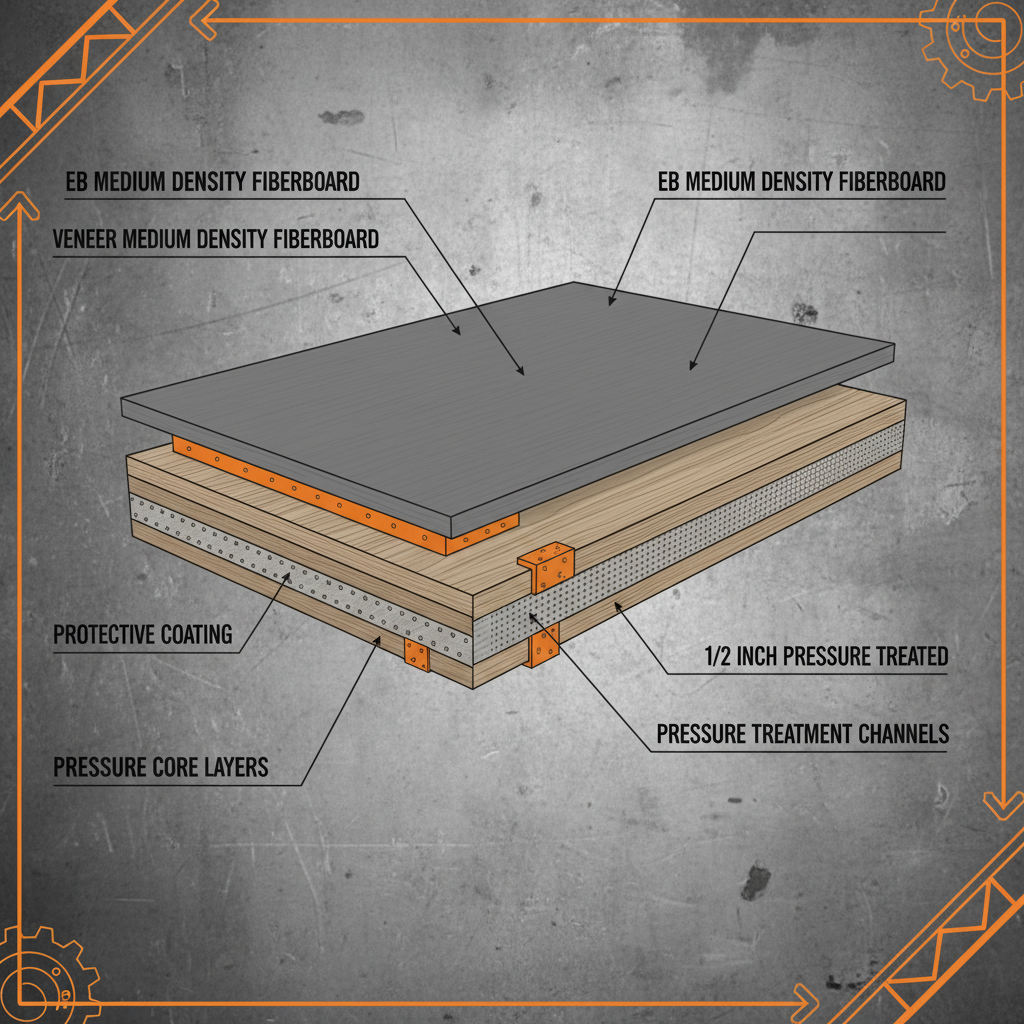
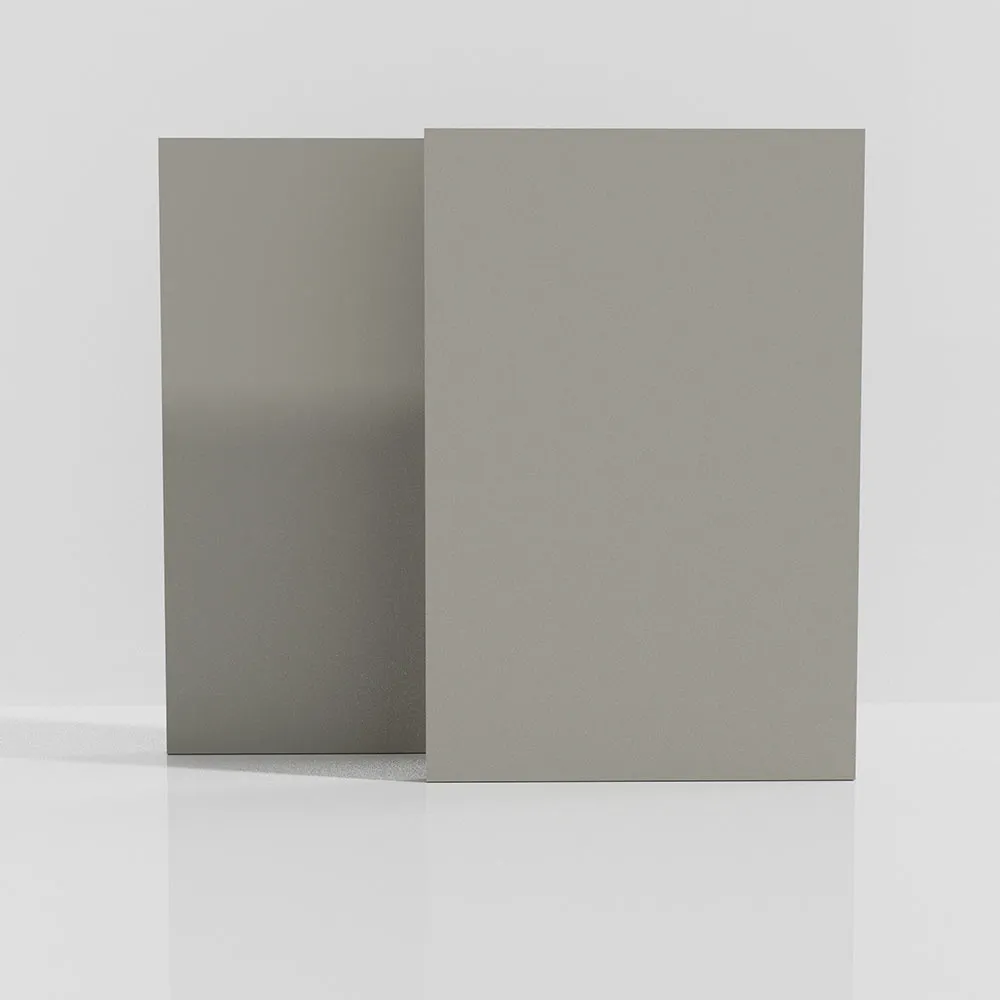
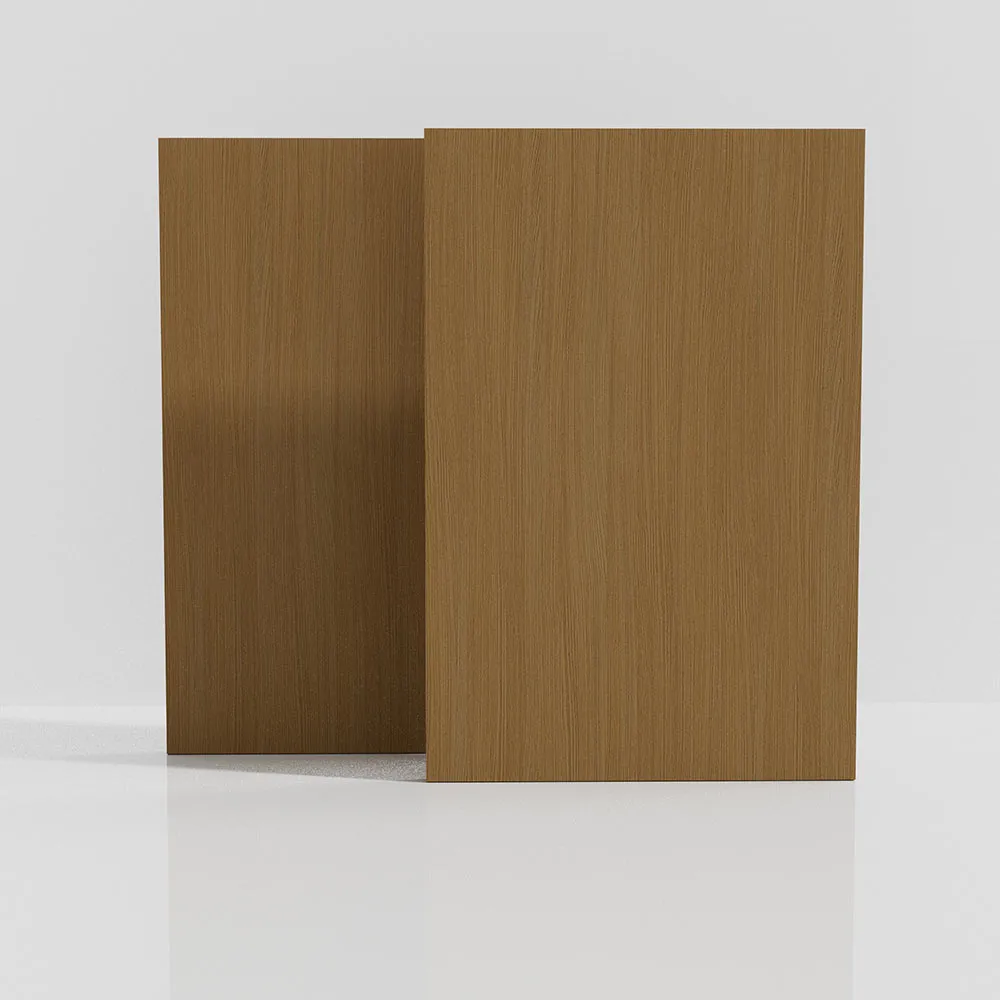
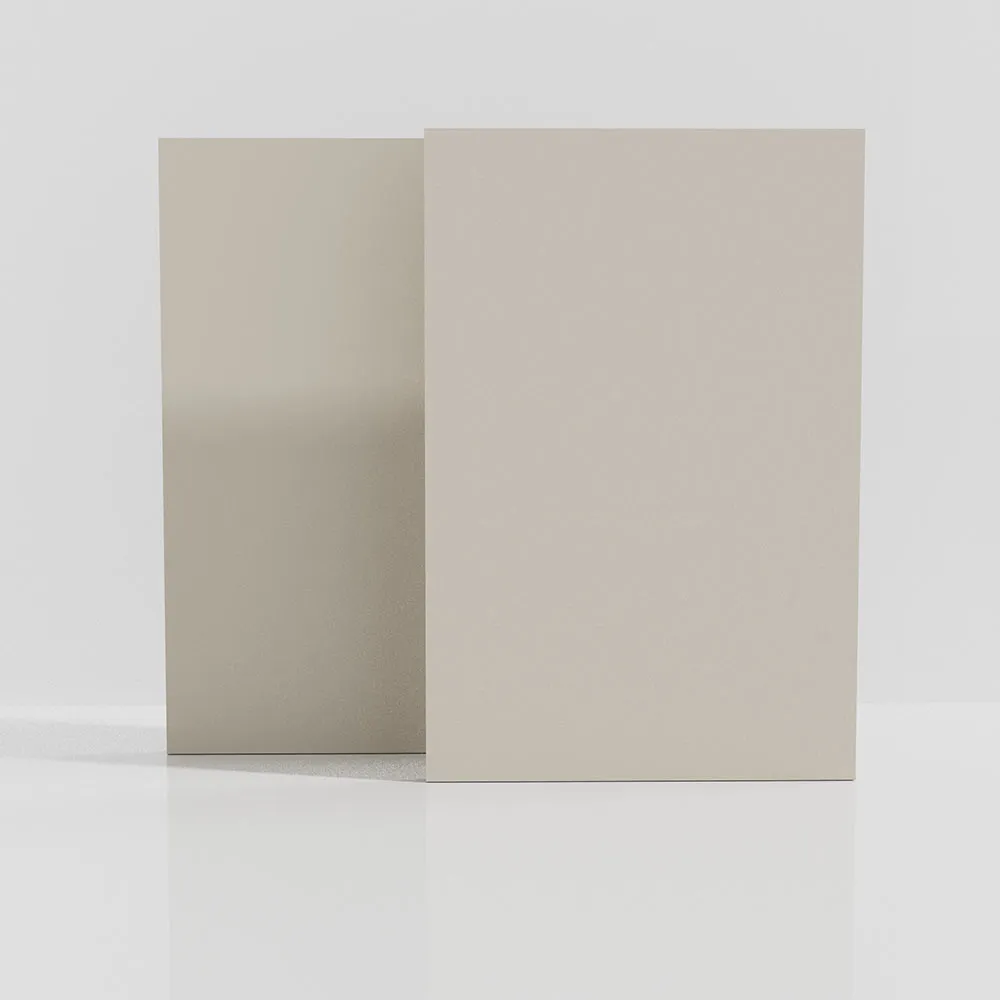
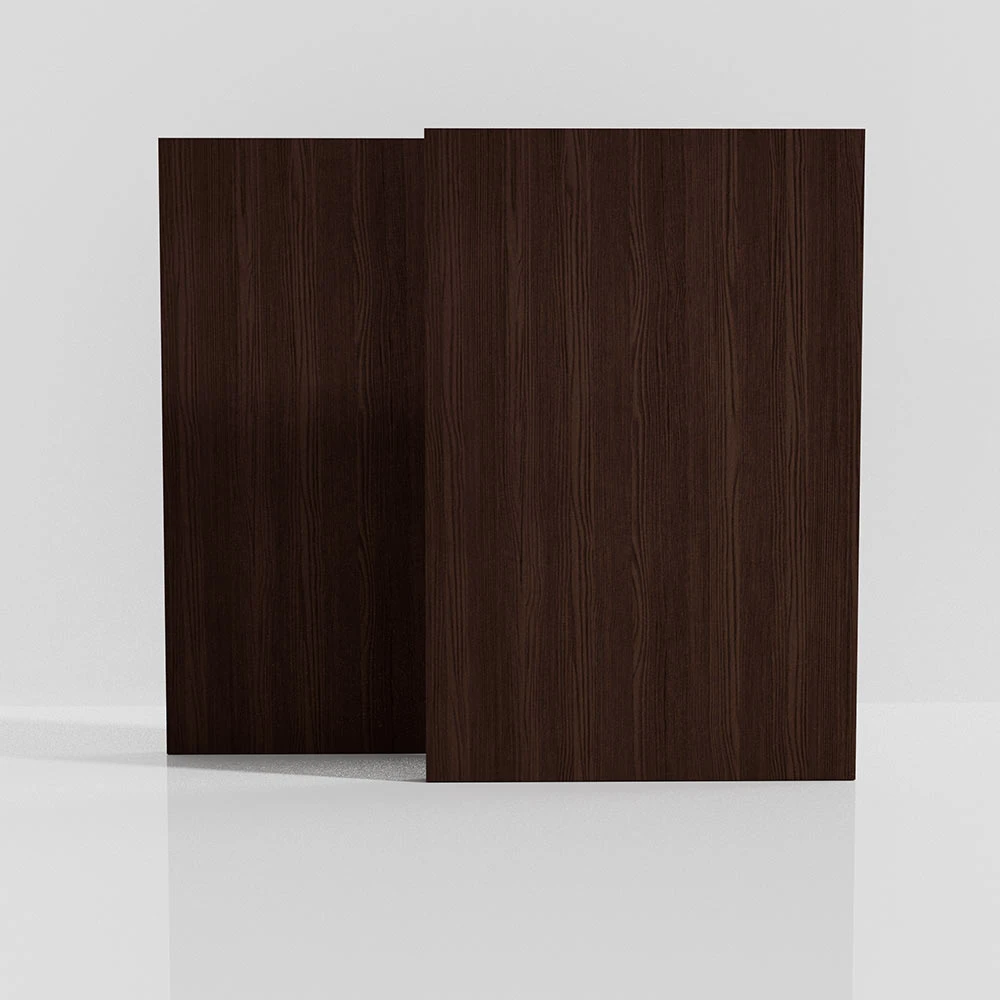
Veneered plywood is essentially layers of wood, glued together with each layer’s grain running perpendicular to the previous one, but topped with a thin, decorative “veneer” layer made from high-quality wood species. This veneer can mimic expensive hardwoods or create design effects that are otherwise costly or impractical. In simple terms, it’s plywood dressed up to look stylish, yet retaining the mechanical advantages of plywood’s engineered core.
For industries and humanitarian agencies alike, this means you get the best of both worlds: durability and attractive design. For instance, in refugee housing or temporary clinics, veneered plywood allows quick construction that still feels welcoming — important for human dignity during tough times.
Core Components of Veneered Plywood
- Durability: The cross-laminated structure provides stability and resists warping or splitting — critical in both humid and dry climates.
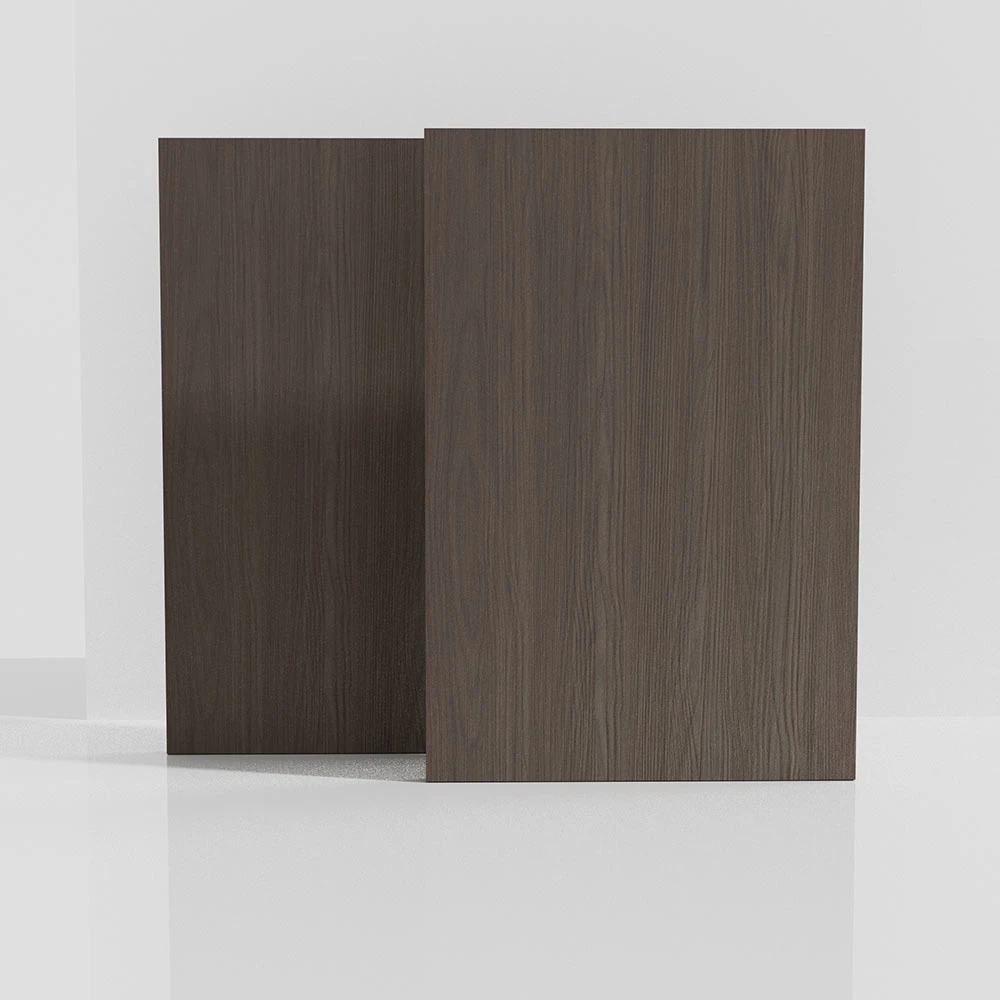
- Aesthetic Appeal: The top veneer layer can range from walnut to cherry, enabling a range of finishes for interior design or branding.
- Cost Efficiency: Compared to solid hardwood, veneered plywood is generally more affordable, reducing material expenses without sacrificing appearance.
- Scalability: It can be produced in large sheets ideal for mass manufacturing as well as smaller custom projects.
- Sustainability: Utilizes less valuable wood for the core, often using fast-growing species, supporting forestry conservation.
- Workability: Easy to cut, nail, and finish, making it popular among both industrial producers and artisan woodworkers.
Mini Takeaway: Veneered plywood hits a powerful sweet spot: strength, beauty, affordability, and eco-friendliness all wrapped into one versatile material.
Global Applications & Use Cases
From Asia’s booming construction sectors to Europe’s eco-conscious furniture studios, veneered plywood has found a varied portfolio of real-world uses:
- Construction Industry: Often employed in flooring, wall panels, and cabinetry where durability and look matter.
- Humanitarian Relief: Temporary shelters use veneered plywood for fast, robust assembly that still offers a humane touch in disaster zones.
- Transport and Shipping: Crates and pallets made from veneered plywood protect delicate cargo better than traditional wood.
- Interior Design: High-end retail stores and corporate offices favor it for durable, beautiful wall cladding and custom furniture.
For instance, after the 2015 Nepal earthquake, veneer-faced plywood panels were used extensively to rebuild shelters quickly yet with better aesthetics than bare plywood. Also, manufacturers in Scandinavia are developing modular veneered plywood components for eco-friendly housing projects.
Advantages & Long-Term Value
When weighing veneered plywood against alternatives, several benefits come to light:
- Cost-Effectiveness: Its layered construction reduces waste and raw material costs.
- Sustainability: It supports responsible forestry and often uses adhesives compliant with environmental standards.
- Social Impact: Products feel “finished” and inviting, improving user satisfaction — whether in homes, shelters, or offices.
- Reliability & Safety: Meets strict regulations and offers good fire and moisture resistance when treated.
Emotionally, people react better to warm, wood-clad environments — it instills comfort and trust. Over time, veneered plywood products age gracefully with proper care, making them a long-term investment rather than a short fix.
Product Specifications of Typical Veneered Plywood
| Specification |
Details |
| Core Material |
Softwood or hardwood lumber layers |
| Surface Veneer |
Oak, maple, birch, cherry, walnut, or custom species |
| Thickness Range |
6 mm to 25 mm, commonly 12 mm or 18 mm |
| Finish |
Unfinished, lacquered, or prefinished with UV coating |
| Moisture Resistance |
Varies by adhesive and treatment; some are waterproof |
| Sustainability Certification |
FSC or PEFC certified options available |
Vendor Comparison for Veneered Plywood Products
| Vendor |
Core Quality |
Veneer Selection |
Price Range |
Sustainability |
| WoodCraft Industries |
High-grade birch plywood |
Standard hardwood veneers |
$$$ |
FSC certified |
| Global Panel Co. |
Mixed hardwood and softwood core |
Wide veneer options, custom orders |
$$ |
PEFC licensed |
| EcoLeaf Panels |
Primarily recycled wood fibers core |
Limited veneer palette |
$ |
Strong eco focus |
Emerging Trends in Veneered Plywood
Innovation never stops. Veneered plywood is evolving with environmental and digital trends. For example, bio-based adhesives are replacing formaldehyde glues, reducing toxic emissions. Digital printing now allows bespoke veneer patterns at lower cost, boosting customization. Plus, automated manufacturing lines increase consistency and speed, which is vital in meeting surging global demand.
Green building certifications increasingly reward the use of veneered plywood that meets sustainability criteria. Meanwhile, modular construction is integrating veneered plywood panels for rapid assembly without sacrificing beauty or performance.
Challenges and How They’re Overcome
Of course, no solution is perfect. Sourcing sustainable veneers remains a challenge due to deforestation pressures. Some producers compromise quality to cut costs, risking delamination or premature wear. Moisture and fire resistance need constant improvements, especially for extreme environments.
Experienced manufacturers address these issues by:
- Partnering with certified forestry operations.
- Using advanced adhesives and treatments.
- Raising quality control with standardized testing.
- Educating end-users on proper installation and maintenance.
On balance, these steps bolster confidence in veneered plywood as a trustworthy material.
FAQ: Frequently Asked Questions About Veneered Plywood
- What makes veneered plywood better than regular plywood for furniture?
- Veneered plywood offers a decorative hardwood surface that mimics solid wood at a fraction of the cost, all while maintaining the strength and stability plywood is valued for. This results in more attractive furniture that’s also durable and less prone to warping.
- Can veneered plywood be used outdoors?
- Generally, veneered plywood is designed for interior use, as moisture can damage the veneer layer. However, specialized exterior-grade variants with waterproof adhesives and protective coatings exist for outdoor applications like patios or signage.
- How long does veneered plywood typically last?
- With proper care, veneered plywood can last 15 to 30 years or more indoors. Longevity depends on usage context, exposure to moisture, and maintenance, but its engineered core reduces the risk of cracking compared to solid wood.
- Is veneered plywood environmentally friendly?
- When sourced from certified forests and combined with low-emission adhesives, veneered plywood is a sustainable alternative. It uses less slow-growing hardwood and maximizes wood utilization. Look for FSC or PEFC certification to ensure eco-friendly sourcing.
- Can I customize the veneer finish for a specific project?
- Yes, most suppliers offer a wide range of veneer species and finishes, including custom staining or laminates to match design needs. This makes veneered plywood highly adaptable across industries.
Conclusion
Veneered plywood truly exemplifies how thoughtful materials engineering bridges the gap between form and function on a global scale. It provides practical benefits like strength, sustainability, and affordability while enhancing human environments aesthetically and emotionally. Whether for rapid housing, elegant interiors, or commercial applications, it’s a versatile solution growing in relevance.
Curious to explore how veneered plywood can fit your next project? Visit our website at https://www.tengfeiebmdf.com for more insights and product details. Discover material solutions that deliver both beauty and durability.
Reflecting on this, it’s striking how such a “simple” wood product quietly supports so many facets of our lives — reminding us that innovation doesn’t always roar; sometimes, it’s just the right wood veneer quietly holding everything together.
References
- Wikipedia – Plywood
- International Organization for Standardization (ISO)
- Forest Stewardship Council (FSC)