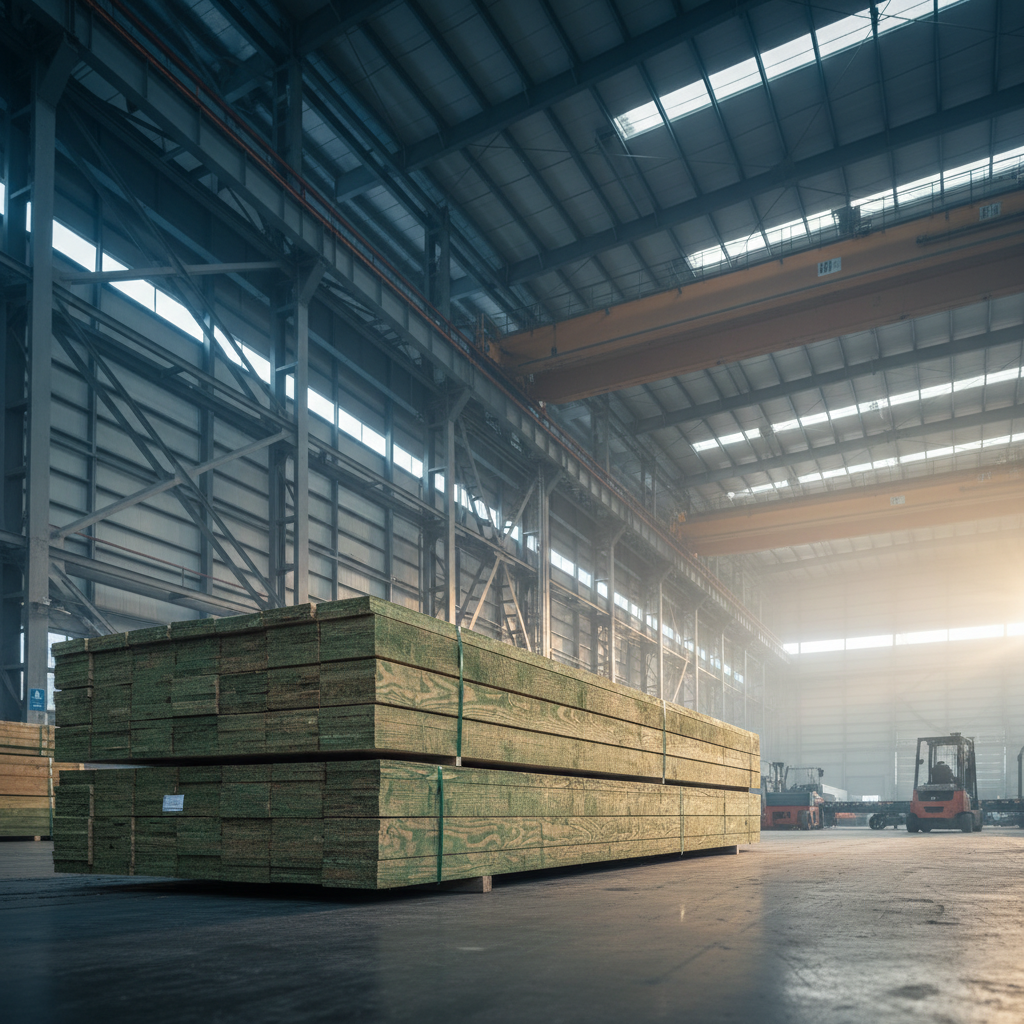
Understanding Veneer Core Plywood: The Backbone of Modern Woodworking
Veneer core plywood might sound like a niche industrial term but, frankly, it’s a material with surprisingly broad implications around the world. From construction sites in Europe to furniture workshops in Asia and humanitarian shelters in disaster-prone areas, veneer core plywood is everywhere. But why does it matter so much globally? Well, it’s all about combining strength, sustainability, and cost-efficiency—properties that industries and communities desperately need in these times of resource constraints and environmental concerns.
In this article, we’ll dive into what veneer core plywood is, why it holds a critical spot in industries worldwide, and what to expect from its evolving role in the future. By the end, you’ll probably never glance at your office desk, cabinet, or floor without appreciating this engineered woodboard's quiet, supportive presence.
Global Significance of Veneer Core Plywood
Wood-based panels, including plywood, are a cornerstone of global manufacturing. The United Nations Food and Agriculture Organization (FAO) reported that wood products continue to see steady demand across sectors — construction, furniture, packaging — thanks to their renewable nature and versatility. Veneer core plywood itself is a type made by stacking thin layers (veneers) of wood glued together, typically with an odd number of layers for balance and strength.
According to ISO standards (specifically ISO 12466-2 on plywood), veneer core plywood notably offers higher strength and better resistance to warping than ordinary plywood made from particleboard or MDF cores. This makes it an essential material in applications demanding reliability, including housing, cabinetry, and even vehicle body panels. The challenge modern industries face is balancing strength and sustainability, which veneer core plywood addresses fairly well.
Mini takeaway: Veneer core plywood is globally important because it merges durability and eco-friendliness, helping industries achieve strong, lightweight, and renewable products.
What is Veneer Core Plywood?
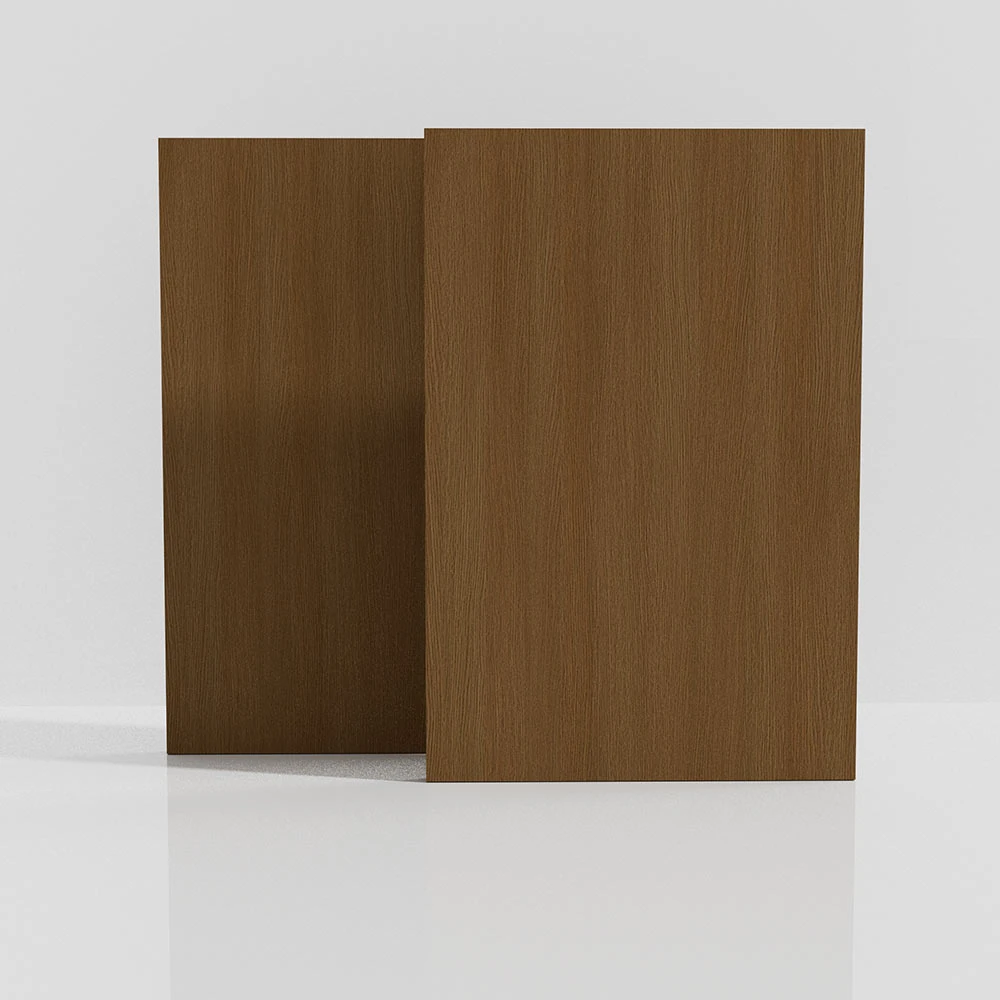
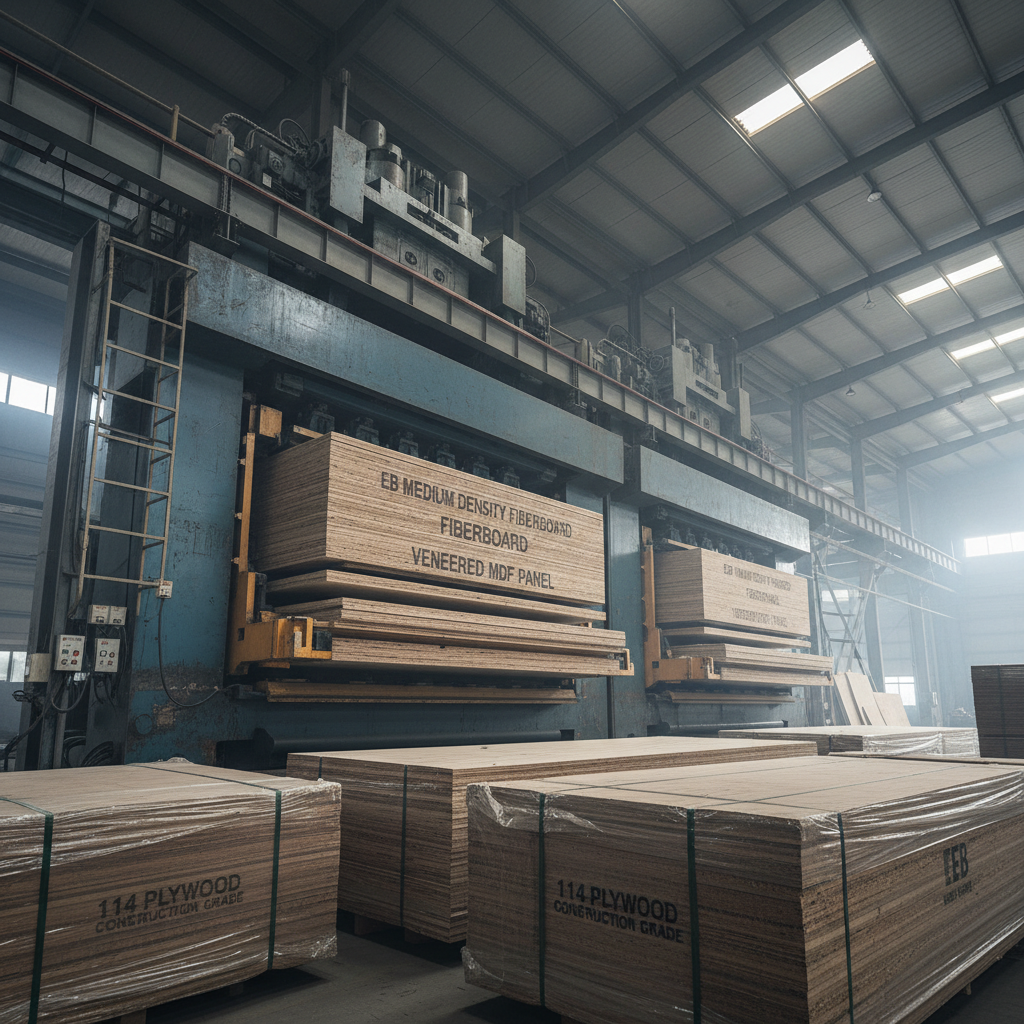
In simple terms, veneer core plywood consists of a core made from multiple thin wood veneers—basically super-thin layers of wood—pressed and glued with adhesives under heat and pressure. The veneers in the core are stacked crosswise, which improves strength by balancing wood grain directions, reducing shrinkage, and preventing warping. Then, typically, plywood faces (outer layers) of higher-quality wood apply for aesthetics and additional protection.
This engineered wood plays a notable role in sectors where traditional solid wood isn't practical or cost-effective. For example, it’s widely used for veneer core plywood boards in furniture making, which must be both light and resilient. On a larger scale, veneer core plywood contributes to more sustainable building practices by optimizing timber resources—key for meeting global environmental goals like those set by the UN.
Core Components & Key Factors of Veneer Core Plywood
Durability
Veneer core plywood is designed to resist wear, moisture, and impact better than many alternative plywood types. The layered veneer arrangement distributes forces evenly, so it doesn’t easily crack or bend. This durability makes it perfect for load-bearing structures and high-use furniture.
Consistency & Stability
Wood can be unpredictable, but veneer core plywood addresses this by cross-laminating veneers, which minimizes warping and swelling. Stability is critical for industrial applications like cabinetry installations or flooring where even minuscule movements cause headaches.
Cost Efficiency
It’s not the cheapest option, but for the strength and lifespan you get, veneer core plywood represents excellent value. It conserves premium timber by using thinner layers of quality wood, and often incorporates fast-growing species in its core, keeping prices reasonable.
Workability
One aspect that craftsmen love is how veneer core plywood machines cleanly. It saws, nails, and finishes much like solid wood but with fewer flaws or knots that could cause problems during production.
Aesthetic Flexibility
The outer faces of veneer core plywood can be customized with different wood species and finishes, making it highly versatile for various design aesthetics, from rustic to ultra-modern.
Typical Specifications of Veneer Core Plywood
| Property |
Typical Range / Standard |
| Thickness |
6 mm – 25 mm |
| Density |
600–700 kg/m³ |
| Moisture Content |
6–12% |
| Bending Strength (parallel) |
>30 MPa |
| Glue Type |
Phenol-formaldehyde or WBP (Water Boil Proof) |
Global Applications & Use Cases
In real terms, veneer core plywood is a problem solver around the planet. Let’s look at a few examples:
- Construction: Thanks to its strength and stability, veneer core plywood is widely used in flooring, walls, and roofing panels, especially in North America and Europe.
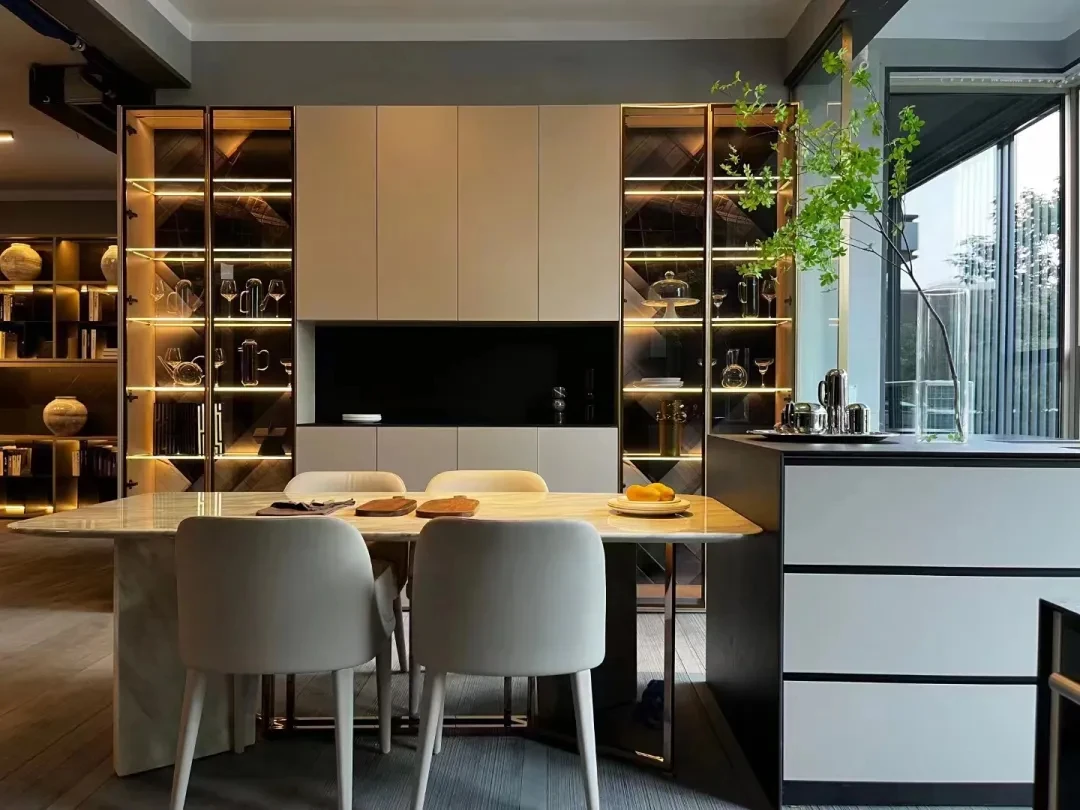
- Furniture Manufacturing: Most quality office desks or kitchen cabinets incorporate veneer core plywood in Asia, where factories specialize in efficient production.
- Transportation Industry: In vehicle paneling and interior components, veneer core plywood offers a lightweight yet durable solution.
- Humanitarian Relief: Post-disaster shelters often require strong, lightweight paneling that can be rapidly deployed; veneer core plywood fits perfectly here.
Oddly enough, some remote industrial zones in Africa are increasingly adopting veneer core plywood for modular buildings where local lumber quality is poor or inconsistent. Veneer core plywood helps bridge the gap.
Vendor Comparison: Veneer Core Plywood Suppliers
| Supplier |
Price Range (USD/m²) |
Core Material |
Certifications |
Lead Time |
| Tengfei Woodworks |
$15–20 |
Poplar Core |
ISO 9001, FSC |
2–3 weeks |
| GlobalPly Industries |
$18–25 |
Mixed Hardwood |
CARB Phase 2 |
3–4 weeks |
| EcoCore Plywood Ltd. |
$17–22 |
Bamboo-Veneer Core |
FSC, LEED |
4–5 weeks |
Advantages & Long-Term Value
What truly sets veneer core plywood apart in the long run is its combination of performance and sustainability. Using engineered layers means less solid wood is wasted, which supports forest conservation efforts globally. That’s a win for the planet.
Also, the material’s reliability lowers repair and replacement costs, saving businesses money and reducing downtime. There’s a kind of emotional reassurance too—knowing you’re working or living with materials that won’t fail unexpectedly.
Plus, veneer core plywood supports innovation. Designers and engineers can push for thinner, lighter products that remain sturdy, enabling novel architectural styles, efficient transport crates, or even eco-friendly prefabricated homes. It’s not just a wood product—it’s a foundation for progress.
Future Trends & Innovations
Looking ahead, there’s excitement about further improving veneer core plywood using digital tech, like CNC machining for precision cuts and even AI to optimize wood usage. Materials science is exploring bio-based adhesives free of formaldehydes, which will make products healthier and greener.
In sustainability, hybrid veneer cores mixing bamboo or fast-growing plantation species promise to boost renewability without sacrificing quality. Governments worldwide are beginning to incentivize such eco-friendly wood products, dovetailing with greater demand for green building certifications (LEED, BREEAM).
Challenges & Solutions
Of course, veneer core plywood isn’t without its challenges. It can be prone to delamination if adhesives aren’t top-notch or manufacturing isn’t strictly controlled. Sometimes suppliers skimp on veneer quality, leading to surface splits or inconsistent strengths.
Experts suggest rigorous quality assurance, frequent lab testing, and choosing seasoned manufacturers—like those with ISO 9001 or FSC certifications—to avoid these pitfalls. There are also new glue formulations and pressing techniques in R&D aimed at improving longevity.
FAQ: Frequently Asked Questions About Veneer Core Plywood
- Q1: What makes veneer core plywood better than particleboard or MDF cores?
- A: Veneer core plywood typically offers superior strength, resistance to moisture, and dimensional stability due to the cross-laminated veneer structure. Particleboard and MDF don’t usually provide the same durability or load-bearing capacity.
- Q2: How long can veneer core plywood last in furniture or structural applications?
- A: With proper use and finish, veneer core plywood can last decades—often 15–30 years or more—especially if protected from excessive moisture and mechanical damage.
- Q3: Is veneer core plywood eco-friendly?
- A: Generally yes. It uses less solid wood overall, and if certified by FSC or similar bodies, it supports sustainable forestry practices. New bio-based adhesives are also reducing chemical impacts.
- Q4: How can companies import veneer core plywood internationally?
- A: Vendors like Tengfei Woodworks provide export services with compliance to international standards and necessary certifications, simplifying customs and ensuring product integrity.
Conclusion: The Quiet Power of Veneer Core Plywood
Veneer core plywood continues to support critical industries worldwide by offering a balance of strength, sustainability, and beauty. Whether you’re crafting bespoke furniture or building resilient shelter in tough locations, its qualities speak for themselves. If you’re curious to explore quality veneer core plywood options, visit our website. It’s a small step toward smarter, greener, stronger materials.
Oddly enough, it feels like understanding materials like veneer core plywood isn’t just about wood—it’s about how we live, build, and innovate together.
References
- FAO - Forestry Products
- ISO 12466-2 – Plywood standards
- Forest Stewardship Council (FSC)