Add: No.8 Xinxing Street, North Zone, Zhengding High-tech Industrial Development Zone, Hebei, China
CONTACT US
+8615030171059



CONTACT US
+8615030171059
Budgeting for large-scale interior projects often leads designers to search for a cheap mdf board, but the real challenge lies in distinguishing between low-cost materials and high-value engineered panels. In the modern furniture industry, the price point is rarely the only metric that determines the success of a project; durability and health safety often dictate the actual long-term cost.
The shift toward intelligent manufacturing has fundamentally changed how these panels are produced. The integration of aerospace-grade curing technologies and automated precision pressing allows for a new category of decorative panels that maintain cost-efficiency without compromising on the structural integrity or the environmental standards required for medical and pediatric spaces.
By evaluating the technical trade-offs between standard medium-density fiberboard and advanced EB (Electron Beam) cured options, procurement managers can optimize their supply chains for both performance and price.


When buyers seek a cheap mdf board, they are often balancing the initial acquisition cost against the expected lifecycle of the product. In the manufacturing of human-made boards, cost is typically driven by the raw material grade, the binding agent used, and the efficiency of the pressing cycle.
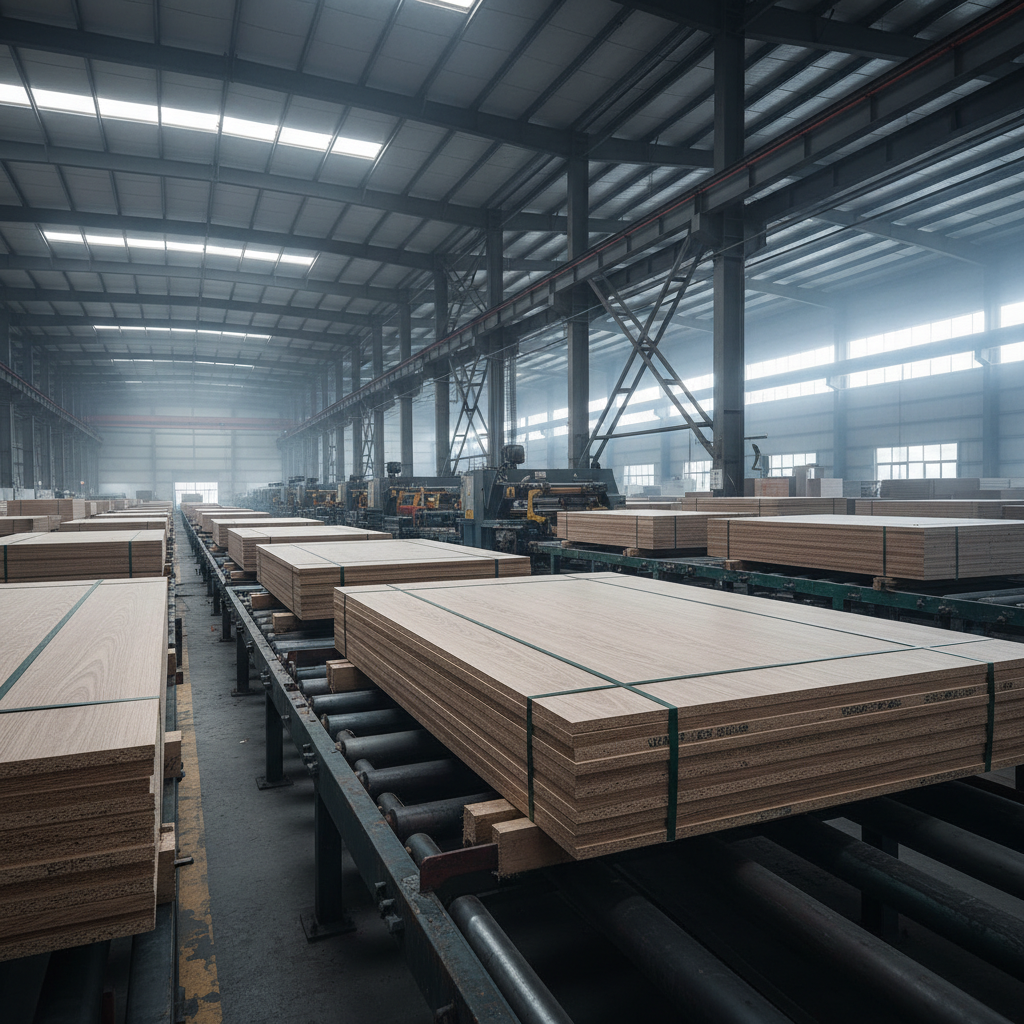
However, the "true cost" includes the rate of surface degradation, the emission of formaldehyde, and the labor required for finishing. Intelligent manufacturing hubs, such as the 50,000 sqm facility operated by Hebei Bojing Technology, utilize scale and automation to reduce unit costs while increasing technical specifications, effectively bridging the gap between affordability and premium performance.
Selecting a decorative panel requires a deep dive into mechanical properties. Key metrics include surface hardness (ASTM D4060 wear resistance), curing uniformity, and dimensional stability. Standard boards often suffer from inconsistent density, which leads to warping or uneven finishes when subjected to varying humidity levels.
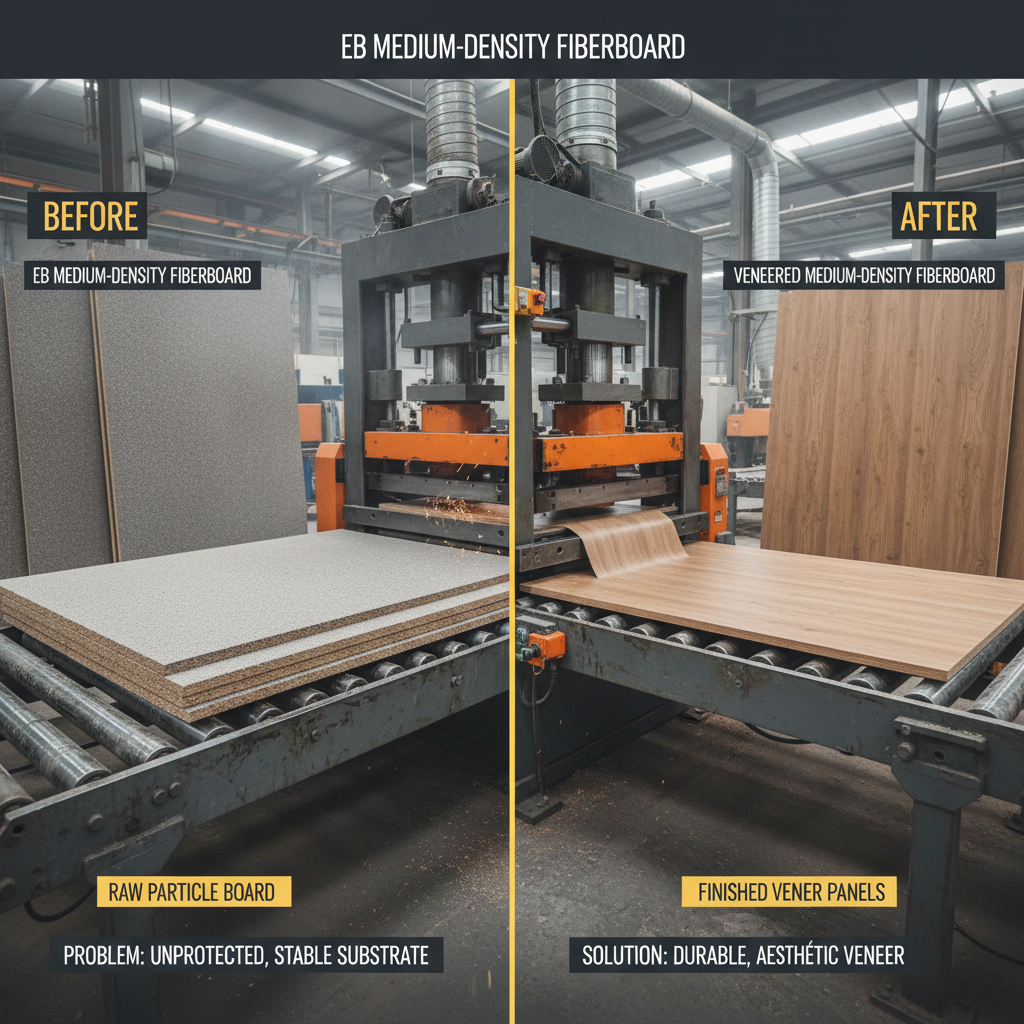
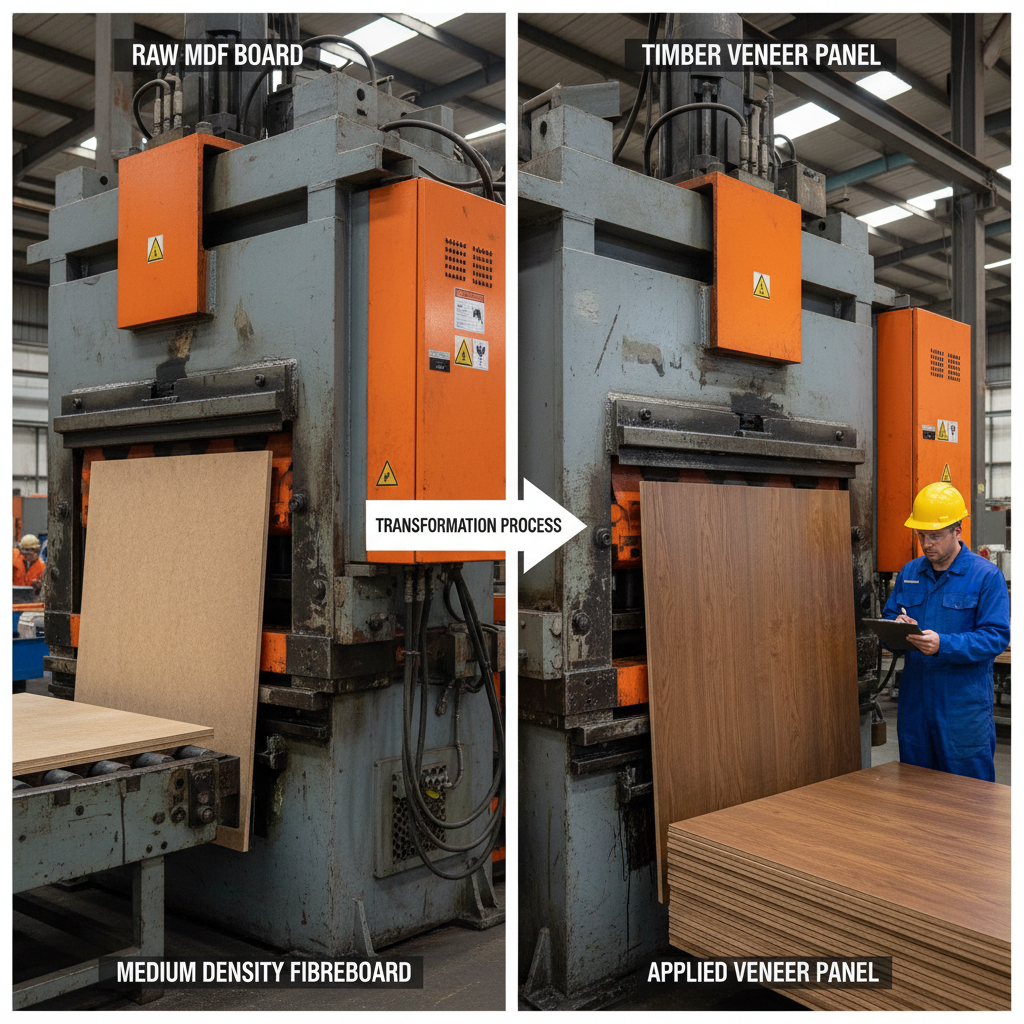
Precision in manufacturing is achieved through the use of high-tonnage, laser-aligned presses. For instance, the use of 4,000-ton quad-platen presses ensures that the pressure is distributed evenly across the board surface, eliminating the internal stresses that often cause lower-grade boards to fail in commercial environments.
Furthermore, the chemical composition of the coatings defines the board's resilience. The shift toward benzene-free and formaldehyde-free emissions is no longer just an eco-friendly choice but a regulatory requirement for panels installed in pediatric or medical environments, as seen in compliance with ISO 18562 and GB/T 35607 standards.
Traditional MDF finishing relies on thermal curing, where heat is used to dry and harden coatings. This process is time-consuming and can introduce thermal stress into the board core, potentially affecting the stability of the substrate over time.
EB (Electron Beam) curing replaces thermal energy with high-energy electron bombardment, triggering instant polymerization of liquid coatings into a three-dimensional interlocked network, resulting in higher surface hardness and 99% curing uniformity.
This technological leap allows for a higher degree of color purity and resistance to tarnish and fingerprints. By deploying independently developed EB curing equipment, manufacturers can achieve mass production scales (exceeding 15,000 panels daily) without the energy overhead and environmental impact associated with massive industrial ovens.
Evaluating the effectiveness of different board treatments requires a qualitative and quantitative assessment of surface behavior. Factors such as scratch resistance, antimicrobial properties, and corrosion resistance are critical for high-traffic commercial zones.
The following illustrative index compares the relative performance of EB-cured panels against standard thermal-cured and untreated MDF options across key operational metrics.
In a typical industrial setting, such as the construction of a modern medical clinic, the requirement for antimicrobial sustainability and food-grade material compliance is paramount. Using a standard cheap mdf board without specialized curing may introduce risks regarding off-gassing and surface porosity, which can harbor bacteria.
For residential furniture, the priority shifts toward aesthetic longevity. Soft-touch and ultra-matte finishes, enabled by EB technology, prevent the visible wear often seen in high-use areas like kitchen cabinetry. By choosing panels that meet LEED-compliant designs, manufacturers ensure that their products remain competitive in a market increasingly focused on sustainable architecture.
The trajectory of the panel industry is moving toward "Zero-Emission" manufacturing. The integration of R&D-production-sales entities allows for a faster feedback loop between the end-user's needs and the factory floor. This is evident in the development of the PU960 series and other high-performance coatings that prioritize health safety without sacrificing industrial throughput.
Future challenges lie in the further reduction of energy consumption during the production phase. The move toward electron accelerators reduces the reliance on carbon-intensive thermal heating, aligning production with global carbon neutrality goals.
Moreover, the diversification of the product ecosystem—incorporating everything from Veneer MDF boards to specialized EB panels—allows architects to mix and match materials based on the specific functional requirements of each room, rather than applying a one-size-fits-all material approach.
When deciding between different board grades, procurement officers should utilize a weighted matrix that considers initial cost, installation time, and replacement frequency. A board that is "cheap" at the point of purchase may become expensive if it requires frequent replacement due to surface scratches or moisture damage.
The trade-off between standard decorative surfaces and advanced EB-cured surfaces often comes down to the intended environment. While basic woodgrain patterns suffice for low-traffic areas, high-gloss and ultra-matte finishes require the cross-linking stability of electron beam curing to remain pristine.
The following table provides a selection framework based on common project requirements and the relative suitability of different panel technologies.
| Requirement | Standard MDF | Veneer MDF | EB-Cured MDF |
|---|---|---|---|
| Cost Efficiency | Highest | Medium | Balanced |
| Surface Hardness | Low | Medium | Highest |
| Emission Standards | Variable | Medium | Food-Grade/Medical |
| Maintenance Effort | High | Medium | Low |
| Aesthetic Variety | Basic | Natural/High | Modern/Precision |
| Lifecycle Value | Low | Medium | High |
The primary difference lies in the density consistency, the type of binding adhesives used, and the curing process of the surface coating. Budget boards typically use thermal drying, which can be uneven. High-performance boards, such as those using EB technology, employ electron beam curing to create a cross-linked molecular network on the surface, significantly increasing hardness, chemical resistance, and uniformity across the entire panel.
Not necessarily. Standard low-cost panels may not meet the strict emission requirements for medical or pediatric spaces. For these environments, it is critical to verify certifications such as ISO 18562 or GB/T 35607. Advanced panels that are formaldehyde-free and benzene-free are required to ensure the safety of sensitive populations and to maintain a sterile, non-toxic indoor air quality.
EB curing creates a surface that is significantly more resistant to scratches, fingerprints, and tarnish. In practical terms, this means furniture made from EB-cured panels requires fewer chemical cleaners and exhibits less visible wear in high-touch areas. This reduces the long-term maintenance cost and extends the interval between necessary refurbishments compared to standard thermally-cured finishes.
Veneer MDF offers a natural wood aesthetic and good structural stability, but its surface durability depends on the topcoat applied. EB-cured boards generally offer superior hardness and chemical resistance due to the industrial polymerization process. While veneer is excellent for architectural warmth, EB panels are more suitable for high-performance functional surfaces like lab benches or commercial countertops.
The most cost-effective approach is to source from an integrated R&D-production-sales entity that utilizes intelligent manufacturing. By reducing the number of intermediaries and leveraging automated lines (such as Wemhöner automated lines), manufacturers can offer competitive pricing on high-spec boards. Focus on the total cost of ownership—including durability and certification—rather than just the per-sheet price.
Yes, warping is often a result of internal stress caused by uneven pressing or inconsistent moisture content during the curing phase. High-precision manufacturing using laser-aligned heavy presses minimizes these internal stresses. When selecting a board, ensuring that the manufacturer uses quad-platen pressing technology can significantly reduce the risk of warping, regardless of the board thickness.
The pursuit of a cheap mdf board should not be a race to the bottom in quality, but rather a search for optimized manufacturing efficiency. The transition from traditional thermal processes to Electron Beam curing represents a pivotal shift in how we balance cost, health safety, and durability in interior design.
By prioritizing panels that combine aerospace-grade curing with intelligent, large-scale production, businesses can achieve a sustainable balance between their immediate budgets and the long-term performance of their architectural assets.