Understanding 17mm MDF Board Price: Why It Matters Globally
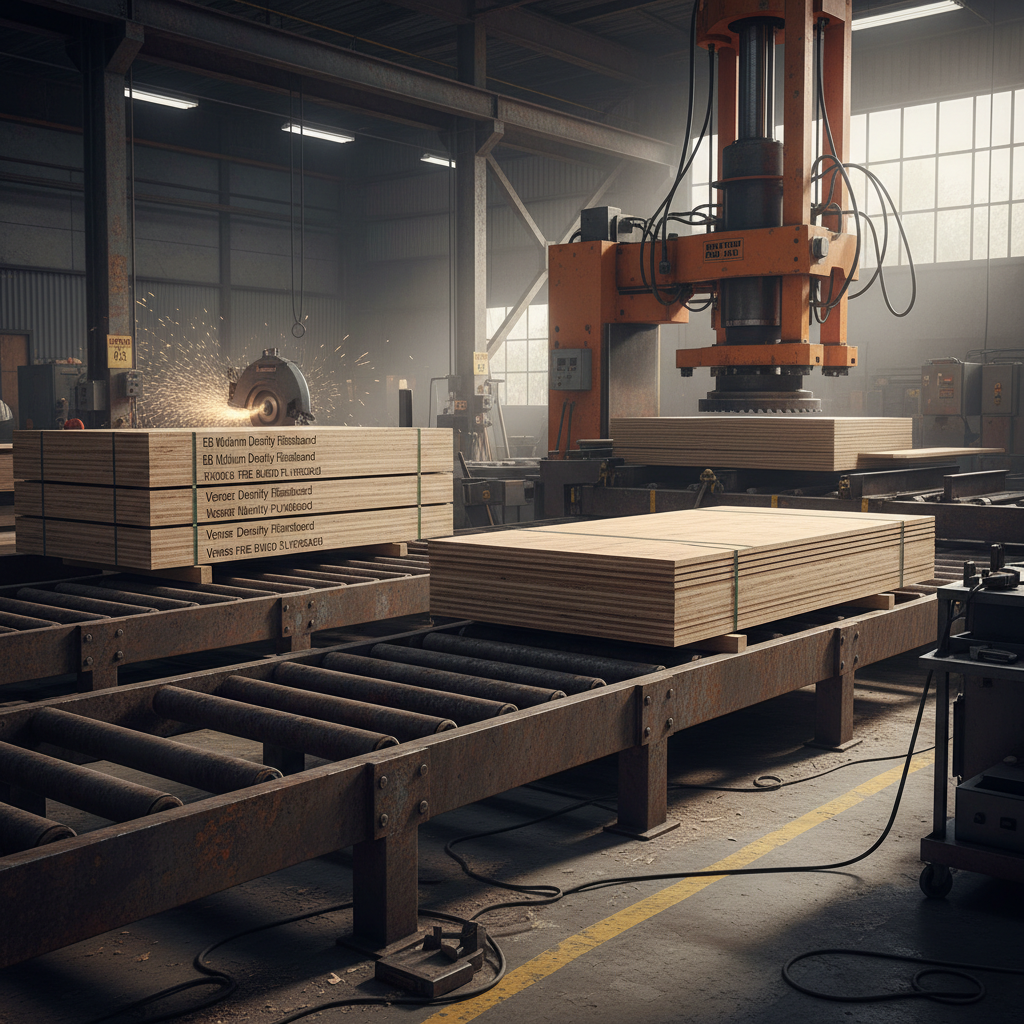
If you've ever stepped into a furniture store or browsed building materials online, you've probably noticed MDF boards—especially those 17mm thick ones. But beyond just a number and a thickness, the 17mm MDF board price is a subtle yet telling indicator of supply chain health, manufacturing innovation, and even global sustainability trends. This specific thickness, a sweet spot in furniture and construction, blends affordability with durability, making it a favorite among professionals worldwide.
Why should we care about this seemingly niche price point? Because fluctuations in the 17mm MDF board price mirror broader economic shifts, including raw material costs and transportation issues that ripple across industries from housing to retail display design. Knowing the ins and outs of this price helps craftsmen, architects, and buyers make smarter choices without sacrificing quality or budget.
The Global Context: Tracking 17mm MDF Board Price Across Markets
Globally, MDF (medium-density fiberboard) demand increased by nearly 5% annually over the past decade due to urbanization, according to the International Wood Products Association. This growth pushed suppliers to fine-tune 17mm MDF board price models, balancing raw wood pulp costs, energy consumption in factories, and logistic challenges. The United Nations recently highlighted that sustainable wood product sourcing reduces carbon footprints by up to 15%, which indirectly impacts how manufacturers price their boards.
Yet, the landscape is not without hurdles. Tariffs, environmental regulations, and volatile timber prices create headaches on all sides. For instance, in Southeast Asia, where much of this MDF is made, fluctuating local economies directly influence 17mm MDF board price spikes. Retailers and distributors worldwide must stay alert because those price changes reverberate quickly down the supply chain.
What Exactly Does 17mm MDF Board Price Mean?
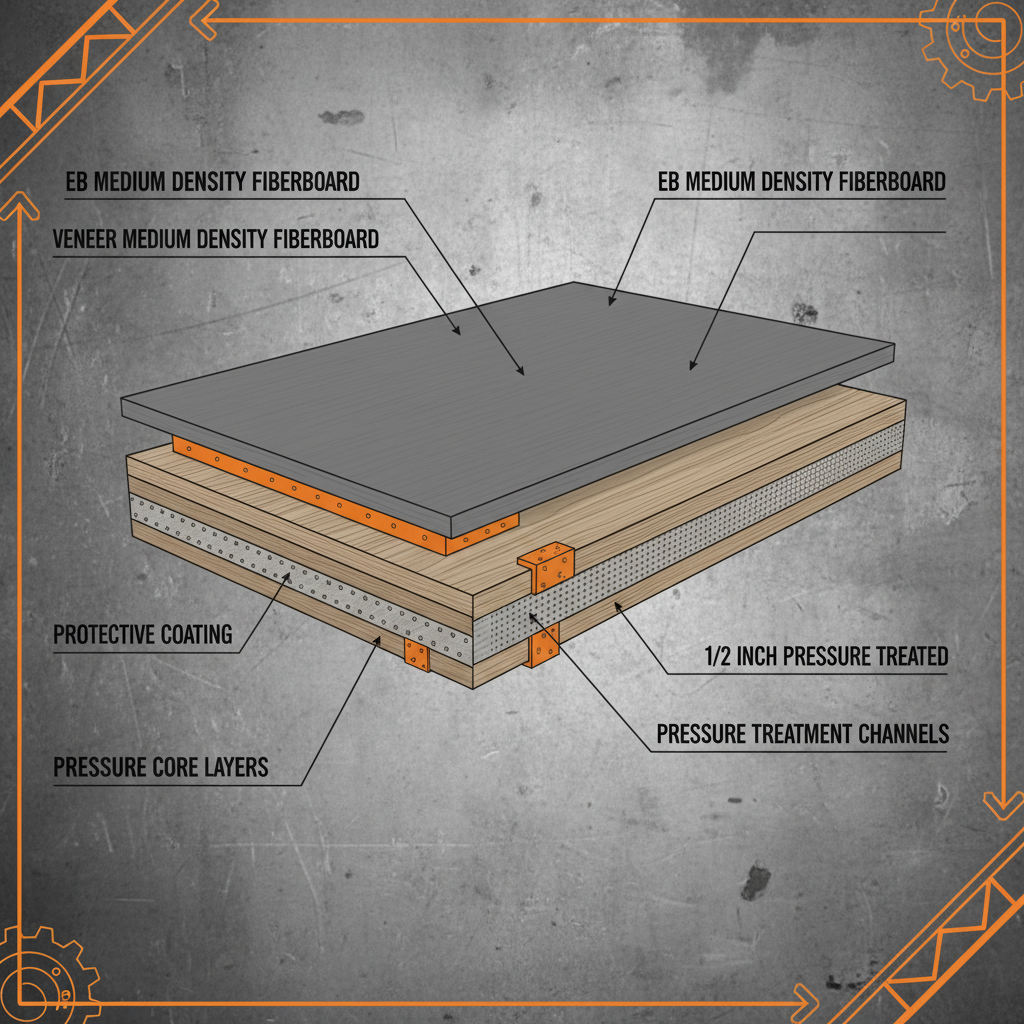
At its core, the “17mm MDF board price” refers to the retail or wholesale cost for a medium-density fiberboard panel that's 17 millimeters thick. But this price is more than just a figure. It reflects the costs of raw materials (wood fibers, resin binders), manufacturing energy expenses, labor, and transportation. Also, quality grading and certifications (e.g., CARB compliance in the U.S.) play a role.
In modern woodworking and construction, 17mm MDF offers an ideal thickness — sturdy enough for cabinets, furniture frames, and wall panels, yet manageable for cutting and shaping. Its price point provides insight into market health and available technology — cheaper doesn’t always mean better, and sometimes paying a little more guarantees a product that lasts and performs.
Mini Takeaway:
Understanding 17mm MDF board price helps buyers predict market trends and balance budget without compromising quality.
Key Factors Influencing the 17mm MDF Board Price
1. Raw Material Quality and Availability
The backbone of MDF production is wood fiber, usually from hardwood or softwood. Log shortages or sustainable harvesting models impact price significantly. For example, stricter forestry certifications can raise costs but benefit the environment.
2. Manufacturing Process & Technology
Modern factories that use energy-efficient presses and low-emission binders often have higher upfront costs but yield better-quality MDF. This means a modest bump in 17mm MDF board price but longer lifespan and less environmental impact.
3. Thickness & Dimensions
While 17mm is a popular thickness, slight differences in density or coating treatments (like moisture resistance) create variations. Specifications impact price, so buyers want to check whether their supplier is delivering true 17mm boards or a nominal thickness.
4. Geographic Location & Logistics
Transporting heavy MDF boards internationally can double costs. Proximity to raw materials and manufacturing centers often reduces 17mm MDF board price for end-users in regions like Europe or North America compared to remote markets.
5. Market Demand & Seasonal Trends
Renovation seasons, stimulus building projects, and market disruptions (like COVID-19 lockdowns) can cause short-term price spikes or declines as supply struggles to keep pace.
6. Environmental Standards & Certifications
Boards meeting rigorous environmental standards can carry premiums, but also open doors to eco-conscious markets in Europe and parts of Asia.
Mini Takeaway:
Several intersecting factors—raw materials, tech, location, and demand—shape the 17mm MDF board price at any moment.
Common Specifications of 17mm MDF Board: What To Expect
| Specification |
Typical Value/Range |
Notes |
| Thickness |
17mm (±0.3mm) |
Standard industrial measurement |
| Density |
600–800 kg/m³ |
Higher density means stronger board |
| Surface Finish |
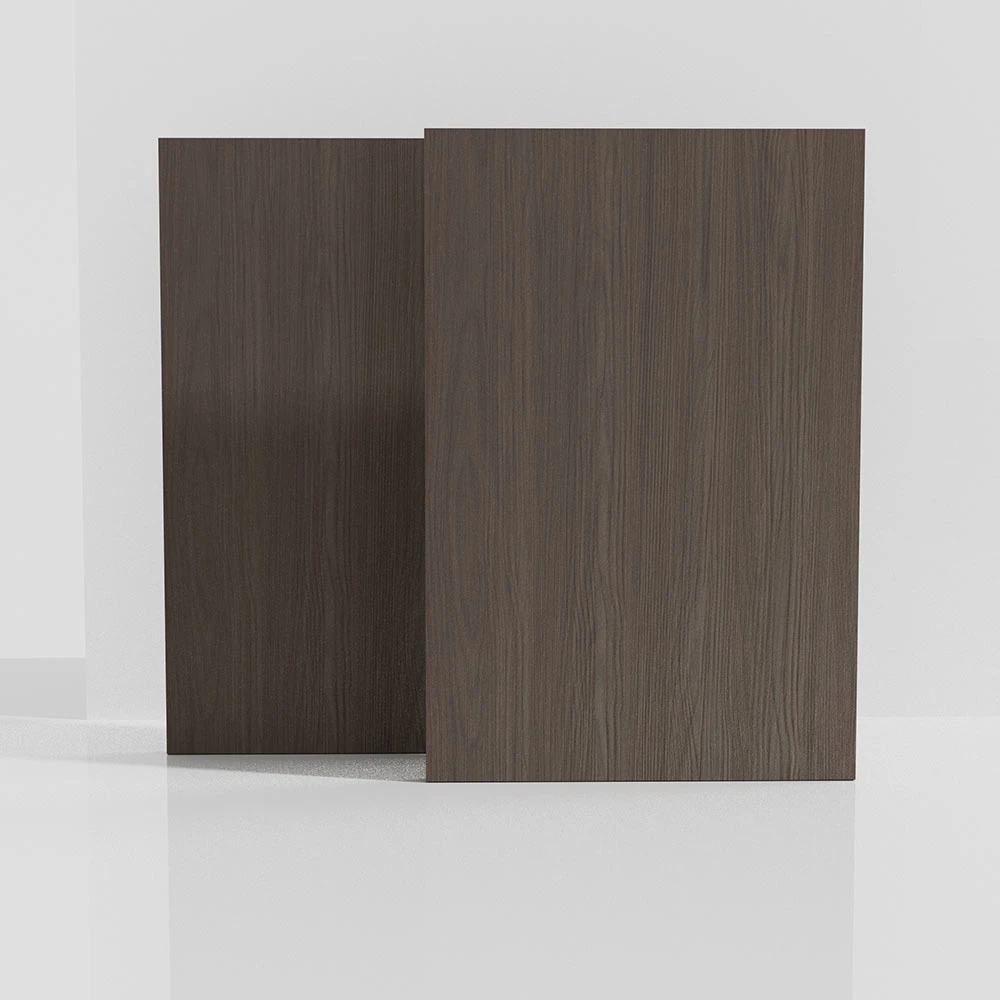
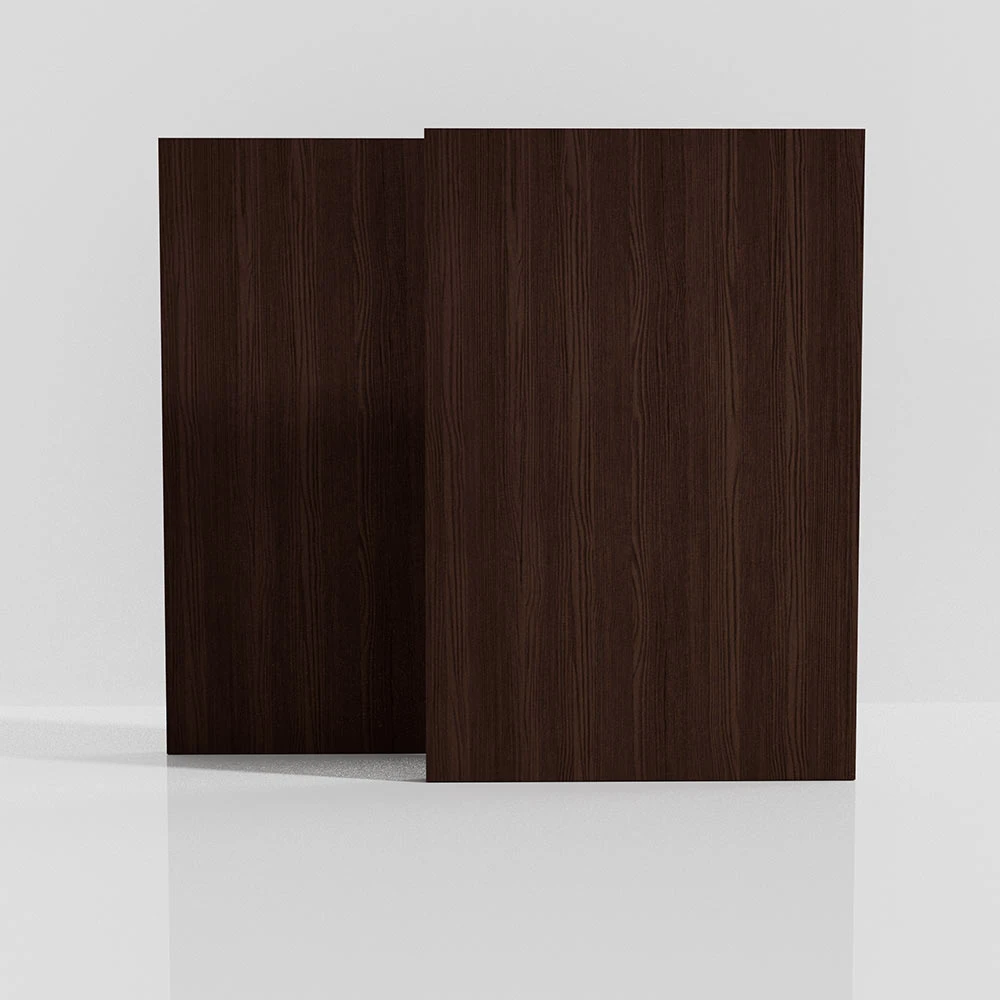
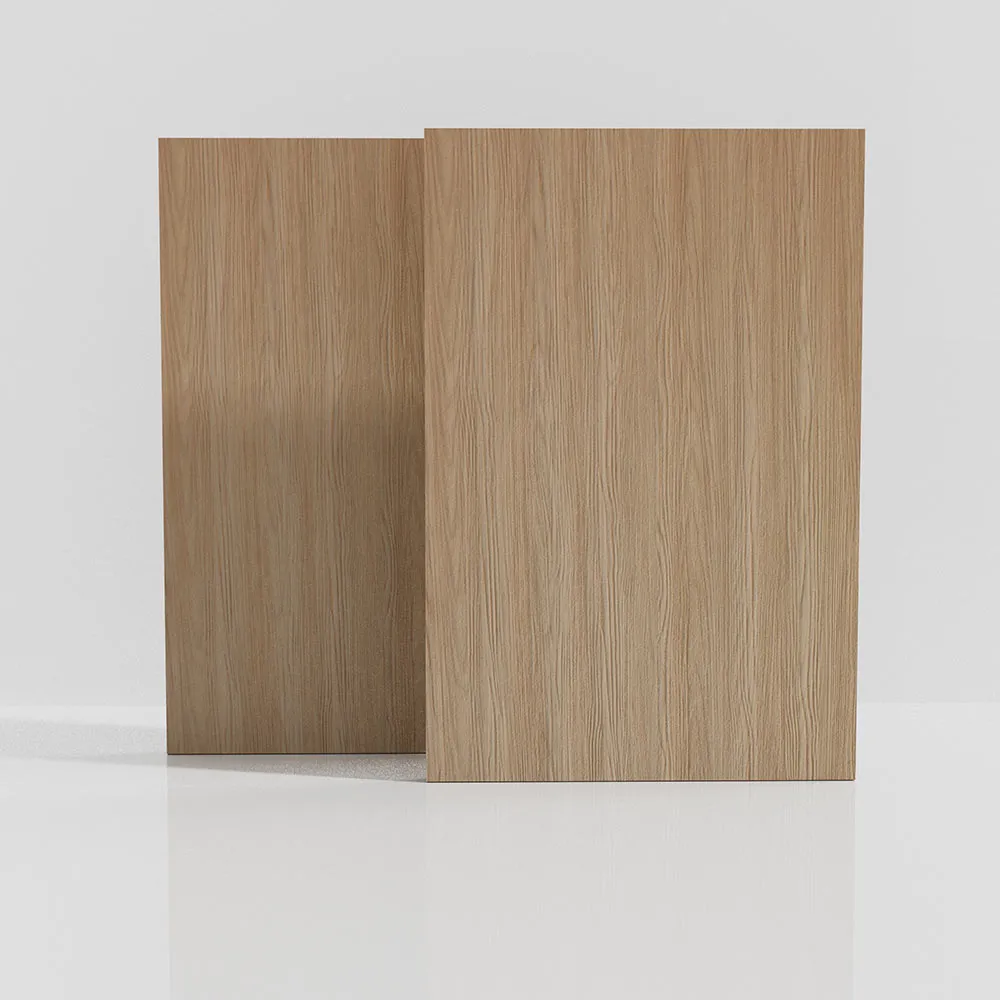
Smooth / Melamine-coated |
Dependent on end use |
| Moisture Resistance |
Standard or MR grade |
Affects price and application |
| Panel Size |
2440 x 1220 mm (Typical) |
Standard sheet size |
| Certifications |
CARB Phase 2, E0/E1 formaldehyde standards |
Safety and emission compliance |
Looking at Vendors: Comparing Pricing and Quality
| Vendor |
Price per Sheet (USD) |
Quality (Rating 1-5) |
Delivery Speed |
Environmental Certification |
| Tengfei MDF |
$12 - $14 |
4.5 |
1–2 weeks |
CARB Phase 2 |
| GlobalWood Supplies |
$13 - $15 |
4.0 |
2–3 weeks |
E1 Certified |
| EcoBoards Intl |
$14 - $16 |
5.0 |
3–4 weeks |
FSC & CARB Phase 2 |
Global Applications & Use Cases of 17mm MDF Board
The 17mm MDF board is no mere commodity—it’s a building block in diverse industries worldwide:
- Furniture Manufacturing: Cabinets, wardrobes, and decorative panels rely on this thickness for strength and smooth finishes.
- Interior Design: Wall paneling and ceiling moldings often use 17mm MDF for its paint-ready surface.
- Retail and Exhibition Stands: Lightweight yet sturdy enough to transport and assemble rapidly in trade shows.
- Educational Institutions: Budget-friendly learning furniture that stands up to wear.
- Post-Disaster Reconstruction: Quick-to-assemble housing frameworks sometimes incorporate MDF as non-structural elements.
For example, in Northern Europe, where environmental concerns dominate, suppliers emphasize eco-friendly certifications at the 17mm MDF board price point—often translating into a premium but accepted cost. In contrast, in developing markets with rapid urbanization in Southeast Asia, cost efficiency is king, so prices stay competitive while quality standards gradually improve.
Mini Takeaway:
The 17mm MDF board price is pivotal for numerous global industries, balancing affordability and performance.
Advantages & Long-Term Value of Choosing the Right MDF Board
Opting for quality 17mm MDF boards brings tangible benefits:
- Cost Efficiency: Compared to solid wood, MDF is less expensive yet offers comparable durability in many applications.
- Sustainability: Utilizes wood fiber waste, promoting reduced deforestation.
- Reliability: Predictable density and surface smoothness ease machining and finishing.
- Social Impact: Affordable housing and furniture components improve living standards globally.
From an emotional standpoint, there’s something reassuring about knowing materials have responsible origins and won’t unexpectedly fail years down the line. I mean, a cabinet falling apart soon after purchase? That’s frustration no one wants.
What's Next? Future Trends Influencing 17mm MDF Board Price
Looking ahead, several innovations might shake up how we perceive this market:
- Green Binders and Bio-Based Resins: Lower formaldehyde emissions might raise prices temporarily but meet growing eco regulations.
- Digital Cutting & Customization: Automated precision machinery reduces waste and custom order costs.
- Recycled MDF Products: Incorporating post-consumer recycled fiber can alter cost models.
- Supply Chain Transparency: Blockchain tracking could guarantee ethical sourcing, adding slight premiums.
It feels like the market is gearing up to redefine value—not just as a price tag but as a full package of quality, ethics, and innovation.
Challenges Faced & How Industry Experts Tackle Them
Of course, MDF production and pricing aren’t without snags:
- Price Volatility: Raw material shortages or disruptions cause unpredictable swings.
- Environmental Concerns: Balancing cost and compliance with evolving regulations is tricky.
- Durability Limits: While sturdy, MDF can sag or swell if improperly sealed or used in humid environments.
Many manufacturers now adopt just-in-time inventory models and invest in R&D to produce water-resistant boards without major price hikes. Partnerships with certified suppliers reduce risks, and end-users are educated about correct installation methods — all balled together to keep that 17mm MDF board price as stable and fair as possible.
FAQ: Your Top Questions About 17mm MDF Board Price
Q1: What factors most impact the 17mm MDF board price fluctuations?
A1: The biggest drivers include raw wood fiber supply, energy costs in factories, transportation expenses, and demand spikes during renovation seasons. Environmental certification requirements may also add to the cost but can open up premium markets.
Q2: How does the 17mm thickness compare to other MDF sizes in terms of cost and usage?
A2: 17mm hits a balance between strength and cost-effectiveness. Thinner boards (e.g., 12mm) are cheaper and lighter but less durable, while thicker ones (e.g., 25mm) may be unnecessarily heavy and costly for certain applications like cabinet backs or shelving.
Q3: Is buying certified eco-friendly 17mm MDF worth the premium?
A3: Yes, if sustainability and indoor air quality are priorities. Certifications like CARB Phase 2 or FSC ensure low formaldehyde emissions and responsible sourcing, which benefits health and environment in the long term.
Q4: Can I expect the 17mm MDF board price to drop significantly with advancements in manufacturing?
A4: Possibly, but improvements often come alongside stricter quality or environmental compliance, which can offset raw cost savings. Expect more stable pricing rather than drastic cuts.
Q5: Where can I source competitive and reliable 17mm MDF boards easily?
A5: Trusted suppliers like Tengfei MDF offer good balance of pricing, quality, and delivery times—ideal for both small businesses and large projects.
Wrapping It Up: Why Keep an Eye on 17mm MDF Board Price?
Knowing about the 17mm MDF board price isn’t just for procurement teams or distributors. It reflects broader trends in sustainability, manufacturing innovation, and global trade dynamics. As building preferences shift towards eco-conscious, cost-efficient materials, this price point will continue to shape many areas — from your local furniture shop to international relief housing.
Want to stay updated and make smarter buying decisions? Visit us at https://www.tengfeiebmdf.com and browse the latest specifications and market insights.
Final Thought:
The 17mm MDF board price is sort of a quiet bellwether: not flashy, but full of stories if you listen closely.
References:
- Wikipedia: Medium-density fibreboard
- World Bank: Urbanization
- United Nations: Sustainable Wood Products