Understanding MDF Fire Board: A Game-Changer in Modern Construction and Safety
When you hear the term mdf fire board, it might sound like yet another technical product launched into the complex world of building materials. But here’s the thing: this board matters a lot, beyond just a niche construction jargon. In today’s era of rapidly changing climate risks and heightened fire safety standards globally, understanding materials like MDF (Medium-Density Fiberboard) fire boards isn’t just industry-specific—it’s a matter that affects public safety, sustainability, and innovation in building design. In this article, I’ll walk you through why this product deserves your attention and how it plays a role in saving lives and reshaping construction on multiple continents.
Global Context: Why MDF Fire Board Matters Now
Worldwide, fires in homes, industrial areas, and public infrastructures cause devastating losses — according to the United Nations, fire safety incidents lead to thousands of deaths and billions USD in damage every year. With rapid urbanization, especially in developing economies, the demand for fire-resistant materials skyrockets. Governments and industries push for stricter regulations backed by ISO guidelines, making flame retardant and fire-resistant building components, such as MDF fire board, crucial in reducing fire hazards.
What’s interesting? Despite advances in fire science, many traditional wood-based materials simply can’t keep up with these new challenges due to their combustibility. This is where innovations in MDF fire board stand out — combining familiar structural properties with enhanced fire resistance.
Mini takeaway: MDF fire board sits at the intersection of safety innovation and global housing needs, especially in urban and industrial growth hubs.
What Exactly Is MDF Fire Board?
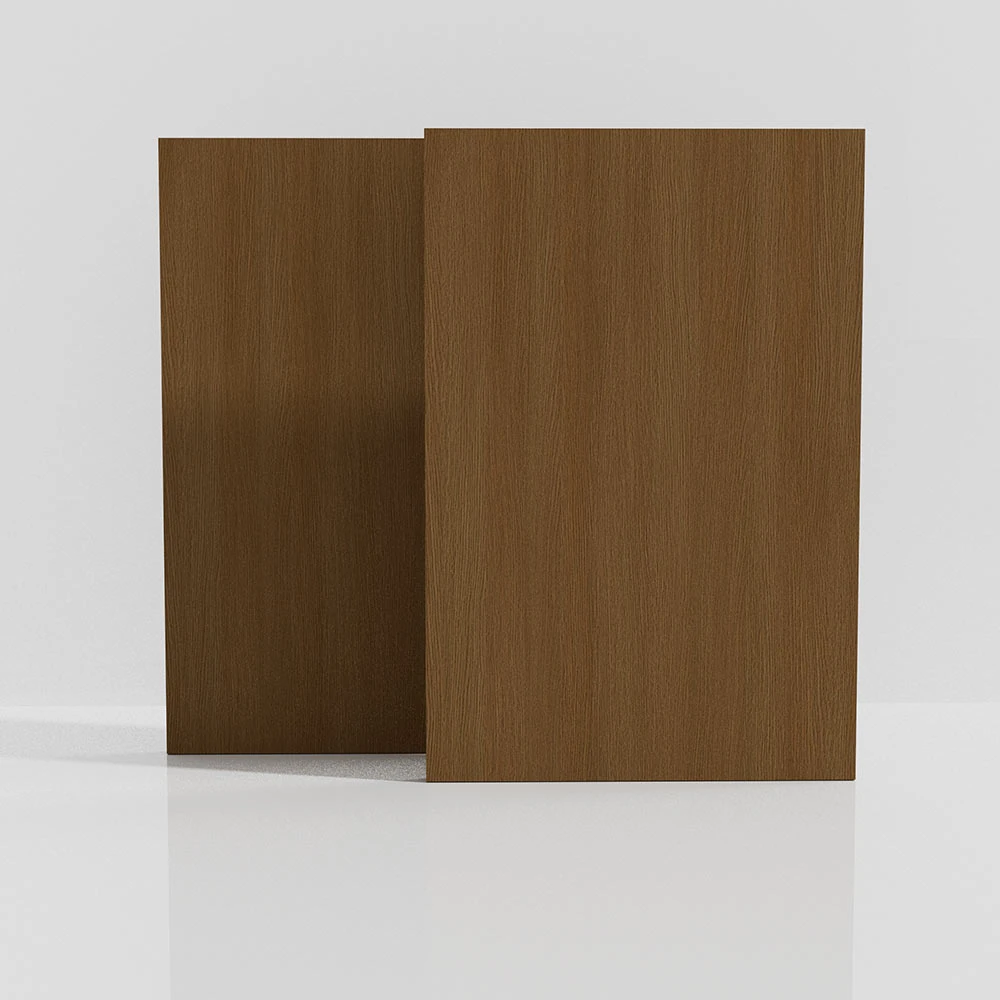
Simply put, MDF fire board is a type of medium-density fiberboard engineered with additives or treatments that improve its resistance to fire. While conventional MDF is a panel product made from wood fibers glued under heat and pressure, the “fire” variant incorporates fire-retardant chemicals or mineral layers that slow down combustion and limit smoke production.
This product is widely used in modern construction — walls, ceilings, furniture panels, and even fire-rated doors. It helps architects and engineers meet stringent fire codes without sacrificing the versatility MDF offers.
Oddly enough, while fire-resistant boards sound technical, think about its humanitarian angle: in post-disaster shelters, hospitals, or even schools, using materials that won’t fuel a fire saves lives and property.
Key Features of MDF Fire Board You Should Know
1. Fire Resistance and Safety
The primary feature, obviously, is its ability to resist ignition and flame spread. This means it can delay fire penetration compared to standard MDF. Many MDF fire boards achieve class B or even class A fire rating standards, reflecting high performance in real fire scenarios.
2. Durability and Structural Integrity
Despite the additives or mineral coatings, MDF fire boards maintain an impressive physical strength and surface smoothness for easy finishing. They don’t warp or splinter easily, which means safer, longer-lasting installations.
3. Moisture and Mold Resistance
Some variants come with enhanced moisture resistance, which helps prevent mold growth—critical in humid climates or building interiors like bathrooms.
4. Cost Efficiency and Availability
Compared to specialty fireproof materials, MDF fire board is generally affordable and widely available, especially in markets like Asia and Europe. This makes it a feasible choice for large-scale projects without breaking the budget.
5. Ease of Workability
Just like standard MDF, fireboards can be cut, drilled, and shaped with typical woodworking tools, which is a big plus for customization on-site.
Typical MDF Fire Board Specifications
| Property |
Value / Range |
Notes |
| Thickness |
6 mm to 25 mm |
Varies by application |
| Density |
700 - 900 kg/m³ |
Standard MDF density range |
| Fire Rating |
Class A or B |
According to ASTM E84 or EN 13501-1 |
| Formaldehyde Emissions |
E0 to E1 |
Lower emissions for indoor air quality |
| Moisture Resistance |
Up to 12% moisture content |
Depends on treatment |
mdf fire board manufacturers usually provide custom options depending on project requirements, but these specs serve as a solid baseline.
Real-World Applications: Where and How MDF Fire Board Changes the Game
Let’s talk about the places where MDF fire board makes an actual difference. Oddly enough, you’ll find it popping up in more contexts than you might imagine.
- Urban Residential Buildings: In areas with strict fire safety codes, developers use MDF fire boards in interior walls and cabinetry to improve safety without bumping up costs substantially.
- Hospitals and Schools: Facilities with high occupancies require fire ratings to minimize risks. MDF fire board’s hygienic surface and fire properties are a clear win.
- Post-Disaster Relief Housing: NGOs often employ MDF fire board panels for quick assembly shelters that resist flame spread, supporting both safety and dignity in recovery zones.
- Industrial Facilities: In factories and mines, fireboard inventories protect sensitive areas where sparks or heat are accidental but common risks.
Regions like Southeast Asia and Europe are leading adopters, largely due to regulatory environments and local availability. This uptake helps drive innovation and economies of scale.
Mini takeaway: From everyday homes to emergency shelters, MDF fire boards ensure safety without losing sight of comfort or practicality.
The Advantage: More than Just Fire Resistance
It’s tempting to think MDF fire boards are just about ticking a safety box, but if you look deeper, their value paints a broader picture:
- Cost Savings Over Time: Safer materials reduce insurance premiums and fire damages, a huge factor especially in commercial and multi-resident properties.
- Sustainability: Many modern MDF fireboards use recycled wood fibers and low-emission adhesives, aligning with rising ecological standards globally.
- Social Impact: Products like these help communities rebuild safer post-disaster, improving quality of life and reducing fatalities.
- Design Flexibility: They offer a blank canvas for interior designers who want stylish yet safe materials.
What’s Next? Future Trends in MDF Fire Board
Materials science never rests. Fresh R&D is pushing fireboards further—looking at nano-coatings that make surfaces effectively self-extinguishing, or integrating sensors to detect early fires. Environmental policies are steering production to lower carbon footprints, urging use of bio-based additives.
Automation in manufacturing may soon allow on-demand custom-sized boards that feel tailored to each project, reducing waste. These innovations are not just futuristic fluff; they already influence some pilot programs in Europe and Asia.
Challenges and Expert Solutions
Of course, it’s not perfect. Some limitations include:
- Chemical Additives Longevity: Some fire retardants degrade over years, potentially reducing board effectiveness.
- Environmental Concerns: Although improving, fire retardant chemicals remain a concern for sustainable disposal and indoor air quality.
- Cost vs. Performance Balance: Higher-grade fire boards can be pricey, limiting access in certain budgets.
Experts recommend combining MDF fire board with passive fire protection measures—like sprinkler systems and fire barriers—and encourage lifecycle testing to ensure long-term safety.
Vendor Comparison: Picking the Right MDF Fire Board Supplier
Top Vendors of MDF Fire Board
| Vendor |
Fire Rating |
Availability |
Price Range |
Customization |
| Tengfei MDF |
Class A |
Global (Asia focus) |
$$ |
High (thickness, coatings) |
| SafeBoard Inc. |
Class B |
North America, Europe |
$$$ |
Medium (standard sizes) |
| EcoFiber Boards |
Class A/B |
Europe, Asia |
$ |
Limited |
Frequently Asked Questions About MDF Fire Board
- Q: How does MDF fire board compare to traditional plywood in fire resistance?
- A: MDF fire board usually contains fire-retardant additives that plywood lacks, significantly improving its flame resistance and slowing down fire spread. Plywood is more combustible unless specially treated.
- Q: Can MDF fire board be used outdoors safely?
- A: Standard MDF fire boards are primarily for interior use. Moisture-resistant variants exist, but prolonged outdoor exposure requires additional waterproofing or coatings to prevent damage.
- Q: What maintenance is necessary for MDF fire board installations?
- A: Regular inspection for moisture damage and surface integrity is recommended. Cleaning should avoid harsh chemicals that might degrade fire retardants.
- Q: Are MDF fire boards environmentally friendly?
- A: While using recycled wood fibers is common, fire retardants may raise environmental concerns. Choosing low-emission, eco-certified products improves sustainability.
- Q: How can I source MDF fire board internationally for a large construction project?
- A: Collaborate with trusted manufacturers like mdf fire board providers who handle export logistics, certification, and on-time delivery globally.
Summing It Up: Why MDF Fire Board Is a Smart Choice for Safer Futures
Looking back at what we’ve covered, it’s easy to see that MDF fire board isn’t just another product. It’s a cornerstone material empowering builders and planners worldwide to craft safer, durable, and affordable environments. The balance between traditional fiberboard’s workability and modern fire resistance makes it a material that just feels right for today’s challenges.
If your next project calls for responsible fire safety and quality building materials, consider exploring mdf fire board. It might just be the silent hero protecting spaces and saving lives.
References
- United Nations Climate Change and Safety Reports
- Wikipedia: Medium-density fiberboard
- ISO Standards for Fire Testing of Building Materials