The Industrial Reality of MDF Fiber Board
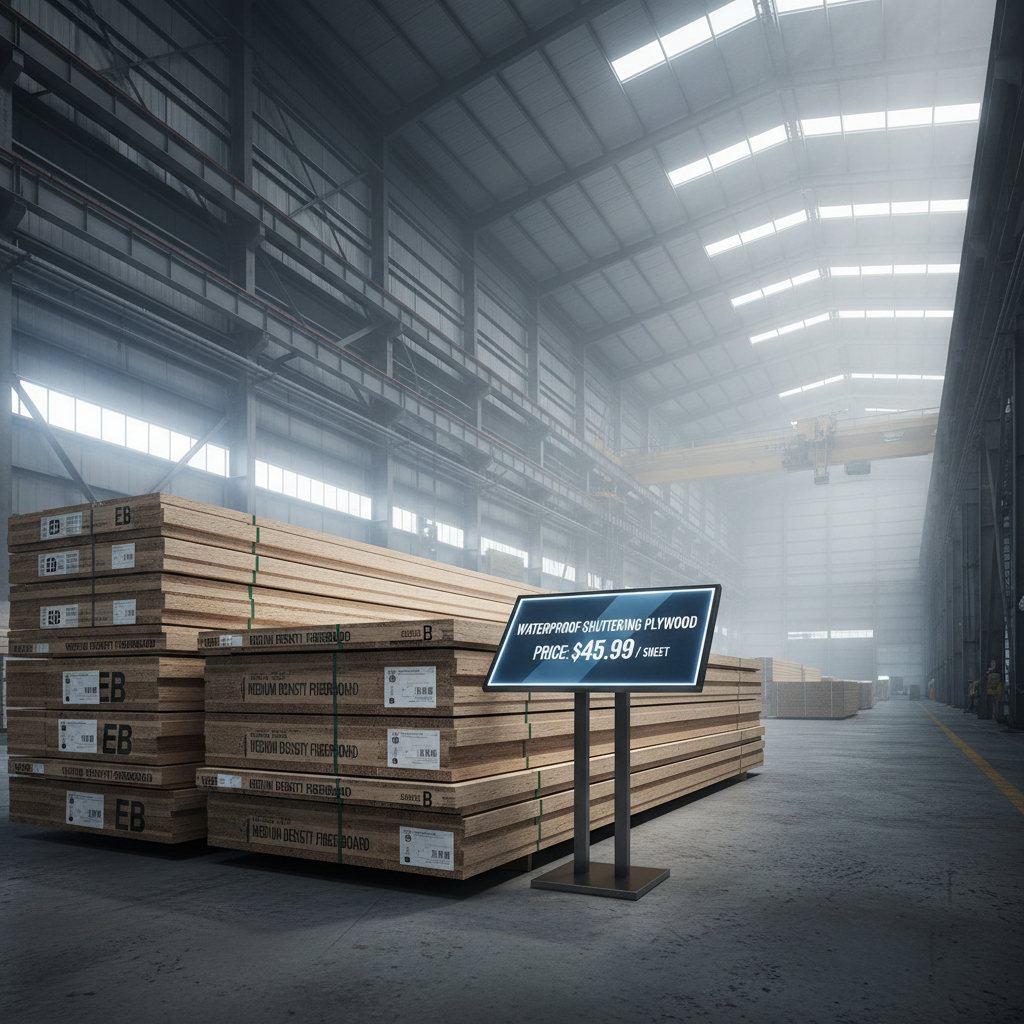
Having spent well over a decade circling in warehouses, factories, and design studios, I’ve seen my fair share of materials come in and out of vogue. But few have stuck around with such quiet resilience as MDF fiber board. Oddly enough, it’s one of those materials that feels like the workhorse you only really notice when it’s missing.
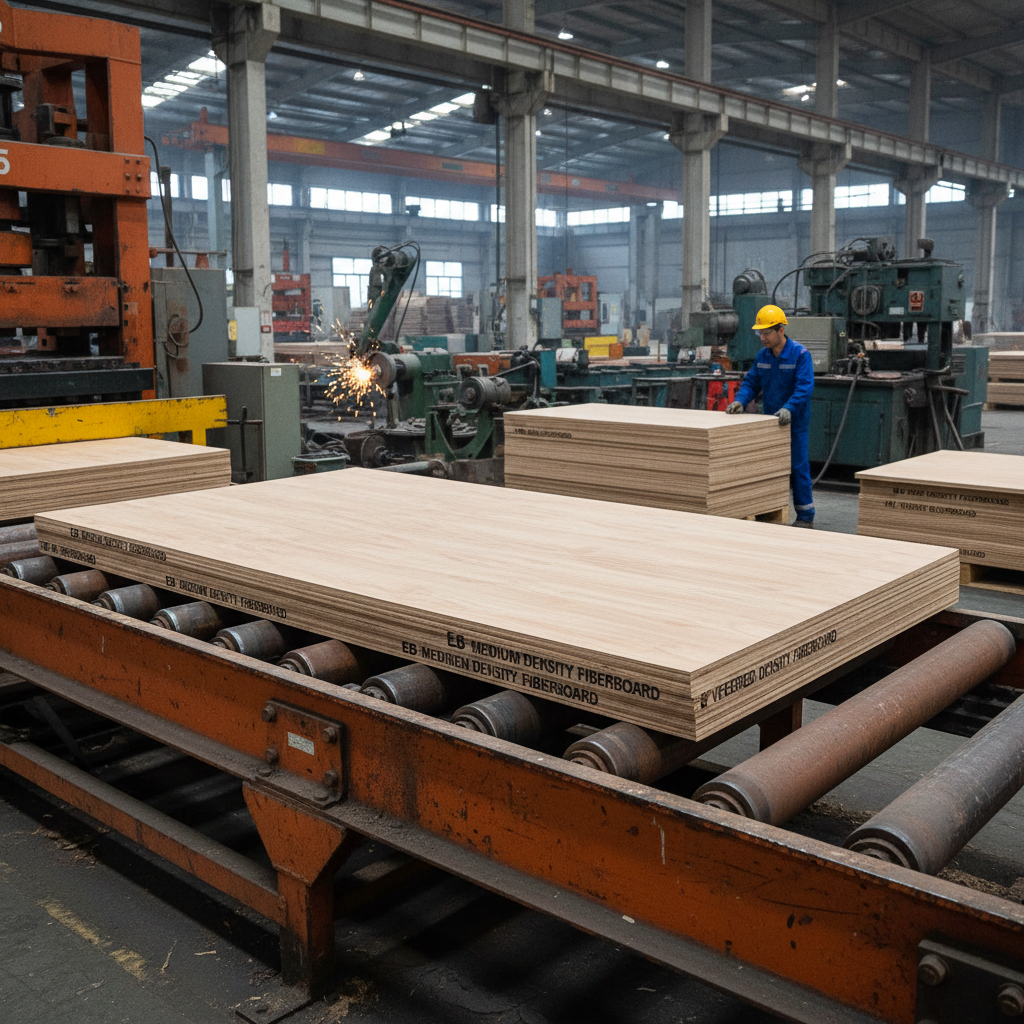
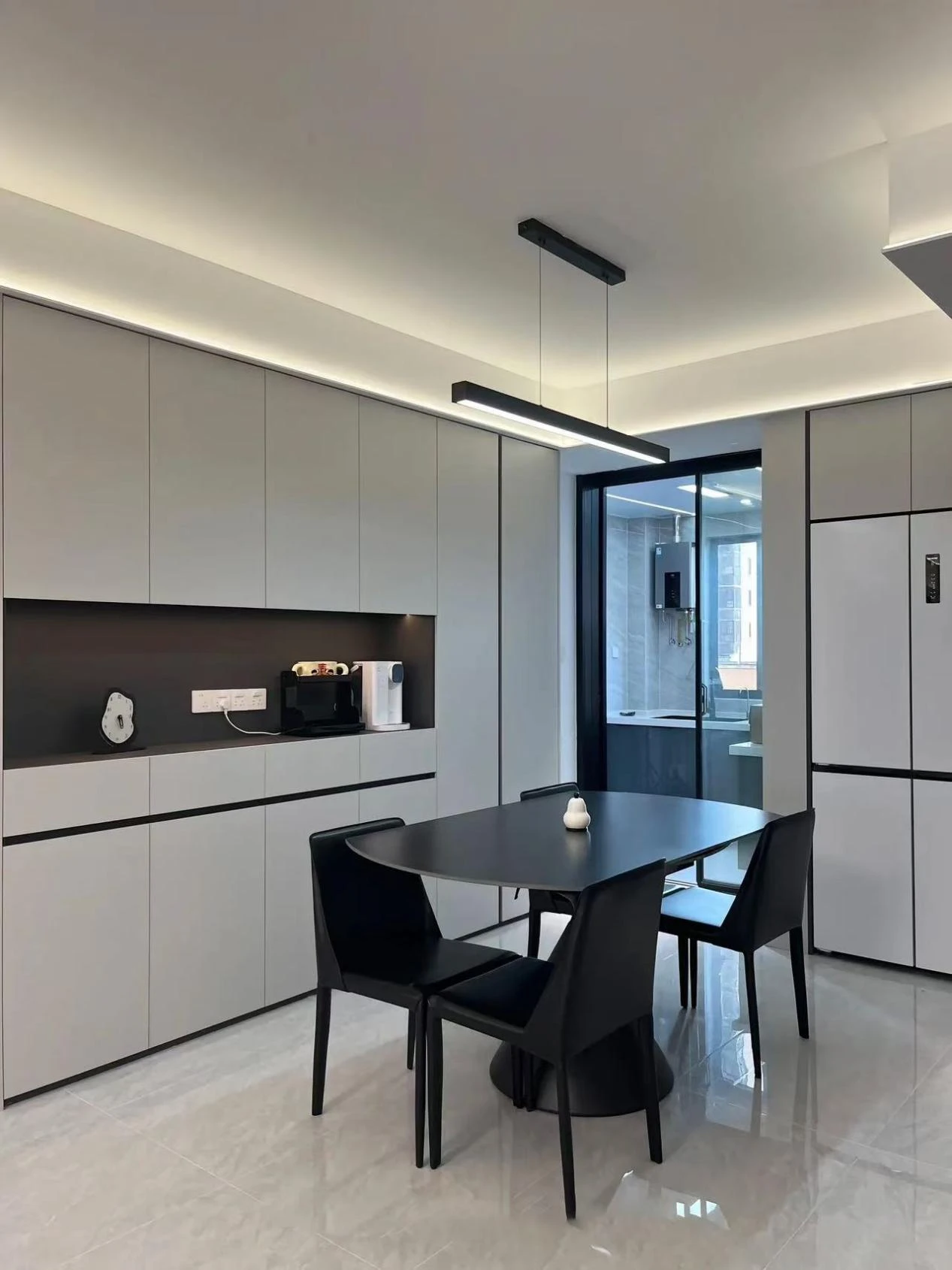
From custom cabinets to elaborate industrial paneling, this engineered wood hybrid has carved a niche that blends affordability with surprising strength. I recall a project about five years back—the company needed a custom-fit interior for a factory control booth, something that wasn’t just rugged but also easy to machine. MDF was the answer, and still is.
Why MDF Fiber Board Remains a Trusted Choice
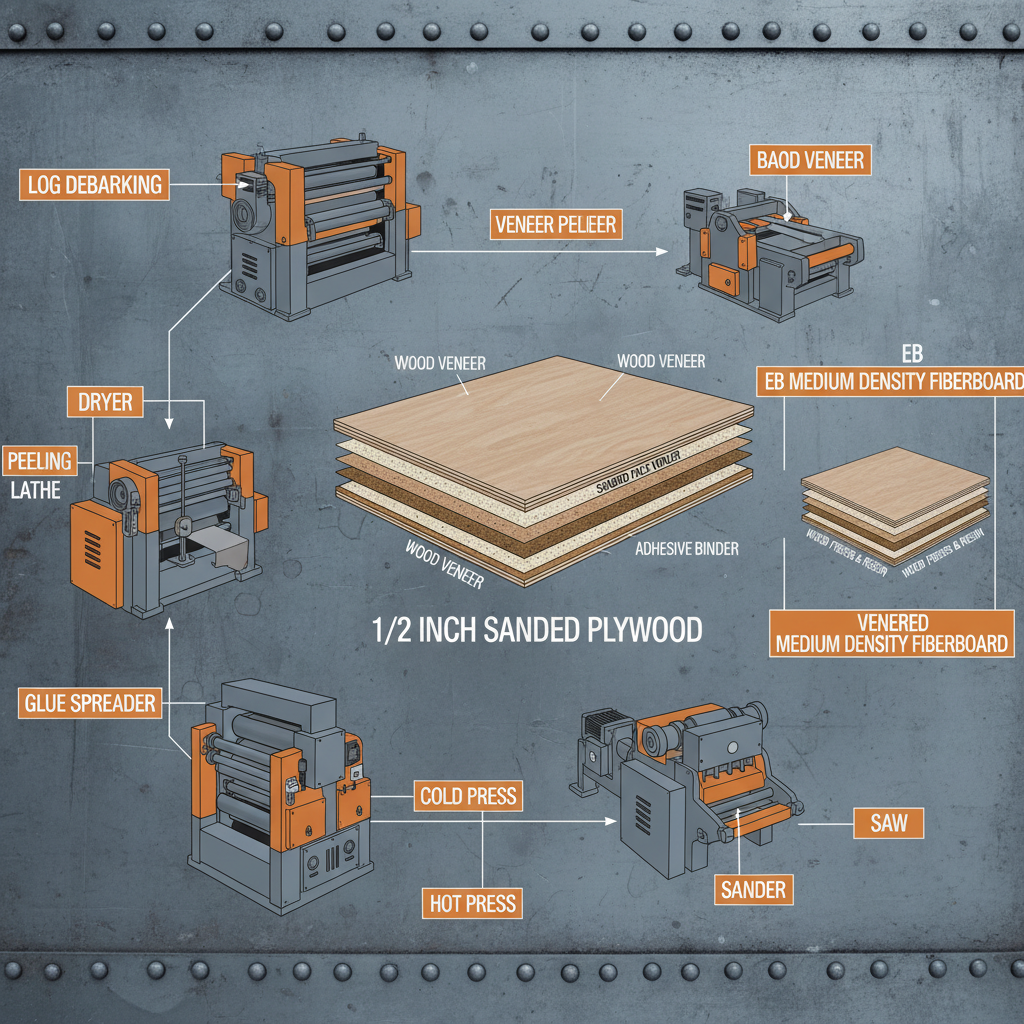
Let’s cut through the jargon for a moment. MDF, or medium-density fiberboard, is a composite material made by breaking down hardwood or softwood residuals into wood fibers, combining it with wax and resin binders, and forming panels under high temperature and pressure. It’s denser than plywood, smoother than particleboard, and—wonderfully—pretty consistent throughout.
You might wonder: why not solid wood? Frankly, solid timber varies too much. It warps, knots get in the way, and prices fluctuate wildly. MDF packs a predictable, steady punch. Many engineers and designers echo this sentiment—its uniformity means less guesswork, especially when you’re cutting intricate designs or drilling holes.
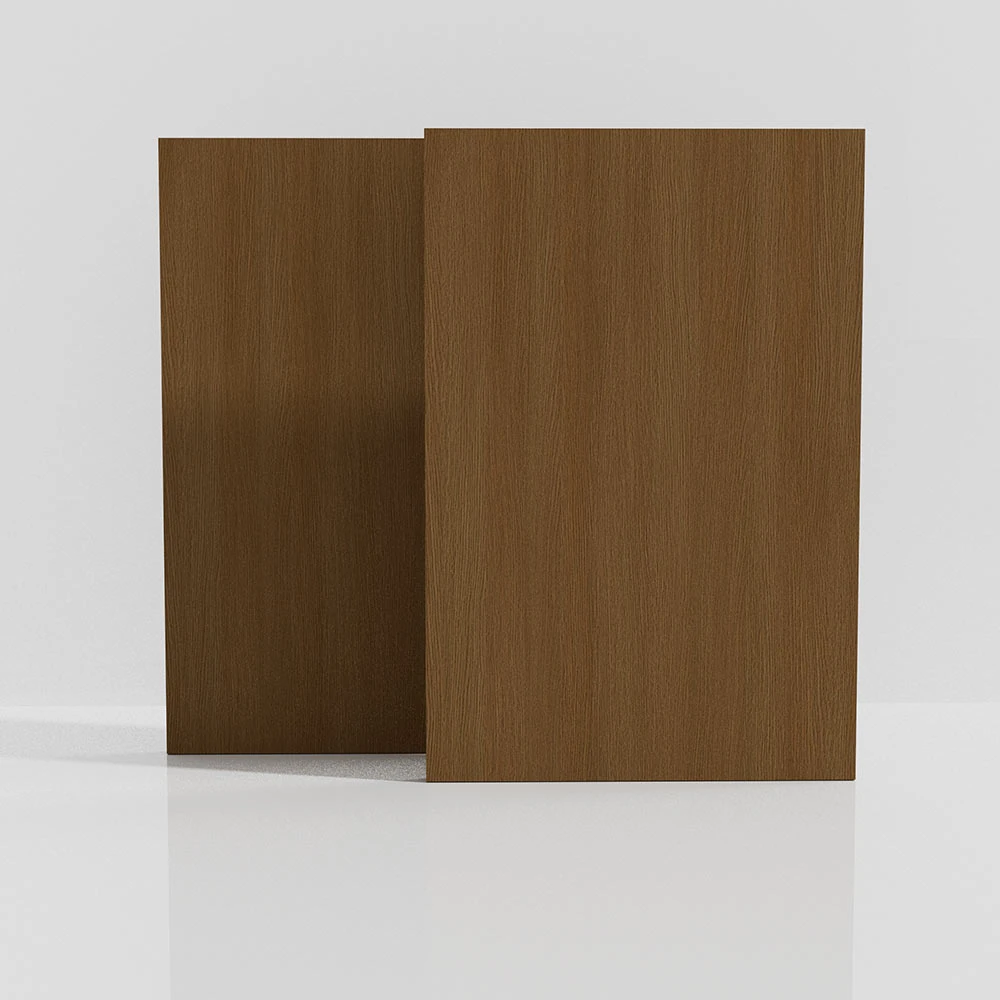
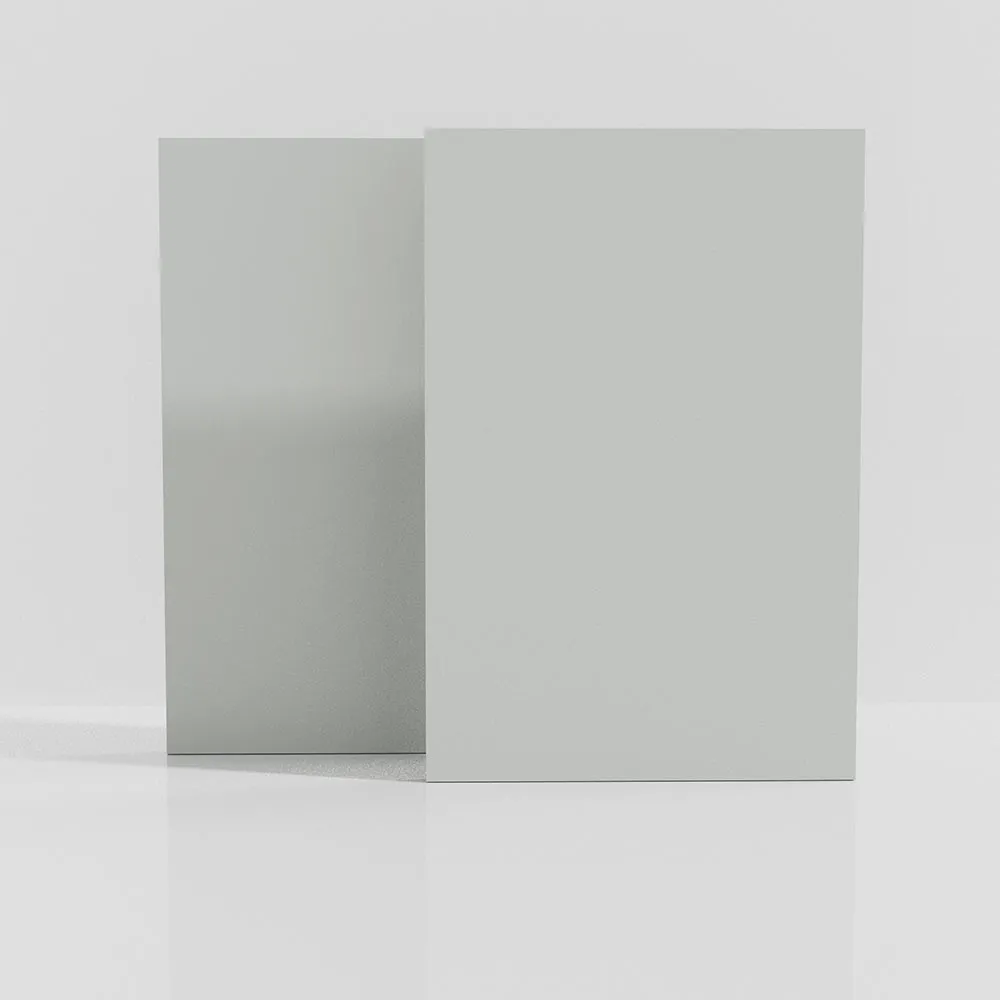
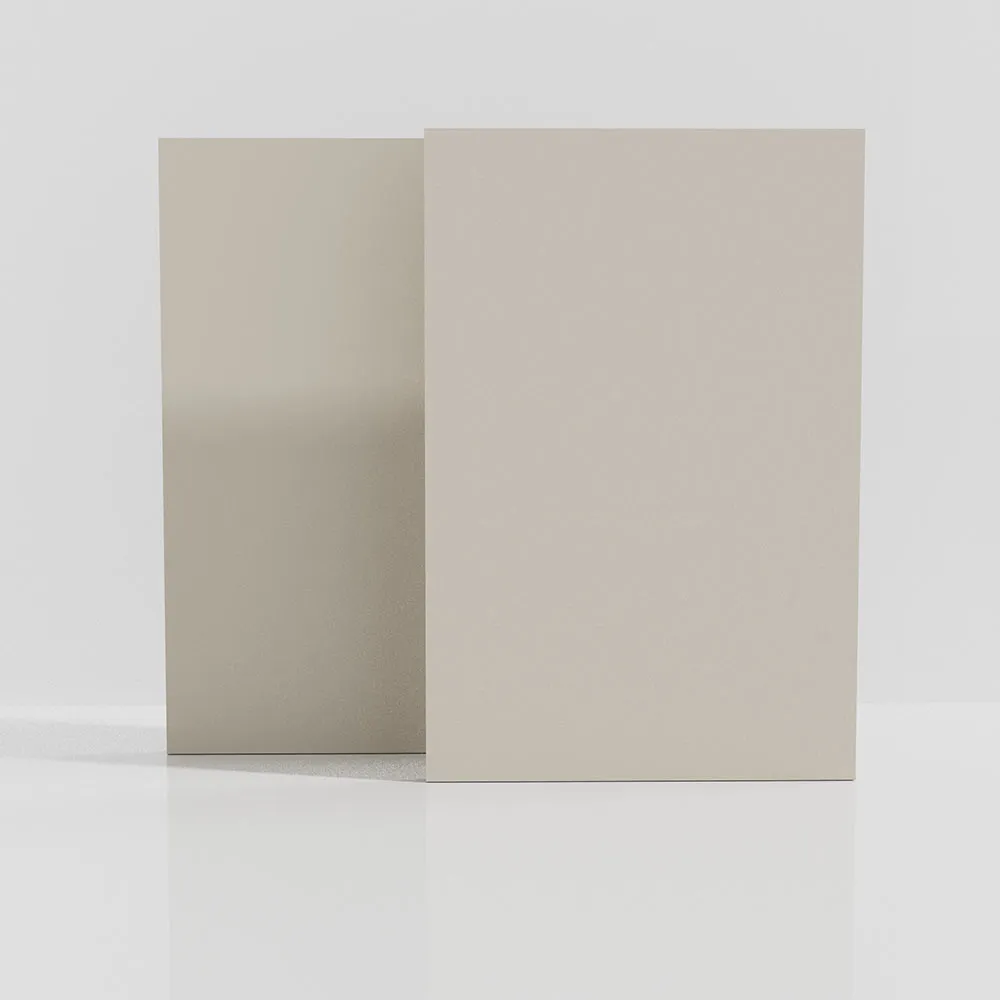
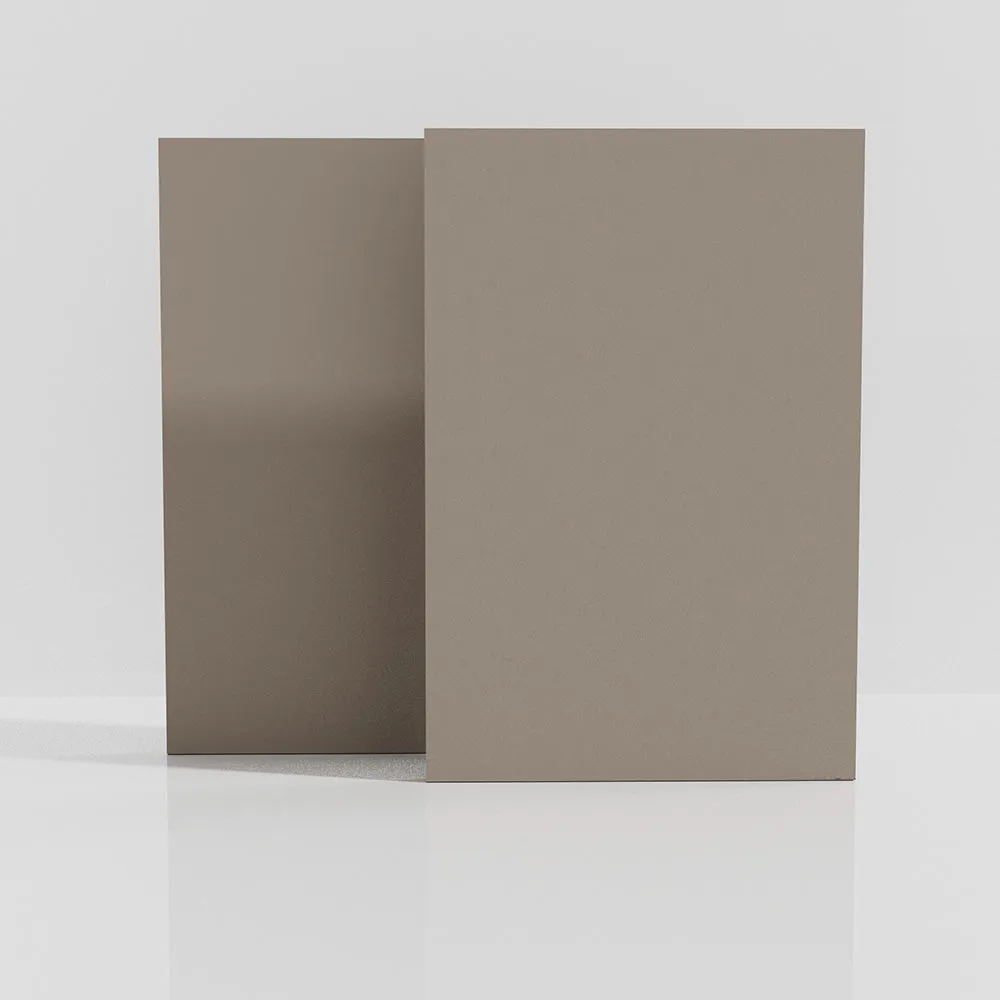
The stuff machines like a dream. Routing edges, shaping curves, or sanding flat surfaces—MDF often outperforms natural woods because it doesn't splinter. Plus, it's a blank canvas for veneers, laminates, and paints, making it the chameleon of the woodworking world.
Product Specifications to Consider
| Specification |
Typical Range |
| Density |
600 - 800 kg/m³ |
| Thickness |
2 mm to 40 mm (standard 12, 16, 18 mm) |
| Modulus of Rupture (MOR) |
20 - 40 MPa |
| Moisture Resistance |
Standard & Moisture-Resistant Grades |
| Surface Finish |
Smooth, easy to paint/veneers |
Choosing the Right Vendor for MDF Fiber Board
There’s definitely a bunch of suppliers out there, each with their own claims about quality and pricing. In my experience, price shouldn’t be the only factor, though it often is. More crucial is consistency and customization. Some vendors offer moisture-resistant versions, others have ultra-thick panels, and a few push the envelope with eco-certified products.
Below is a quick real-world snapshot comparing three well-known vendors. It’s roughly based on feedback from peers and personal runs with samples:
| Vendor |
Price per m² |
Customization Options |
Eco-certification |
Lead Time |
| Tengfei |
$$ |
Wide (thickness, moisture-resistant) |
Yes (FSC certified) |
2-3 weeks |
| Hengli |
$ |
Limited |
No |
1-2 weeks |
| GreenWood Panel Co. |
$$$ |
Custom majors (eco-friendly focus) |
Strict (FSC + CARB compliant) |
4-5 weeks |
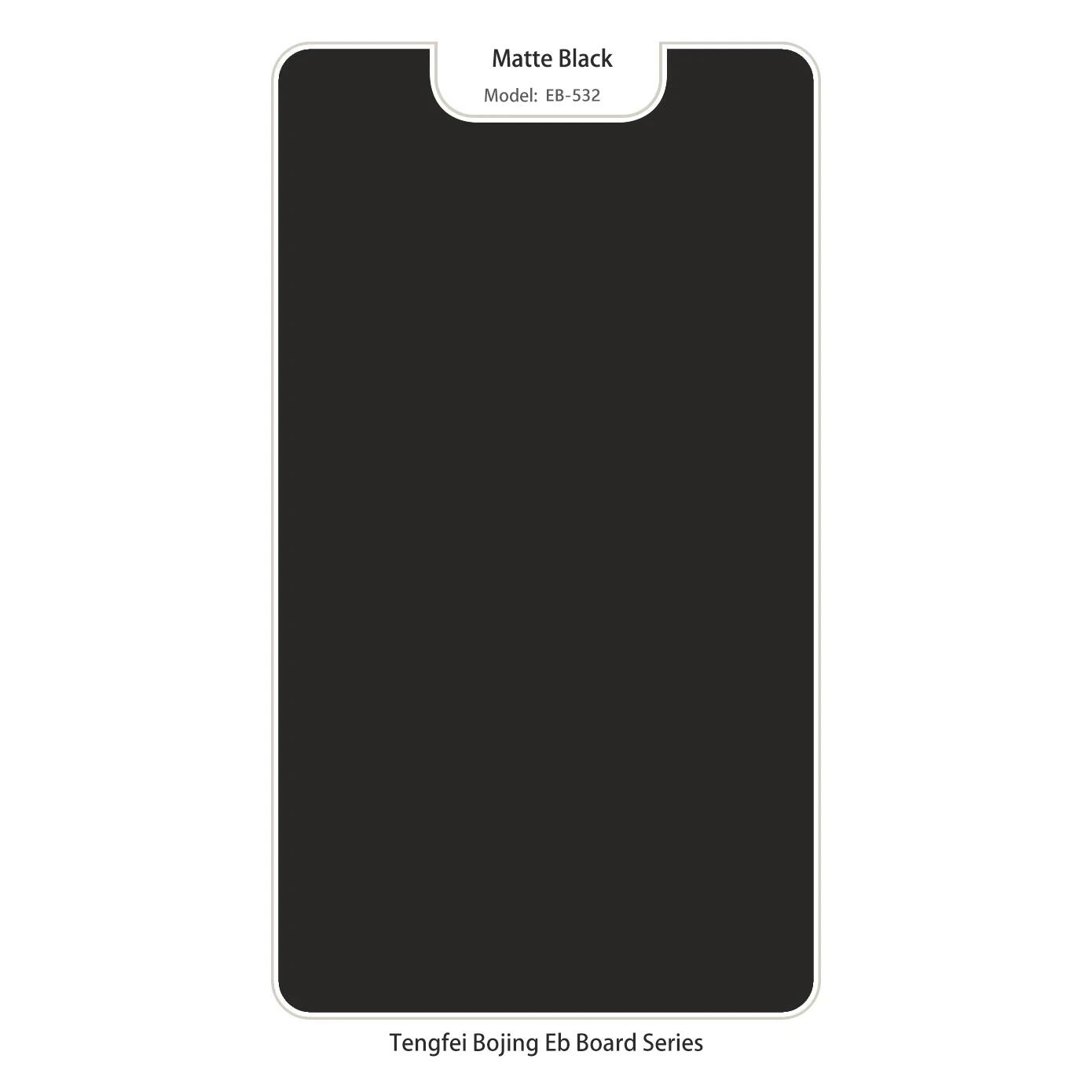
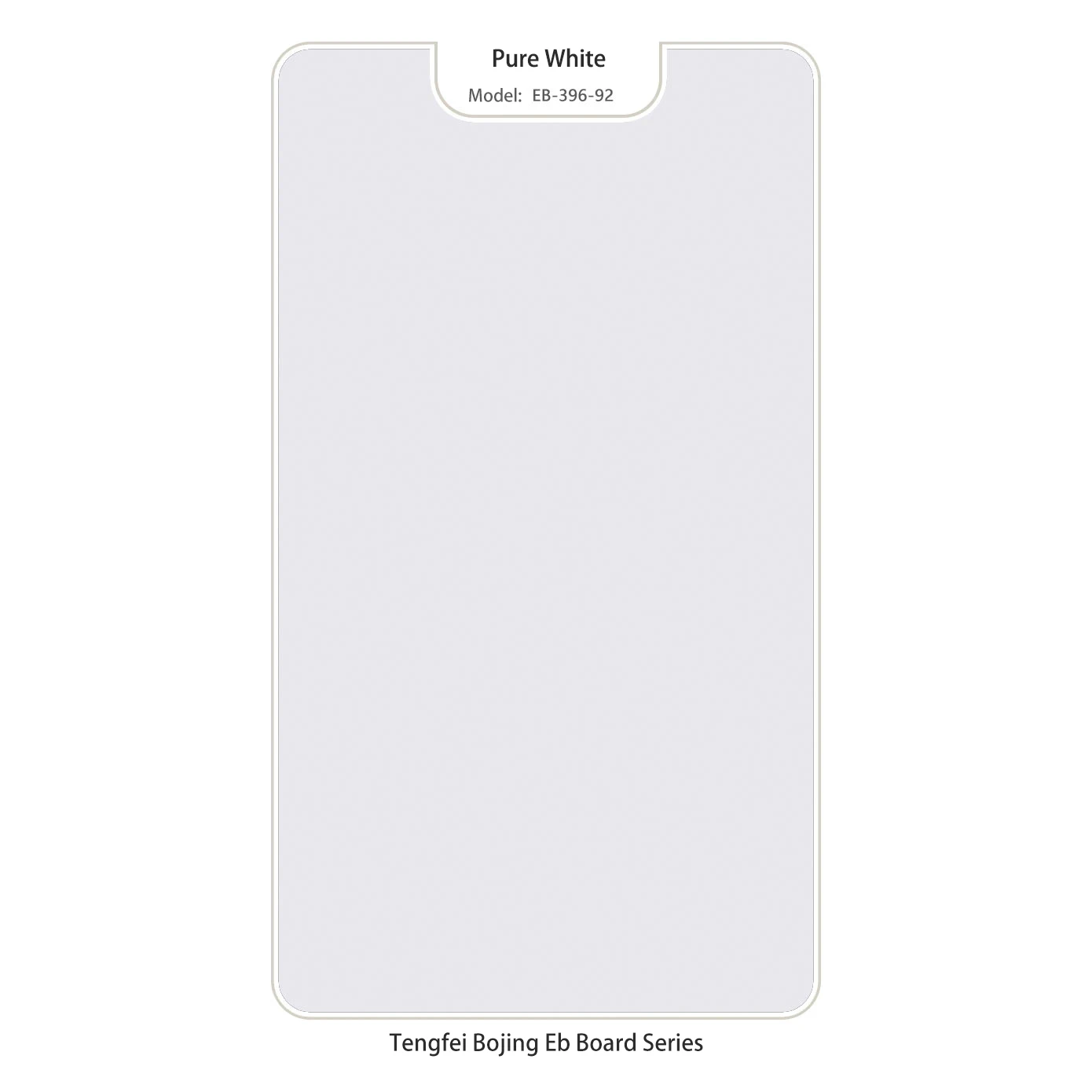
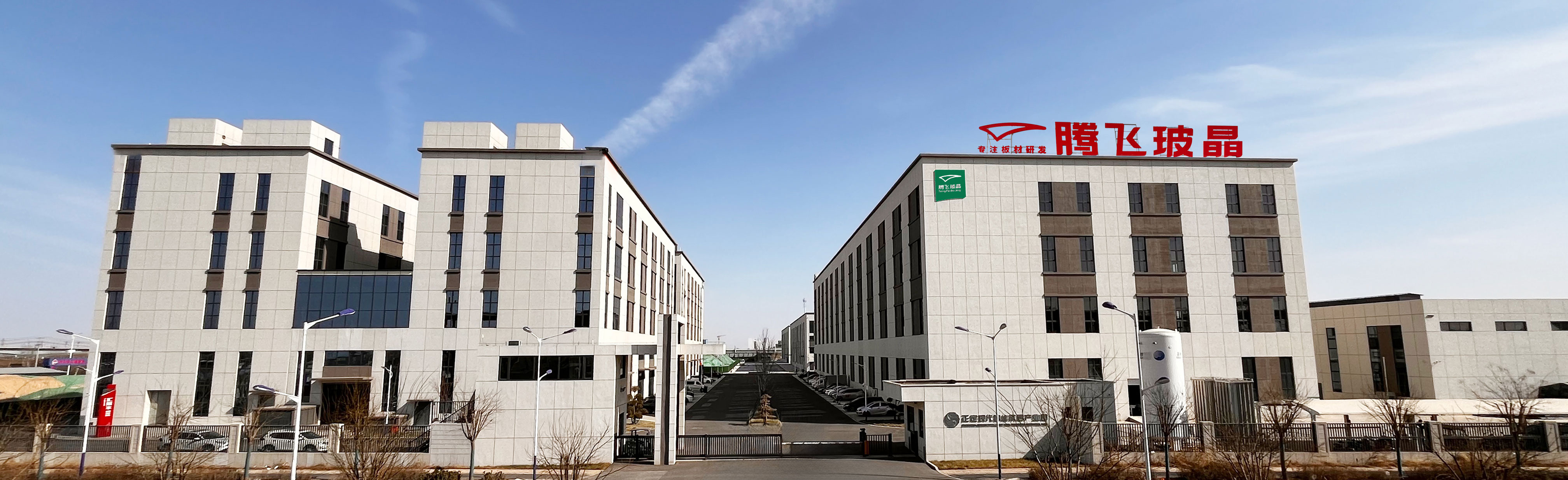
In an actual production environment, I’ve noticed Tengfei's panels often land just right for most industrial purposes—a solid middle ground. They offer a good balance of quality and price, and their eco-certifications are a nice bonus when customers start steering towards sustainability. Hengli’s budget-friendly boards might suit simpler, budget-restricted projects, while GreenWood is for those willing to wait and pay a premium for green credentials.
Reflections on Working with MDF Fiber Board
To be honest, MDF fiber board isn’t flashy. It doesn’t turn heads like exotic hardwood or high-end laminates. But it reliably turns ideas into reality with fewer surprises. If you’ve ever dealt with warped plywood on the factory floor, you know the kind of headaches that don’t come with MDF.
One thing I’ve learned is that knowing your supplier means everything. For instance, last year, a team I was consulting for switched from a local MDF to the MDF fiber board from Tengfei, and their production line smoothed out noticeably. Less rejects, cleaner edges, and better paint finish—tiny wins add up to a lot.
So, if you’re considering MDF fiber board for your next project, think about the specs that truly matter to you—thickness, moisture resistance, and finish—and find a vendor who can deliver those consistently. The material’s versatility may just surprise you.
References & musings:
- Industrial Wood Composites Handbook, 2021 Edition
- Case Study: Modular Factory Interiors with MDF - WoodWorks Journal, 2019
- Vendor feedback and product trials, personal notes, 2022-2024