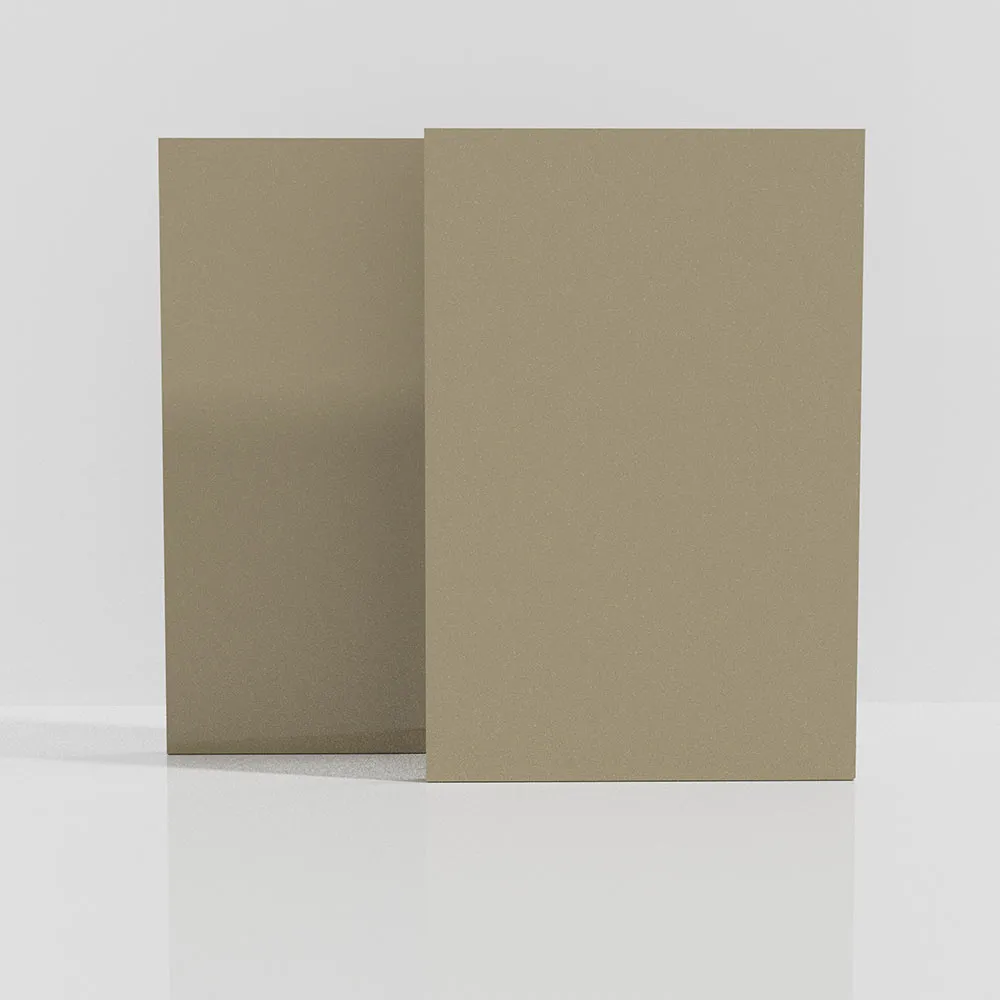
Understanding Plain MDF Board: Why It Matters Today
When you hear the term plain MDF board, you might just think of some generic wood panel sitting in a workshop. But in reality, it’s a global game-changer across industries from construction to furniture making, and even humanitarian relief. Why? Because it offers a predictable, cost-effective alternative to natural wood that meets ever-growing demands for affordability, sustainability, and versatility worldwide.
In a world facing timber shortages—remember, global forest resources have been under pressure with the UN reporting ongoing deforestation concerns—and increasing pressure to build smarter and greener, knowing your materials inside out can unlock huge gains. MDF, or medium-density fiberboard, especially the plain kind that’s unfinished and ready for customization, ticks many of those boxes.
The Global Stage for Plain MDF Board
Globally, the wood-based panel market is projected to see steady growth, driven largely by the rising demand for engineered wood products. According to the International Organization for Standardization (ISO), MDF boards account for a significant chunk of this market due to their uniformity and adaptability. Industrialized nations and emerging markets both bank on the stability MDF offers for producing everyday essentials.
Yet, with growing environmental concerns and changing supply chains, the challenge is optimizing how we use sources like plain MDF board without compromising quality or sustainability. This sustainability challenge is no small feat—it's about balancing cost, functionality, carbon footprint, and societal impact.
Mini takeaway:
Plain MDF board’s importance spans beyond simple wood products; it is a cornerstone in modern sustainable manufacturing and supply chain resilience.
What Exactly is Plain MDF Board?
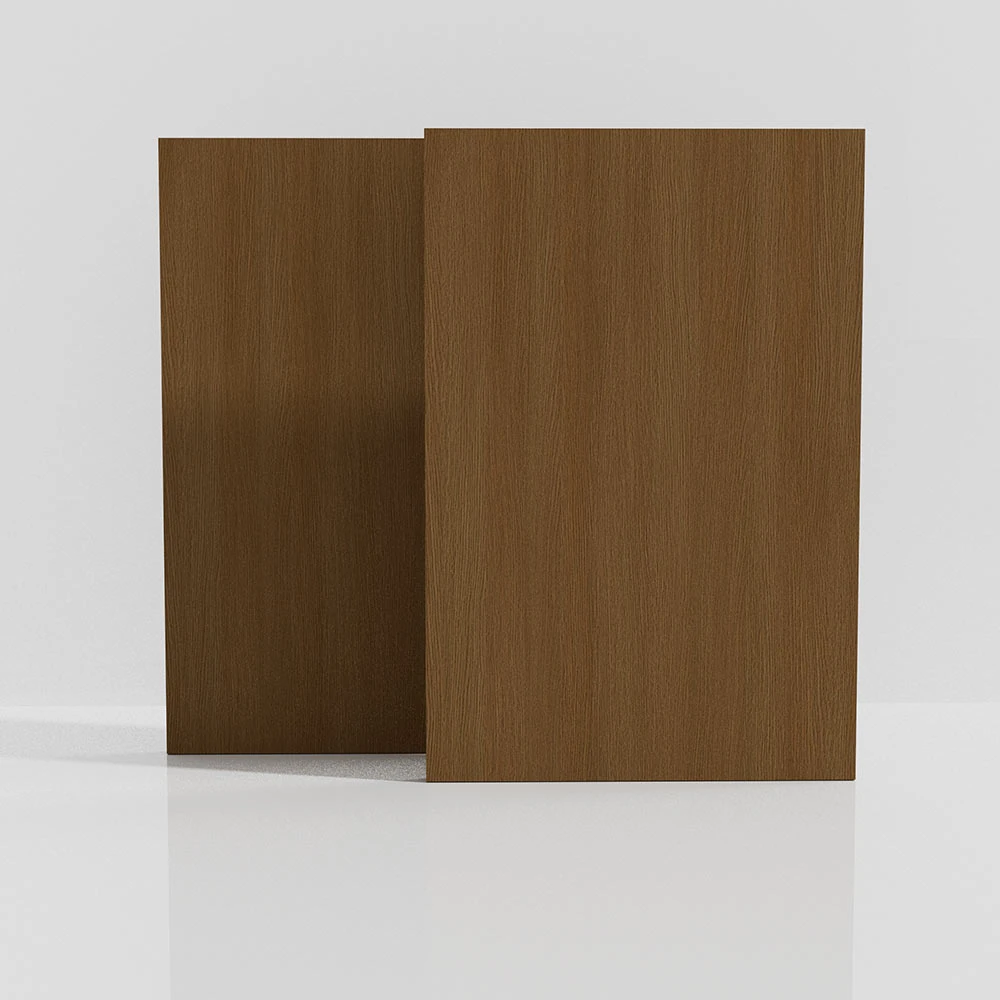
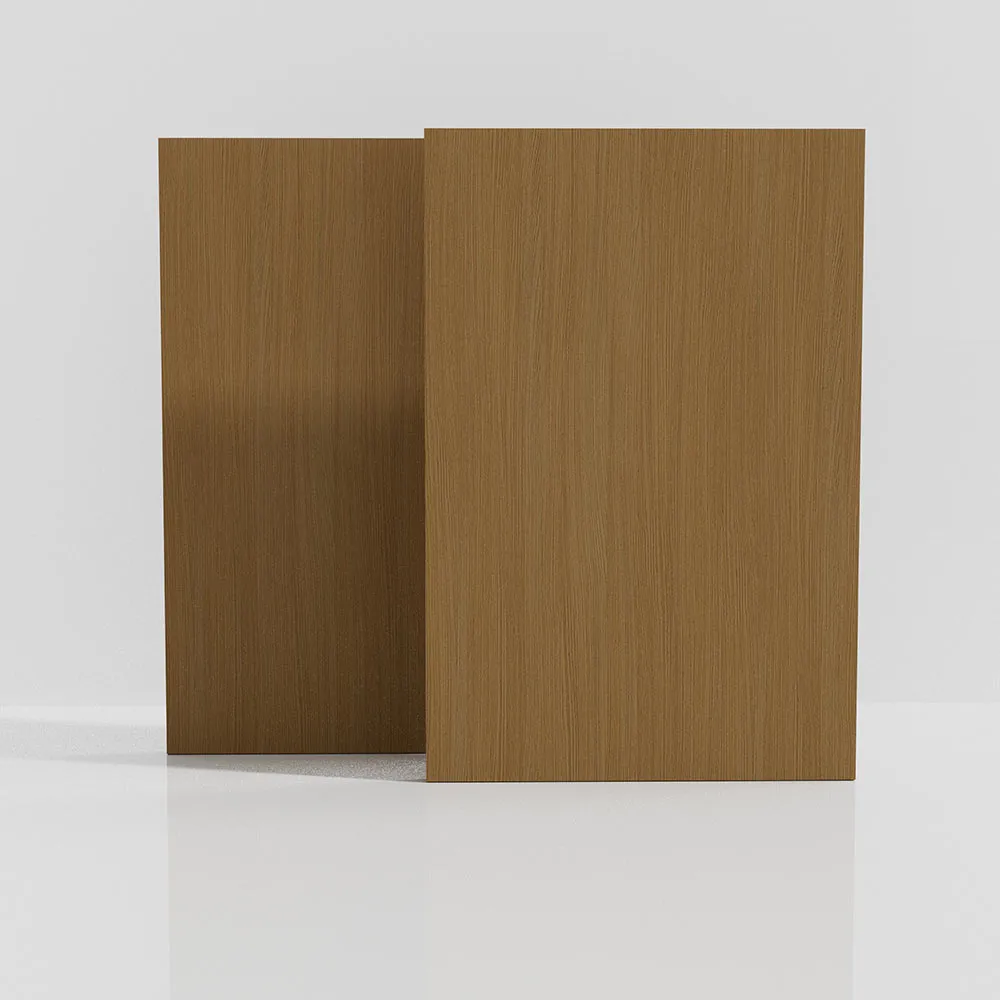
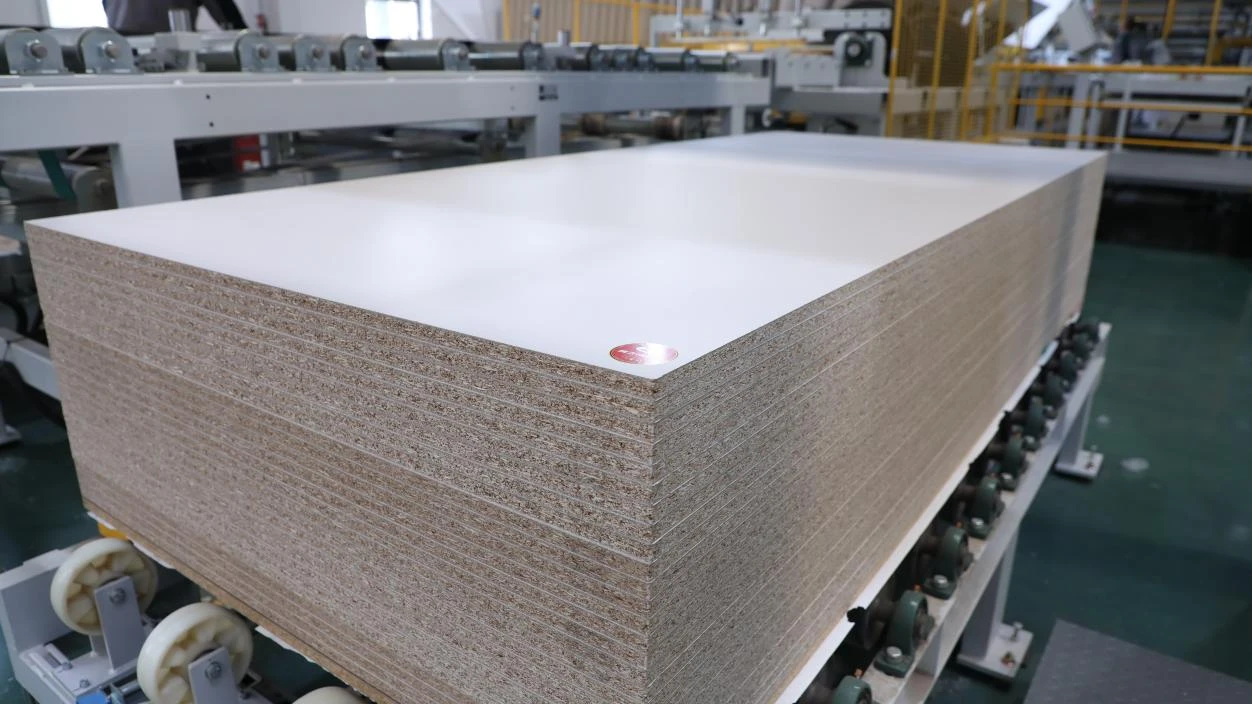
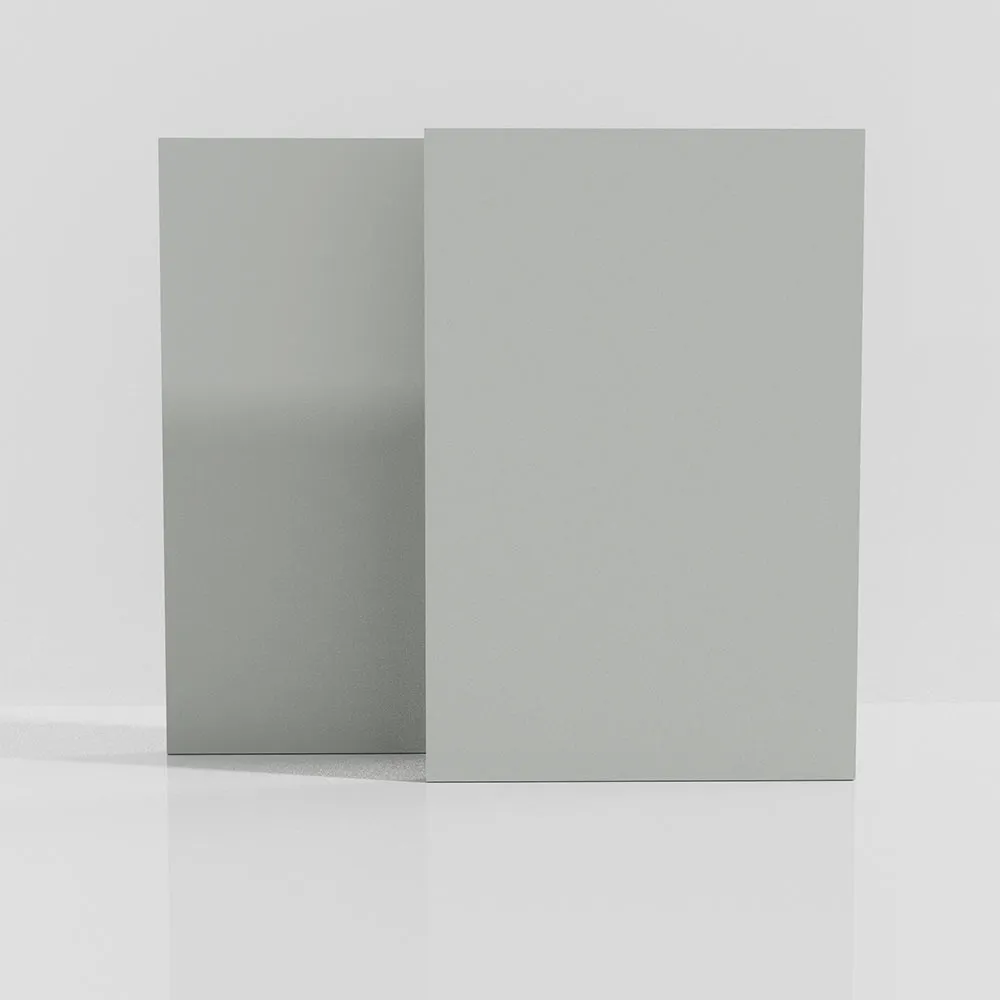
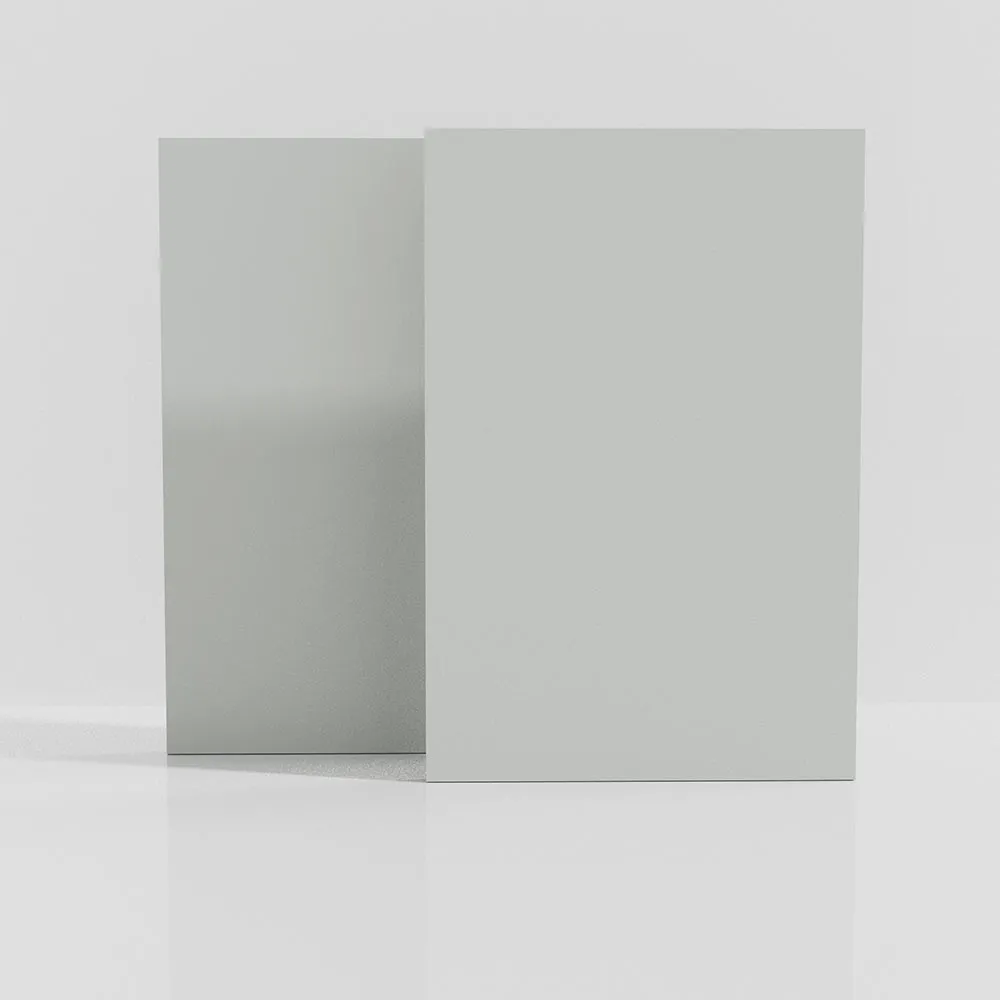
Think of plain MDF board as a flat, engineered wood product made by breaking down hardwood and softwood residuals into fine fibers, then combining them with wax and resin binders, and pressing them under heat and pressure. The end product is a smooth, dense, and uniform panel with no veneer or decorative finish applied.
This absence of finishing layers is precisely the appeal—it acts as a blank canvas for manufacturers, craftsmen, and even DIY enthusiasts to tailor it for cabinetry, furniture cores, or industrial components suited for modern environments.
Its production embraces circular economy principles, as it commonly uses wood residues, making it inherently more sustainable than many solid wood products.
Key Qualities of Plain MDF Board
Durability
Plain MDF boards, while not as water-resistant as plywood or solid wood, exhibit excellent dimensional stability. That means they don’t warp or twist as much, which is why they’re favored in furniture and interior architectural projects.
Cost Efficiency
MDF costs significantly less than solid wood and even many plywood options, becoming a frontline choice for manufacturers looking to control expenses without sacrificing performance.
Workability
The smooth surface and consistent structure make it easy to machine, cut, drill, and paint. This workability is a blessing for custom designers keen on precise, clean finishes.
Sustainability
Many plain MDF boards are produced from recycled wood fibers, reducing deforestation impacts. They also emit fewer volatile organic compounds than some coated or treated woods — a subtle bonus for indoor air quality.
Scalability
Available in various thicknesses and sizes, it adapts to both small craft studios and industrial-scale applications equally well, making it scalable for diverse projects.
Mini takeaway:
- Durability, cost, and sustainability are the triple pillars driving plain MDF board’s ongoing popularity in modern industry.
Global Applications in Real Life
Across the globe, the plain MDF board is quietly powering industries that you’d not immediately guess. For example:
- Furniture manufacturing: Countries like Germany and the USA extensively use plain MDF as the core in flat-pack furniture, prized for its uniform consistency and ease to finish.
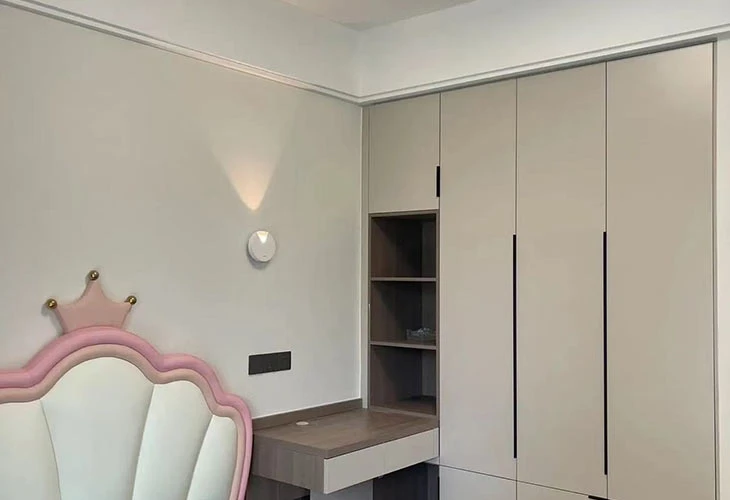
- Interior architecture: In Asia’s growing urban centers, MDF boards shape everything from wall panels to decorative moldings.
- Humanitarian relief: Interestingly, in post-disaster housing projects in Southeast Asia, plain MDF boards have been used as quick-assembly wall panels, offering a stable, reusable, and transportable solution.
- Educational institutes: MDF boards form inexpensive yet durable base materials for school desks, lab counters, and modular cabinetry.
Oddly enough, while many think of MDF as “just furniture wood,” it’s a silent hero in many sectors, especially where budget and renewable-sourcing matter most.
Plain MDF Board Specifications
| Property |
Typical Value |
Notes |
| Density |
600–800 kg/m³ |
Depends on binder levels |
| Thickness Range |
3mm to 25mm+ |
Custom sizes available |
| Moisture Content |
6–12% |
Affects swelling resistance |
| Surface Finish |
Plain, uncoated |
Ready for custom finishing |
| Formaldehyde Emission |
E1 or lower |
Ensures indoor air safety |
Comparing Popular Plain MDF Board Vendors
| Feature |
Tengfei MDF |
GlobalWood Panels |
EcoFiber Boards |
| Density Options |
600–750 kg/m³ |
700–800 kg/m³ |
550–700 kg/m³ |
| Sustainability Certification |
FSC Certified |
PEFC Certified |
100% Recycled Content |
| Custom Sizes |
Yes |
Limited |
Yes |
| Average Price/m² |
$10–13 |
$12–15 |
$9–12 |
| Lead Times |
2–3 weeks |
4–6 weeks |
3–4 weeks |
Long-Term Advantages of Plain MDF Board
It’s tempting to think only in short-term price tags, but plain MDF boards deliver considerable long-term value. Their consistent quality means fewer defects and less waste on-site. For environmentally conscious businesses and consumers, sourcing FSC-certified MDF supports forest management and reduces carbon footprints.
Plus, products made with plain MDF boards often offer improved indoor air quality (thanks to low formaldehyde emissions), which — frankly — goes a long way in schools, hospitals, and homes.
On the emotional side, using such dependable, engineered materials fosters trust: people want reliable, look-good furniture or walls that won’t fail in months. It’s these subtle yet important benefits that keep MDF in high demand worldwide.
Where Plain MDF Board Is Heading Next
Innovation in this space is quietly humming along. The biggest areas are green chemistry—reducing toxic resins and introducing bio-based adhesives—and digital fabrication technologies, which allow ultra-precise cutting and finishing of MDF components.
Many manufacturers are exploring integration with renewable energy in production, cutting waste through automation, and creating hybrid panels for greater moisture resistance to edge into exterior applications.
Current Challenges & How To Overcome Them
Of course, plain MDF board is not perfect. Its susceptibility to moisture and swelling is a known limitation. But advances in coating technologies and resin formulations are helping reduce this problem.
Transport and storage conditions can impact MDF as well, so suppliers and users alike are investing in better packaging and climate-controlled warehousing.
Expert tip: Choosing suppliers with stringent quality management and FSC certification often guarantees better overall yield and less failure downstream.
FAQ: Your Plain MDF Board Questions Answered
- Q: What types of finishes can I apply on a plain MDF board?
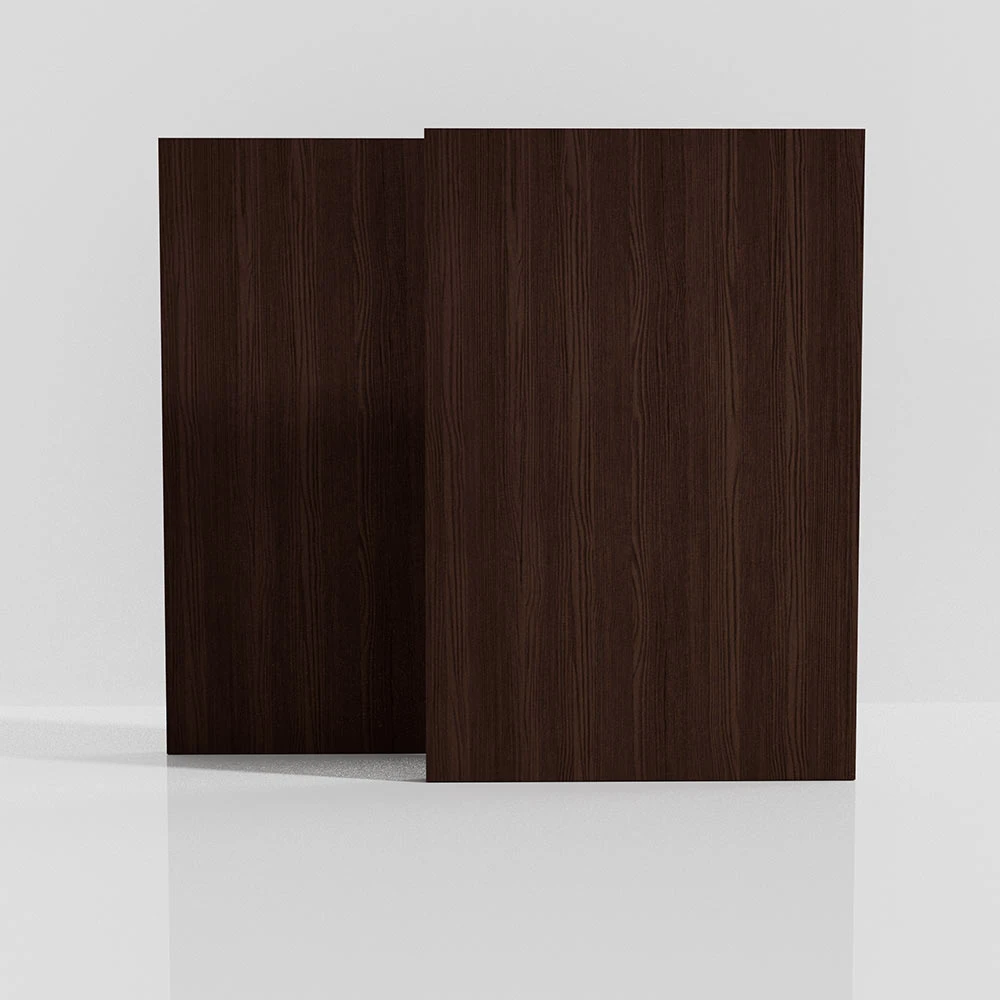
- A: Plain MDF is exceptionally versatile—finishes can include paint, veneer, laminates, or PVC coatings. The smooth surface helps composite finishes adhere better than on natural wood.
- Q: Can I use plain MDF boards in moist environments like kitchens?
- A: Standard MDF absorbs moisture and can swell, so it’s typically not recommended for wet areas unless properly sealed or treated with moisture-resistant formulations.
- Q: How long does a plain MDF panel last in typical furniture?
- A: With proper finishing and care, MDF furniture can last 10–15 years or longer. Its stability and workability make it durable for everyday use.
- Q: Is sourcing plain MDF board internationally complicated?
- A: It can be straightforward with reliable vendors who handle export certifications like FSC and provide clear documentation for customs, ensuring smooth import processes.
Wrapping Up: Why Plain MDF Board Still Rules
From cost-effectiveness to sustainability and unmatched versatility, plain MDF board remains a backbone material across global industries. Whether it’s outfitting a classroom or crafting affordable housing walls, this humble engineered wood product quietly shapes our built environment — reliably and responsibly.
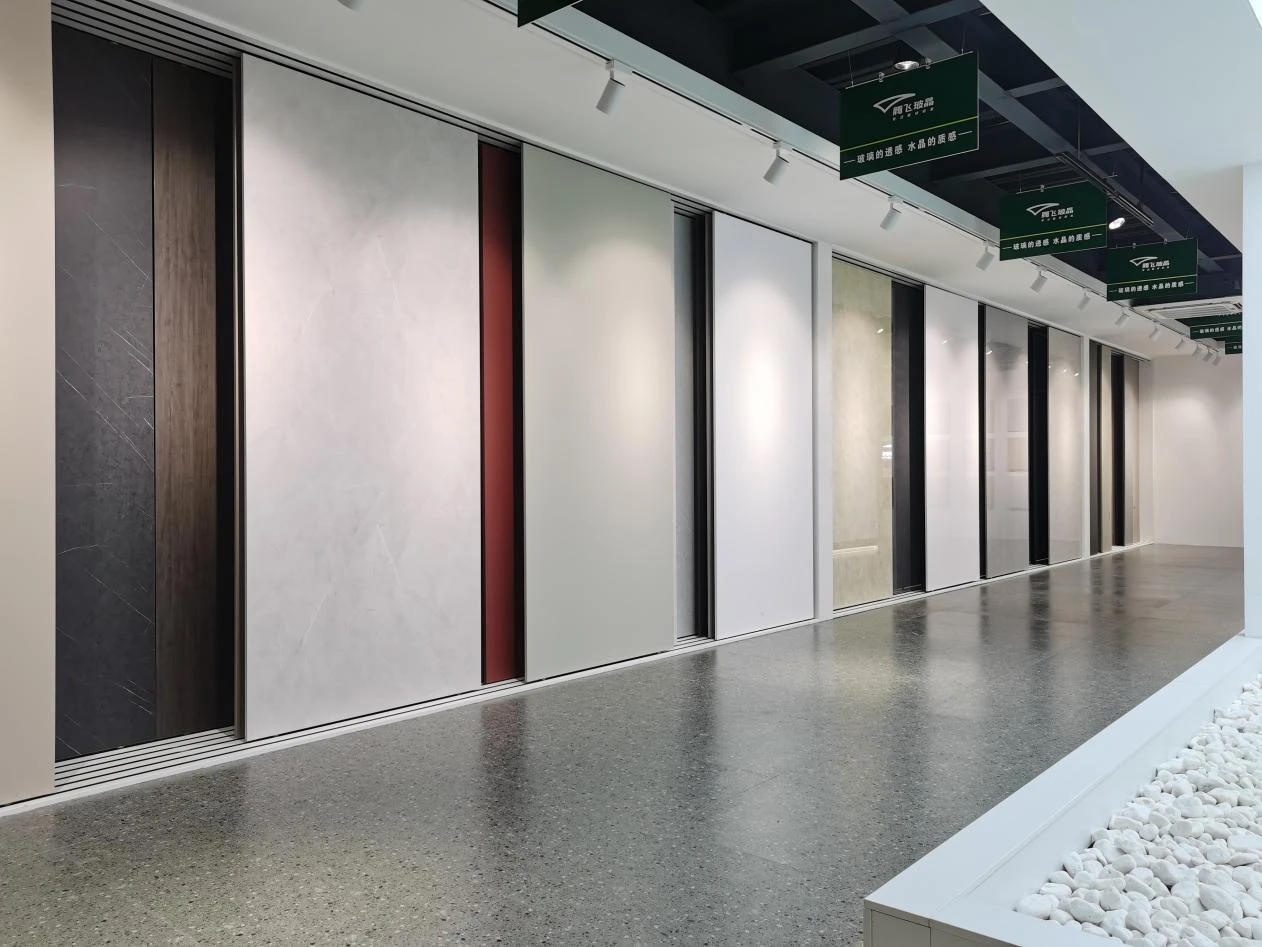
If you’re interested in exploring top-quality MDF tailored to your project’s needs, check out Tengfei MDF for options that balance performance with certified sustainability.
Final mini takeaway:
Knowing your plain MDF board well isn’t just about materials; it’s about empowering better, greener, and smarter building for tomorrow.
References
- ISO standards on wood-based panels
- United Nations Forestry and Wood Products Data
- Wikipedia: Medium-density fibreboard