Understanding Plywood MDF Board: A Gateway to Versatile and Sustainable Wood Solutions
If you’ve ever wandered through a hardware store or peeked behind a furniture showroom, you’ve likely seen or used plywood mdf board without even realizing it. But why does it matter so much globally, and what actually sets it apart from any old wood sheet? In a nutshell, plywood mdf board isn’t just a random material—it’s a fundamental building block in manufacturing, construction, and design, marrying durability with affordability. Knowing its ins and outs is like unlocking a secret door to smarter, cost-effective, and eco-conscious production that impacts everything from tiny cottages to major urban infrastructure.
Mini takeaway: Plywood MDF board functions as a versatile wood composite pivotal to industries worldwide, offering a practical balance between cost, sustainability, and performance.
Why Plywood MDF Board Matters Globally: Context and Challenges
Let’s zoom out a bit. According to the ISO standards on wood-based panels, the global consumption of engineered wood products—with plywood and MDF taking the front stage—is rising steadily. The World Bank recently highlighted that sustainable building materials can reduce construction costs and carbon emissions in developing regions by up to 30%. Yet, the industry faces challenges such as raw material shortages and environmental regulations tightening worldwide.
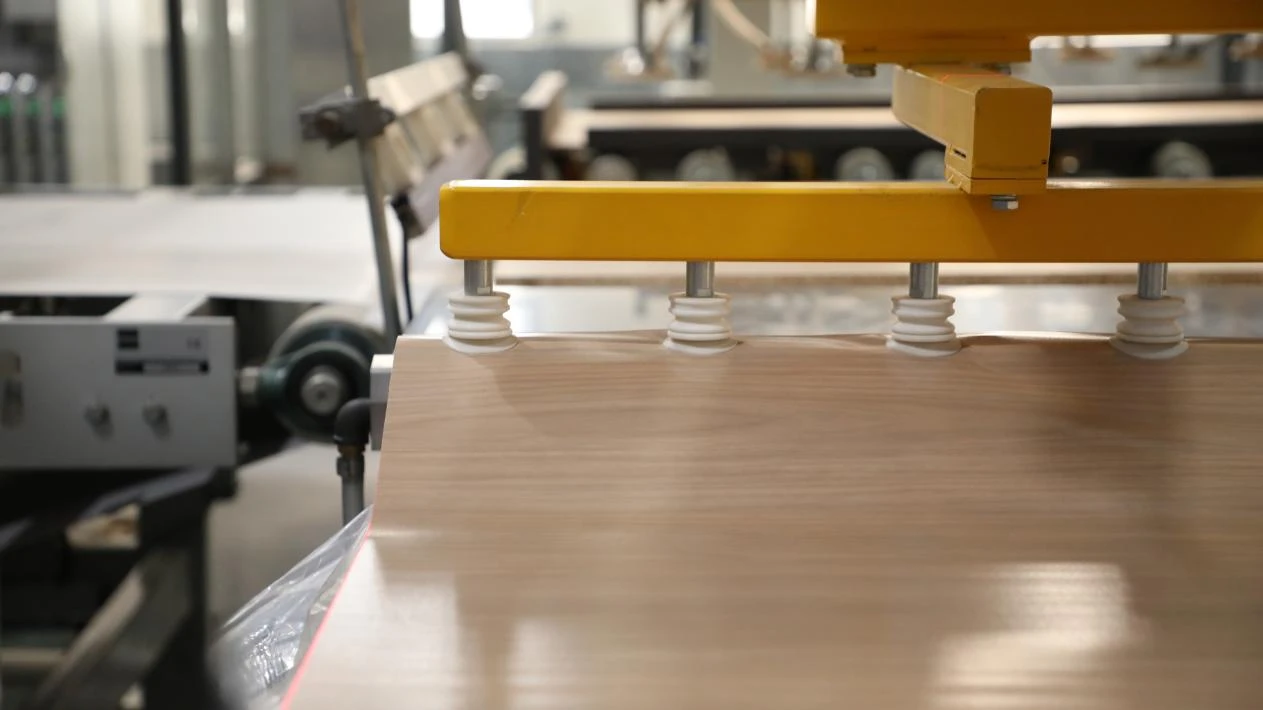
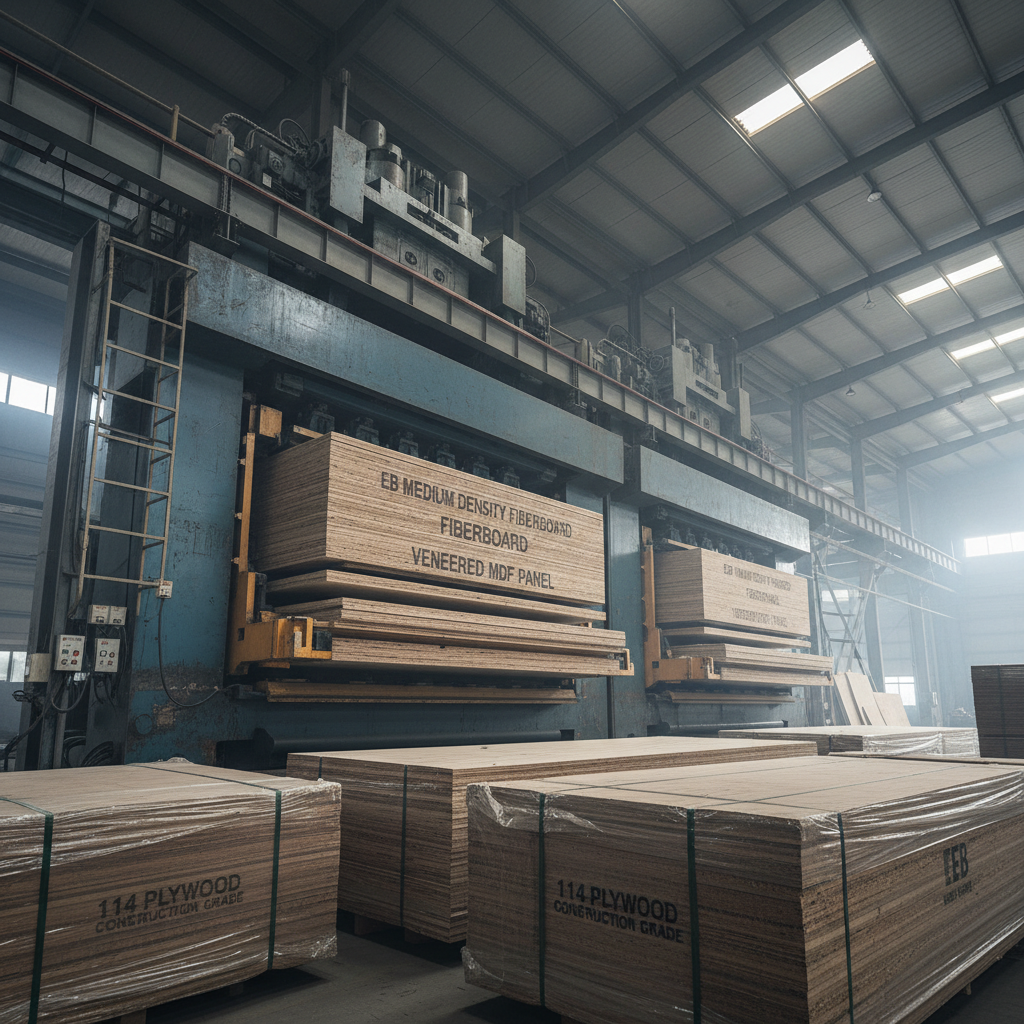
Plywood and MDF (medium-density fiberboard) essentially respond to these issues by optimizing wood utilization—the layers or fibers are pressed and bonded with adhesives, turning what might be scraps or smaller wood pieces into solid, reliable sheets. It’s about doing more with less. Addressing urban housing shortages, infrastructure rebuilds after natural disasters, and eco-friendly trends hinges heavily on these materials.
Mini takeaway: Globally, plywood mdf board addresses rising demand for sustainable, affordable materials amid resource constraints and evolving environmental policies.
What Exactly Is Plywood MDF Board?
Simply put, plywood mdf board is an engineered wood product made by pressing together wood veneers (plywood) or wood fibers (MDF) with adhesives under heat and pressure. Plywood consists of several thin layers (plies) glued with grains running at right angles to each other — think of it like a wood “club sandwich.” MDF, on the other hand, is a dense, smooth panel made by compressing wood fibers more uniformly than plywood.
Why is that important? Beyond just being raw materials, they transform timber into more predictable, uniform panels for modern industry. Whether it’s cabinetry in high-end kitchen design or the rugged walls of mobile shelters for humanitarian aid, this engineered wood enables flexibility, stability, and consistency unmatched by plain lumber.
Don’t be confused if you see them paired or considered alternatives. They often complement each other in projects depending on strength or finish needs.
Mini takeaway: Plywood MDF board refers broadly to engineered wood panels—plywood made of layered veneers, MDF from compressed fibers—both vital in modern manufacturing and construction.
Key Factors Behind Plywood MDF Board Performance
Durability & Strength
Plywood’s cross-laminated layers give it excellent tensile strength and resistance to cracking, warping, or splitting, making it ideal for structural uses. MDF, though less strong, delivers smooth surfaces perfect for painting and shaping.
Cost Efficiency
Compared to solid wood, plywood MDF board optimizes wood usage, often using smaller wood pieces or recycled fibers, which cuts costs and minimizes waste. This economy makes these panels widely accessible.
Versatility & Finish
MDF excels in producing finely detailed moldings or veneers due to its dense, even surface. Plywood’s sturdiness lends itself well to flooring, furniture frames, and cabinetry. Both can be laminated, painted, or overlaid for countless finishes.
Environmental Impact
Using engineered wood helps conserve forests by utilizing what might otherwise be discarded wood materials. Moreover, innovations like formaldehyde-free adhesives are reducing VOC emissions, aligning plywood MDF board production with green building standards.
Mini takeaway: Strength, affordability, finish flexibility, and sustainability are core to plywood mdf board’s widespread use.
Real-World Applications: From Urban Development to Disaster Relief
Places like Southeast Asia and parts of Europe have embraced plywood MDF boards in affordable housing programs that require quick, scalable solutions. In post-disaster relief scenarios—floods, earthquakes—these boards construct temporary shelters fast without compromising protection and dignity.
Industries ranging from automotive (interior panels), retail (display fixtures), to education (modular classroom furniture) rely on this engineered wood because it’s predictable and easy to work with. NGOs particularly appreciate how these lightweight, strong materials ship efficiently across borders and see active use by organizations like the UNHCR.
Mini takeaway: Plywood mdf board serves diverse sectors globally—construction, humanitarian aid, manufacturing—proving its adaptability and impact.
Advantages and Long-Term Value
- Affordability: Lower raw material and fabrication costs ease project budgets.
- Sustainability: Efficient wood use and emerging eco-adhesives support green initiatives.
- Reliability: Durable, consistent panels reduce maintenance and replacement.
- Social impact: Enables affordable housing and infrastructure, fostering community stability.
It’s interesting to note that beyond dollars and cents, many users find peace of mind in knowing these materials hold up against climate challenges or long-term wear—trust isn’t just profit. Plus, innovation keeps rolling ahead.
Future Trends and Innovations in Plywood MDF Board
New frontiers in plywood MDF board involve eco-friendlier resins, automation in production for ultra-precision, and integrating digital design tools. For example, CNC machining has vastly expanded design capabilities, making custom-shaped panels easier and more affordable. Plus, “smart wood” composites capable of improved fire resistance or thermal insulation show promise.
Climate-conscious policies also drive interest in carbon-sequestering wood products. Essentially, using plywood MDF boards made from certified sustainably harvested wood can offset carbon footprints, a key selling point for the green construction sector.
Mini takeaway: Advances in materials, production tech, and environmental focus are shaping plywood MDF board’s future as a sustainable building cornerstone.
Overcoming Challenges: What Still Holds Us Back?
Truth be told, plywood mdf board isn’t perfect. Issues like susceptibility to moisture damage (especially MDF), formaldehyde emissions in some adhesives, and supply chain disruptions occasionally cause headaches. Experts suggest:
- Improved waterproof coatings and treatments
- Use of non-toxic adhesives regulated by strict certifications
- Supply diversification and regional manufacturing hubs
With these strategies, material specialists and manufacturers are turning challenges into improvements and expanding usability.
FAQ: Your Plywood MDF Board Questions Answered
- Q: What makes plywood mdf board better than solid wood in construction?
- A: Plywood MDF board offers enhanced stability and resistance to warping due to engineered layering and fiber compression. This makes it more reliable in varying climates and applications, often at a lower cost than solid timber.
- Q: How long can plywood or MDF last in moist environments?
- A: Standard MDF isn’t moisture-resistant and deteriorates if exposed to water directly. Plywood fares better when treated or sealed—outdoor-grade plywood can last decades if maintained properly.
- Q: Are plywood MDF boards eco-friendly?
- A: Many products are moving toward eco-friendly certifications using sustainable wood sources and low-VOC adhesives. Always check for labels like FSC or CARB compliance to be sure.
- Q: Can plywood MDF boards be customized for complex shapes?
- A: Absolutely! CNC machines and laser cutters can precisely shape both MDF and plywood, making them favorites for intricate designs in furniture and architecture.
- Q: How do NGOs import plywood MDF boards for on-site use internationally?
- Typically, plywood MDF boards are shipped in standard-sized sheets via container freight. Partners handle customs clearance and work with local suppliers to expedite deployment. Planning early is critical for smooth logistics.
Product Specification Table
| Specification |
Plywood |
MDF Board |
| Composition |
Cross-grain veneers glued together |
Wood fibers compressed with resin |
| Density |
400–700 kg/m³ |
600–800 kg/m³ |
| Thickness Range |
3mm to 25mm (common) |
2mm to 30mm (common) |
| Moisture Resistance |
Moderate with treatment |
Low unless sealed |
| Surface Finish |
Varied veneer types or laminated |
Smooth, ideal for painting |
| Typical Use Cases |
Structural panels, furniture frames |
Cabinetry, moldings, furniture surfaces |
Vendor Comparison: Leading Plywood MDF Board Suppliers
| Supplier |
Product Range |
Sustainability Certifications |
Geographic Reach |
Typical Lead Time |
| Tengfei Wood Co. |
Wide plywood & MDF sizes, specialty panels |
FSC, CARB Phase 2 |
Asia, Europe, North America |
2-3 weeks |
| GreenBoard Industries |
Eco-friendly MDF variants, treated plywood |
SFI, PEFC |
Europe, North America |
3-4 weeks |
| Global Ply Solutions |
Standard plywood, MDF panels, customized orders |
FSC Certified |
Asia, Africa |
4-5 weeks |
Wrapping Up: Why Plywood MDF Board Is Here to Stay
In real terms, plywood mdf board feels like one of those quietly indispensable materials—always underfoot but rarely noticed unless it’s missing. Its capacity to balance cost, environmental needs, and functional performance positions it uniquely for the future. Whether you’re a builder, designer, or NGO coordinator, understanding the nuances of plywood MDF board unlocks better decisions and smarter projects.
Curious to explore more or source quality plywood mdf board? Visit our website at https://www.tengfeiebmdf.com — where material expertise meets practical solutions.
References
- ISO Wood-based Panels - ISO 25006
- World Bank: Sustainable Building
- Wikipedia: Medium-density fibreboard