Understanding Plywood MDF Particle Board: Why It Matters Today
When we talk about plywood, MDF, and particle board, it might first bring to mind cluttered workshops or furniture stores. But these materials aren’t just staples of carpentry—they're global workhorses in construction, manufacturing, and even humanitarian efforts.
plywood mdf particle board technologies have shaped the way we build, innovate, and respond to urgent housing needs worldwide. Knowing why they matter, how they differ, and their practical impacts can open new doors in sustainable construction and cost-effective design, especially in a world pivoting on eco-conscious choices.
The Growing Global Role of Plywood MDF Particle Board
Supply chains may wobble, but woodworking materials like plywood mdf particle board remain surprisingly resilient — and that’s no small feat. According to UN data, nearly 2.5 billion people need decent housing worldwide, a number climbing steadily alongside urbanization rates (UN Habitat).
In construction alone, ply, MDF, and particle boards combine affordability, stability, and versatility, addressing shortages and helping reduce deforestation through engineered wood solutions.
But here's the rub: selecting the right material requires more than just picking the cheapest — understanding key performance factors and environmental impacts shapes the quality and lifecycle of everything erected or manufactured.
What Exactly Are Plywood, MDF, and Particle Board?
Let's break it down in plain terms. Plywood consists of thin wood veneers glued in alternating grain directions — think of it as a wood “lasagna,” giving it strength across layers. MDF (medium-density fiberboard) is made by compressing fine wood fibers with resin, resulting in a smooth, uniform panel. Particle board is an even coarser cousin — made from wood chips and sawdust bonded together.
Oddly enough, these materials underpin the backbone of modern interiors, from cabinetry to modular housing, and even temporary shelters in disaster zones. Their engineered composition offers options where solid wood is either unaffordable or unsustainable.
Key Factors in Choosing the Right Material
1. Durability and Strength
Plywood’s cross-laminated structure generally withstands bending and moisture better than MDF or particle board — ideal for structural applications. MDF’s dense fiber makeup resists warping but can sag under heavy loads. Particle board is usually less robust but works well where light use or cost constraints are key.
2. Cost Efficiency
If budget is your primary driver, particle board usually takes the crown, followed by MDF, then plywood. However, overlooking quality often leads to higher replacement costs down the line.
3. Sustainability Considerations
These materials recycle wood waste and reduce pressure on virgin timber. Certifications like FSC and PEFC help identify responsibly sourced products. MDF typically uses more formaldehyde-resin binders, though newer low-emission variants are on the rise.
4. Workability and Finish
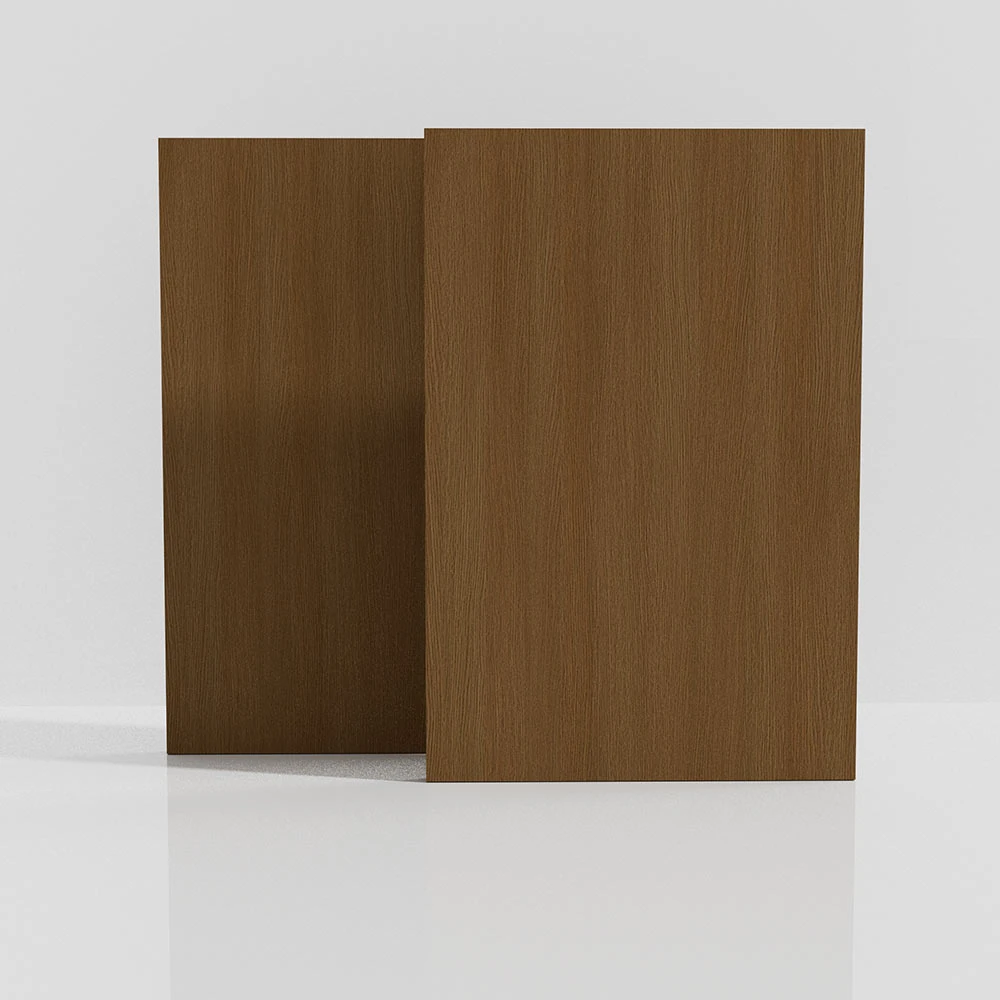
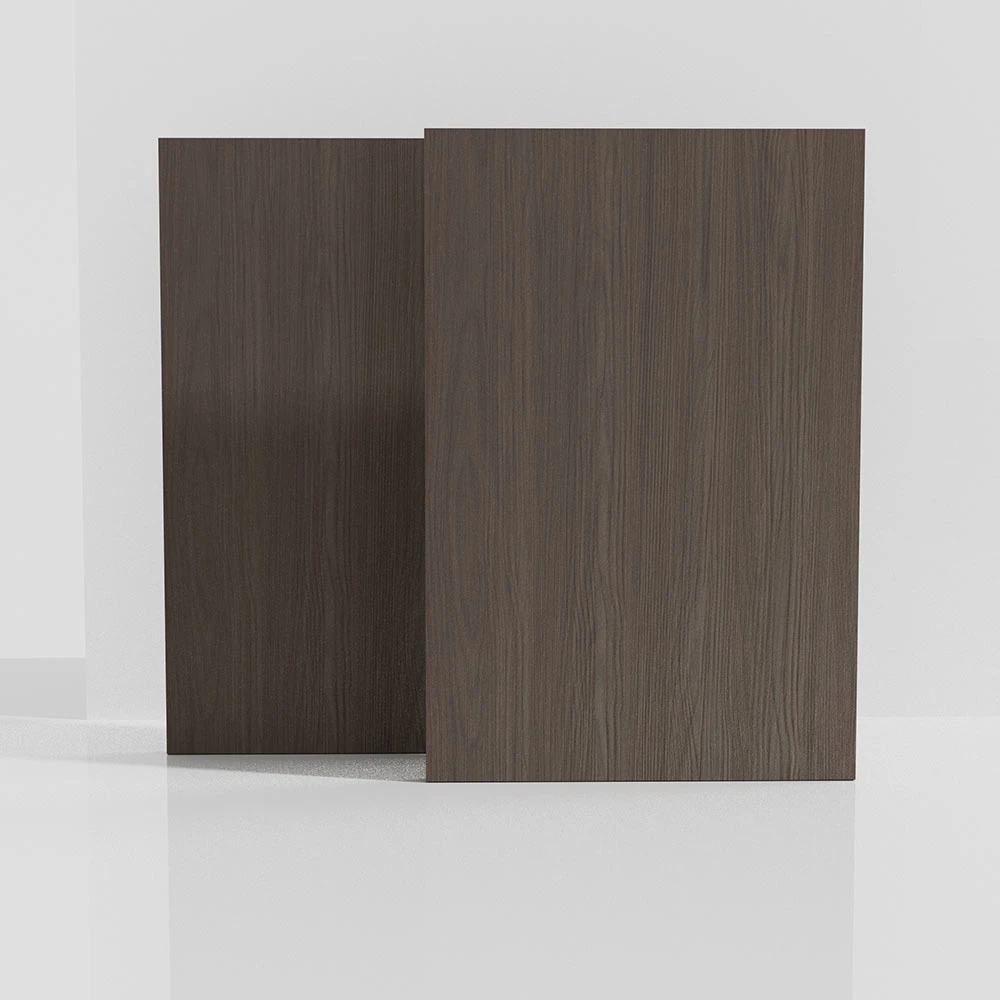
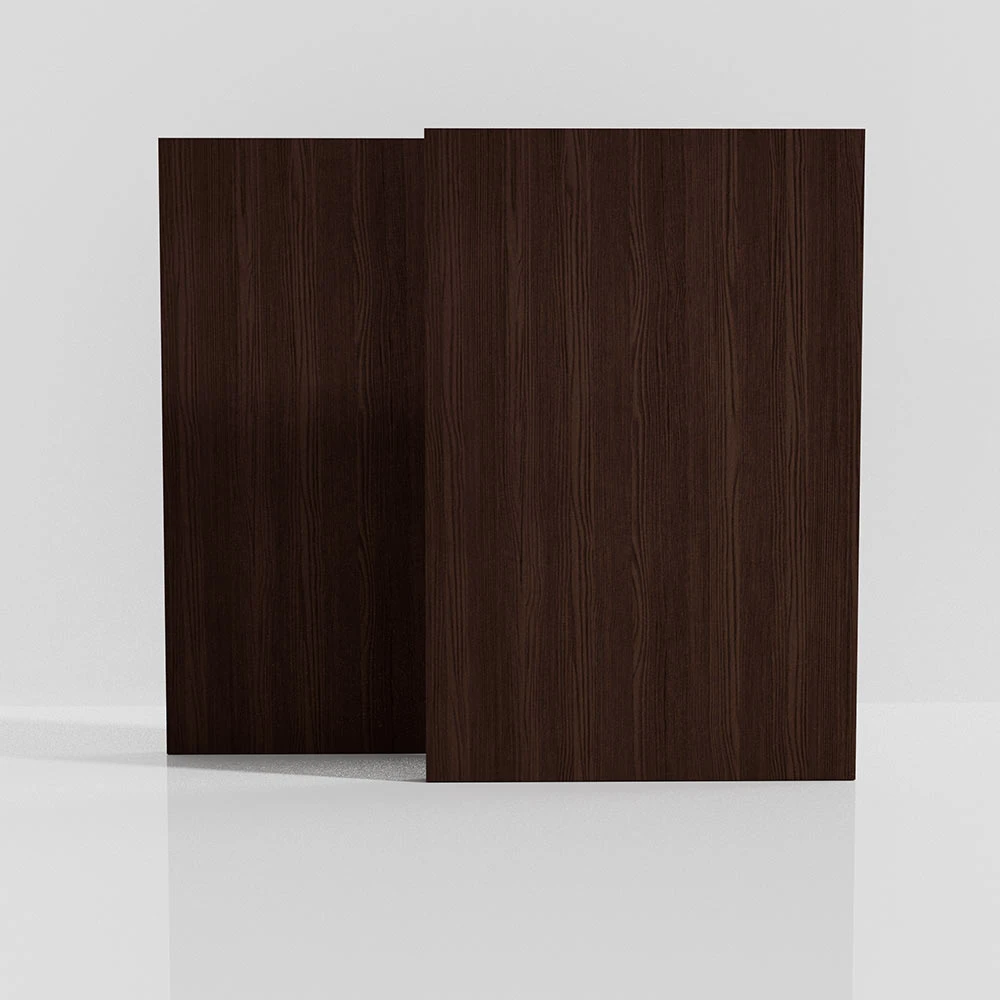
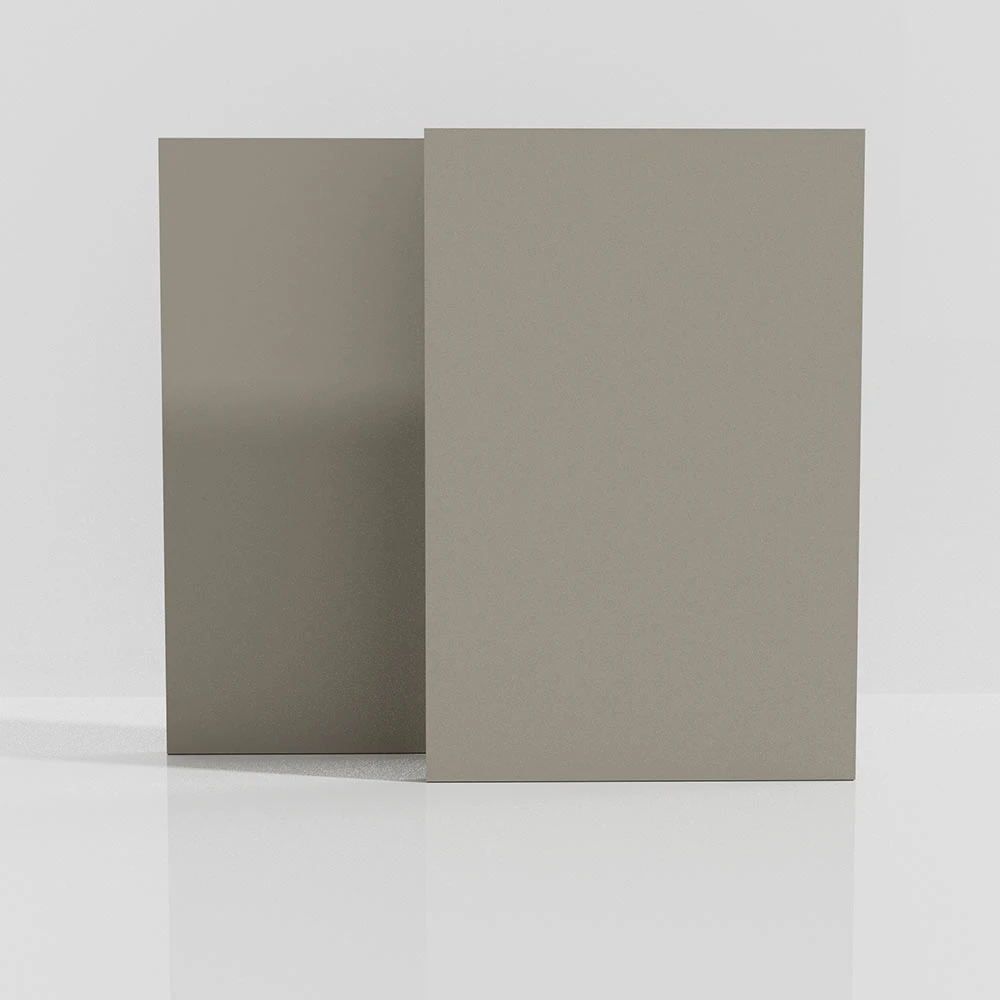
MDF’s smooth surface makes it a favorite for painting or laminating. Plywood often show natural grain patterns, good for staining. Particle board usually demands veneer or laminate coverings for aesthetics.
Practical Product Specification Table
| Specification |
Plywood |
MDF |
Particle Board |
| Density (kg/m³) |
550–700 |
600–800 |
500–750 |
| Moisture Resistance |
Medium to high |
Low |
Low |
| Typical Use |
Structural, furniture, flooring |
Cabinetry, moulding, craft |
Budget furniture, countertops |
| Workability |
Good; requires pre-drilling |
Excellent for cutting/sanding |
Fair; prone to chipping |
| Environmental Impact |
Medium (depends on source) |
Higher resin use |
Lowest (uses wood waste) |
Where Plywood MDF Particle Board Finds its Footprint
These materials don't just linger in homes or offices—they resonate globally in unexpected ways. In regions like Southeast Asia and Eastern Europe, plywood is a construction staple for affordable housing. MDF and particle board dominate ready-made furniture industries in North America and Western Europe, balancing cost and style.
Humanitarian organizations often rely on these boards for rapid assembly shelters post-disaster. For example, after the 2015 Nepal earthquake, modular homes crafted from plywood panels provided durable and warm shelters for displaced families — a far cry from flimsy tents.
Industrial zones in remote arctic regions also use plywood for insulated flooring and wall panels — partly because it performs reliably even in freezing conditions, which engineered boards sometimes endure better than solid wood.
Global Vendor Comparison of Popular Brands
| Vendor |
Material Focus |
Sustainability Certifications |
Price Range |
Best For |
| GreenWood Panels |
Plywood & MDF |
FSC, CARB Phase 2 |
$$ |
Eco-conscious furniture makers |
| BuildSmart Boards |
Particle Board |
PEFC |
$ |
Budget furniture and paneling |
| UltraCore Industries |
Specialty MDF |
CARB Phase 1, E0 |
$$$ |
High-end cabinetry and mouldings |
Benefits That Keep Drawing Customers Back
Cost is an obvious benefit, but frankly it’s the blend of sustainability and practicality that makes plywood mdf particle board so compelling. These materials help industries build while easing pressure on forests, plus they reduce landfill waste by recycling sawmill leftovers.
Beyond dollars and ecology, there’s a social aspect — giving communities affordable, sturdy, and dignified living or working spaces matters. They bring trust to temporary solutions, and innovation to mass production.
Looking Ahead: Trends and Innovations
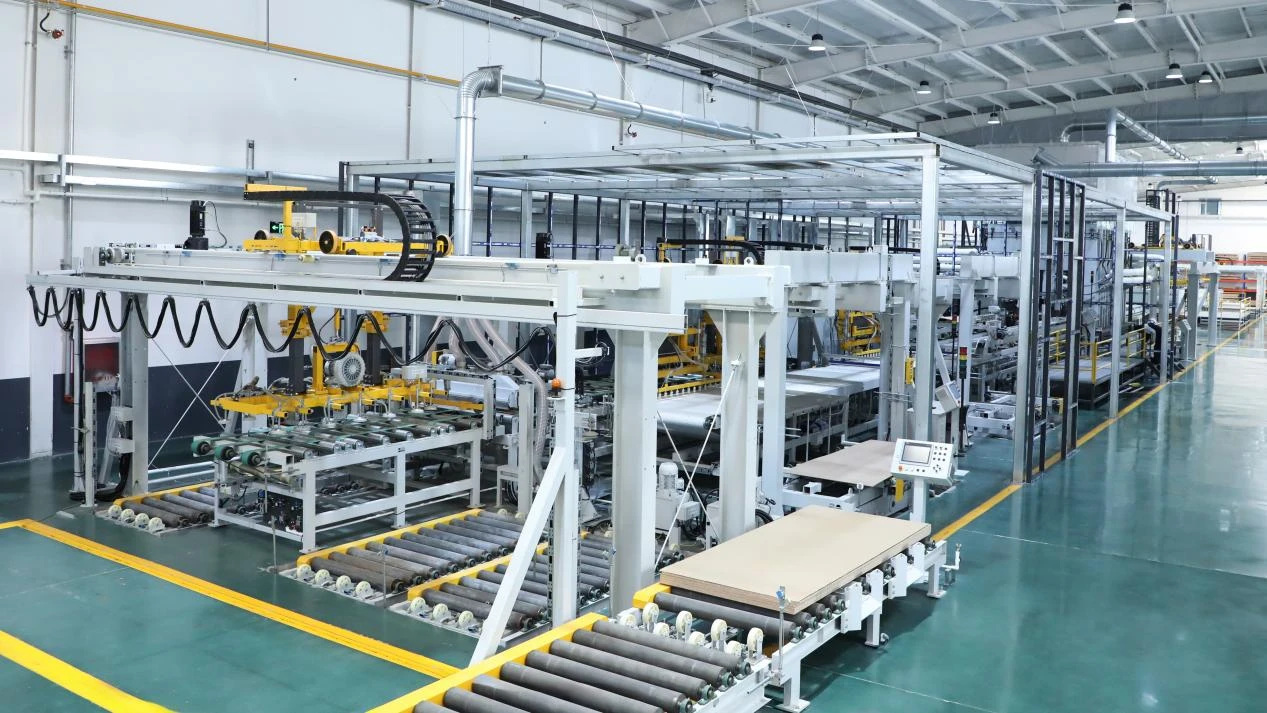
The future is heading toward greener adhesives, formaldehyde-free binders, and recycled-content panels. Digital fabrication—like CNC machining integrated with advanced ply—enhances precision and reduces waste. Automation also plays a role in slashing manual labor and speeding up installation.
Policies are tightening. ISO’s wood panel environmental standards have evolved, encouraging more transparency and lifecycle analysis. It's a mix of tech, ethics, and economics nudging this industry forward.
Common Challenges and How Experts Recommend Tackling Them
The major headaches: moisture sensitivity (especially MDF and particle board), emission of volatile organic compounds (VOCs), and structural limits versus solid wood. Innovations like water-resistant coatings, ultra-low formaldehyde resins, and hybrid composite materials are gaining traction.
Practitioners say combining manufacturing techniques and selecting right materials for right environments is crucial. No one-size-fits-all here.
Frequently Asked Questions About Plywood MDF Particle Board
- Q: How do plywood, MDF, and particle board differ in moisture resistance?
-
Plywood typically offers the best moisture resistance because of its layered construction, making it suited for damp or outdoor conditions. MDF and particle board absorb water more readily, which can cause swelling or warping unless treated with moisture-resistant coatings.
- Q: Is MDF or particle board more cost-effective for cabinetry?
-
Particle board is generally cheaper but less durable and less visually refined. MDF strikes a better balance between cost and finish quality, favored for painted or laminated cabinetry that requires a smooth surface without the higher price of plywood.
- Q: Can plywood MDF particle board be used in environmentally sensitive projects?
-
Absolutely—especially when sourced with certifications like FSC or PEFC and when low-emission resins are used. Increasingly, manufacturers offer eco-friendly versions that minimize environmental impacts while meeting stringent building codes.
- Q: How long does furniture made from these boards usually last?
-
With proper care, plywood-made furniture can last decades. MDF or particle board pieces, especially in high-use areas, might have a shorter lifespan (5–10 years). Sealing, avoiding moisture, and using quality hardware extend durability significantly.
Wrapping It Up: Why Understanding This Matters
If you’re involved in construction, design, or procurement, knowing the nuances of plywood mdf particle board unlocks smarter choices. From boosting sustainability to enhancing cost management to offering practical solutions during crises, these materials genuinely do a lot of heavy lifting.
So next time you pick up a cabinet door or see a quick-build tiny home, remember there's a layer of science, industry, and global need built right into those boards.
For a deeper dive and quality products, visit our trusted supplier — they’ve got everything from eco-certified plywood to specialty MDF panels.
References & Mini Takeaway
To sum it up: engineered wood products like plywood, MDF, and particle board bridge affordability and innovation with sustainability. Choose wisely, and the benefits multiply — economically, socially, and environmentally.
- UN Habitat: Housing and Slum Upgrading
- Wikipedia: Particle Board
- ISO 21930: Sustainability in Building Construction