Understanding Precut MDF Boards: What They Are and Why They Matter
When you first hear the term precut MDF boards, it might sound like just another woodworking buzzword. But these ready-to-use medium-density fiberboard panels represent a practical innovation that has quietly reshaped furniture manufacturing, interior design, and even humanitarian aid worldwide. Think of it as an assembly-friendly building block for wood-based projects—cut precisely at the factory, saving time, reducing waste, and promising consistency.
Globally, as construction and manufacturing seek efficiency alongside sustainability, the demand for such precut materials keeps climbing. Especially in places where supply chains aren't seamless, locally ordered precut mdf boards provide a reliable, fast solution. But beyond convenience, understanding their value touches on environmental impact, industry standards, and emerging applications. So, why exactly are they becoming indispensable?
The Global Context for Precut MDF Boards
According to a 2022 report by the International Wood Products Association, the global MDF market is expanding at roughly 5% annually, fueled by increased demand in Asia and Europe. The UN’s Sustainable Development Goals (Goal 12 in particular) encourage resource efficiency, which precut MDF boards neatly support by minimizing onsite waste.
In real terms, traditional raw MDF sheets can be cumbersome to transport and dimension at the workshop or construction site, leading to offcuts, errors, and delays. This inefficiency often spikes costs and environmental footprint—especially for small manufacturers or post-disaster housing providers desperately needing quick, uniform materials.
Therefore, precut MDF panels help tackle these challenges by arriving ready to install, decreasing labor time and reducing error rates drastically. The upshot? Projects finish on schedule with less material lost, reducing both budget overruns and carbon emissions.
Mini takeaway:
- Precut MDF boards are rising in global demand as efficiency and sustainability goals gain momentum.
- They answer a key industry need: precise, ready-made materials that save time and reduce waste.
Defining Precut MDF Boards
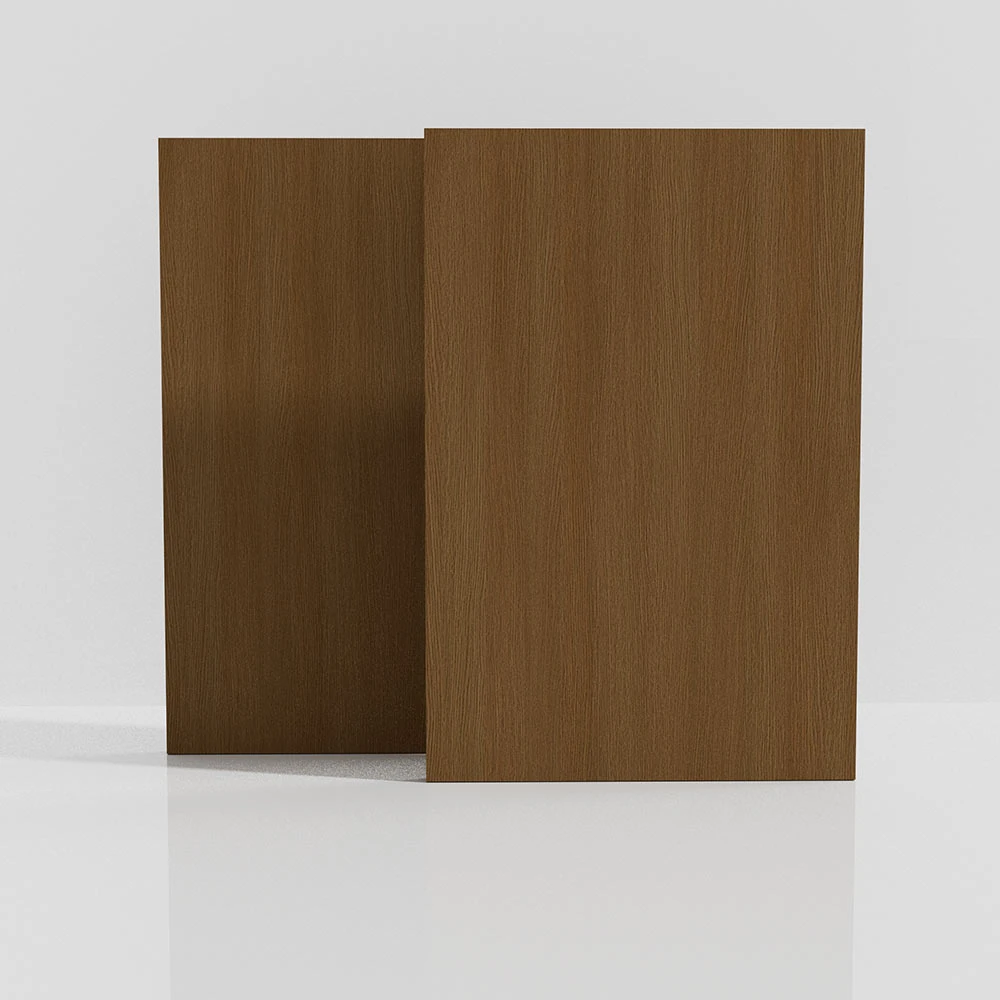
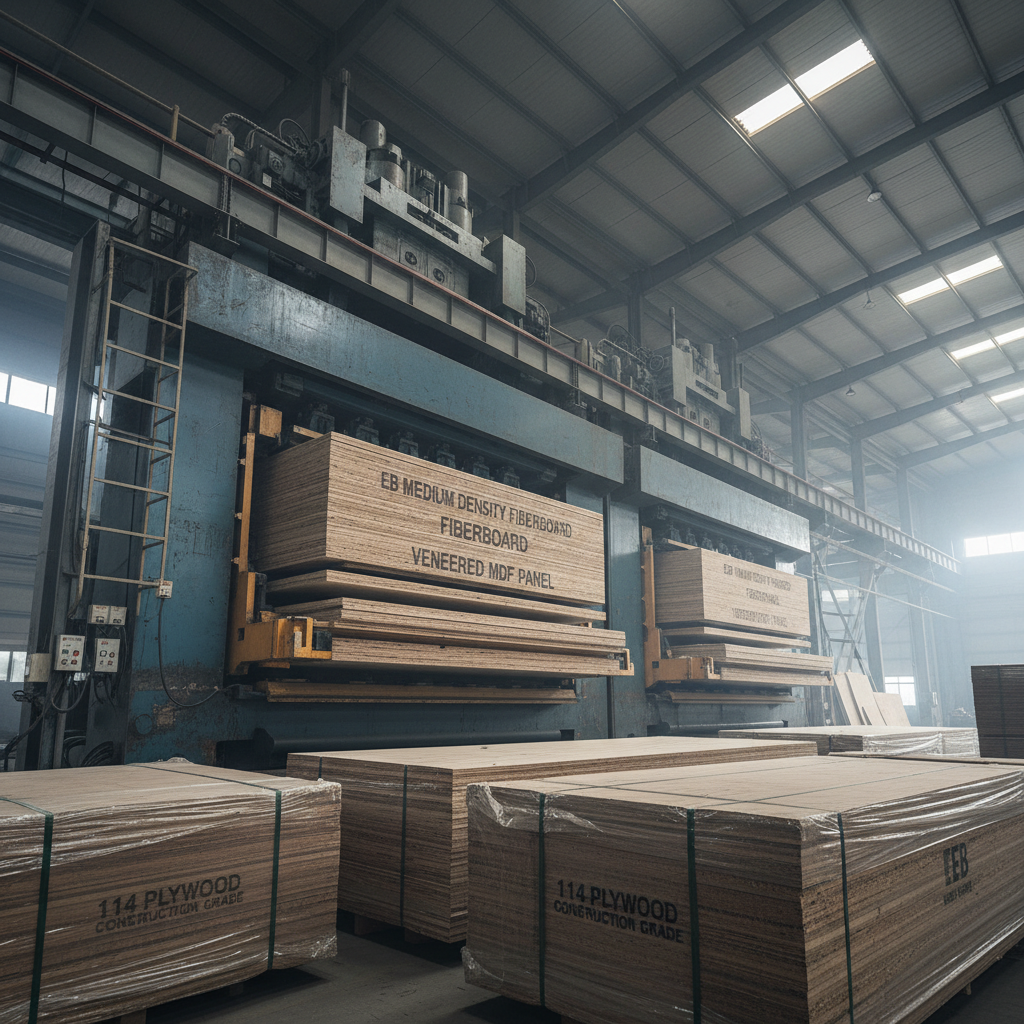
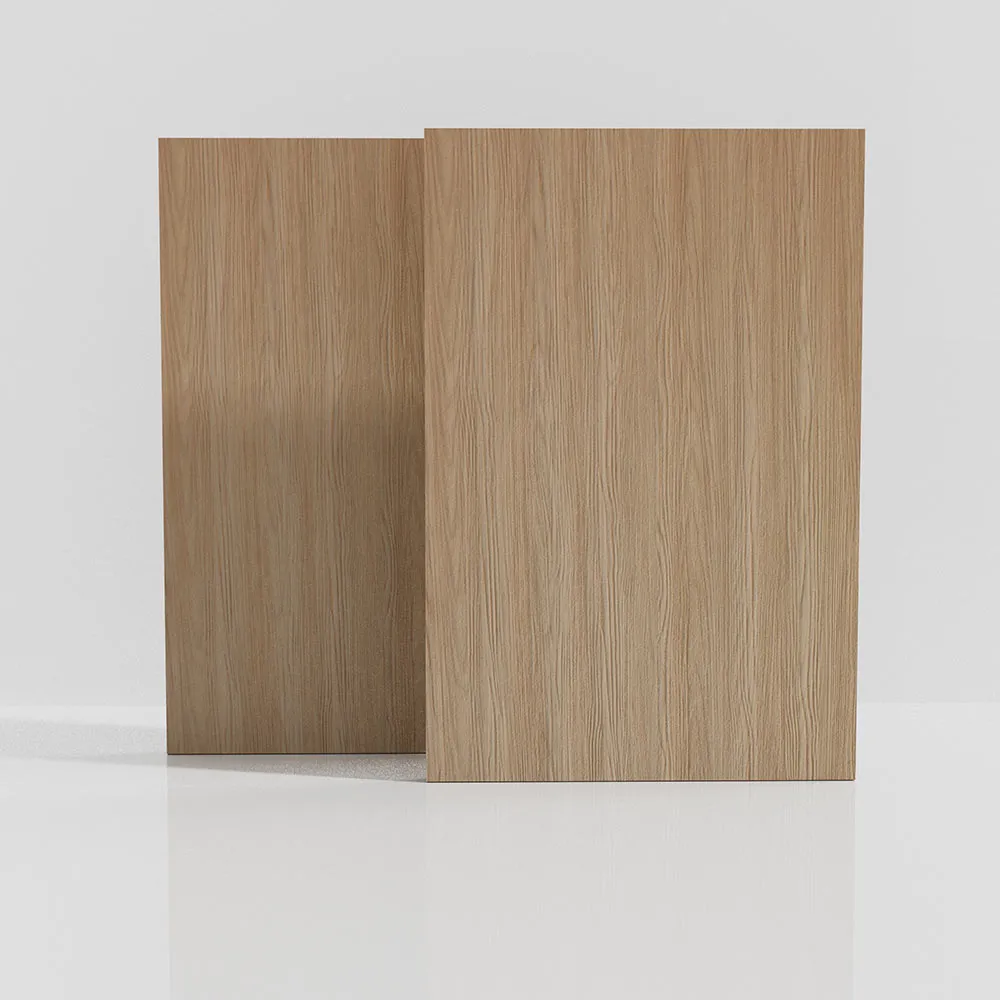
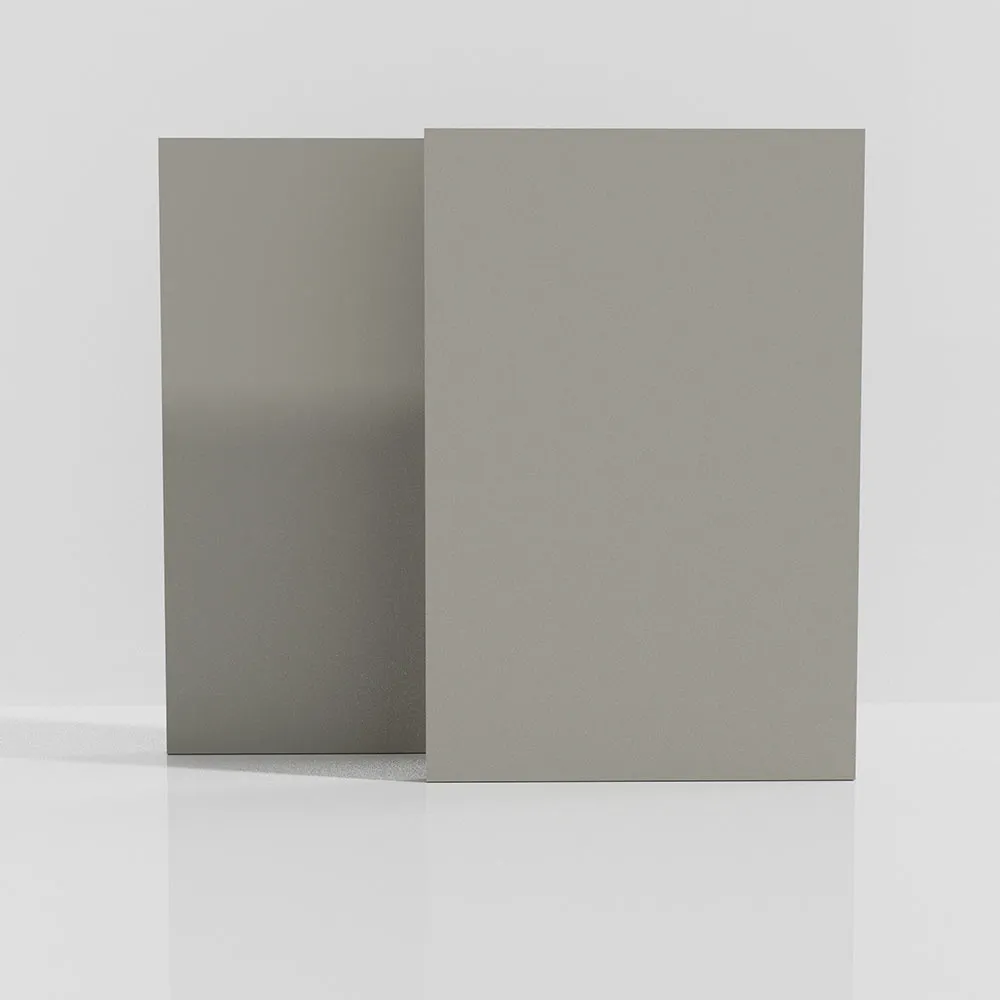
So, what exactly are precut MDF boards? Simply put, they're sheets of medium-density fiberboard — a wood composite made from wood fibers, wax, and resin — that have been cut to exact dimensions and shapes before shipping. Instead of receiving large raw sheets to cut onsite, users get pieces tailored for their intended purpose, be it furniture panels, cabinetry parts, or partition walls.
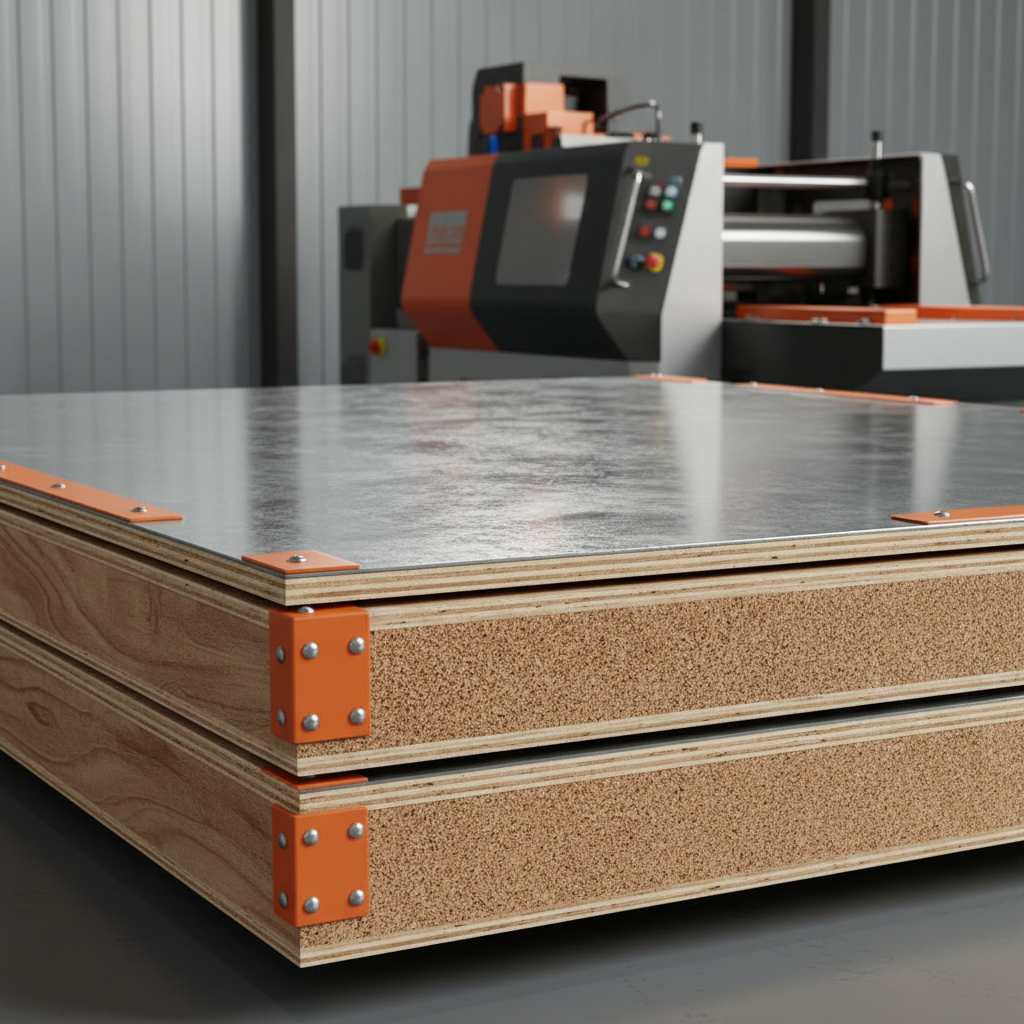
This process stems from modern manufacturing trends emphasizing modularity and precision cutting, often powered by CNC machines. It’s somewhat like ordering a pizza with toppings pre-arranged exactly how you want them instead of building it yourself from raw dough and sauce. This makes assembly faster and errors less likely.
In humanitarian terms, precut MDF boards facilitate rapid construction of temporary housing or mobile clinics by NGOs operating in difficult environments — where tools or expertise for onsite cutting might be limited.
Key Characteristics of Precut MDF Boards
1. Durability and Consistency
Unlike solid wood, which varies between pieces, precut MDF offers uniform density and smooth surfaces that hold paint or veneers well. This consistent quality makes them perfect for standardized production lines or large-volume projects.
2. Scalability and Customization
Factories can cut MDF panels to exact customer specifications, enabling anything from small-scale furniture factories to mass modular construction firms to order what they need without surplus material.
3. Cost Efficiency
Precut MDF boards reduce onsite labor hours and minimize waste, resulting in some noticeable cost savings—both in manufacturing and logistics.
4. Sustainable Material Use
MDF typically utilizes fast-growing wood fibers and often recycled waste wood, aligning with greener sourcing standards. When precut, it maximizes usage with less scrap.
5. Ease of Transport
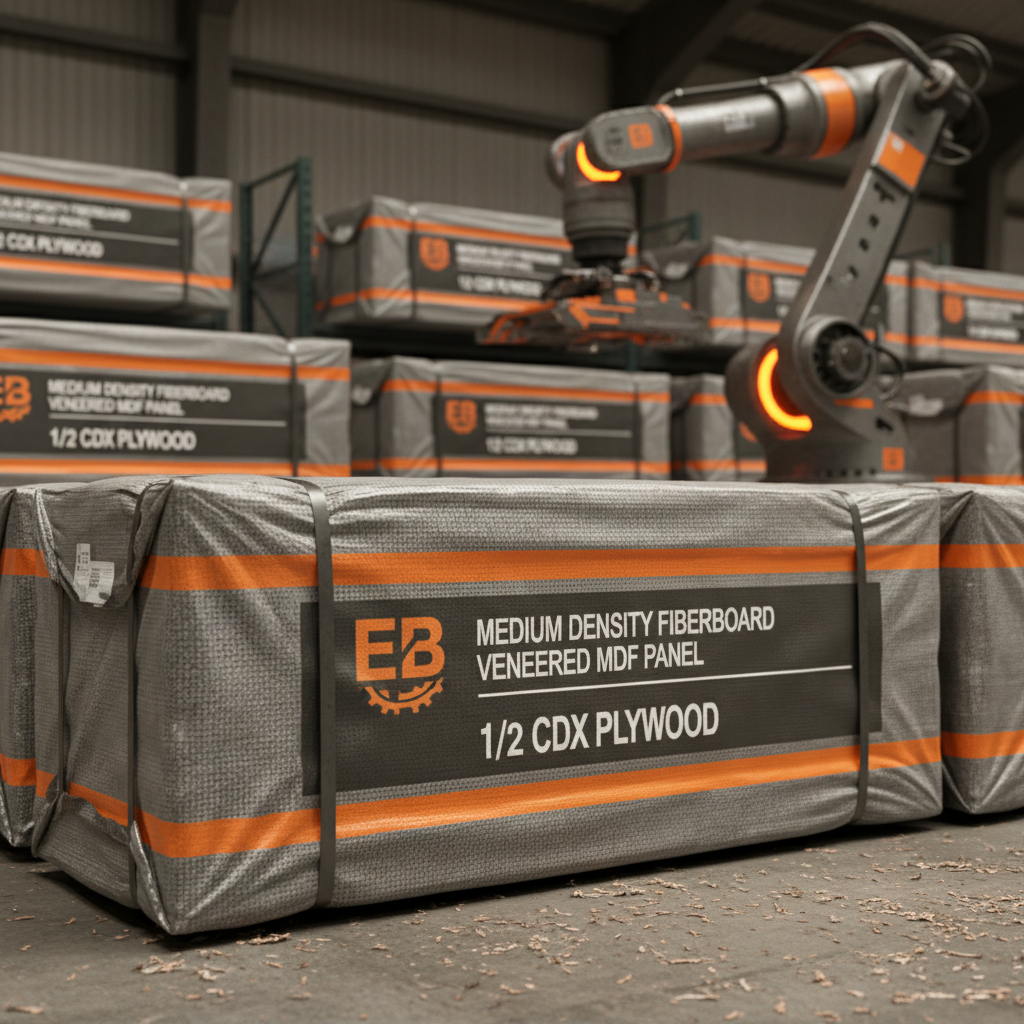
Optimized sizes mean simpler packing and shipping, reducing freight costs and emissions, particularly important for exporters and international nonprofits.
Mini takeaway:
- Precut MDF boards offer uniformity, flexibility, and practical savings.
- They fit both industrial-scale and rapidly deployed projects seeking reliable materials.
Global Applications and Real-World Use Cases
Curiously, precut MDF boards show up in a surprising variety of international scenarios:
- Furniture manufacturing hubs in China and Vietnam rely heavily on numerically controlled precut MDF pieces to streamline production.
- European interior design firms use them for modular wall panels, shelving, and cabinetry that require precise finishes.
- NGOs and disaster-relief organizations operating in regions like Southeast Asia or the Caribbean utilize precut MDF for fast assembly shelters after typhoons, where saving time and ensuring structural consistency is critical.
- Educational institutions and businesses are pioneering low-cost, rapid-build classrooms or kiosks using kits based on precut MDF.
- Remote industrial projects, such as mining camps in Australia or Canada, depend on prefabricated MDF partitions and cabinetry for temporary but sturdy setups.
One case in point: a Filipino NGO reported cutting building time by 40% after switching exclusively to precut MDF boards for temporary housing kits during typhoon recovery phases.
Mini takeaway:
- The global reach of precut MDF boards cuts across many sectors—from manufacturing to emergency relief.
- They enable faster, more consistent construction, even in tough or remote environments.
Advantages and Long-Term Value of Precut MDF Boards
The benefits of precut MDF boards are tangible and twofold—economical and emotional.
- Cost effectiveness: Lower labor, reduced scrap, and streamlined logistics all contribute to significant savings.
- Sustainability: Minimal waste and efficient raw material use align with modern eco-standards.
- Quality & reliability: Consistent materials promote trust among manufacturers and end-users alike.
- Social impact: Faster build times improve people’s living conditions sooner, providing dignity, safety, and stability.
Emotionally, businesses appreciate the control and predictability in projects. Humanitarian actors cherish faster shelter completion that protects lives and rebuilds community confidence.
Inside the Product Technical Specs
| Specification |
Details |
| Material |
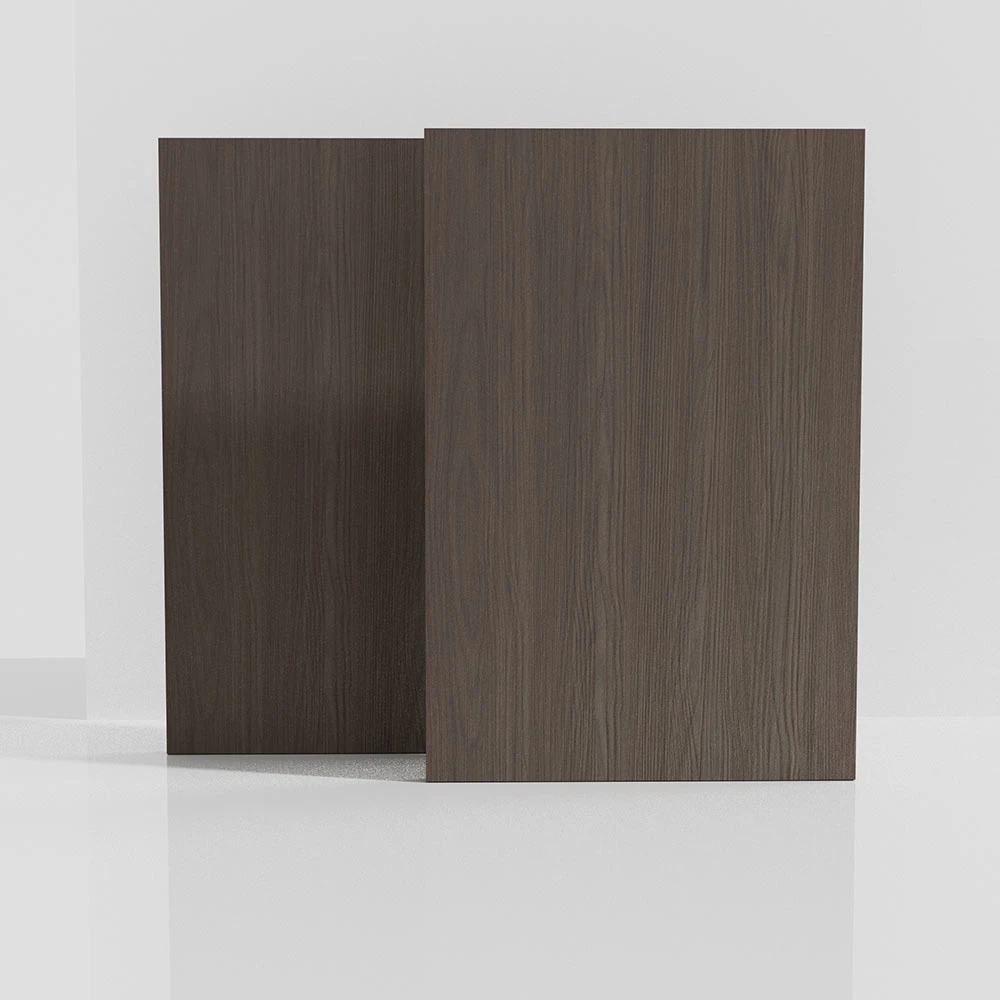
Medium-Density Fiberboard (MDF), eco-certified |
| Thickness Options |
6mm, 12mm, 18mm, 25mm |
| Dimensions |
Custom cut to size (up to 2440 x 1220 mm standard sheets) |
| Cutting Precision |
±0.5 mm tolerance (CNC-machined) |
| Surface Finish |
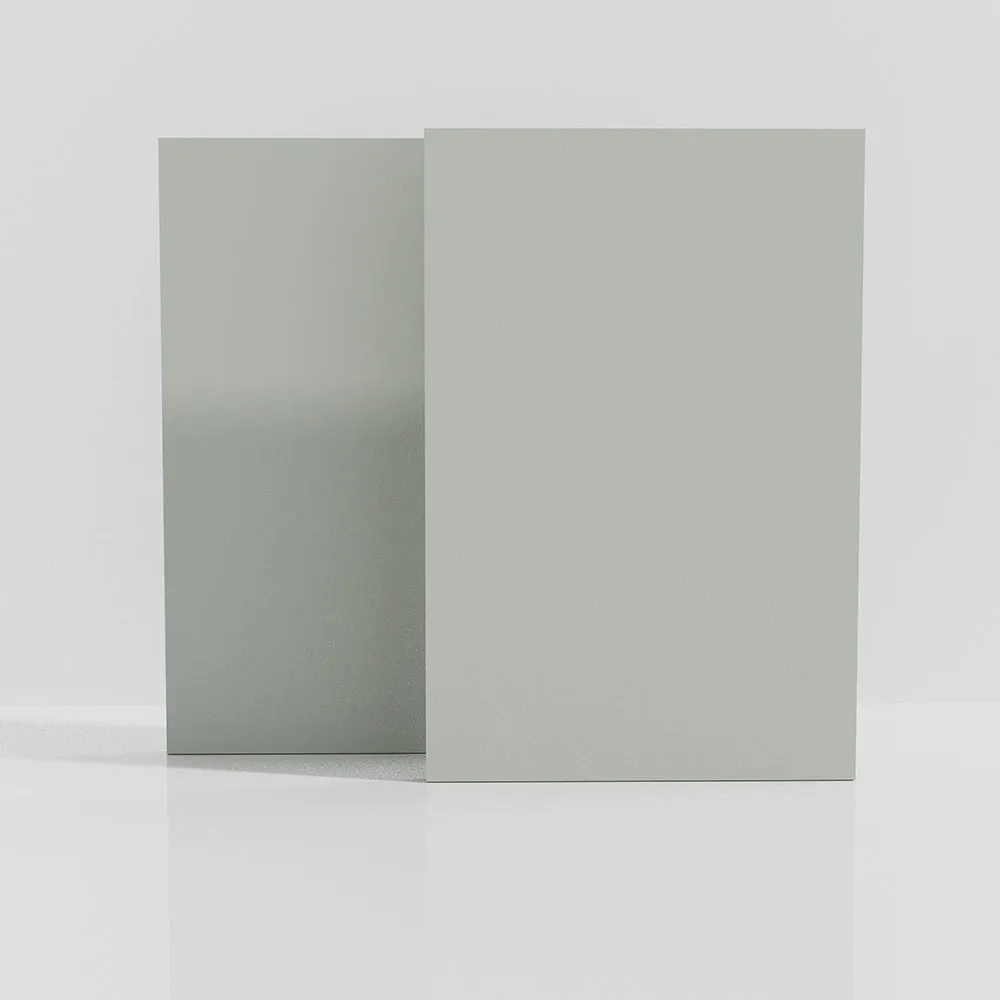
Smooth, ready for veneer or paint |
| Moisture Resistance |
Available with water-resistant treatment |
Comparing Leading Precut MDF Board Vendors
| Vendor |
Cutting Technology |
Customization Level |
Lead Time |
Sustainability Certifications |
Price Range |
| Tengfei MDF Inc. |
CNC Router + Laser Trimming |
High (custom shapes & sizes) |
2-3 weeks |
FSC, ISO 14001 |
Mid-range |
| Greenwood Panels |
Traditional CNC Cutting |
Moderate |
3-4 weeks |
FSC |
Budget-friendly |
| EcoFiber Boards |
Robotic CNC + Automated Sorting |
Very High |
1-2 weeks |
FSC, PEFC, ISO 9001 |
Premium |
Future Trends and Innovations in Precut MDF Boards
The precut MDF landscape is evolving fast, nudged by increasing environmental awareness and smarter manufacturing gigabytes. One of the biggest trends right now is integrating digital technologies—machine learning algorithms help optimize cutting patterns for minimal waste, while automated sorting lines speed delivery.
Eco-friendly innovations — like bio-based resins replacing formaldehyde or enhanced moisture-resistant coatings made from natural oils — are quickly gaining traction. Frankly, it feels like this field is ripe for a sustainability makeover without sacrificing affordability or precision.
Modular construction is another growth vector. Builders now demand precisely cut panels that snap together with minimal fasteners, fitting perfectly into smart prefab housing kits. The combination of precut MDF with green energy-powered production facilities also sets the stage for a greener wood products industry.
Challenges and Emerging Solutions
Of course, things aren’t perfect. Despite advancements, precut MDF boards still face hurdles:
- Moisture sensitivity: Untreated MDF can warp or swell in humid environments.
- Transportation fragility: Precut edges may chip if not properly packed.
- Cost barriers: Smaller buyers sometimes find the upfront expense prohibitive.
That said, innovations like water-resistant coatings, reinforced edge banding, and modular packaging solutions are helping. Additionally, digital ordering platforms now make custom precut MDF boards accessible to smaller enterprises, leveling the playing field considerably.
FAQ: Frequently Asked Questions About Precut MDF Boards
- Q: What advantages do precut MDF boards offer over raw sheets?
- A: Precut MDF boards save significant onsite labor and waste by arriving ready for immediate assembly, enhancing accuracy and project timing.
- Q: How durable are precut MDF panels in high-humidity areas?
- A: Standard MDF is susceptible to moisture, but water-resistant treatments are available, extending durability in humid or damp environments.
- Q: Can NGOs import precut MDF boards internationally with ease?
- A: Yes, many suppliers handle export logistics, and customized packaging reduces transit damage risks, making global shipping straightforward.
- Q: Are precut MDF boards eco-friendly?
- A: When sourced from FSC-certified materials and combined with efficient cutting processes, precut MDF boards are a sustainable choice compared to solid hardwood.
Conclusion: Why Choose Precut MDF Boards for Your Next Project?
In the end, precut MDF boards represent a clever blend of technology, practicality, and sustainability. They help reduce waste, cut costs, speed up manufacturing, and deliver consistently high quality. Whether you’re a furniture maker in Europe, a modular home builder in North America, or an NGO rapidly sheltering families after a disaster, precut MDF boards can be a game changer.
If you’re interested in exploring these advantages yourself, I’d say take a look at precut mdf boards offerings on reputable supplier sites like Tengfei MDF—they’ve got a range of sizes, finishes, and custom options to suit many needs.
Trust me, once you switch to precision-cut boards, it feels like you’ve lifted a big weight off your workflow—and that’s no small thing in a world where time and resources always matter.
References
- Wikipedia: Medium-density fibreboard
- Forest Stewardship Council (FSC) Certification
- United Nations Sustainable Development Goal 12: Responsible Consumption and Production