A Veteran's Take on MDF Board Sheets in Industry
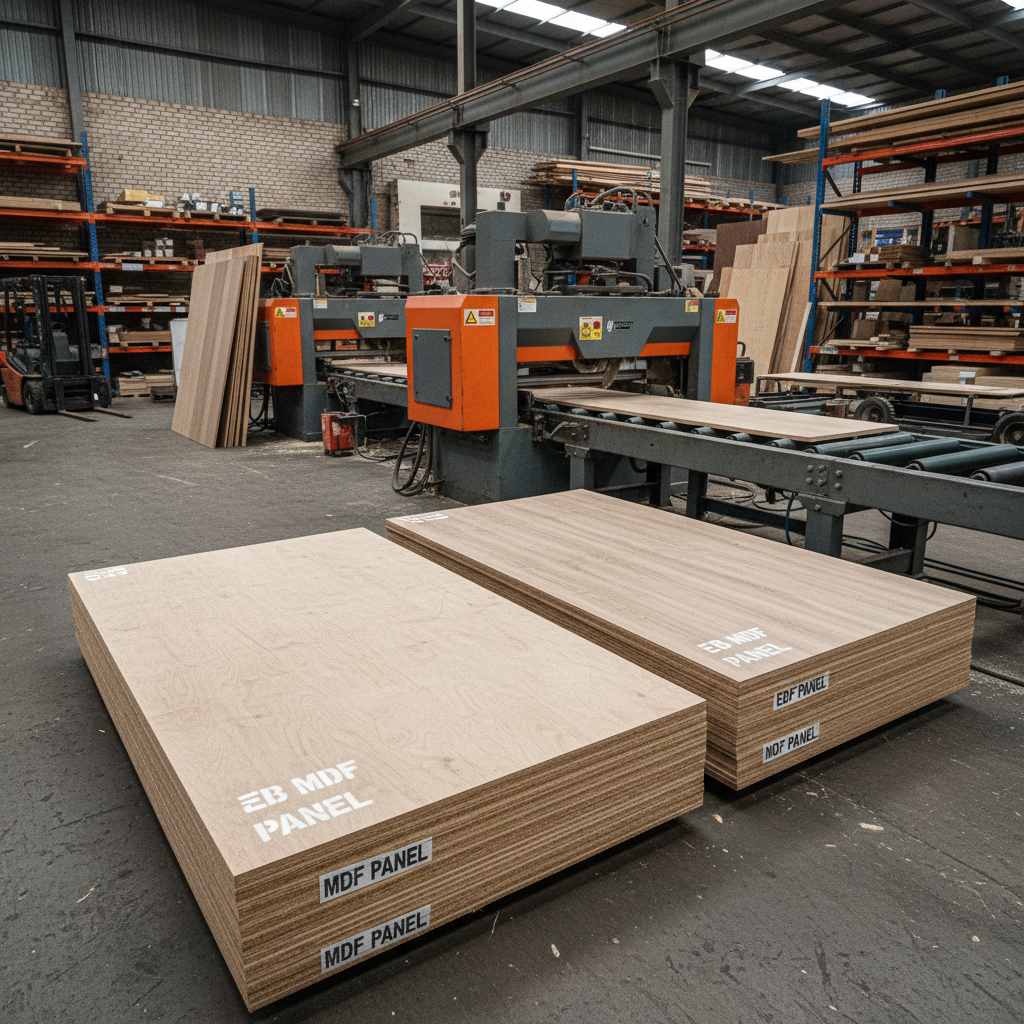
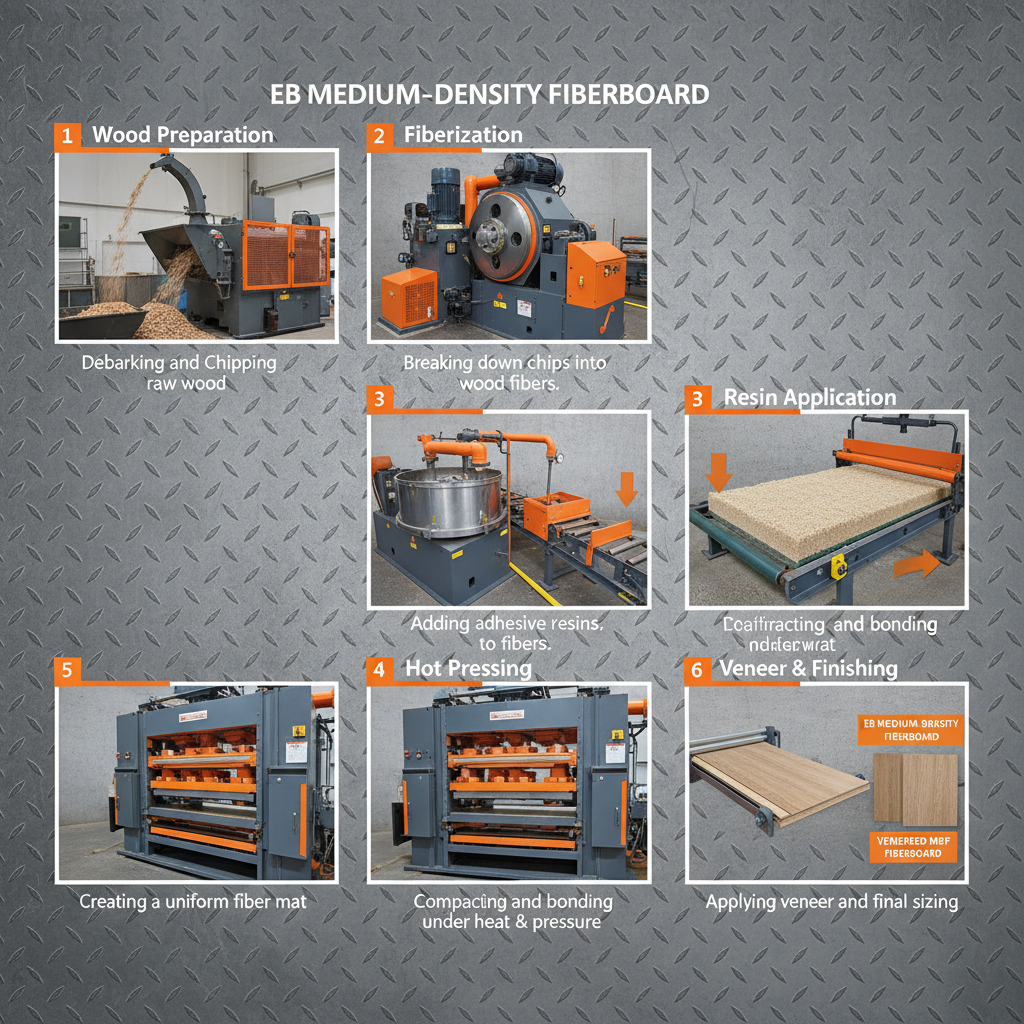
Stuff like MDF board sheet often flies under the radar until you really get your hands dirty with them. I've been around industrial equipment and materials long enough to say—it’s more than just a sheet of compressed wood fibers. It's a versatile backbone in countless applications, from cabinetry to machinery casings.
Oddly enough, MDF has this way of quietly proving its worth. You wouldn't guess by looking at it, but its uniform density and smooth surface open doors for tighter tolerances and easier machining that plywood or particleboard sometimes can’t match.
Understanding the Core Specifications of MDF Board Sheets
Now, before you start thinking every MDF sheet is the same—don't. Specs vary quite a bit depending on where and how it’s made. I’ve long preferred sheets with consistent moisture content, roughly 6-9%, to avoid warping in production. Density is typically around 600-800 kg/m³, which strikes a good balance between strength and weight.
| Specification |
Typical Value |
Unit |
| Thickness Range |
2.5 - 30 |
mm |
| Density |
600 - 800 |
kg/m³ |
| Moisture Content |
6 - 9 |
% |
| Modulus of Rupture |
20 - 30 |
MPa |
| Surface Smoothness |
High |
- |
Choosing the Right Supplier: A Quick Vendor Comparison
In real terms, picking a supplier is sometimes just as critical as the material specs. Over the years, some vendors deliver reliable stock with consistent quality, while others are hit-or-miss, making the production line a bit of a nightmare. I put together a simple rundown comparing a few key players including Tengfei, known for its solid industrial MDF sheets.
| Vendor |
Quality Consistency |
Customization Options |
Delivery Speed |
Value for Cost |
| Tengfei MDF |
Excellent |
Wide range |
Fast & reliable |
High |
| Vendor B |
Good |
Limited |
Moderate |
Moderate |
| Vendor C |
Variable |
Few options |
Slow |
Low |
One particular case I remember was a client needing a custom MDF solution for an electrical enclosure—tight cutting tolerances and moisture resistance were key. Tengfei's sheets held up nicely through rapid CNC machining and stood firm in the humid environment, avoiding the typical swelling issues that gave us trouble before.
It's not just wood pulp and resin anymore; the engineering behind MDF boards has evolved. There are flame retardant grades, moisture resistant types, and even ultralight options tailored for equipment designers who—frankly—need to keep weight down without sacrificing strength.
So if you’re diving into a new project or sourcing material for replacement parts, think beyond the basics. Customizations and exact specification matching can ramp your product's reliability and user satisfaction.
Oh, and if you’re sourcing, I’d recommend having a conversation with suppliers like Tengfei early on. Their willingness to tweak specs or provide guidance often makes a difference down the line, when everyone’s counting on the material to perform.
In the end, MDF board sheet isn’t just another panel—it’s a quiet workhorse for the shop floor.
Final Notes and Personal Reflection
Working in industrial equipment means dealing with lots of materials and manufacturers. MDF boards may seem mundane, but their subtleties matter when uptime and precision are non-negotiable. After years seeing different MDF grades and vendors, quality consistency still tops the list as a deal-breaker.
Take time to vet suppliers and understand the specs, because a sheet that warps or underperforms affects everything else on your line. That might sound basic, but trust me—it's the kind of detail that saves a headache in the long run.
Alright, I’ll stop preaching. MDF sheets will keep showing up in the workshop, quietly doing their job. And frankly? That’s exactly how I like it.
References:
1. Industry experience and field notes from equipment manufacturing.
2. Tengfei MDF product spec sheets and customer feedback.
3. General woodworking materials testing standards and reports.