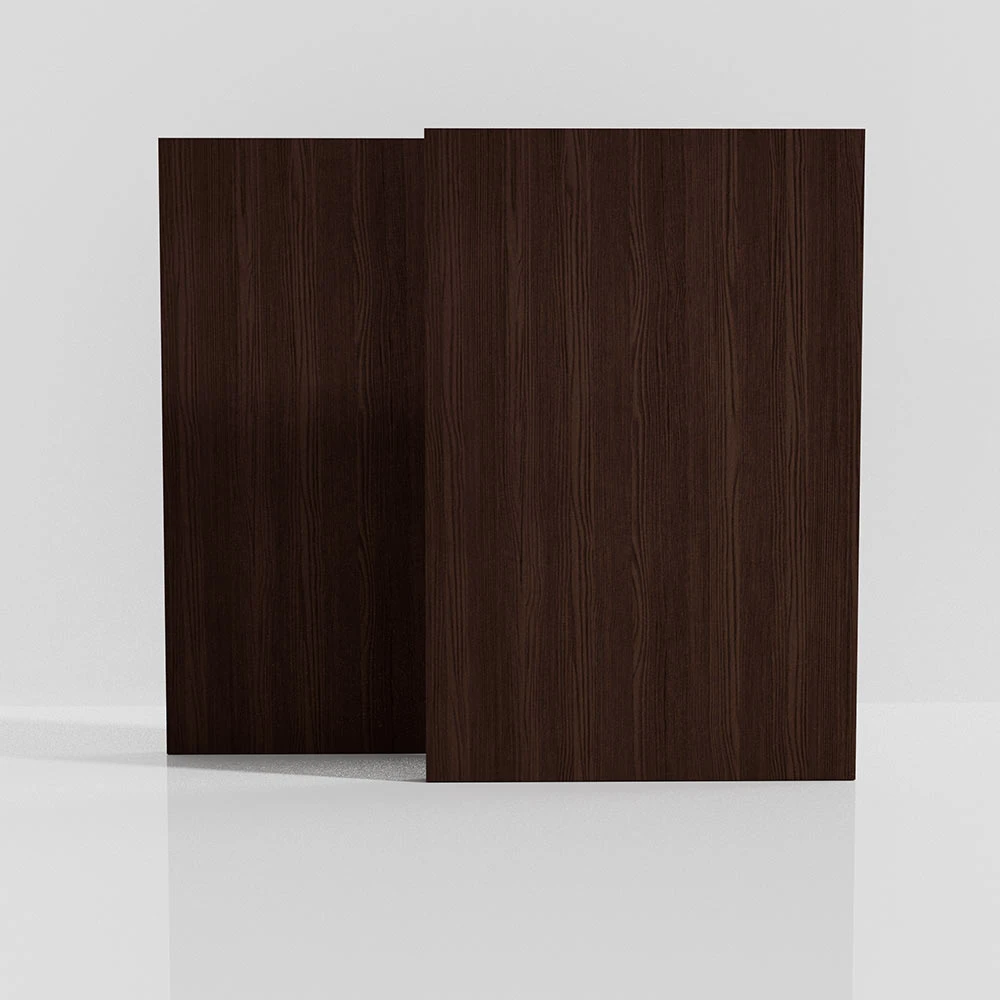
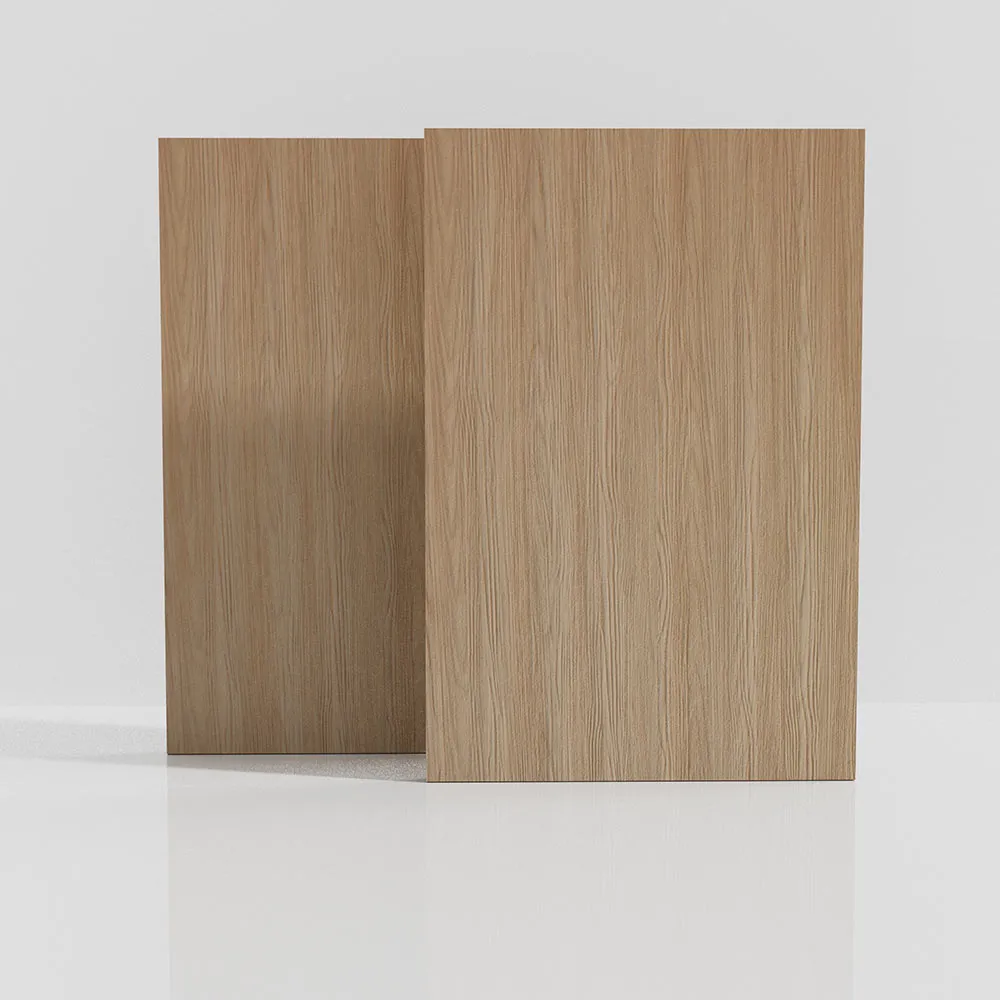
20 Mm Plywood Price is a key solution in the industry, specifically within commercial construction and industrial manufacturing. This article explores how https://www.tengfeiebmdf.com supports professionals with durable, high-performance products, and explains why this product is an ideal choice for businesses in these sectors.
Table of Contents
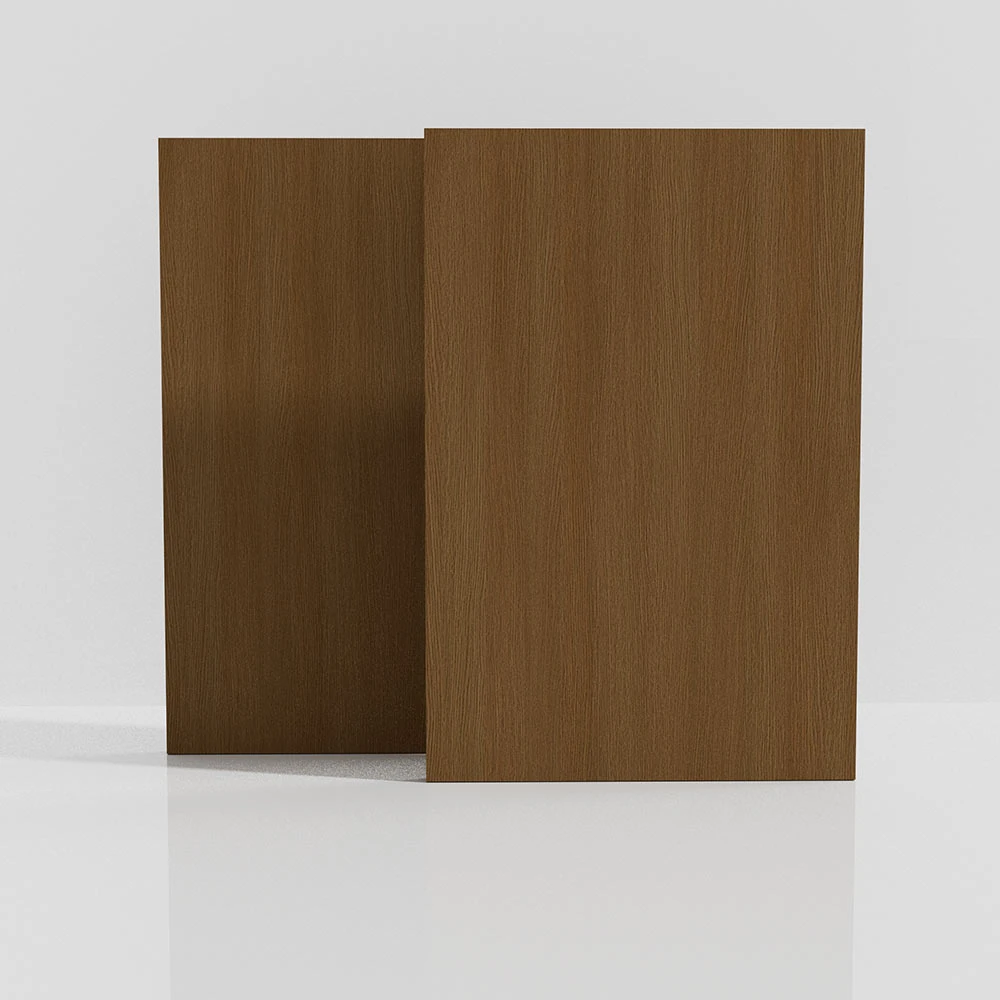
So, what exactly is the deal with 20 Mm plywood, and why does the price matter so much? In short, 20 Mm plywood sheets present a neat balance of strength, thickness, and cost-effectiveness that makes them a staple in various professional settings. Think of it as the “Goldilocks” plywood thickness—neither too thick nor too flimsy. It’s widely used in industries like interior construction, furniture making, and even for specialized packaging.
Technically speaking, these plywood sheets typically have 5 to 7 layers of veneer glued under heat and pressure, giving them high durability and resistance to warping. Specifications for 20 Mm plywood often center around properties like formaldehyde content, bending strength, and moisture resistance. Companies like Tengfei provide products compliant with international standards, which is crucial when your projects need reliability down to the millimeter.
20 Mm Plywood Specifications
| Feature |
Specification |
| Thickness |
20 mm ± 0.5 mm |
| Number of Layers |
5-7 layers |
| Glue Type |
MR, WBP water resistant |
| Moisture Content |
6-12% |
| Formaldehyde Emission |
E0/E1 Standard |
The benefits here aren’t just about the plywood itself but how the price affects your project’s total value. Businesses find that the cost-to-benefit ratio is quite attractive, especially when working on medium-to-large-scale commercial builds or furniture manufacturing. The 20 mm thickness adds that extra rigidity needed for load-bearing applications while still being manageable to cut and finish.
Oddly enough, while many suppliers offer similar layers, Tengfei’s emphasis on water-resistant glue types means their plywood can hold up better in humid environments—a big deal in industries dealing with varying climate conditions. Plus, their focus on low formaldehyde emissions supports healthier workspaces, which is slowly becoming non-negotiable for many companies aiming for green certification.
In terms of use cases, you’ll find this plywood in partitions, wall paneling, cabinetry, even in the making of shipping crates where structural integrity can’t be compromised. It’s that kind of versatility which frankly makes it a safe bet for procurement managers juggling budget and quality constraints.
Cost, Maintenance & User Experience
When it comes to cost, the raw price per square meter or sheet is just part of the picture. In real terms, you need to think about the total cost of ownership (TCO). Tengfei’s plywood, for instance, tends to edge out competitors by delivering consistent quality that reduces waste and rework—two real budget killers in construction and manufacturing.
The maintenance side is straightforward: good plywood care includes keeping it dry and sealing exposed edges, but products with WBP glue naturally require less frequent upkeep. Many engineers I’ve talked to say that over a two-year window, the slightly higher upfront cost actually ends up saving them time and money overall.
There’s also a lot of positive user feedback out there about its machinability and finishing — you get smoother cuts, less splintering, and great surface adhesion for paints and laminates. All that translates into faster turnaround on your end products, which for a B2B buyer, frankly feels like the tipping point.
Sustainability & Market Trends
Talking sustainability is crucial these days, and plywood has been far from silent in this regard. Suppliers like Tengfei are climbing ahead by ensuring the source wood is FSC-certified or harvested under controlled conditions. This matters because regulations in the EU and North America are tightening, pushing buyers to look for greener options or risk being shut out of high-value markets.
Market trends also show a shift toward products that meet strict formaldehyde emission standards, and 20 Mm plywood with E0 or E1 ratings fits into this nicely. Oddly enough, as more companies adopt green building practices, demand for plywood that balances performance with eco-friendliness is climbing steadily.
What’s more, the plywood sector seems to be innovating around formaldehyde-free adhesives and recycling initiatives, though it’s still early days for widespread adoption. For now, ensuring your supply chain aligns with sustainability goals is a wise, if not necessary, step in future-proofing your projects.
Vendor Comparison: Tengfei vs. Typical Suppliers
| Criteria |
Tengfei |
Average Supplier |
| Price per Sheet |
Competitive |
Variable, often higher |
| Water Resistance |
High (WBP Glue) |
Moderate |
| Formaldehyde Emission |
E0/E1 Certified |
Often E1 or above |
| Lead Time |
Typically Short (Bulk Supply) |
Variable, often longer |
Frequently Asked Questions about 20 Mm Plywood Price
- What is 20 Mm Plywood Price and how does it work?
- 20 Mm plywood refers to sheets of wood veneer layered and glued to achieve a consistent thickness of 20 millimeters. The pricing reflects material quality, manufacturing processes, and market factors. It works as a versatile building material balancing strength and cost.
- What are the main benefits of using 20 Mm Plywood Price in industrial applications?
- Key benefits include strong load-bearing capacity, dimensional stability, water resistance (depending on glue type), and cost-efficiency. These factors help improve durability and reduce lifecycle costs in industrial settings.
- How does 20 Mm Plywood Price compare to traditional alternatives?
- Compared to solid wood or thicker plywood, 20 Mm plywood often offers better performance-to-cost ratio, faster installation, and easier handling. Advances in adhesives and veneer quality also give it an edge over older, less consistent products.
- What industries can benefit most from 20 Mm Plywood Price implementation?
- Industries such as construction, furniture manufacturing, transportation (packaging crates), and interior design rely heavily on 20 Mm plywood. Many use it in load-bearing structures, cabinetry, partitions, and decorative panels.
Conclusion on 20 Mm Plywood Price from china
In conclusion, 20 Mm plywood offered by Tengfei strikes a compelling balance of quality, price, and environmental considerations. For B2B decision makers, it’s the kind of product that feels reliable without the usual compromises on cost or certification. If you want to ensure durability and sustainability in your projects, this plywood is definitely worth a closer look.
It’s interesting how a seemingly simple product like 20 Mm plywood has evolved so much—sometimes the smallest details make the biggest difference.
- FSC - Forest Stewardship Council Certification Information
- Tengfei Company Product Specifications
- Recent market reports on plywood demand and sustainability trends