Understanding Plywood Pieces: An Essential Material Across Industries
When you hear the term plywood pieces, you might picture simple wooden boards stacked in a warehouse. But in reality, these are the quiet heroes of construction, furniture, and even humanitarian efforts worldwide. Why do plywood pieces matter so much globally? Well, their versatility, cost-effectiveness, and strength make them indispensable in building durable structures—from homes to shipping crates. Appreciating these moderate-sized wood composites unlocks a better grasp of sustainable building, efficient manufacturing, and even disaster relief. Let’s explore how understanding plywood pieces benefits not just industries but also communities around the globe.
Global Context: Why Plywood Pieces Matter More Than Ever
It’s fairly striking how essential plywood pieces have become internationally. According to the International Wood Products Association IWPA, plywood constitutes a significant segment of global wood panel trade, with consumption exceeding 150 million cubic meters annually. Thanks to their engineered layers, plywood pieces are stronger compared to regular timber boards, which is why they’re favored from Asia to North America. However, as urbanization rapidly expands—especially in Asia and Africa—there’s mounting pressure for affordable, quick-to-assemble housing and infrastructure. This creates a direct demand for plywood components as foundational building blocks.
But here lies the rub: not all plywood is equal. Variations in quality, sourcing, and environmental footprint pose challenges for companies and governments striving to use these materials sustainably. From deforestation concerns flagged by the United Nations Forum on Forests (UNFF) to fluctuating raw material costs, plywood pieces represent a microcosm of larger global sustainability and economic issues.
Mini takeaway: Plywood pieces are a globally traded, essential commodity supporting rapid urban growth—but sourcing ethical, durable plywood remains a challenge.
What Are Plywood Pieces Exactly?
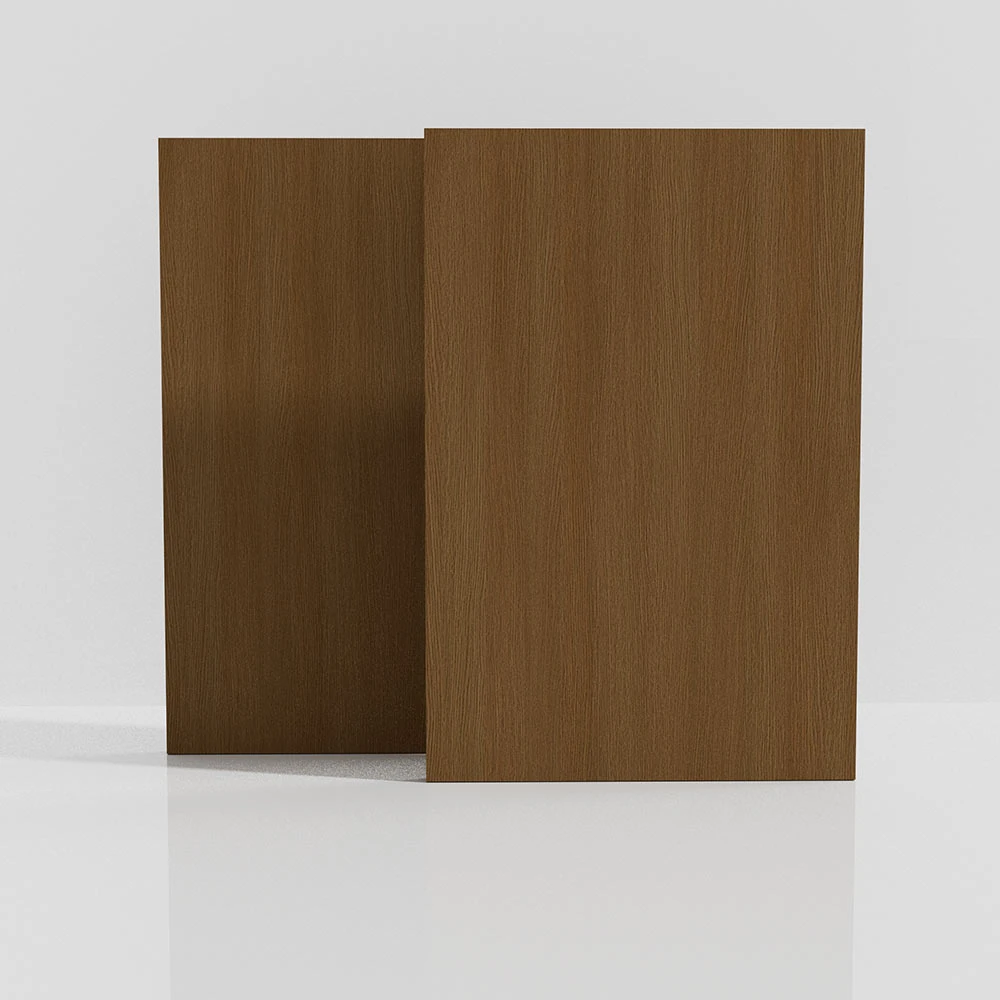
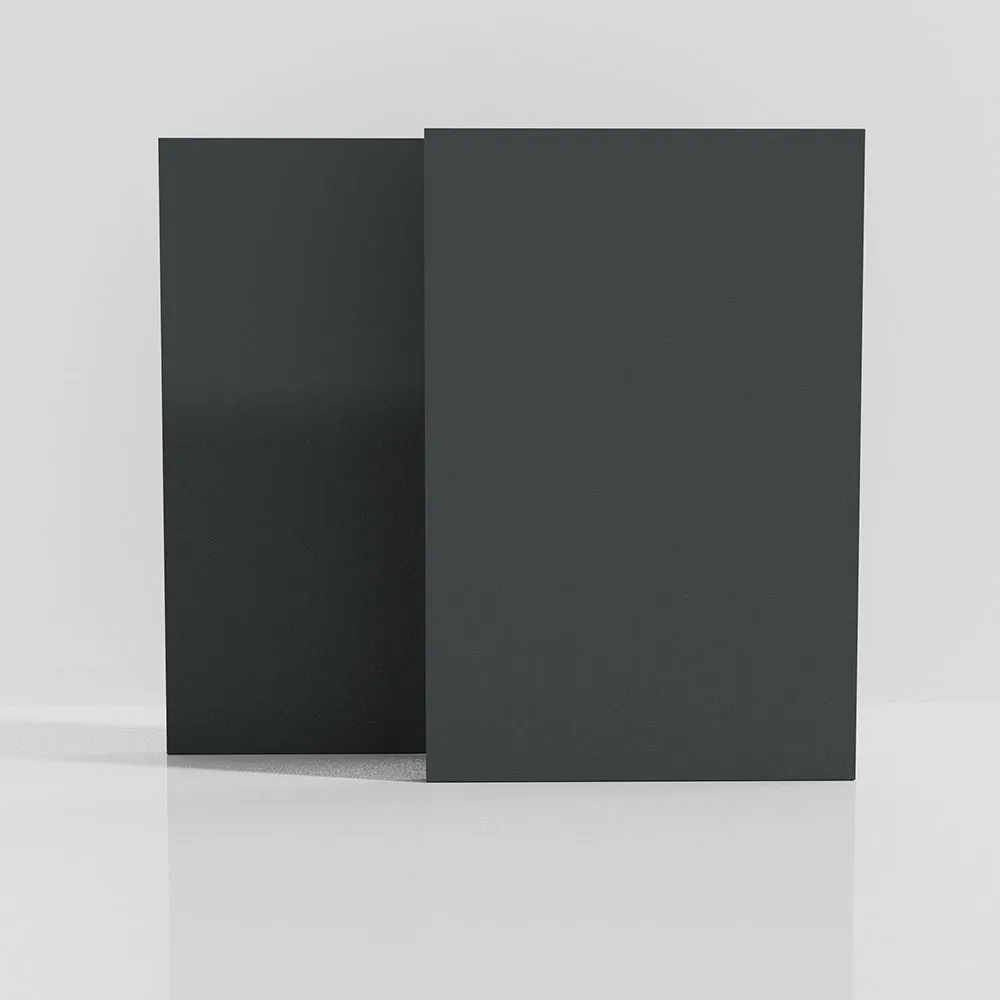
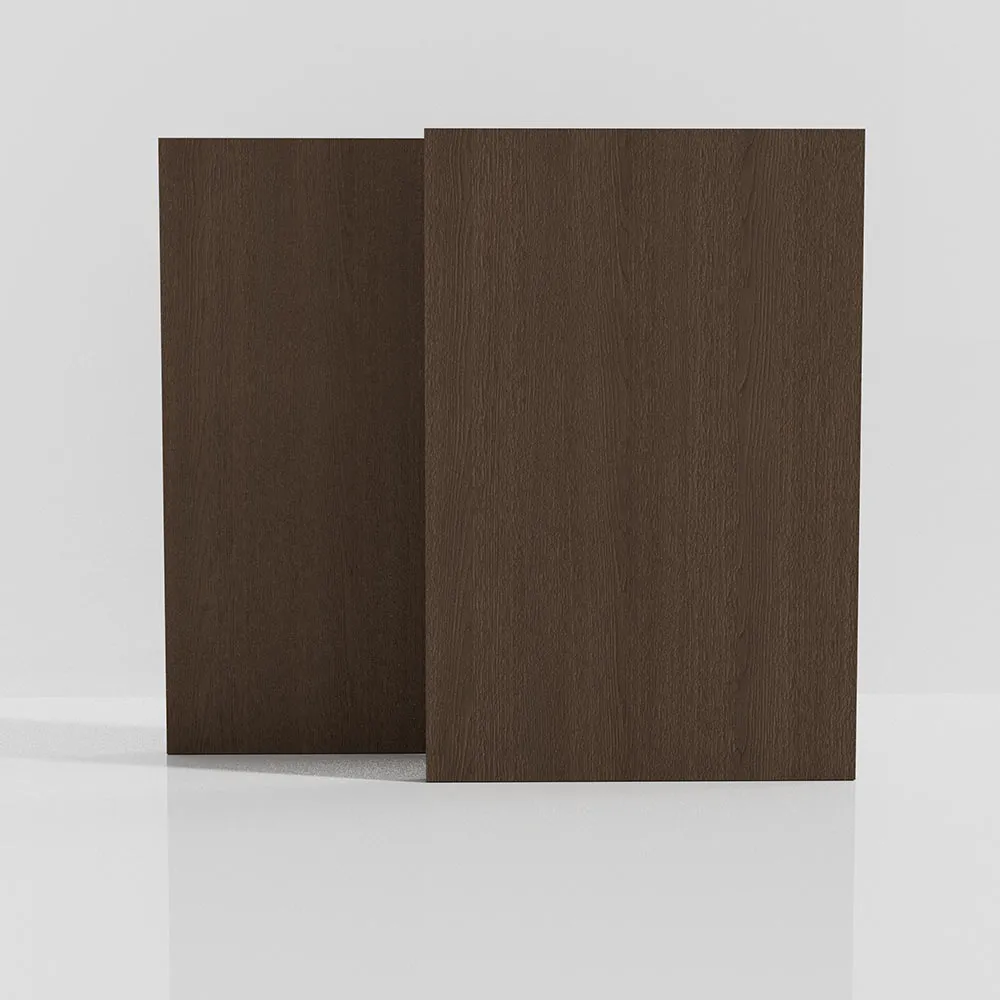
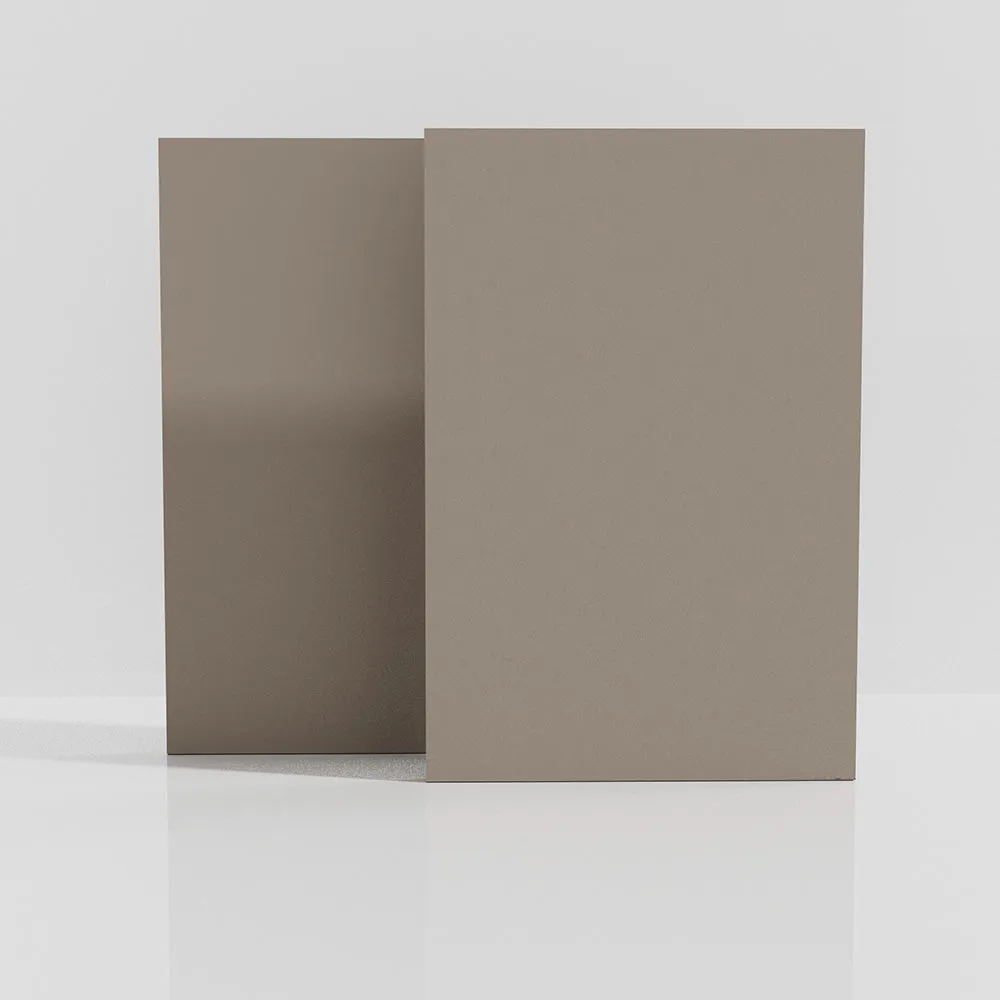
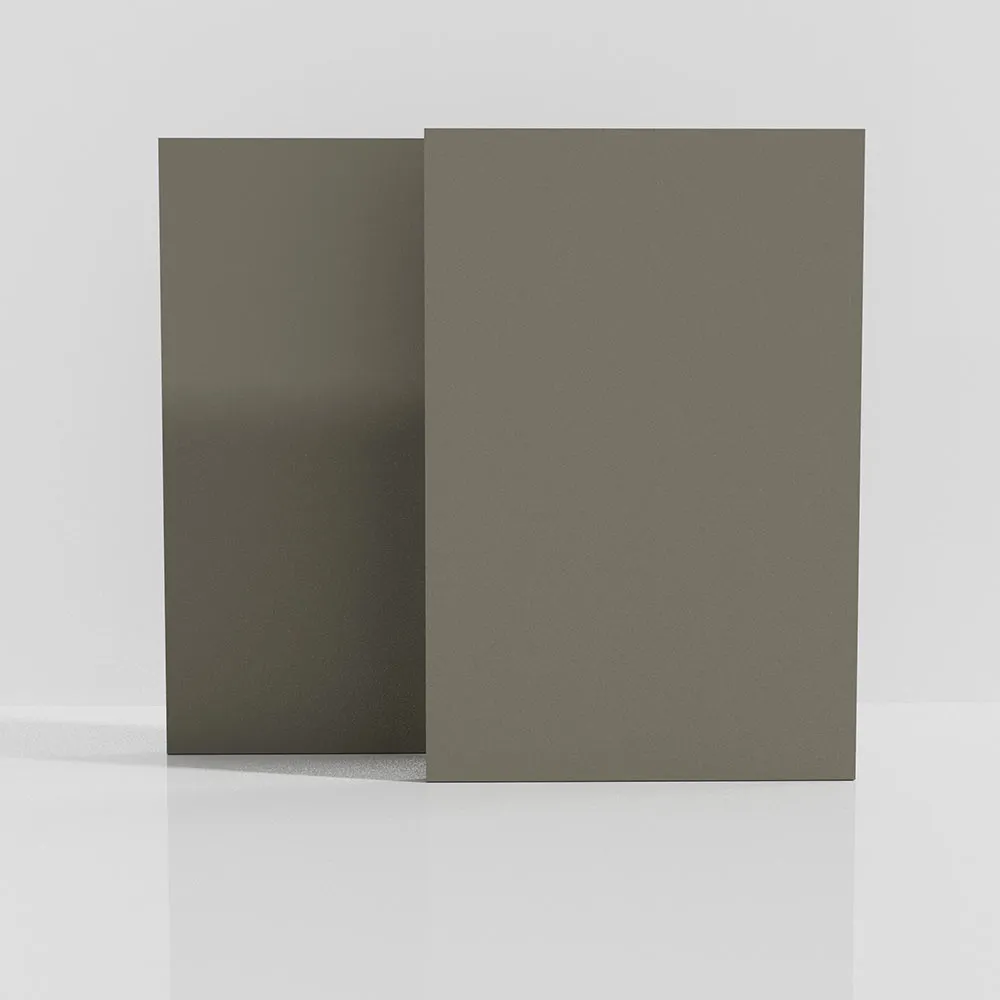
At its core, a plywood piece is an engineered wood panel made by gluing together thin layers (“plies”) of wood veneer. The grain of each layer is typically rotated 90 degrees relative to adjacent layers, lending excellent strength and stability. These pieces can vary widely—thickness, size, core material, and surface finishing all depend on their intended use.
In modern industries, plywood pieces find roles in everything from furniture manufacturing to shipping containers. Ironically, humanitarians also lean on these pieces to quickly fabricate shelter walls or flooring in disaster-hit areas where speed and durability trump traditional building methods.
Mini takeaway: Plywood pieces are versatile, multi-layered boards prized for strength and adaptability, bridging traditional craftsmanship and modern industrial needs.
Key Factors Defining Plywood Pieces
1. Durability
Plywood’s cross-grain layers minimize splitting and warping, giving it resilience in fluctuating climate conditions. Good plywood stands up to moisture better than solid wood, especially when treated.
2. Cost Efficiency
Compared to hardwood boards or steel alternatives, plywood pieces offer a friendly balance of price and durability. This affordability helps industries scale projects affordably.
3. Environmental Impact
Well-sourced plywood, especially from sustainably managed forests certified by FSC or PEFC, reduces deforestation risks. Moreover, engineered wood products use smaller trees efficiently.
4. Scalability and Customization
You can get plywood pieces in a wide variety of sizes and finishes—whether standard 4x8 foot sheets or smaller cut-to-size boards tailored for specific construction projects.
5. Structural Versatility
Used structurally, plywood can be an excellent sheathing material providing rigidity, or aesthetically in furniture — a dual function few materials offer at the same price point.
| Specification |
Details |
| Material |
Rotary-cut veneer layers of hardwood and softwood |
| Thickness |
Typically 3mm to 25mm |
| Core Types |
Solid, veneer, or composite core |
| Surface Finishes |
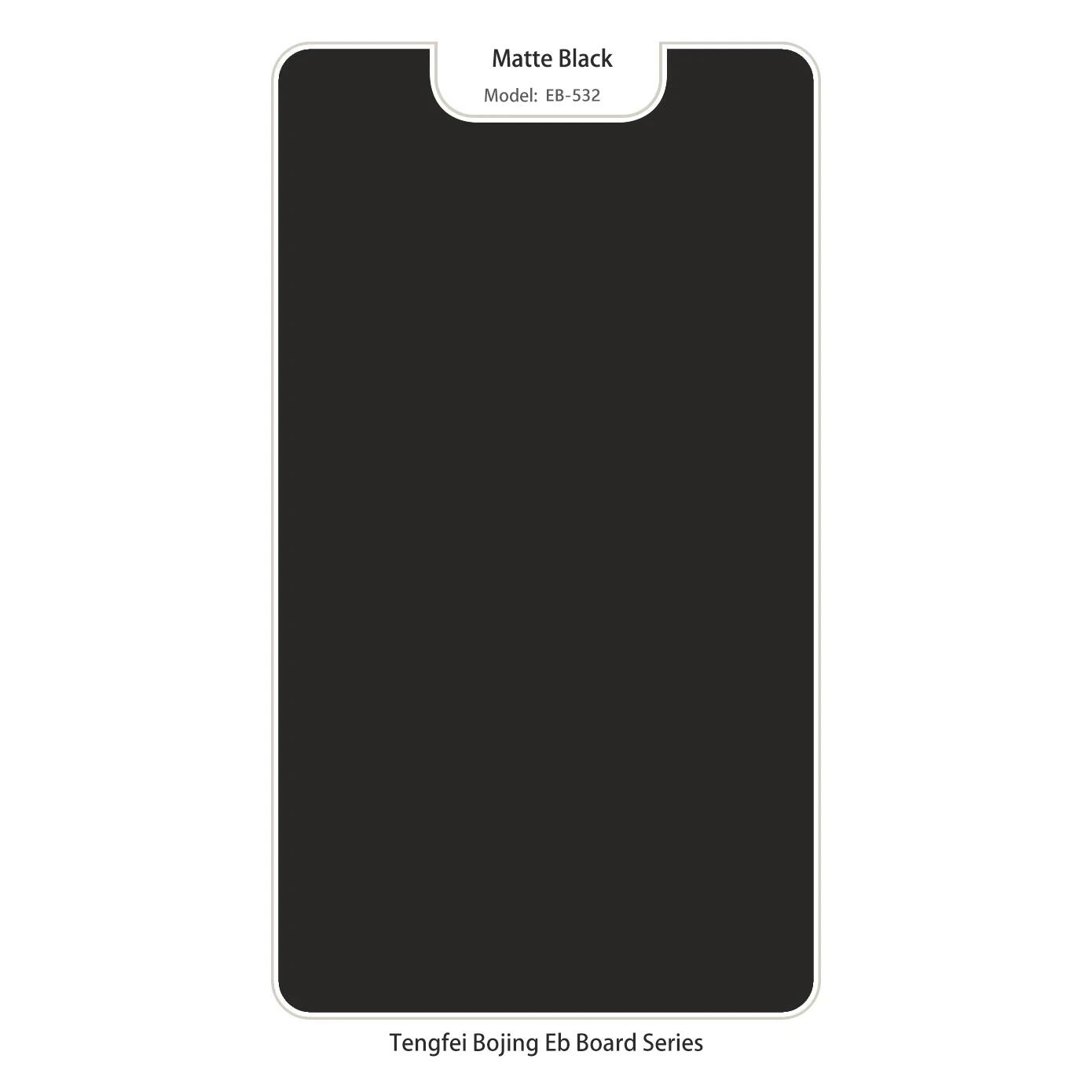
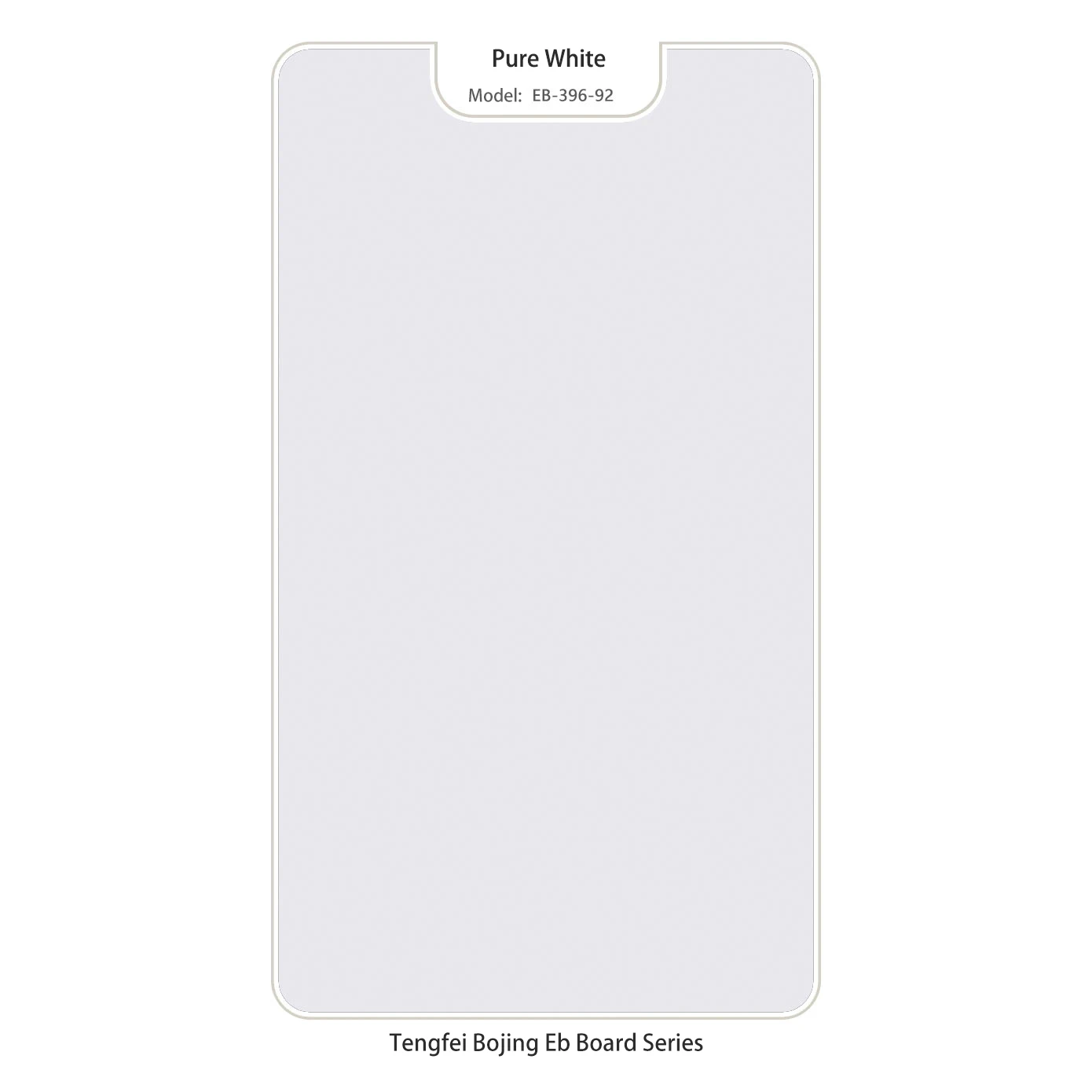
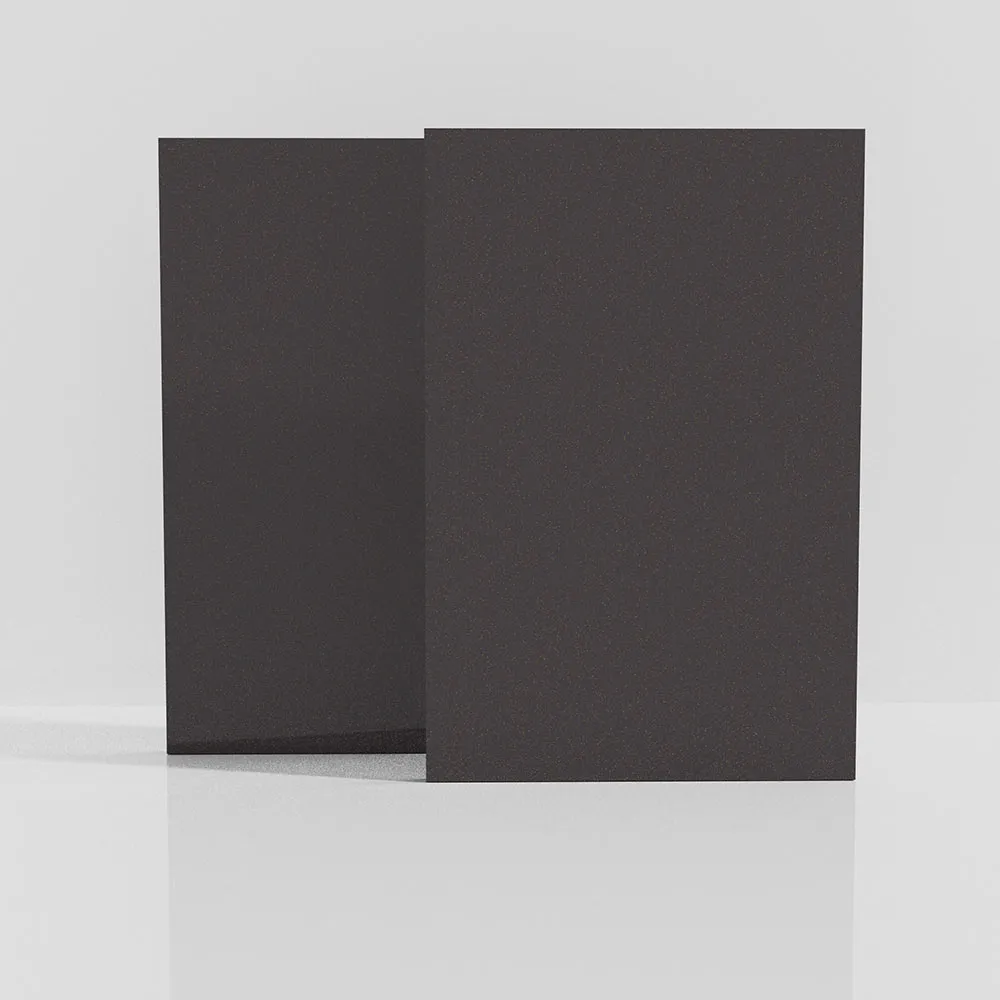
Melamine, paint, film, natural wood veneer |
| Typical Uses |
Construction, furniture, packaging, transportation |
Mini takeaway: Durability, cost-efficiency, and environmental credentials make plywood pieces practical yet responsible choices, with flexible specs for diverse needs.
Global Applications of Plywood Pieces
Plywood pieces are everywhere—think of residential homes in Canada, layered shelving in European warehouses, or emergency shelters in disaster zones across Southeast Asia. Their adaptability suits varied climates and regulations. For example:
- Post-disaster relief: When floods or earthquakes strike, plywood serves as a fast, stable material for temporary housing units and rebuilding.
- Industrial usage: In manufacturing plants across China, precisely cut plywood pieces streamline production lines for equipment cases or work surfaces.
- Developing regions: Local carpenters in African countries creatively convert plywood into everything from school furniture to market stalls.
- Sustainable packaging: Exporters of fragile goods increasingly favor plywood crates, balancing protection with weight savings for shipping.
If you’re interested in sourcing durable plywood pieces tailored for industry-grade performance, check out plywood pieces from reputable suppliers offering rigorous quality standards.
Mini takeaway: Whether shipping, building, or emergency use, plywood pieces enable adaptable, reliable solutions across global markets.
Advantages & Long-Term Value of Plywood Pieces
Buying plywood pieces isn't just about the upfront cost. There are deeper perks:
- Economic savings: Less waste because plywood panels maximize tree utilization and reduce offcuts.
- Sustainability: Certified pieces support forest regeneration.
- Social impact: Building safe shelters in vulnerable communities protects dignity and well-being.
- Innovation driver: New laminates and finishes expand design possibilities without compromising reliability.
Frankly, plywood pieces feel like a material bridging tradition and tomorrow—trustworthy yet progressive, familiar yet endlessly adaptable.
Mini takeaway: Plywood delivers both tangible cost and social benefits, reinforcing its role as a cornerstone material worldwide.
Emerging Trends & Innovations in Plywood Manufacturing
Innovation is alive and well in plywood circles. Key trends include:
- Green adhesives replacing formaldehyde-based glues reduce toxicity.
- Modified wood treatments improve water resistance without plastics.
- Automation in cutting and layering enhances precision and reduces labor.
- Hybrid panels combining plywood with recycled plastics or metals for specialty use cases.
Governments and industries aligned with circular economy principles increasingly prefer certified plywood—to minimize environmental impact while keeping industrial momentum.
Mini takeaway: Sustainable innovations make plywood pieces better and greener, signaling a bright future in eco-conscious markets.
Challenges & Smart Solutions
If plywood sounds too perfect, well… like any material, it has pitfalls. For example, low-grade plywood can delaminate in wet environments; supply chain disruptions impact timber availability; not all factories enforce sustainable harvesting.
But tech-savvy manufacturers now use computer-controlled presses ensuring tight glue bonds, incorporate moisture sensors during production, and partner with FSC-certified forests to guarantee traceability.
On the user side, specifying the right plywood grade for climate and application—along with proper maintenance—extends its lifecycle immensely.
| Supplier |
Quality Standards |
Sustainability Certification |
Price Range (USD/sq ft) |
| Tengfei Wood |
ISO 9001, CARB Phase 2 |
FSC Certified |
$0.90 - $1.30 |
| Global Ply Inc. |
ISO 14001 |
PEFC Certified |
$0.80 - $1.10 |
| EcoWood Panels |
ISO 9001 |
Mixed Certifications |
$1.00 - $1.40 |
Mini takeaway: Despite challenges, certified suppliers and modern production techniques enhance plywood’s reliability and sustainability.
FAQs About Plywood Pieces
- What factors determine plywood quality?
- Plywood quality depends on wood species, veneer thickness, adhesive type, and manufacturing precision. Higher-grade plywood uses denser woods and formaldehyde-free glues, which enhance durability and safety.
- How long do plywood pieces last in outdoor applications?
- Properly treated plywood can last 15-20 years outdoors. Untreated plywood degrades faster due to moisture and UV exposure. Selecting exterior-grade plywood with waterproof glue improves longevity.
- Are plywood pieces environmentally sustainable?
- Yes, when sourced from FSC or PEFC-certified forests, plywood pieces support sustainable forestry. Advances in green adhesives and wood modification further reduce ecological impact.
- Can plywood pieces be customized for large projects?
- Absolutely. Many manufacturers offer custom cutting, finishing, and thickness options to fit specialized construction or furniture needs efficiently.
- Where to buy industrial-grade plywood pieces online?
- Reliable suppliers like Tengfei Wood provide quality, certified plywood pieces with international shipping and technical support.
Conclusion
In sum, plywood pieces quietly shape the world around us—from the furniture in our homes to emergency shelters helping displaced families. Their cost-effectiveness, durability, and growing sustainability credentials make them invaluable. If you want to explore trusted, high-quality plywood pieces tailored for your needs, I warmly recommend visiting our website. Understanding plywood now pays off tomorrow—building safer, smarter, and greener.
It’s funny how something so mundane often carries so much potential—and, frankly, plywood deserves a bit more spotlight than it usually gets.