Understanding Plywood Planks: A Cornerstone of Modern Construction and More
Plywood planks might not be the flashiest topic, but frankly, they underpin a huge chunk of industries worldwide—from constructing homes to shaping sustainable packaging solutions. Understanding plywood planks is not just for woodworkers; it’s critical globally, especially as demand for eco-friendly, durable, and cost-effective materials surges. This article walks through what plywood planks are, why they matter now more than ever, and how innovations in this realm can impact everything from relief housing to industrial design.
Global & Industry Context: Why Plywood Planks Matter Worldwide
Oddly enough, plywood planks remain one of the most widely used engineered wood products in the world. According to the Wikipedia entry on engineered wood, plywood accounts for a significant share of timber products. The global plywood market is projected to reach nearly $90 billion by 2028, driven by booming construction and furniture markets, especially in Asia-Pacific regions.1
However, a huge challenge lies in balancing rapid urbanization—requiring scalable building materials—with increasingly stringent environmental policies. Plywood planks address this by offering renewable resources with less waste than solid wood, helping industries innovate while respecting climate goals.
Defining Plywood Planks
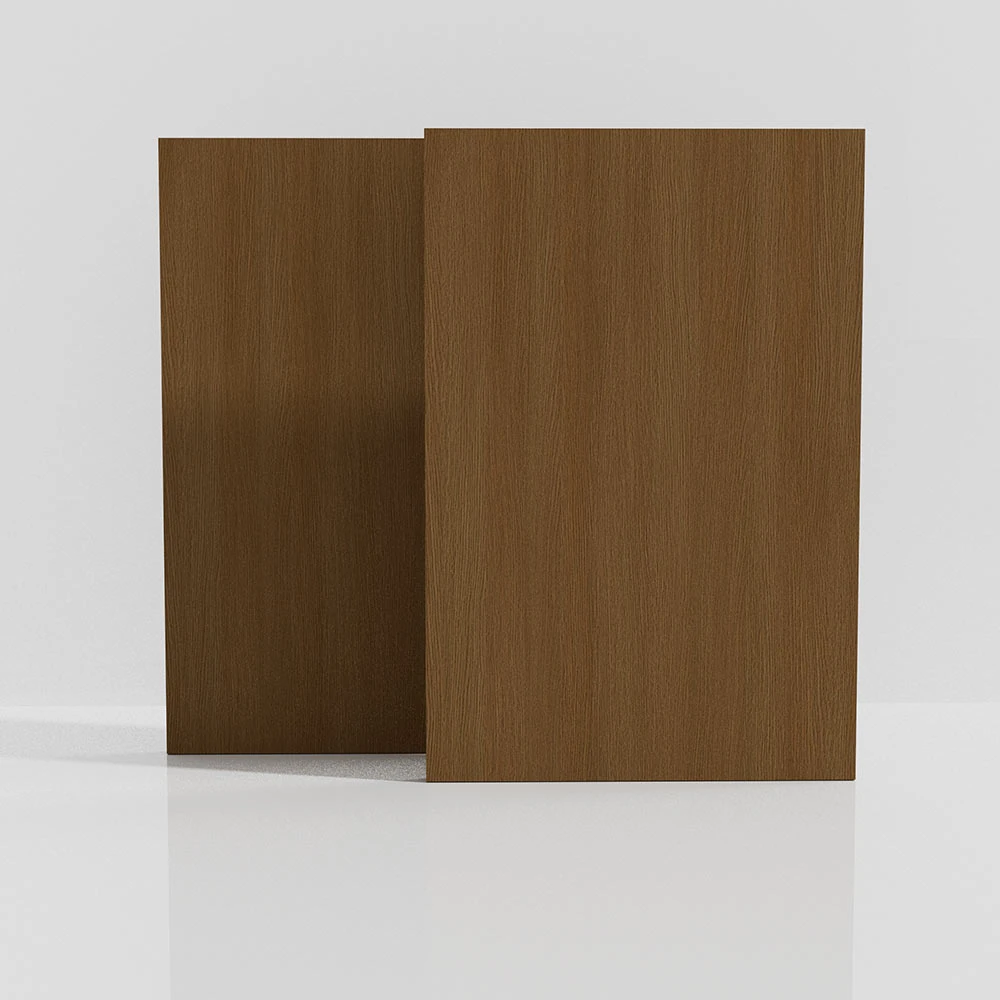
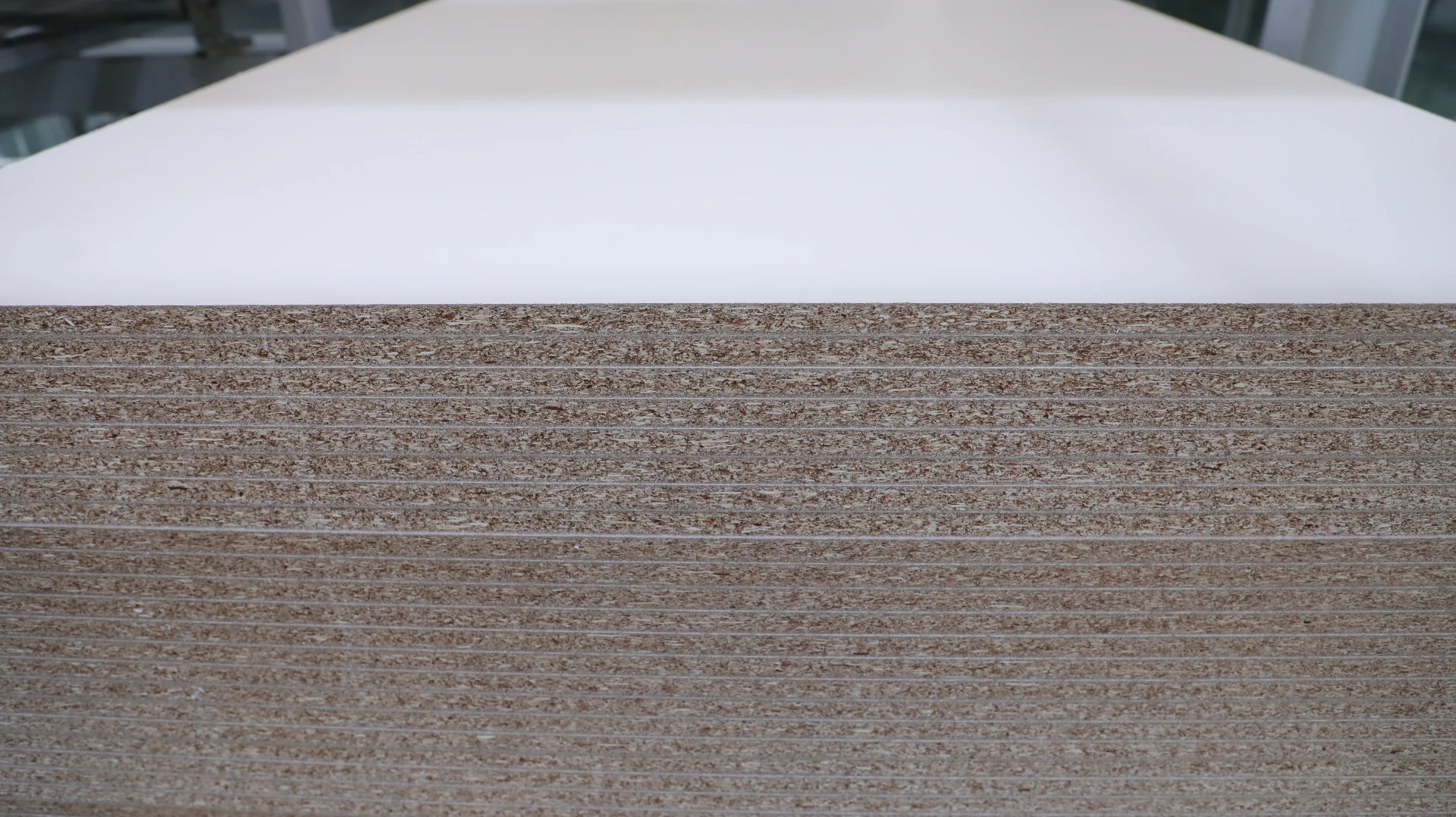
Simply put, plywood planks are sheets made by bonding multiple thin layers (veneers) of wood together, with each layer's grain running perpendicular to the previous one. This cross-graining technique dramatically enhances strength and reduces warping compared to traditional lumber.
These planks find themselves not just in homes or office furniture but in disaster relief shelters, transport containers, and even stage sets. Their unique properties make plywood planks indispensable in modern construction and humanitarian efforts alike.
Key Factors of Plywood Planks
Durability
Plywood planks can withstand considerable stress, especially when treated correctly. Their layered composition prevents cracks and splits—a boon for both indoor and outdoor applications.
Scalability & Versatility
They come in various thicknesses and grades, suiting anything from fine cabinetry to rugged scaffolding. This adaptability makes plywood a favorite for many industries needing quick, reliable solutions.
Cost Efficiency
Because they use thin layers of wood glued together, plywood planks use less raw timber per surface area than solid wood. This often translates to lower prices without compromising quality.
Sustainability
Many manufacturers now offer eco-certified plywood planks, sourced from responsibly managed forests, reducing ecological footprints while supporting global green initiatives.
Ease of Handling
Plywood’s uniform thickness and larger standard sizes make handling and cutting easier for builders and craftsmen—a subtle perk, but it saves time and effort on jobsites.
Product Specification of Typical Plywood Planks
| Specification |
Details |
| Thickness Range |
3mm to 25mm |
| Standard Sheet Size |
4ft x 8ft (1.22m x 2.44m) |
| Material Types |
Softwood, Hardwood, Tropical plywood |
| Glue Types |
Phenolic, Melamine, Urea formaldehyde (exterior/interior graded) |
| Weight |
Approx. 600 – 700 kg/m³ |
| Fire Resistance |
Class B to C fire ratings (varies with treatment) |
Global Applications & Use Cases
Plywood planks are everywhere. In Southeast Asia and Africa, they’re pivotal in constructing affordable, modular housing that can be rapidly deployed following natural disasters—think typhoons or earthquakes. NGOs and governments collaborate to use plywood planks in temporary shelters that are surprisingly sturdy and weather-resistant. Plywood planks’ ease of transport and assembly is a real game-changer.
In North America and Europe, plywood is essential for subflooring and roofing in new residential and commercial builds. Its moisture resistance and dimensional stability help maintain building integrity over decades.
Industrial zones in Russia and Canada use treated plywood planks to construct work platforms or container floors that require a balance of toughness and light weight. Even the film and theater industries rely on plywood for building sets and props, thanks to its affordability and adaptability.
Vendor Comparison Table: Popular Brands of Plywood Planks
| Brand |
Material Quality |
Price Range |
Sustainability Certifications |
Availability |
| Tengfei |
High-grade hardwood |
$$$ (mid to high) |
FSC, ISO 14001 |
Global export capabilities |
| Roseburg |
Softwood varieties |
$$ (moderate) |
PEFC |
North America focus |
| Sundus |
Mixed hardwood and softwood |
$ (budget) |
No formal certifications |
Regional (Asia) |
Advantages & Long-Term Value of Plywood Planks
Plywood planks blend cost efficiency and durability with surprising environmental benefits. When sourced sustainably, their use saves forests compared to solid lumber. Their resistance to cracking and shrinking means less replacement and repair—a fact many builders appreciate quietly over time. Beyond hard specs, plywood planks can instill confidence in safety and durability. They help create living spaces that feel reliable and strong, which for communities in post-disaster zones translates to dignity and stability.
Future Trends & Innovations in Plywood Planks
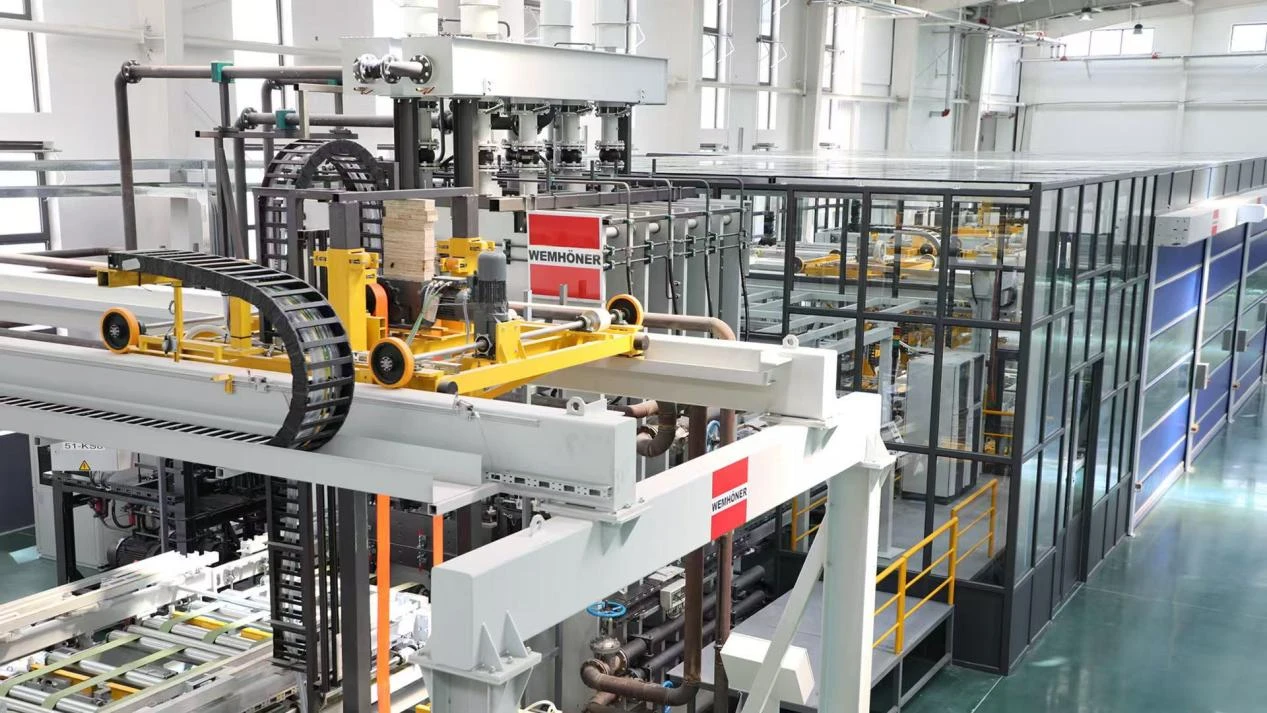
The plywood sector is not stuck in the past. New bio-based adhesives promise lower toxicity and better environmental profiles. Digital fabrication technologies, like CNC cutting, allow plywood planks to be crafted into complex shapes efficiently, reducing waste. Plus, upcoming policies around carbon-neutral construction are pushing manufacturers to innovate greener plywood varieties. Automation in manufacturing is speeding up production, too—a boon for meeting global housing demands.
Challenges & Solutions
Despite their many perks, plywood planks aren’t perfect. Moisture-related issues are a persistent challenge, especially in high-humidity zones. However, treatments with water-repellent coatings and advances in weatherproof glues have made great strides. Moreover, supply chain disruptions can introduce quality inconsistencies—highlighting why partnering with trusted vendors is key.
FAQs: Frequently Asked Questions About Plywood Planks
- Q1: What makes plywood planks preferable to solid wood in construction?
- A: Plywood planks resist warping and splitting much better due to their layered grain structure. They offer consistent strength and often cost less, making them ideal for large-scale and precision applications.
- Q2: How long can plywood planks typically last in outdoor applications?
- A: With proper treatment and maintenance, plywood planks can last 15–30 years outdoors. Exterior-grade plywood with phenolic adhesive offers enhanced durability against weather.
- Q3: Are plywood planks environmentally sustainable?
- A: Many plywood products carry sustainability certifications like FSC or PEFC, ensuring responsible forestry practices. Additionally, plywood production typically produces less waste than solid lumber.
- Q4: Can plywood planks be customized for specialized industrial uses?
- A: Absolutely. Thanks to modern manufacturing, plywood planks can be cut, treated, and layered specifically for uses like flooring, packaging, or reinforced panels.
Conclusion: The Enduring Value of Plywood Planks
When it comes down to it, plywood planks offer an exceptional balance of strength, cost-effectiveness, and sustainability that meets diverse global needs—from providing rapid disaster relief shelters to building elegant interiors. If you want materials that adapt, last, and contribute to greener building practices, plywood planks deserve your attention.
If you’re inspired to explore more about high-quality plywood planks, check out the products and options at https://www.tengfeiebmdf.com. Their range is expansive and backed by certifications that ensure trustworthiness.
Summing up: plywood planks may just be one of the quiet heroes of modern manufacturing and global development.
A quick reflection: The humble plywood plank teaches us that innovation need not be flashy—it can be layered, strong, and sustainable. Its story is one of tradition meeting necessity, evolving quietly but profoundly across industries.
- Engineered wood - Wikipedia
- Forest Stewardship Council (FSC)
- ISO 28107:2017 - Sustainable forest management – Requirements