Poplar Plywood is a key solution in the industry, specifically within manufacturing, construction, and cabinetry sectors. This article explores how https://www.tengfeiebmdf.com supports professionals with durable, high-performance products, and explains why this product is an ideal choice for businesses in these sectors.
Table of Contents
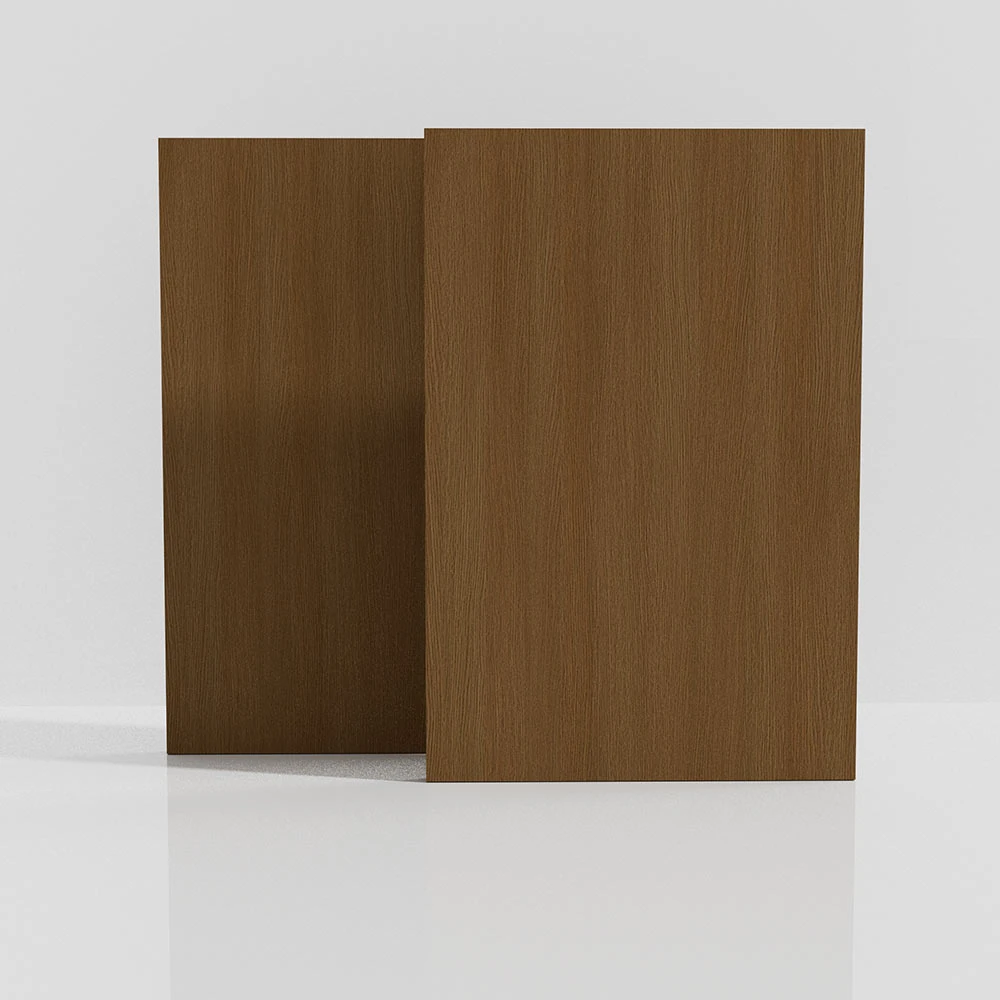
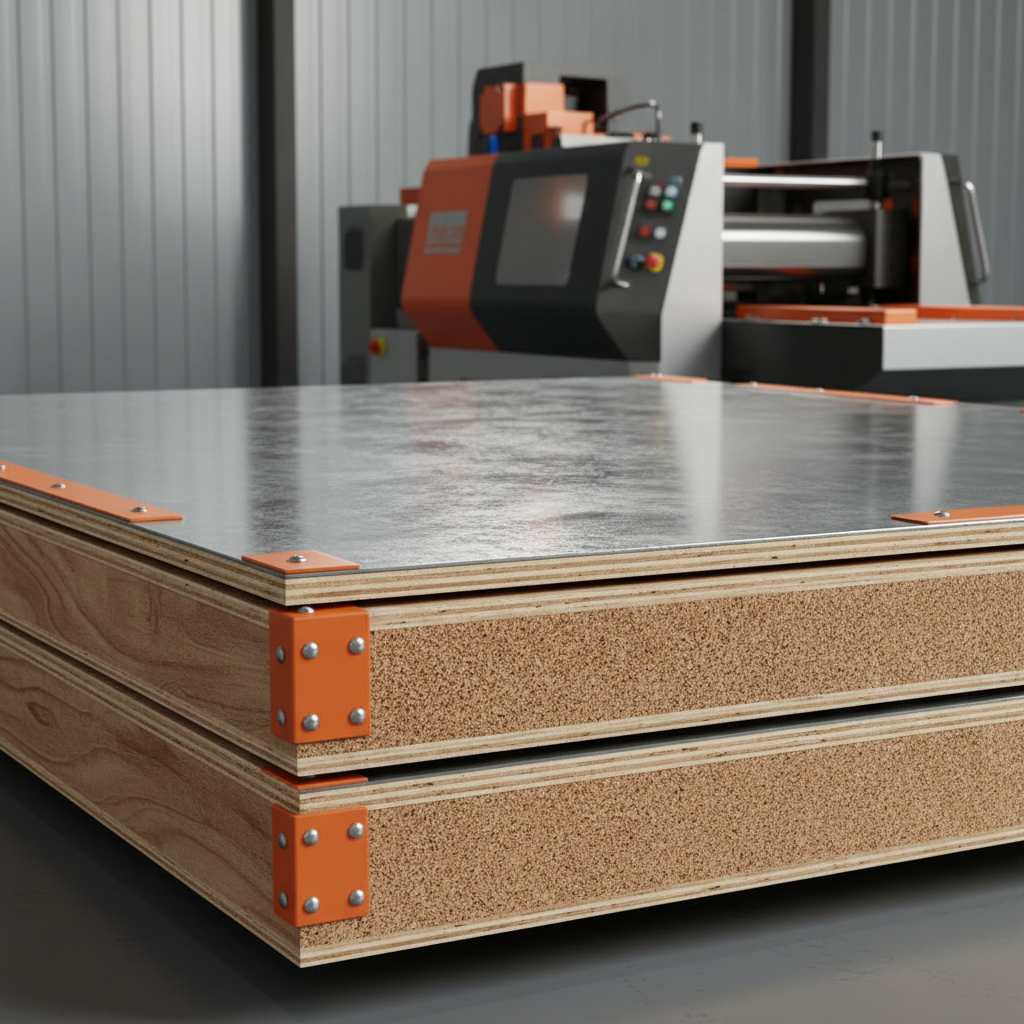
Poplar plywood, if you haven’t worked with it directly, is essentially a type of engineered wood made by layering thin veneers of poplar wood, glued under heat and pressure. This process creates a panel that’s remarkably light, yet surprisingly strong — almost a bit under the radar compared to more common hardwood plywoods. In real terms, it’s often chosen for projects that demand durability but also affordability and ease of handling.
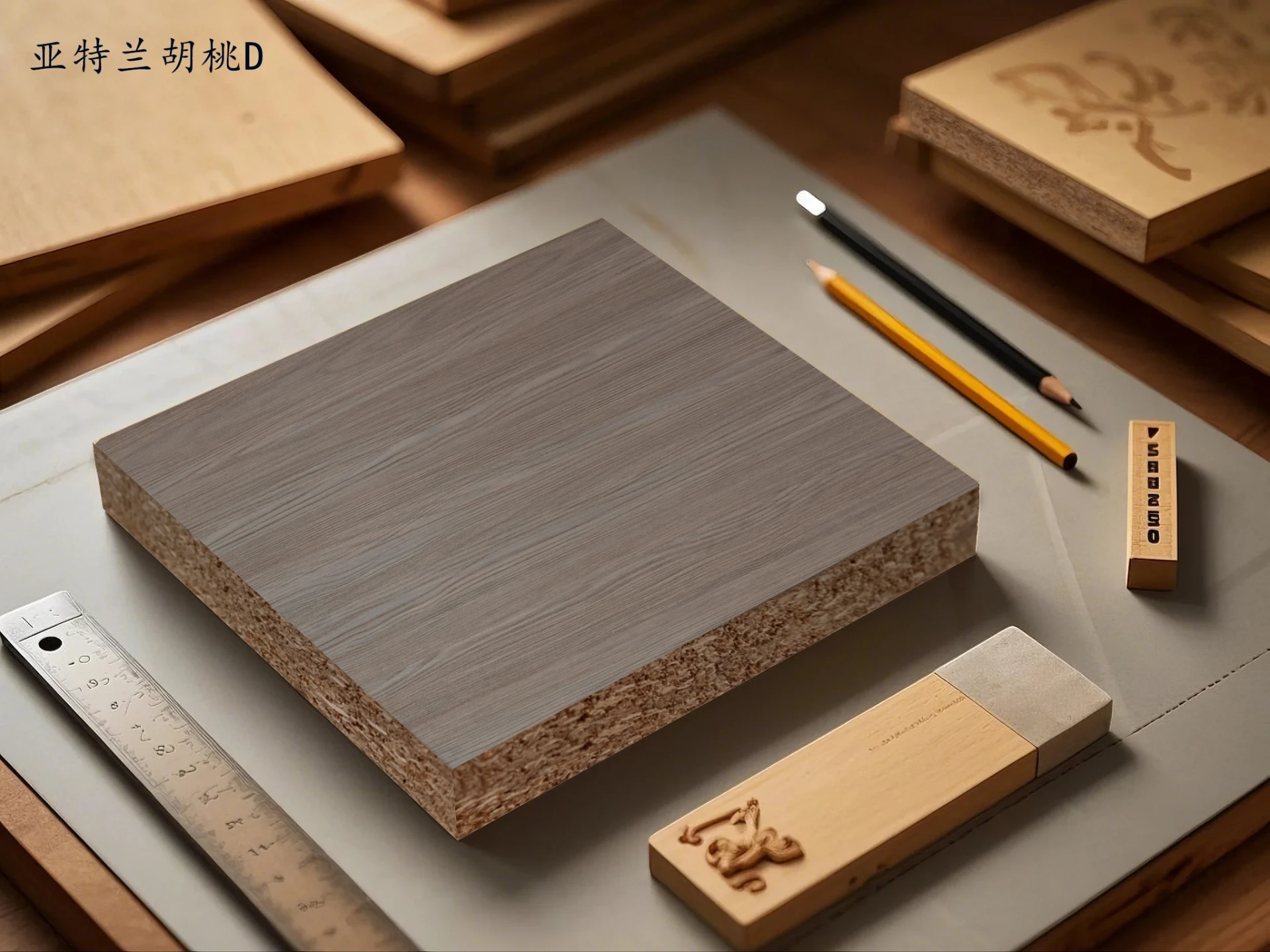
Technically speaking, what makes poplar plywood stand out is its consistent density and excellent dimensional stability. I noticed from some industry discussions that engineers and woodworkers particularly appreciate its balanced grain and smooth surface, ideal for painting or lamination. To give you a frame of reference, typical plywood specs show that poplar plywood usually scores better on weight-to-strength ratio compared to birch or oak plywood.
| Specification |
Poplar Plywood |
Standard Birch Plywood |
| Density (kg/m³) |
410-450 |
600-700 |
| Thickness range |
3mm – 25mm |
3mm – 30mm |
| Bending Strength (MPa) |
60-70 |
50-65 |
| Core Material |
Poplar veneer layers |
Birch veneer layers |
From what I’ve gathered in conversations with builders and furniture makers, poplar plywood shines in specific industrial applications where weight matters but so does strength. Case in point: aircraft interiors, upscale cabinetry, and high-grade furniture manufacturing all benefit from its precise milling and finish-friendly surface.
Features like low formaldehyde emissions give it an edge for businesses mindful of indoor air quality regulations — pretty crucial for office furniture and residential projects. Then, of course, there’s its excellent machinability. I’m told CNC cutting or shaping poplar plywood tends to produce neat, clean edges with minimal splintering, saving time on post-processing.
Vendor Comparison: Poplar Plywood Providers
| Provider |
Product Range |
Customization |
Lead Time |
Pricing |
| Tengfei |
Wide, 3-25mm thicknesses |
Highly customizable veneers and sizes |
Typically 2-3 weeks |
Competitive bulk pricing |
| Vendor B |
Limited range, up to 18mm |
Standard sizes only |
1-2 weeks |
Moderate pricing |
| Vendor C |
Wide range, 3-30mm |
Custom veneer patterns |
Variable, often 3-4 weeks |
Premium pricing |
Cost, Maintenance & User Experience
When I first looked at poplar plywood pricing, it was clear that the total cost of ownership is quite attractive, especially for businesses balancing budget constraints with quality needs. In essence, the lighter weight means less shipping expense — a small but notable factor for bulk orders.
Then, speaking with some project managers using Tengfei’s products, most report high satisfaction in maintenance — simple cleaning routines suffice, and the inherent durability reduces replacements. One furniture workshop mentioned switching to poplar plywood cut their project rework by nearly 15%, thanks to fewer defects during cutting and finishing. It’s those subtle efficiencies that build up to real ROI.
Sustainability & Market Trends
In today’s market, sustainability isn’t just a buzzword — it’s a business imperative. Poplar plywood’s sourcing often ties into managed forests with replanting programs, which reduces environmental impact compared to plastics or non-renewable composites. Oddly enough, it’s almost a quiet champion in green building certifications, often earning points for renewable materials.
Furthermore, emerging governmental regulations on formaldehyde emissions push industries toward materials like those from Tengfei that comply with E0 or E1 standards. Growth forecasts suggest that demand for engineered woods with low emissions and high recyclability, like poplar plywood, will outpace many traditional materials over the next decade — so it’s wise to stay ahead of the curve.
Frequently Asked Questions about Poplar Plywood
- What is Poplar Plywood and how does it work?
- Poplar plywood is made from several layers of poplar wood veneers glued together with the grain in alternating directions. This layered construction enhances strength and stability, making the panel less likely to warp or split under stress.
- What are the main benefits of using Poplar Plywood in industrial applications?
- It offers an optimal balance between strength and weight, is easy to machine, and often comes with low formaldehyde emissions, making it safer for indoor use. Its smooth surface is perfect for finishing, and it generally costs less than many hardwood plywoods.
- How does Poplar Plywood compare to traditional alternatives?
- Compared to birch or oak plywood, poplar plywood is lighter and sometimes stronger in bending strength. It is typically more affordable and easier to work with, though it may not have the same hardness or wear resistance as some hardwoods.
- What industries can benefit most from Poplar Plywood implementation?
- Key sectors include furniture manufacturing, cabinetry, transportation (especially aircraft interiors), and modular construction. These industries appreciate poplar plywood's versatility, strength-to-weight ratio, and ease of finishing.
Conclusion on Poplar Plywood from china
All things considered, poplar plywood stands out as the kind of resourceful, reliable product that B2B decision makers in industries like construction and furniture manufacturing ought to keep on their radar. Its blend of lightweight strength, cost efficiency, and sustainability — especially from proven suppliers like Tengfei — makes it a smart choice. So, if you want to explore further, visit our website: https://www.tengfeiebmdf.com for detailed product info and quotes you can trust.
Personally, I find that poplar plywood’s quiet strengths often surprise people new to it — kind of like an underrated workhorse that just keeps delivering, quietly.
References
- International Conference on Wood Composites, Poplar Plywood Tech Specs (2023)
- Forest Stewardship Council (FSC) Sustainability Reports (2022)
- Industry insights from Tengfei customer feedback (2023)