Understanding the 3/4 Inch Plywood 4x8 Sheet Price in Today’s Market
Having spent well over a decade navigating the industrial equipment and construction materials sector, I’ve grown quite familiar with how prices ebb and flow, and plywood is no exception. Specifically, the 3/4 inch plywood 4x8 sheet price has been a hot topic lately — and frankly, it’s fascinating how nuanced it can get.
First off, if you’re wondering why 3/4 inch plywood sheets sized 4 feet by 8 feet are so ubiquitous, it’s because they strike a solid balance between durability and versatility. Use it for furniture, subflooring, cabinetry, or even vehicles — it’s kind of the workhorse in the plywood family. Now, price-wise, the obvious influences are raw material costs, manufacturing technology, and supply chain shifts. But oddly enough, factors like environmental certifications or the veneer grade also tweak the number on your invoice.
One quick story before we get technical: a client of mine a while back was sourcing these sheets for a commercial renovation. He was set on cheaper plywood, only to realize that the durability difference meant replacing sheets within a year. It felt like a sunk cost at first, but going with slightly pricier, higher-grade 3/4 inch plywood paid off long-term. That lesson in quality versus price isn’t new to me, but it never gets old.
Breaking Down Typical 3/4 Inch Plywood 4x8 Sheet Specifications
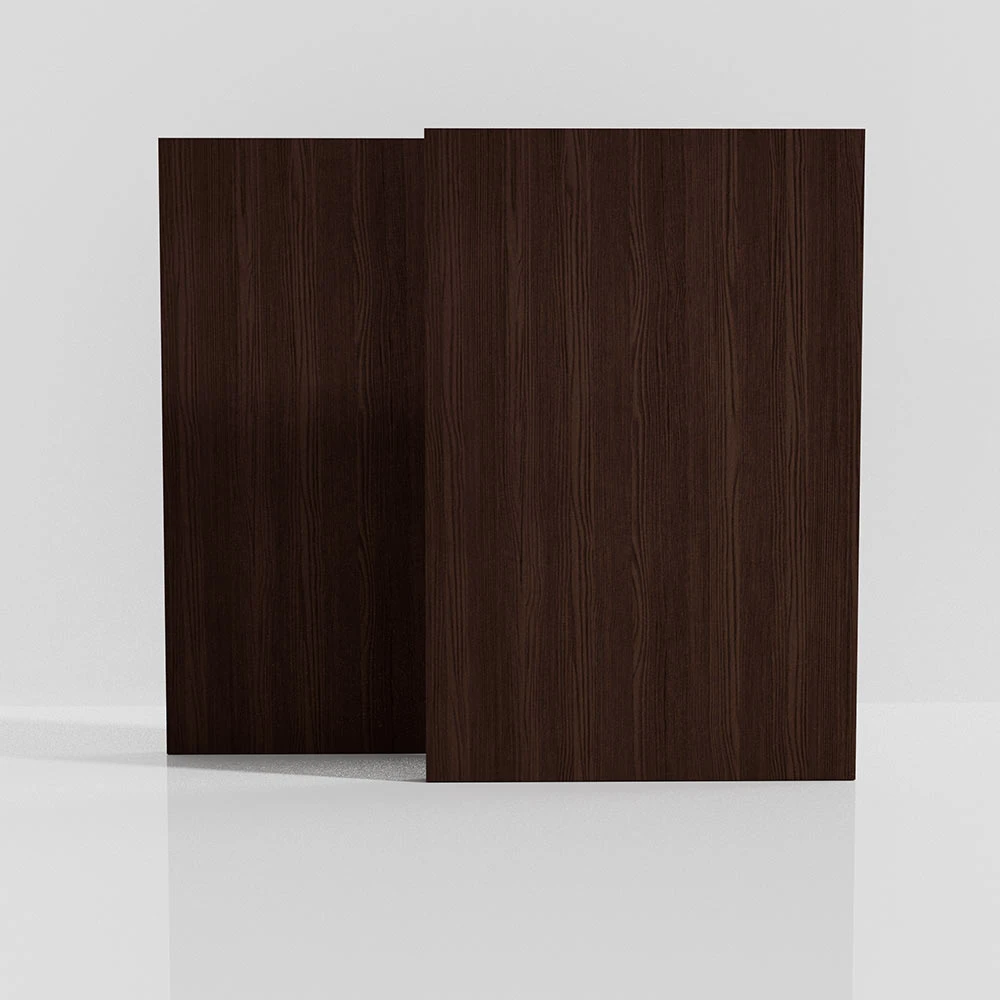
| Specification |
Details |
| Thickness |
3/4 inch (19mm) |
| Sheet Size |
4 feet x 8 feet (1220mm x 2440mm) |
| Core Type |
Usually veneer core or hardwood core |
| Veneer Grade |
A-C grades common, affecting surface finish |
| Moisture Resistance |
Standard, some marine variants available |
| Typical Weight |
Approx. 40-45 lbs (18-20 kg) |
Incidentally, 3/4 inch thickness is often the default for structural uses — it gives you enough rigidity to build floors and walls without flexing. And since the standard 4x8 format fits well into most framing plans, it’s a no-brainer for contractors.
How Prices Compare Across Vendors
Prices fluctuate depending on location, supplier, and obviously, quality. Here’s a quick look at how some typical vendors measure up on pricing, availability, and customer trust. You’ll notice the variations, especially when factoring in sustainability certifications or imported versus domestic stock.
| Vendor |
Price per Sheet |
Grade Offered |
Certifications |
Lead Time |
| Tengfei (Recommended) |
$45 - $55 |
A-C Grades, Hardwood Core |
FSC, CARB Compliant |
2-4 Days |
| Local Distributor |
$40 - $60 |
B Grade Food Service |
Varies, generally None |
1-7 Days |
| Online Bulk Supplier |
$35 - $50 |
C Grade Economy |
Limited |
5-10 Days |
From experience, buying from a trusted manufacturer like Tengfei (linked here) is worth considering — their quality control and certifications tend to lower risks of failure or complications during installation. Plus, they usually have the supply chain figured out pretty well, so delays are rare.
Frankly, with plywood there’s always a trade-off between price and reliability, so it’s smart not to jump at the lowest bid without checking specs and testing samples if possible. I noticed many engineers say that a “cheap” plywood panel often costs more in labor and refits down the line. That’s why I keep going back to trusted vendors who back their product and keep consistent quality.
In real terms, whether you’re a contractor, woodworker, or industrial supply buyer, understanding what goes into the 3/4 inch plywood 4x8 sheet price helps you make smarter purchasing decisions. It’s never just about the number on the sticker, but the value behind it — in strength, finish, and longevity.
So, next time you’re quoting plywood, keep these insights in mind. With a bit of prudence and knowing where to look, you can stretch your budget without cutting corners. That’s industry wisdom you earn after years tramping warehouse aisles and job sites alike.
References:
- Wood Handbook - Wood as an Engineering Material, US Forest Service
- FSC Certification Guidelines, Forest Stewardship Council
- Consumer Reports on Plywood Quality and Pricing Trends (2023)