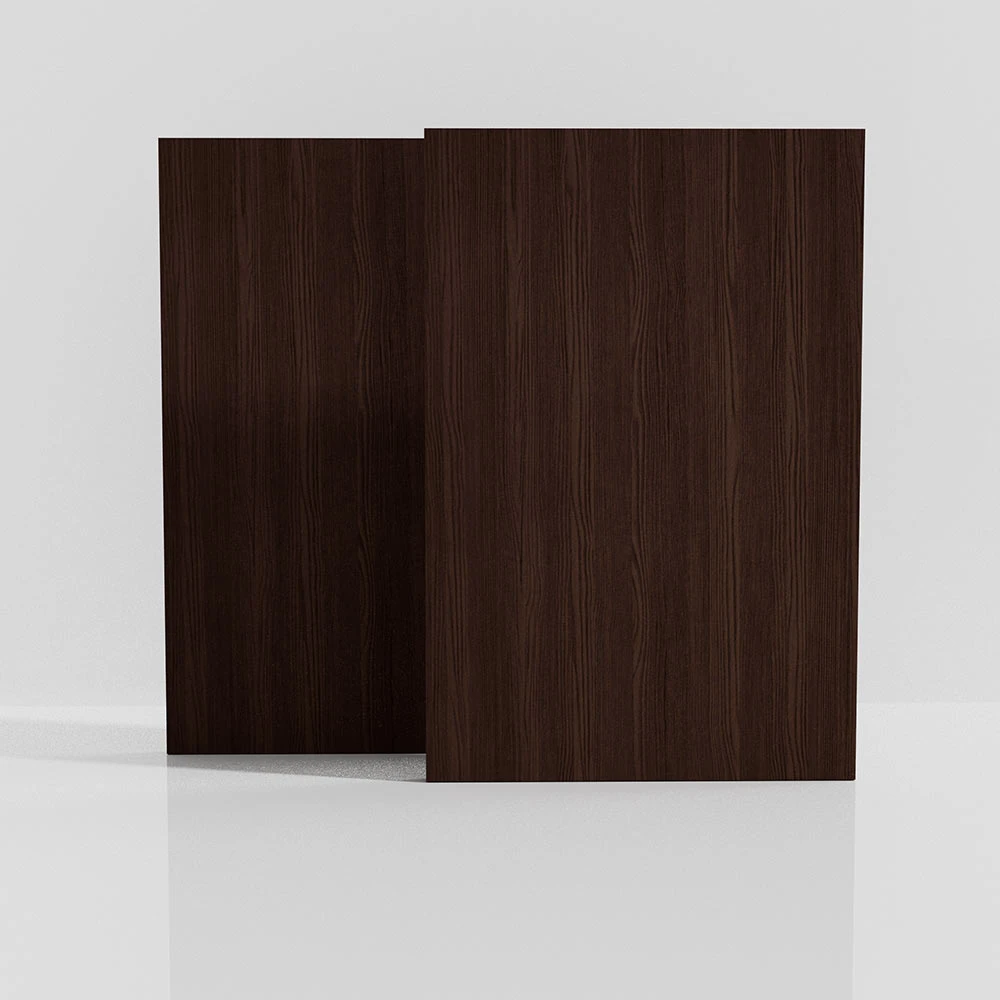


Hungary's construction and furniture manufacturing sectors are currently experiencing a transition toward higher aesthetic standards and stricter environmental regulations. In urban hubs like Budapest, there is a growing demand for veneer mdf board that can withstand heavy commercial use while maintaining a natural wood appearance. The region's commitment to European green building standards means that materials must now offer both visual appeal and low emission levels to be viable for modern projects.
From a procurement perspective, architects and designers in Hungary are increasingly seeking natural wood veneer sheets that provide authentic textures without the volatility of traditional curing processes. This shift is driven by a need for consistency across large-scale installations, where traditional thermal curing often leads to uneven surface hardness or color drift. The requirement for materials that are both antimicrobial and scratch-resistant has become a priority for the region's hospitality and healthcare infrastructure.
Furthermore, the industrial landscape in Hungary is integrating more specialized structural components. Beyond decorative panels, there is a consistent need for industrial-grade solutions such as carbon steel grating to support the growing logistics and manufacturing zones. The synergy between high-end interior finishes and robust exterior industrial components reflects the diverse nature of Hungary's current infrastructure development, where precision engineering is required at every stage of construction.