Add: No.8 Xinxing Street, North Zone, Zhengding High-tech Industrial Development Zone, Hebei, China
CONTACT US
+8615030171059


CONTACT US
+8615030171059
I first heard about [PU767] while walking a production floor in Hebei—No.8 Xinxing Street, North Zone, Zhengding High-tech Industrial Development Zone, to be precise. The team there spoke about it like a quiet workhorse: a polyurethane system that sticks where others slip. In an industry increasingly defined by low-VOC regulations and faster takt times, PU767 sits right in the sweet spot—strong, forgiving, and, frankly, easier to run than many solvent-heavy incumbents.
PU767 is a high-performance polyurethane adhesive/coating system designed for MDF, engineered wood, plastics, textiles, and selected metals—think furniture lines, automotive interior trim, footwear bonding, and electronics potting. Market-wise, there’s a clear drift toward isocyanate-efficient chemistries, lower emissions, and better adhesion on mixed substrates. To be honest, it’s the “mixed substrates” part where this product has been winning trial after trial.
| Property | Value (≈) | Test/Standard |
|---|---|---|
| Viscosity (25°C) | 2,500–4,000 mPa·s | ISO 3219 |
| Mix ratio (A:B) | 100:12–18 by weight (application-dependent) | Process spec |
| Open time / Pot life | 20–35 min @ 23°C, 50% RH | Internal method |
| Lap shear (MDF–MDF) | ≥9.0 MPa (real-world use may vary) | ASTM D1002 |
| Peel strength (PVC–PU) | ≥6.0 N/mm | ASTM D903 / GB/T 2793 |
| Shore hardness | A 85–92 | ISO 868 |
Many customers say PU767 is “less fussy” about moisture than some epoxies and more flexible than brittle acrylics. It bonds MDF edge-grain (always tricky), soft PU foam, PVC films, and coated fabrics. VOC and odor are measured low—comfortably aligned with GB 18583 ceilings—and that matters for furniture and automotive cabins.
| Feature | Tengfei PU767 | Brand X PU | Brand Y Hybrid |
|---|---|---|---|
| Low-VOC compliance | Meets GB 18583; RoHS/REACH-ready | Varies by batch | Good, but higher cost |
| Open time window | Wide (20–35 min) | Narrow | Moderate |
| Bond to low-energy plastics | Strong with primer, good without | Requires aggressive primer | Good, slower cure |
Formulation tweaks are available—faster gel, higher heat deflection (HDT), spray-grade rheology, and color tinting. From what I’ve seen, technical teams can tune the NCO index for specific press temps and line speeds.
A panel furniture plant switched to PU767 for MDF-to-PVC foil lamination. Outcome after 8 weeks: scrap down ≈23%, press cycle time cut by around 12%, and peel failures in humidity cycling dropped below 1% (10 cycles, 23/50 to 40/95). Operators, candidly, liked the wider open time—less panic during shift-change.
Note: Data above from internal validation at 23°C, 50% RH unless stated; field performance can vary with substrate prep and climate.
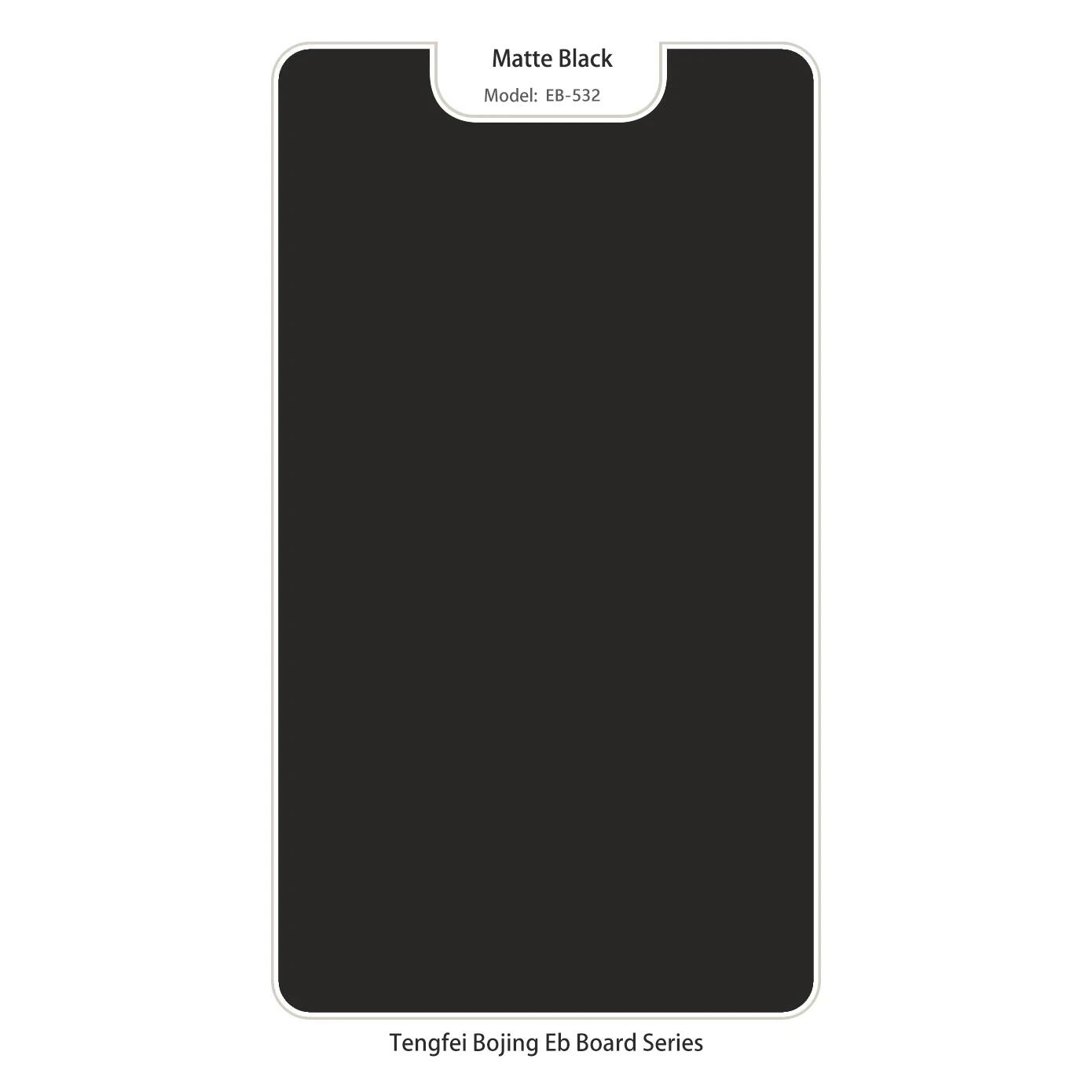
Tengfei Platinum EB Particle Panels - Matte Black
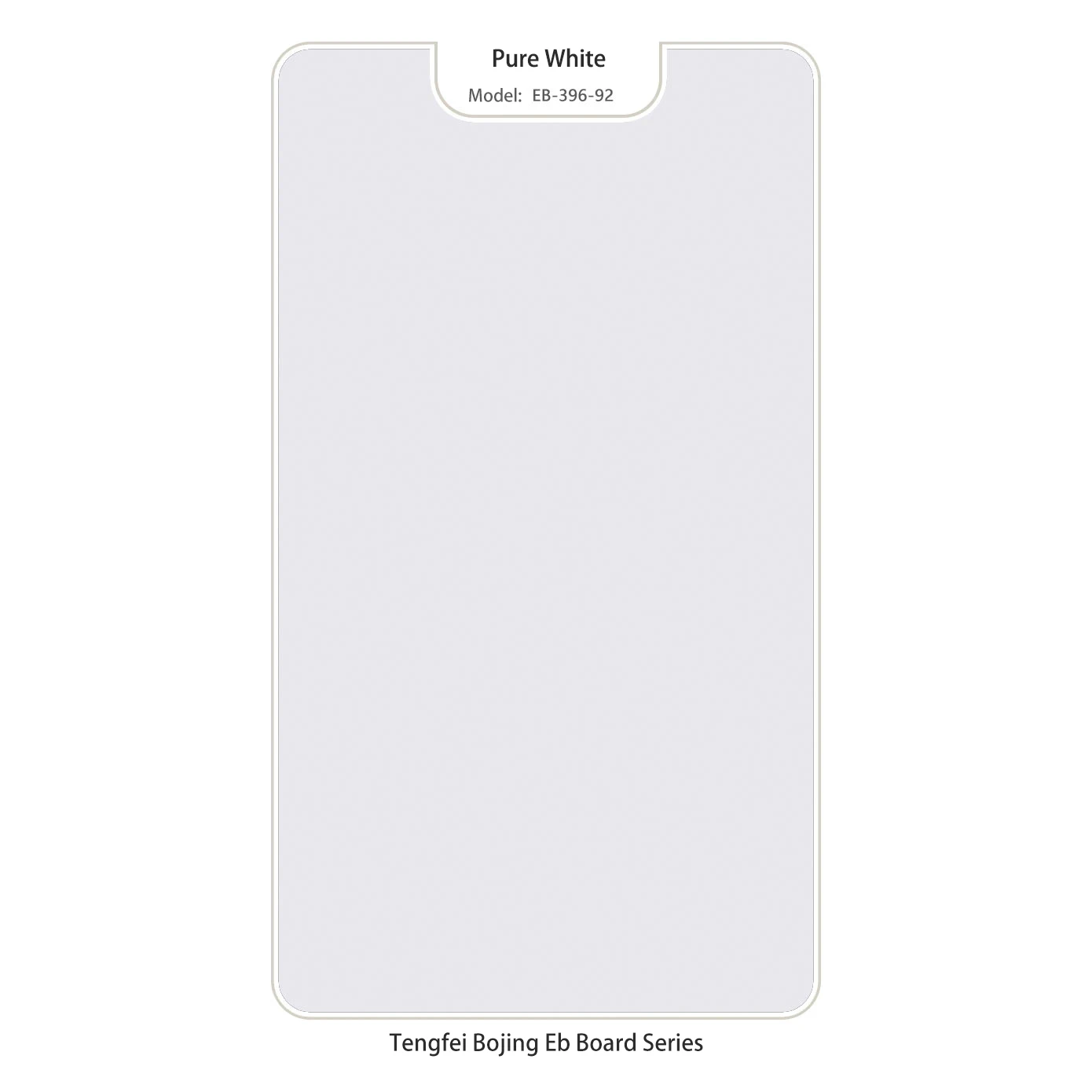
Tengfei Platinum EB Particle High-Gloss Panels - Pure white
To provide reliable solutions through quality products!