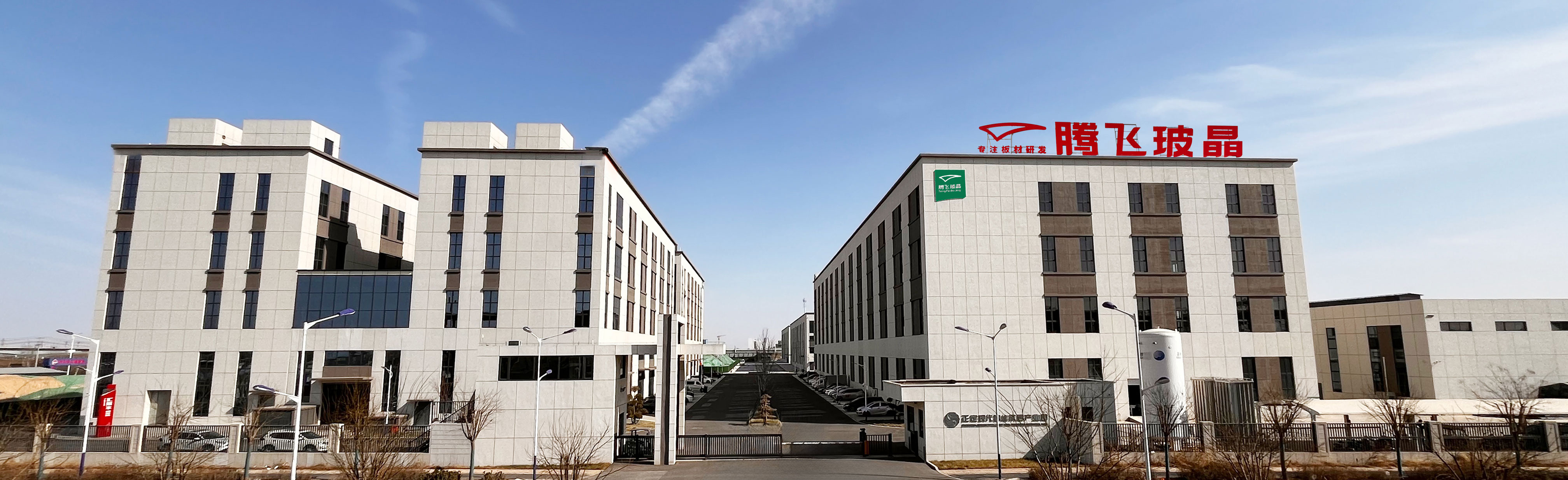
Add: No.8 Xinxing Street, North Zone, Zhengding High-tech Industrial Development Zone, Hebei, China
CONTACT US
+8615030171059


CONTACT US
+8615030171059
I’ve watched sealant specs creep upward for years, and—honestly—the market keeps circling back to reliable, moisture-curing polyurethanes. That’s where PU960 slots in neatly: a tough, slightly forgiving adhesive/sealant for façade joints, metal bonding, vehicle body seams, and even small potting tasks. Made in No.8 Xinxing Street, North Zone, Zhengding High-tech Industrial Development Zone, Hebei, China, PU960 aims at that sweet spot of flexibility and adhesion. Many customers say it “just sticks and stays stuck,” which, to be fair, is exactly what you want.
Trends? More movement capability (≥25%), lower VOCs, better weathering and compliance with ISO/ASTM/CE norms. Surprisingly, contractors still prefer single-component cartridges because they’re quick. PU960 leans into that—toolable, paintable, decent UV resistance with the right topcoat, and good green strength for field installs.
| Parameter | Value (≈, real-world may vary) | Standard/Method |
|---|---|---|
| Chemistry | 1K moisture-curing polyurethane | — |
| Shore A hardness | ≈ 40 ± 5 | ISO 868 |
| Tensile strength | ≈ 2.0–2.5 MPa | ISO 37 / ASTM D412 |
| Elongation at break | ≈ 500–700% | ISO 37 |
| Movement capability | ±25% (25LM class) | ISO 11600 |
| Tack-free time | ≈ 30–60 min | Lab method |
| Cure rate | ≈ 3–4 mm/24 h @ 23°C, 50% RH | Internal |
| Temp. range (service) | -40 to +90°C, short peaks to +120°C | — |
PU960 is designed to align with ASTM C920 (sealants), ISO 11600 (classification), and common EHS frameworks like RoHS and REACH. Many buyers also request ISO 9001/14001 manufacturing—worth asking for the current certificates during RFQ.
| Vendor | Key Strength | Notes |
|---|---|---|
| Tengfei (PU960) | Balanced adhesion/flex, 1K convenience | Good for mixed substrates; pragmatic pricing |
| Generic Brand A | Higher hardness (≈50A) | Better abrasion, less movement capability |
| Generic Brand B | Fast skin (≈15–20 min) | Watch for reduced open time in hot weather |
Spec tweaks for PU960 usually include color (RAL neutrals), viscosity for bead stability, Shore A from ≈35–50, and primer pairing. One installer in Jakarta told me it “held glass-to-aluminum through two monsoons”—not lab-grade wording, but meaningful. Another EU buyer liked the smooth tooling; they did ask for a lower-odor grade for indoor refurb jobs.
If you’re sourcing, ask for substrate-specific adhesion matrices, current SDS/TDS, and batch CoAs. It sounds picky, but it saves weekend callouts—trust me.
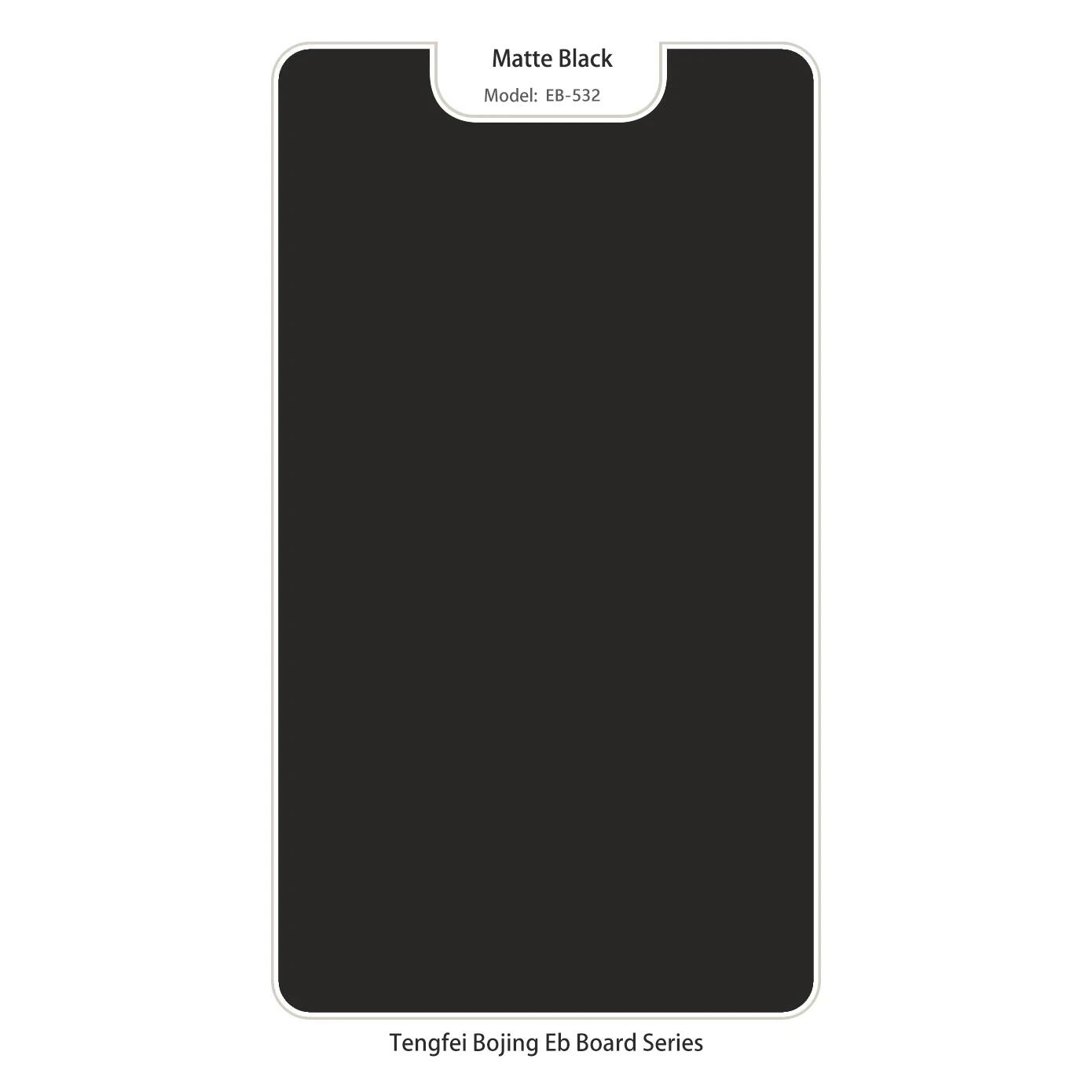
Tengfei Platinum EB Particle Panels - Matte Black
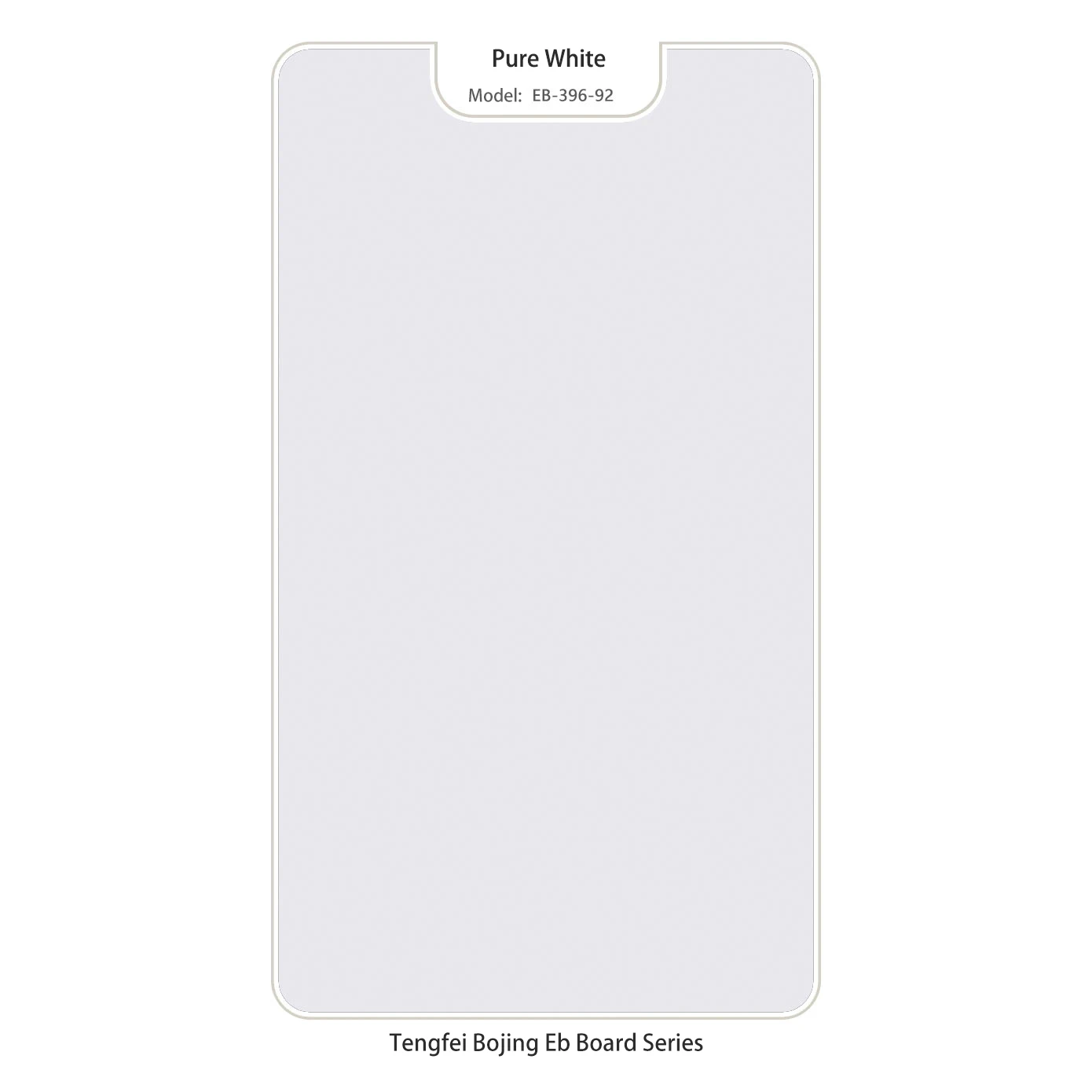
Tengfei Platinum EB Particle High-Gloss Panels - Pure white
To provide reliable solutions through quality products!