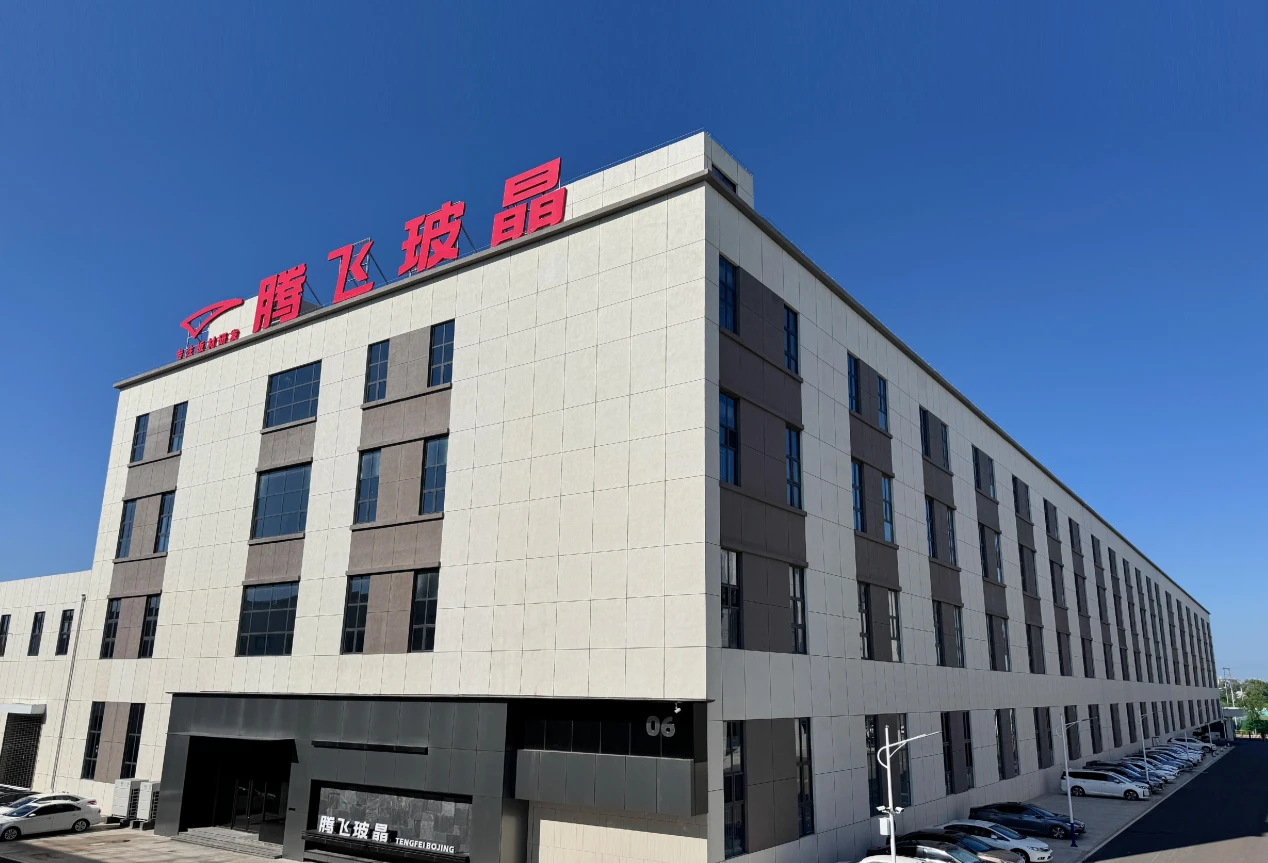
Regal Plywood is a key solution in the industry, specifically within the construction, furniture, and interior design sectors. This article explores how https://www.tengfeiebmdf.com supports professionals with durable, high-performance products, and explains why this product is an ideal choice for businesses in these sectors.
Table of Contents
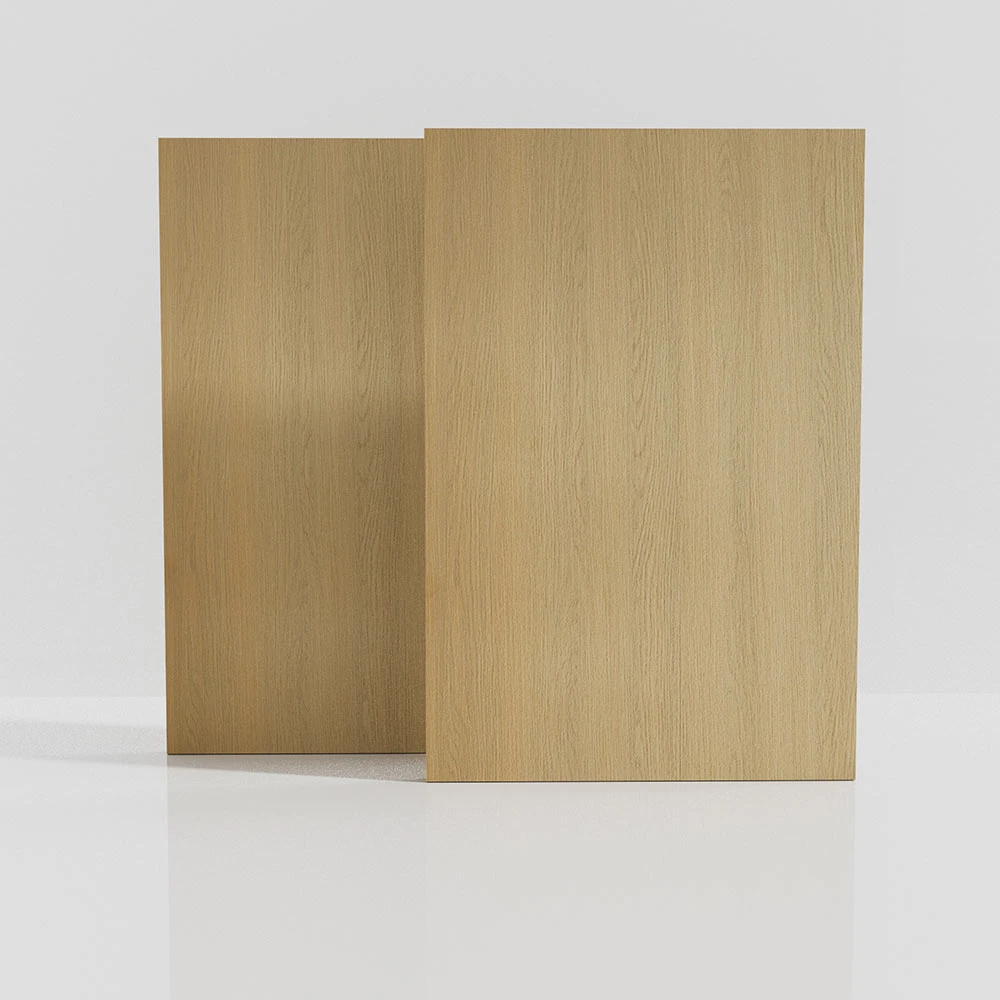
When you first hear “Regal Plywood,” you might just think of a generic wood panel. But frankly, it’s a bit more sophisticated than that. Regal Plywood is a premium grade plywood product manufactured to meet high industry demands — especially for applications that require not only strength but also durability under variable conditions. It’s essentially engineered wood made by bonding several thin layers, or veneers, with adhesives. This multilayer build means it offers enhanced resistance to warping, cracking, and swelling, which are common headaches with untreated wood.
From a technical standpoint, Regal Plywood typically boasts a consistent density of around 600-700 kg/m³ and a moisture content kept strictly between 8% to 12% during production. One interesting case study involves a furniture manufacturer using Regal Plywood from Teng Fei E B MDF, which reported a 15% increase in overall product durability compared to traditional plywood materials. The secret seems to be the precise layering and premium adhesives that hold it all together.
| Specification |
Details |
| Material |
Eucalyptus and hardwood veneers |
| Thickness Range |
6mm to 25mm |
| Dimensions |
1220mm x 2440mm standard |
| Density |
600-700 kg/m³ |
| Moisture Content |
8% - 12% |
| Adhesive Type |
Phenol formaldehyde |
In real terms, Regal Plywood shines when applications demand reliable, long-lasting wood solutions. Construction firms, for instance, value its resistance to moisture and dimensional stability — it’s the kind of material that won’t buckle under pressure or season changes. I’ve noticed many projects choose Regal Plywood for subflooring and wall sheathing precisely because it offers that balance of strength and lightweight feel.
Furniture manufacturers often lean on Regal Plywood for its smooth surface and ability to hold screws and nails firmly without splitting. Plus, it’s quite friendly for custom cuts or CNC machining, which means designers have more flexibility when crafting intricate details. Compared to MDF or particle boards, it strikes a neat balance in strength-to-weight ratio.
What’s competitive about Regal Plywood from places like Teng Fei E B MDF is the thorough quality control process — every sheet is carefully graded, ensuring consistency, which, frankly, saves companies from headaches on site.
Cost, Maintenance & User Experience
The total cost of ownership of Regal Plywood ticks a lot of boxes. While initial investment might be a notch higher than low-grade plywood alternatives, it pays off by reducing replacement frequency and maintenance efforts. Businesses generally spot ROI through fewer disruptions and more confident project timelines, which, you know, is priceless in large-scale industrial applications.
Feedback from users typically praises its uniform surface finish and minimal off-cuts due to accurate sizing. One furniture maker I chatted with mentioned their assembly times dropped by nearly 20% after switching to Regal Plywood — mostly because they dealt with fewer warped parts and uneven panels. And let’s not forget, its resistance to water extends the lifespan of outdoor installations, lowering repair costs.
Vendor Comparison: Regal Plywood Suppliers
| Feature |
Teng Fei E B MDF |
Competitor A |
Competitor B |
| Product Consistency |
High (ISO certified) |
Medium |
Medium-High |
| Lead Time |
2 weeks |
3-4 weeks |
3 weeks |
| Price |
Competitive |
Lower but less consistent |
Higher |
| Customer Support |
Dedicated specialist team |
Limited |
Moderate |
Sustainability & Market Trends
Oddly enough, plywood products like Regal Plywood are making surprises in sustainability conversations. Unlike solid timbers that can contribute to deforestation issues, modern Regal Plywood uses veneers sourced from managed forests, often certified by FSC or PEFC. The layered format means wood is used efficiently, minimizing waste.
At the same time, there’s a growing regulatory push around emissions and formaldehyde content in adhesives. Teng Fei E B MDF, for instance, follows strict European E0 or E1 standards, which means lower volatile organic compounds (VOC) release — a point that increasingly matters for businesses keen to boost their environmental credentials.
The market is responding with rising demand for plywood products that combine performance with eco-friendliness. So, it’s no surprise that companies offering consistently high-quality, responsibly sourced Regal Plywood are growing steadily, particularly in Asia-Pacific and Europe.
Frequently Asked Questions about Regal Plywood
- What is Regal Plywood and how does it work?
- Regal Plywood is engineered wood made by layering thin sheets of wood veneers bonded with strong adhesives. This layered construction creates durability and strength, making it less prone to warping or shrinking than standard plywood. It works by distributing stresses evenly across its layers.
- What are the main benefits of using Regal Plywood in industrial applications?
- The benefits include high strength-to-weight ratio, great resistance to moisture, smooth surfaces ideal for finishing, and excellent screw-holding capability. These features translate into longer-lasting structures, less maintenance, and greater design flexibility.
- How does Regal Plywood compare to traditional alternatives?
- Regal Plywood generally surpasses traditional plywood or particle boards in moisture resistance and consistency. It often uses higher-grade adhesives and has tighter manufacturing tolerances, resulting in fewer defects and a better overall finish.
- What industries can benefit most from Regal Plywood implementation?
- Key industries include construction, furniture manufacturing, interior design, transportation (such as flooring for vehicles), and even marine applications. Each benefits from specific features like durability, lightness, or resistance to environmental factors.
Conclusion on Regal Plywood from china
To wrap it up: Regal Plywood really lives up to its name, offering B2B decision makers a robust, versatile option that meets both performance and environmental standards. The consistency and quality control from suppliers like Teng Fei E B MDF make it a sensible choice for businesses wanting reliability with sustainable sourcing.
Reflecting on this, it’s quite impressive how the industry’s priorities have shifted. Companies no longer just want good performance but also materials that play well within a circular economy. Regal Plywood’s blend of quality and sustainability is definitely a sign of the times.
References:
1. FSC Certification Standards, https://www.fsc.org
2. European E0/E1 Standards for Formaldehyde Emissions, European Committee for Standardization
3. Teng Fei E B MDF Product Documentation, https://www.tengfeiebmdf.com