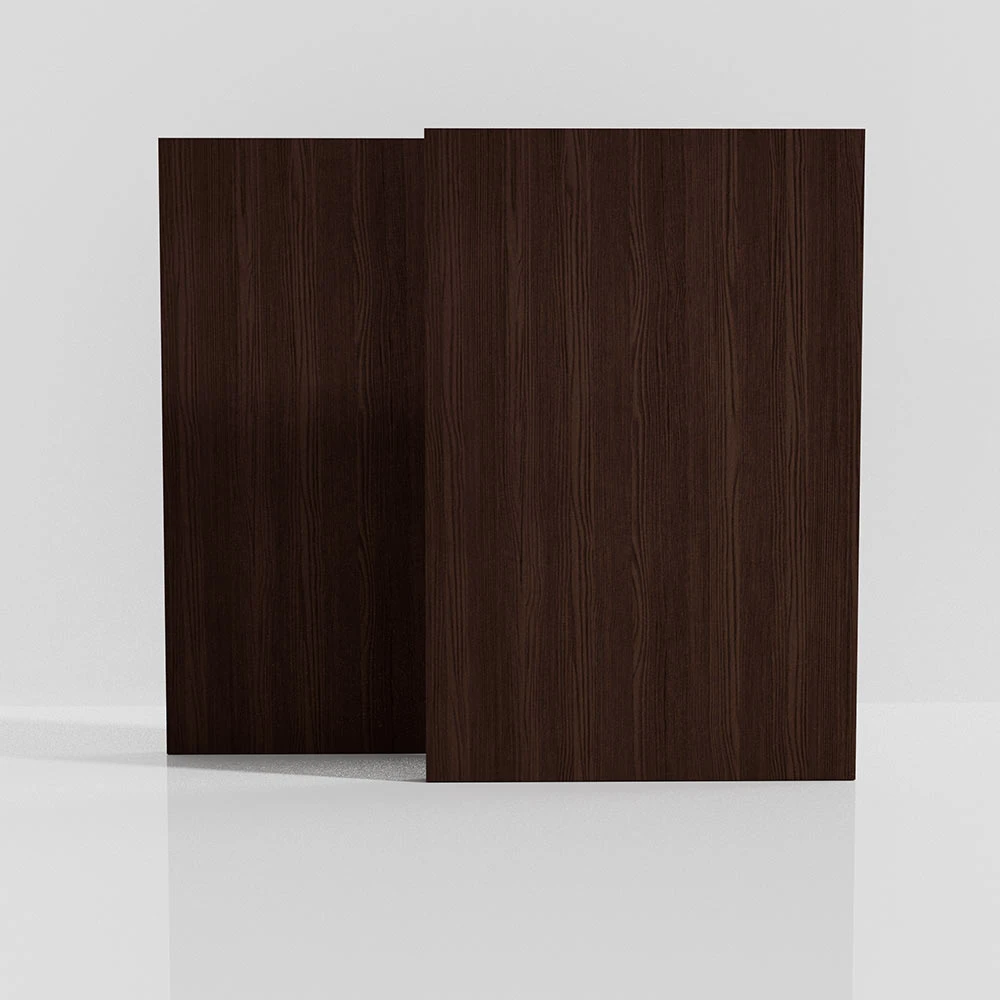
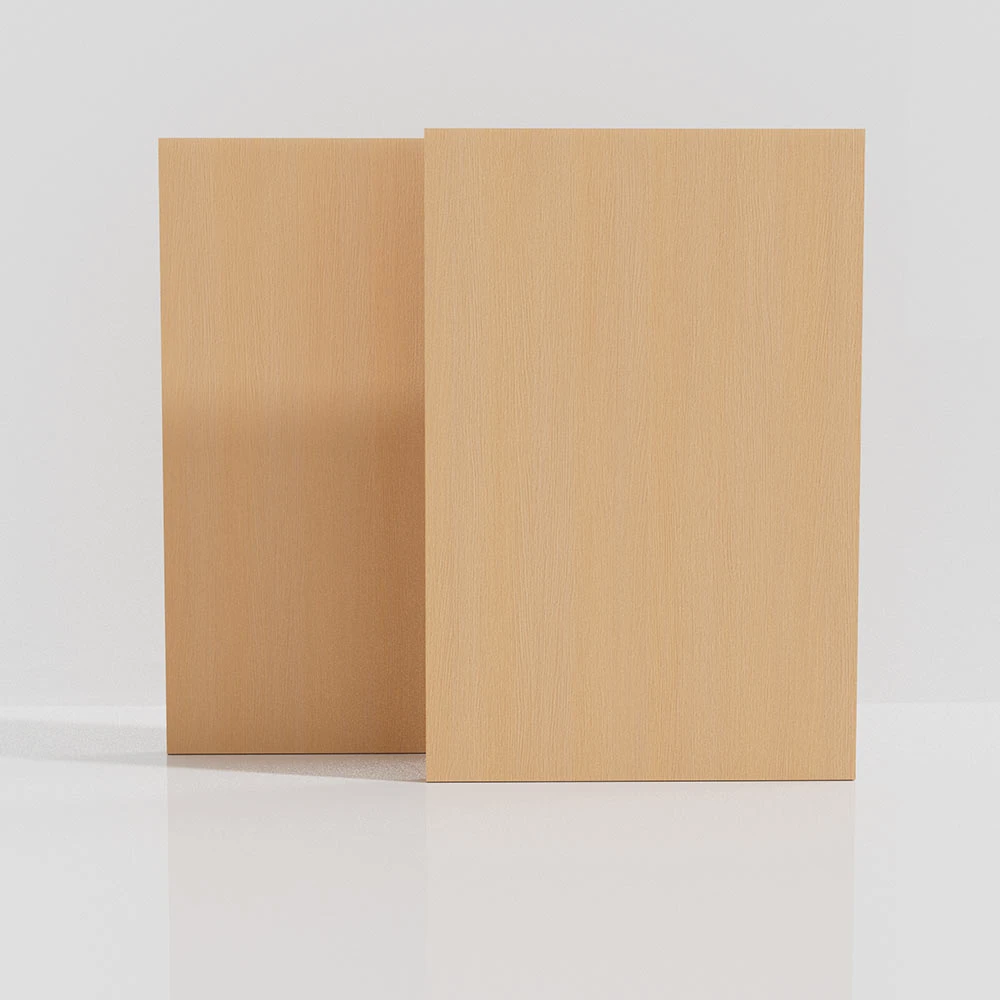
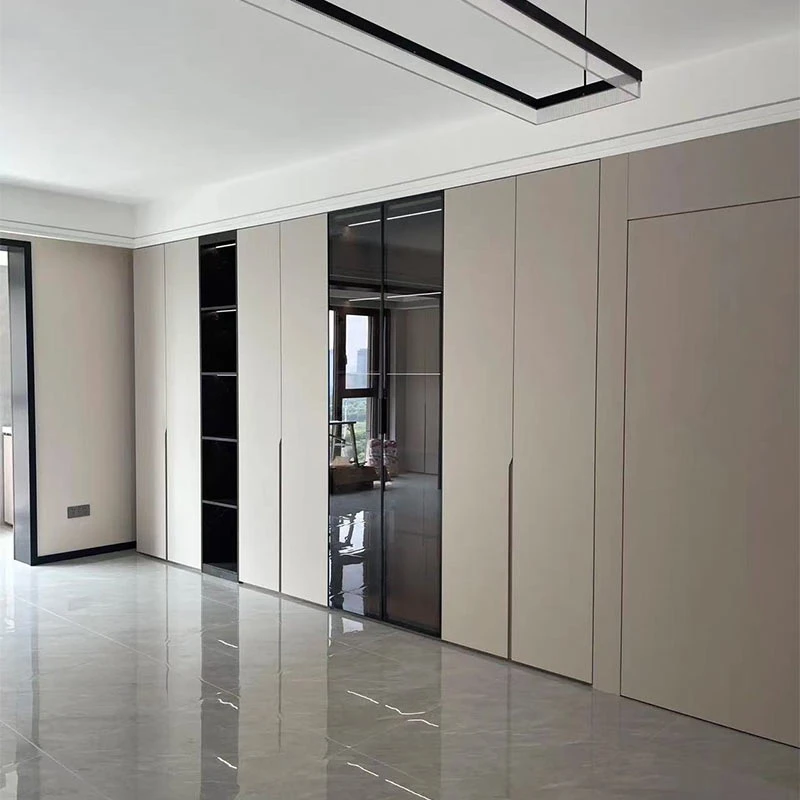
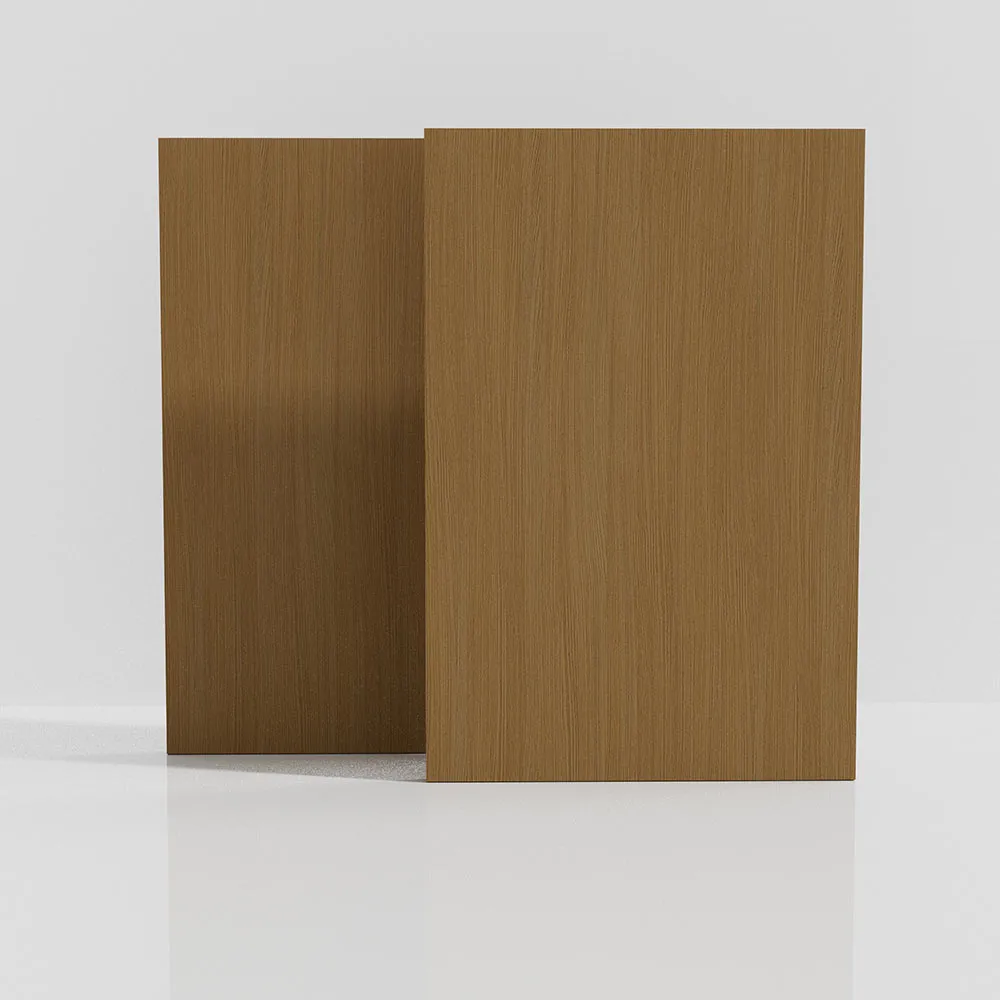
Pressed Plywood is a key solution in the industry, specifically within construction, furniture manufacturing, and interior design sectors. This article explores how https://www.tengfeiebmdf.com supports professionals with durable, high-performance products, and explains why this product is an ideal choice for businesses in these sectors.
Table of Contents
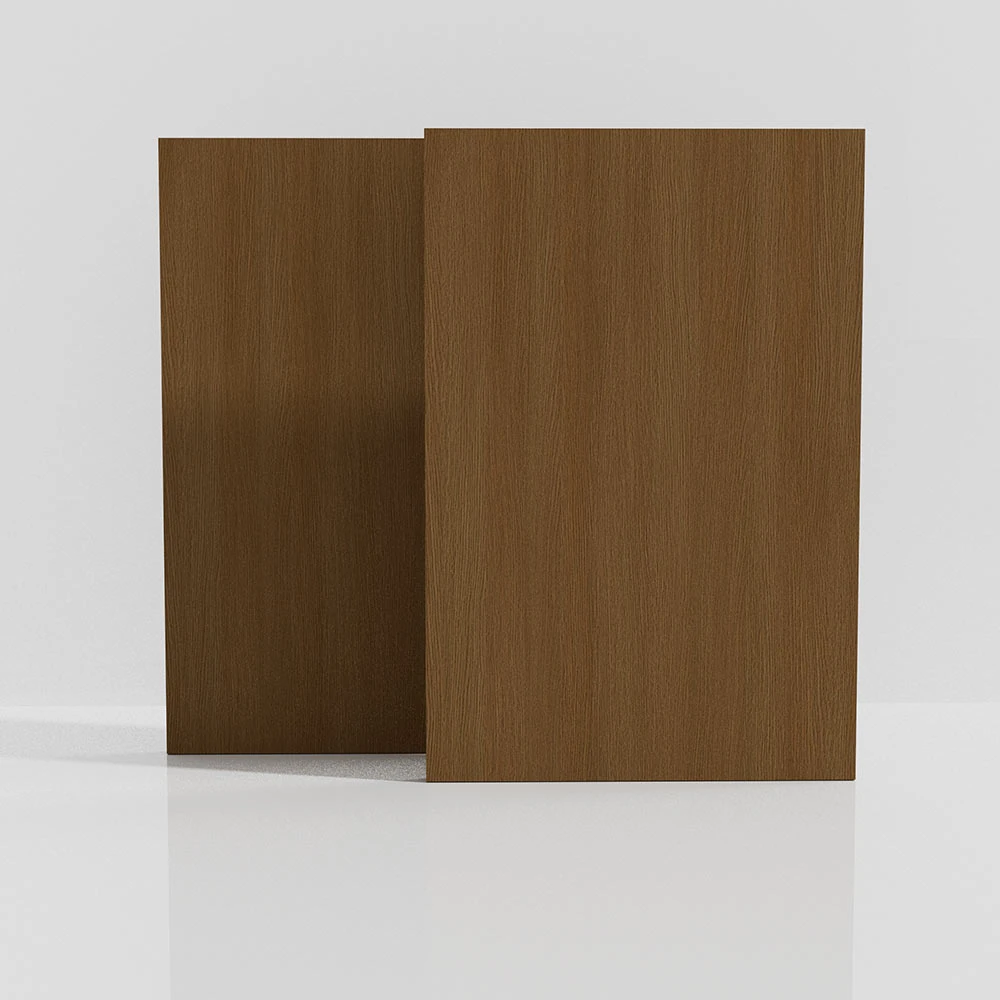
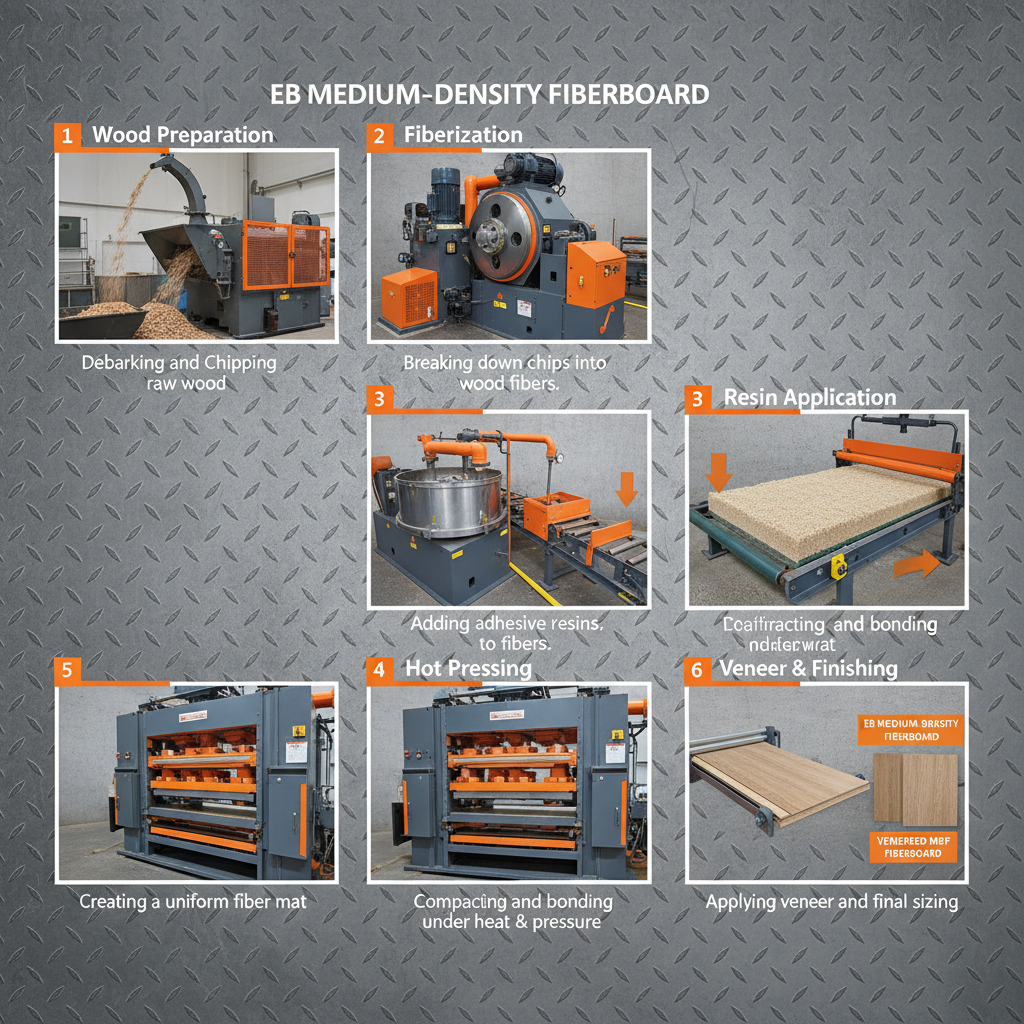
Pressed plywood, simply put, is a wood panel product created by layering thin sheets of wood veneer, bonded with adhesives under heat and pressure. The pressing process results in a material that balances strength and flexibility much better than raw wood or simple plywood. It’s kind of like nature’s wood fibers, given a deliberate upgrade.
Technically, pressed plywood often comes with precise thicknesses and density ratings that make it tailor-fit for everything from structural supports to finely crafted surfaces. For instance, Tengfei offers products adhering to international standards such as CARB Phase 2 for formaldehyde emissions and employs phenolic adhesives for moisture resistance. In real terms, this means their pressed plywood isn’t just about looking good — it performs reliably under conditions that might challenge other wood-based materials.
Typical Pressed Plywood Technical Specifications
| Property |
Value |
Unit |
| Thickness Range |
3 - 30 |
mm |
| Density |
600 - 700 |
kg/m³ |
| Modulus of Rupture |
28 - 35 |
MPa |
| Water Resistance |
Excellent |
- |
| Formaldehyde Emission |
≤0.05 |
mg/L |
When thinking about industrial applications, the benefits of pressed plywood really shine. In furniture manufacturing, it provides a consistent, smooth platform that's easy to work with and finishes beautifully—whether it’s a luxury cabinet or industrial shelving unit. Construction pros appreciate how it handles load-bearing tasks, often chosen for subflooring or wall panels that need both robustness and lightness.
Beyond that, facilities in automotive interiors or packaging industries like pressed plywood because it can be optimized for moisture resistance without losing its strength. What’s interesting is how competitive its price point is relative to solid hardwood or metal alternatives, without compromising core performance. In fact, many engineers report fewer issues with warping or delamination thanks to the pressing and adhesive technologies that companies like Tengfei employ.
Vendor Comparison: Pressed Plywood Providers
| Feature |
Tengfei |
Competitor A |
Competitor B |
| Adhesive Quality |
Phenolic resin (high moisture resistance) |
Urea-formaldehyde (standard) |
Melamine resin (moderate resistance) |
| Emission Standards |
CARB Phase 2 certified |
Non-certified |
CARB Phase 1 |
| Thickness Range (mm) |
3 - 30 |
5 - 25 |
4 - 20 |
| Typical MOQ |
5 cubic meters |
10 cubic meters |
7 cubic meters |
| Lead Time |
2 weeks |
4 weeks |
3 weeks |
Cost, Maintenance & User Experience
One of the first questions B2B decision makers often ask is about total cost of ownership. Pressed plywood holds up well here — the upfront investment usually favors mid-range budgets, but because of its durability and moisture resistance, companies find it pays back over time. Think fewer repairs, less downtime, and easier handling during installation. Frankly, it often blends well with lean manufacturing goals.
User feedback from construction and furniture sectors consistently notes easy machinability paired with surprisingly strong results. A furniture manufacturer we spoke to recently praised Tengfei’s plywood for maintaining its shape even through heavy sanding and painting steps. That kind of reliability in the production line means fewer hiccups and waste, which you can imagine adds up significantly in large-scale operations.
Sustainability & Market Trends
Sustainability stands front and center in today’s wood product markets. Pressed plywood manufacturers like Tengfei have embraced this by sourcing from certified forests and optimizing processes to reduce emissions. Moreover, with tightening regulations across US, EU, and Asia on formaldehyde limits, the focus on low-emission adhesives has become non-negotiable. This trend isn’t just greenwashing — it reflects real demand for healthier workplaces and end products.
Industry growth projections suggest a steady increase in pressed plywood usage, driven not only by demand for safer, sustainable materials but also because of its adaptability in new sectors like modular housing and even electric vehicle interiors. Oddly enough, this traditional material is finding its way into futuristic applications.
Frequently Asked Questions about Pressed Plywood
- What is Pressed Plywood and how does it work?
- Pressed plywood is made by pressing multiple layers of wood veneers with adhesives under heat and pressure, creating a panel that’s stronger and more stable than ordinary plywood or solid wood. The pressing improves bonding between layers, resulting in greater strength and resistance to moisture and warping.
- What are the main benefits of using Pressed Plywood in industrial applications?
- Key benefits include high strength-to-weight ratio, moisture resistance, consistency in sizes and thickness, and cost-effectiveness. These advantages translate into longer-lasting products and reduced maintenance costs.
- How does Pressed Plywood compare to traditional alternatives?
- Compared to traditional plywood or solid wood, pressed plywood offers enhanced durability and moisture resistance without the weight or cost penalty of metals or engineered composites. It also provides a smoother finish for aesthetic applications.
- What industries can benefit most from Pressed Plywood implementation?
- Industries such as construction, furniture, automotive interiors, packaging, and modular building sectors benefit greatly. Its versatility allows it to fit varying demands, from load-bearing to decorative uses.
Conclusion on Pressed Plywood from china
To wrap it up, pressed plywood remains an essential material for many industries due to its strength, adaptability, and increasingly sustainable production. Choosing a trusted supplier like Tengfei can make a tangible difference in the quality and long-term value of your projects. If you’re looking to optimize your material sourcing, it’s hard to overlook what pressed plywood has to offer nowadays.
Reflecting on the evolving construction and manufacturing sectors, pressed plywood stands out as a quietly reliable workhorse. With its blend of tradition and innovation, it’s a classic that’s very much still a player in forward-thinking business strategies.